REVIEW · ZANZIBAR
Walking City Tour in Zanzibar Island
Book on Viator →Operated by Juma Amir Tour Guide Zanzibar · Bookable on Viator
Stone Town is easy to get lost in. This private walking tour keeps you moving smartly through Zanzibar’s UNESCO lanes, without you having to guess your way between sites. You get a real sense of how the city works, street by street, not just a photo stop list.
Best part: a local guide who can explain what you’re looking at and where to go next, like Juma Amir. I also like that the walk covers key places in a tight time window, so you leave with a map in your head, plus stories that make the buildings make sense.
One thing to plan for: the Freddie Mercury Museum stop is short and the admission isn’t included, so you should budget a separate ticket if you want to go inside.
In This Review
- Key highlights you’ll feel in 2.5 hours
- Why Stone Town feels confusing until someone shows you where to stand
- Meeting at Forodhani: the easiest start point in Zanzibar town
- Stop 1: Stone Town streets, UNESCO scale, and the doors you should notice first
- Stop 2: Anglican Cathedral and the Old Slave Market site
- Stop 3: Freddie Mercury House, short visit, and what you should expect
- Stop 4: Darajani Bazaar is where you understand commerce in motion
- Stop 5: Old Fort (Ngome Kongwe) and the question of who built it
- Stop 6: Tippu Tip’s House and the darker side of East African trade
- Price and value: what $33 buys you in Stone Town
- The guide factor: safe, flexible, and good at answering real questions
- Who should book, and who might want a different plan
- Should you book the Walking City Tour in Zanzibar Stone Town?
- FAQ
- How long is the Walking City Tour in Zanzibar?
- What is the price per person?
- Is this a private tour?
- Do I get a mobile ticket?
- What does the tour include?
- Are entrance fees for the Freddie Mercury Museum included?
- Which main stops are covered?
- Where does the tour start and end?
- What is the cancellation policy?
- Are there set opening hours?
Key highlights you’ll feel in 2.5 hours
- Private guide pacing so the route feels personal, not rushed
- UNESCO Stone Town orientation across narrow lanes and famous landmarks
- Anglican Cathedral / Old Slave Market with entrance fees included
- Darajani Bazaar stop with admission included
- Tippu Tip’s House stop with admission included
- Freddie Mercury House photo visit with extra admission cost
Why Stone Town feels confusing until someone shows you where to stand
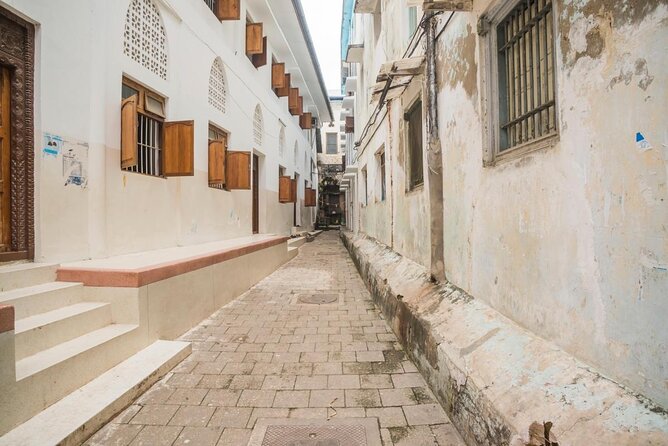
If you’ve ever wandered Stone Town alone, you know the problem. The streets are charming, but they loop and twist. After a while, it stops feeling like adventure and starts feeling like cardio with no payoff.
This tour solves that. You get structure. You also get context, which is what turns a random street view into a place with meaning. With a private guide, you’re not waiting for a group to regroup at every corner, and you’re not stuck following a loud headset route that ignores what you care about. The pacing is built for seeing a lot without feeling like you’re being dragged from one spot to the next.
The time matters too: about 2 hours 30 minutes. That’s long enough to understand the layout and hit the most important landmarks, but not so long that you’re wiped out before dinner.
You can also read our reviews of more walking tours in Zanzibar



Meeting at Forodhani: the easiest start point in Zanzibar town
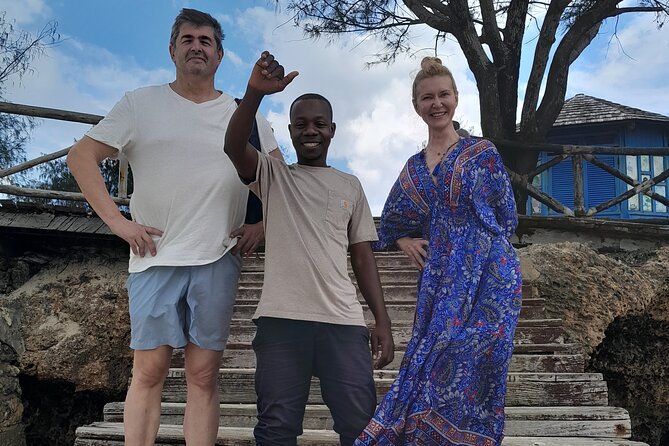
You meet at Cape Town Fish Market Zanzibar, by Forodhani (the name of the area/meeting spot on most directions). It’s a practical place because you’re already in the heart of where people walk and hang out.
The tour also ends back at the meeting point. That is underrated. In Stone Town, ending far from where you started can turn the last hour into a headache of figuring out a route. Here, you can keep your day simple and just continue walking, grabbing food, or heading to your next plan.
Stop 1: Stone Town streets, UNESCO scale, and the doors you should notice first
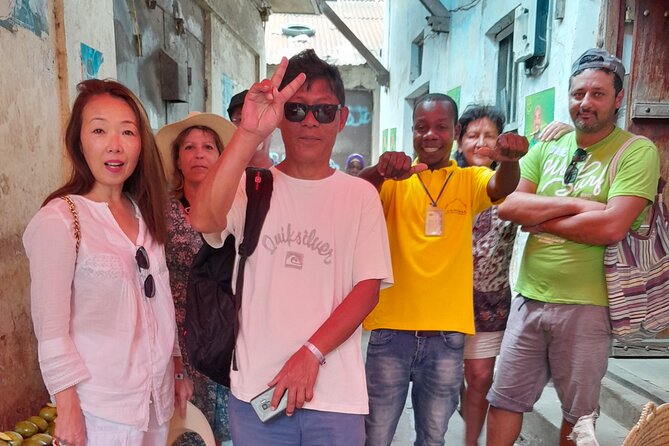
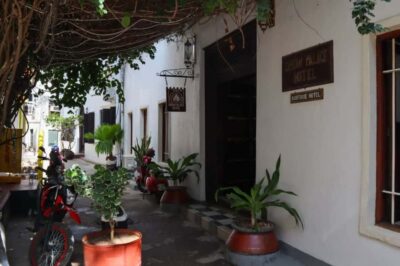
The walk begins in Stone Town proper, where you’ll spend about 1 hour. This isn’t just a loop around big attractions. It’s a guided path through the idea of Stone Town itself.
Here’s what you’ll learn to look for:
- Stone Town is made up of over 2,000 limestone buildings across roughly 50 hectares
- The area earned UNESCO World Heritage status in 2000
- The city reflects African, Arab, Indian, Persian, and European influences
That mix shows up in architecture and street life. You’ll also be pointed toward major landmarks along the way, including the Anglican Cathedral, House of Wonders, and the area connected to the Freddie Mercury House.
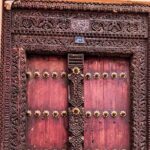
One detail I really like on this kind of tour is teaching you what to notice fast. In Stone Town, that’s often the smaller visual cues, like the style of Zanzibari doors. Once you’ve seen a few explained, you can spot patterns yourself later while you keep wandering.
Possible catch: because the tour hits the big umbrella of Stone Town first, you’ll move through some areas at a steady walking pace. If you want slow time for lingering and shopping, just tell your guide early. A good guide can adjust how long you pause—especially on a private tour.
Stop 2: Anglican Cathedral and the Old Slave Market site

Next is the Old Slave Market / Anglican Cathedral area, about 30 minutes. Entrance here is included, so you don’t have to keep doing mental math while you’re learning.
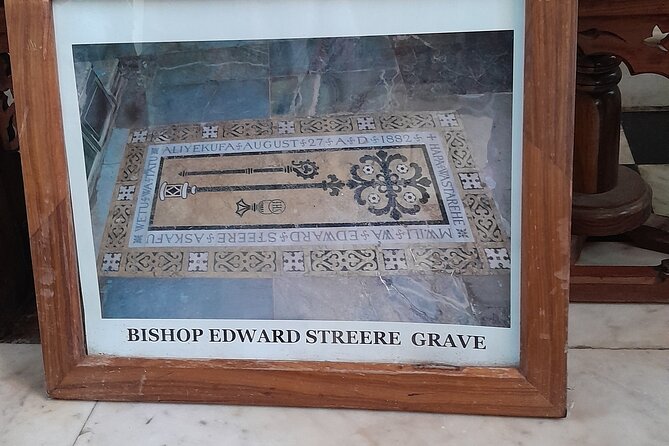
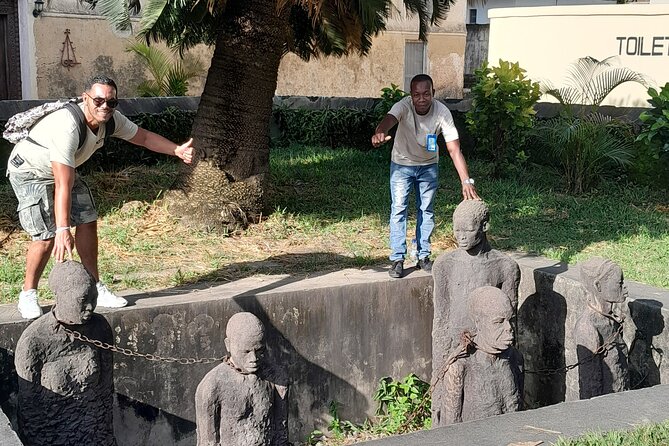
This is the stop that gives the tour its emotional weight. The Anglican Cathedral is connected to a part of Zanzibar’s past that involved the slave trade. Even if you’ve read about it before, seeing it with local interpretation helps you understand how the architecture and the city layout relate to that history.
You’ll also hear the broader context of the UNESCO district—how the city’s geography and building style shaped daily life and trade. Along the way, you may be directed toward nearby landmarks you can recognize later, including the House of Wonders and Old Fort (these also show up again in how the guide frames the area).
If you’re the type who appreciates clear explanation, this is where you’ll feel it most. A private guide can answer questions as they come up, instead of waiting for a group pause.
Stop 3: Freddie Mercury House, short visit, and what you should expect
Then you’ll go to the Freddie Mercury Museum / Freddie Mercury House area for about 15 minutes. This is one of those stops that many people want to do, but not all want to spend a long time on.
Here’s the reality:
- You’ll get a chance for photos in front of the Freddie Mercury House area
- You’ll also learn about Mercury’s family history and what shaped him
Admission for this stop is not included, so if you want to go beyond the exterior and spend time inside the museum portion, plan for an extra ticket.
This is a good moment to think about your priorities. If you’re a die-hard fan, you might want more time than what’s built into the walk. If you’re mainly curious about the connection, the short format can actually work well, because you don’t lose the rest of your Stone Town momentum.
You can also read our reviews of more city tours in Zanzibar



Stop 4: Darajani Bazaar is where you understand commerce in motion

After that, you’ll head to Darajani Bazaar for about 15 minutes. Admission is included here, which makes it easy to treat the visit as part of the story rather than an add-on.
What I like about this stop is that it connects Stone Town’s architecture to everyday life. Bazaar culture is how you see what people buy, how they talk, and how the city earns money.
You’ll learn about the origins of the name Darajani and why the market matters in local commerce. Even if you’re not shopping hard, you’ll get a better sense of what the market represents in daily rhythms.
One practical note: markets can be noisy and crowded, and Stone Town alleys can feel tight. A private guide helps here because you can move with purpose instead of getting stuck in bottlenecks.
Stop 5: Old Fort (Ngome Kongwe) and the question of who built it

Next is The Old Fort (Ngome Kongwe) for about 15 minutes. Entrance here is free, so you’re mainly paying with your attention.
The key value is learning the fort’s story and—importantly—who built it. When you know that, the fort stops being just an old structure in the background. It becomes a clue about power, defense, and trade. A short stop can still be meaningful when it’s framed with the right explanation.
If you like architecture and city planning, this brief segment is a strong payoff because it ties the fort back into what you already learned about the city’s influences.
Stop 6: Tippu Tip’s House and the darker side of East African trade
The final major history stop is Tippu Tip’s House for about 15 minutes. Admission is included.
This is a heavy topic. Tippu Tip, also known as Hemed bin Mohammed, is described as someone involved in the slave trade in East Africa. The explanation you’ll get links him to a network that transported people to Zanzibar as part of the broader trade system.
I appreciate that the tour doesn’t skip over hard history just because it’s uncomfortable. You’ll leave with a more complete picture of how Zanzibar’s economy and culture developed, including the violent and exploitative forces that also shaped it.
As always, keep your expectations balanced. This isn’t a multi-hour lecture, so the guide gives the core context in a short time. If you want more depth, you can use this stop as your starting point for further reading later.
Price and value: what $33 buys you in Stone Town
At $33 per person, this is priced like a practical add-on for a half-day in a city where guided context can be the difference between satisfaction and confusion.
Here’s what you get included:
- Bottled water
- A professional tour guide
- Old Slave Market entrance fees
And several stops also come with entrance covered along the route:
- Darajani Bazaar admission included
- Tippu Tip’s House admission included
- Old Fort (Ngome Kongwe) entry is free
The main item that isn’t covered is the Freddie Mercury Museum admission. So you may want to budget extra if you plan to go inside rather than just take pictures outside.
Also, you get a mobile ticket, which keeps things easy on the day. No hunting for paper vouchers while you’re stepping between tight lanes.
For me, the value comes from coverage and guidance together. Stone Town’s layout can swallow time. This tour helps you spend your limited sightseeing hours on the places that explain the whole city.
The guide factor: safe, flexible, and good at answering real questions
A standout detail from real experiences with this tour style is the way the guide handles people who are doing Stone Town for the first time.
For a solo female traveler, the tour is described as feeling very safe, including for an afternoon or evening timing. That matters. Stone Town is walkable, but it’s also busy and maze-like. Having a guide who knows how to move through it confidently can make the difference between a pleasant evening and an anxious one.
People also appreciated how flexible Juma Amir can be. If you’ve already seen some of the standard stops, he can adjust and steer you to other meaningful historic points. And when questions pop up—why a building looks the way it does, or what a landmark connects to—he answers them instead of brushing you off.
That’s the real benefit of a private walk. You’re not stuck with a script. You get a human who can respond.
Who should book, and who might want a different plan
This walking tour is a great match if:
- You’re short on time and want a strong Stone Town orientation in about 2.5 hours
- You like history and architecture, especially the story behind places you recognize by name
- You want structure so your first day in Stone Town doesn’t turn into accidental wandering
- You’re traveling solo and want a confident, guided experience
You might want to think twice if:
- You want a longer museum-style experience at the Freddie Mercury site, since the visit is brief and admission isn’t included
- You dislike walking through narrow lanes and changing direction often
Private tour or not, Stone Town is a walking city. The tour works because it leans into that.
Should you book the Walking City Tour in Zanzibar Stone Town?
Yes, if you want the smart version of Stone Town. You get the UNESCO basics, the major landmarks, and the context that helps everything click—especially at the Anglican Cathedral / Old Slave Market and the historic sites tied to trade.
I’d book it if:
- You want a guided route through the maze
- You value included entry where it matters
- You like the idea of seeing Freddie Mercury as part of a larger historical picture, not as your only destination
I might skip it if you already know Stone Town well and your main goal is to spend hours inside museum exhibits. In that case, you could build your own day with targeted entrances and extra time.
If you’re deciding between aimless wandering and a guided hit list that still feels personal, this tour lands closer to the second one—and that’s usually where first-time Stone Town visitors end up happiest.
FAQ
How long is the Walking City Tour in Zanzibar?
The tour lasts about 2 hours 30 minutes.
What is the price per person?
It costs $33.00 per person.
Is this a private tour?
Yes. It’s private, so only your group participates.
Do I get a mobile ticket?
Yes. The tour includes a mobile ticket.
What does the tour include?
It includes bottled water, a professional tour guide, and Old Slave Market entrance fees.
Are entrance fees for the Freddie Mercury Museum included?
No. Freddie Mercury Museum admission is not included.
Which main stops are covered?
You’ll visit Stone Town, the Old Slave Market/Anglican Cathedral, the Freddie Mercury House/Museum area, Darajani Bazaar, Old Fort (Ngome Kongwe), and Tippu Tip’s House.
Where does the tour start and end?
It starts at Cape Town Fish Market Zanzibar at Forodhani and ends back at the same meeting point.
What is the cancellation policy?
Cancellation is free if you cancel up to 24 hours in advance for a full refund.
Are there set opening hours?
The activity listing shows hours as Monday to Sunday, 12:00 AM to 11:59 PM (for the displayed date range).