REVIEW · ZANZIBAR
Traditional Zanzibar Cooking Class including Spice Tour
Book on Viator →Operated by Splash Tour Company · Bookable on Viator
Spices make Zanzibar make sense fast. This 4.5-hour experience links a spice farm visit in Kizimbani with a cooking class in the same morning rhythm, with pickup and air-conditioned driving.
I like how it stays hands-on: you’ll see, smell, and harvest key ingredients before you cook. I also like the human touch—your meal is prepared with local teaching, and the staff-guides tend to explain the plants clearly so you actually understand what you’re using.
One possible catch: the cooking setup may feel more like a home/community space than a formal demo kitchen, so if you prefer total quiet, manage expectations. In some sessions, people can come and go while you’re cooking.
In This Review
- Key Takeaways Before You Go
- A Half-Day Plan That Fits Stonetown Life
- Getting From Stonetown: Comfort, Not Chaos
- The Spice Farm Walk: Smell, Touch, and Harvest
- When You’ll Feel It Most
- Cooking Zanzibari Food With a Local Host
- A Note on the Cooking Environment
- Who Guides You, and Why That Matters
- Price and Value: Is $68 a Smart Spend?
- Logistics That Affect Your Day (More Than You’d Think)
- Who This Tour Suits Best
- Should You Book This Zanzibar Spice and Cooking Class?
- FAQ
- What is the duration of the Zanzibar traditional cooking class with spice tour?
- Where does the tour start and end?
- What time does the experience start?
- Is pickup offered?
- Is this a private tour?
- Where are the spice farms located?
- Is there free cancellation?
Key Takeaways Before You Go
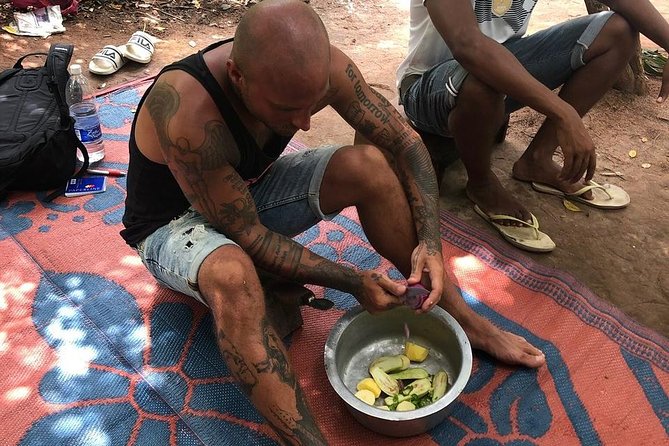
- Spice harvesting is part of the class so you’re not just watching—you’re getting ingredients for your own meal.
- Kizimbani is close enough for a smooth half day (about 15 km northeast of Stonetown) and you’ll be back by around 2 o’clock.
- A/C transport helps the morning stay comfortable, especially in Zanzibar’s heat.
- The tour is private for your group, which usually means better pace and more time for questions.
- A local host leads the cooking, turning the farm knowledge into food you can taste and recreate.
A Half-Day Plan That Fits Stonetown Life
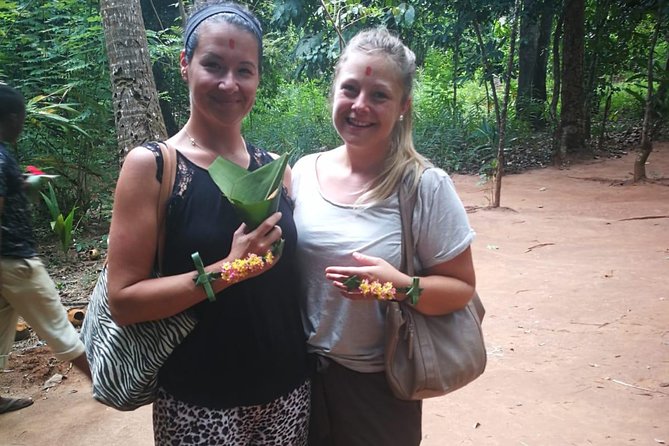
This is built for people who want the Zanzibar “spices + food” story without eating an entire day. The schedule starts at 09:30 and you’re back in/near Stonetown at about 2:00, giving you the afternoon free for the beach, a museum stop, or just wandering Stone Town’s lanes.
For me, the value here is the structure. Instead of a spice talk that stays theoretical, you walk a farm, handle ingredients, then cook with what you learned. That time-connection makes the experience stick.
You can also read our reviews of more cooking classes in Zanzibar
Getting From Stonetown: Comfort, Not Chaos
You meet on Kajificheni Street and the trip includes pickup if you select that option. The farm is located in Kizimbani, roughly 15 kilometers northeast of Stonetown, so you’re not driving all over Zanzibar or losing hours to transport.
The ride is in an air-conditioned vehicle, which matters more than people think in a spice-growing region where you’ll be outside for stretches. If you’re the type who hates arriving sweaty and wiped out, this is a solid choice.
Also, the tour is private—only your group participates. That can be a big deal when you want to ask questions about plants and cooking steps instead of waiting your turn in a larger group.
The Spice Farm Walk: Smell, Touch, and Harvest
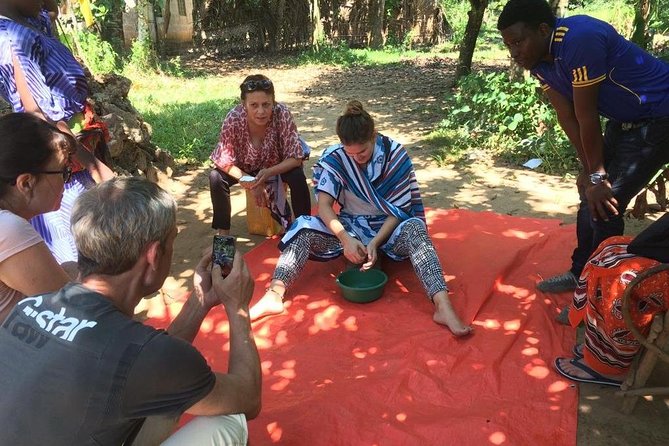
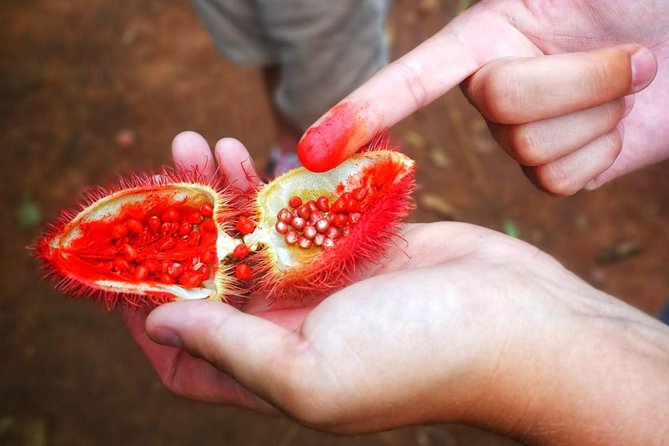
The farm part is the heart of the morning. You’ll have a guided tour where you’ll see, smell, and taste different spices and fruits. Expect the guide to connect each plant to what it does in cooking, not just recite names.
Harvesting is the key detail. You’re not limited to observation—you’ll pick or collect some of the important ingredients you’ll use later in the cooking class. That turns the farm into something practical, not just pretty scenery.
Kizimbani is part of the reason this works so well as a half-day. You get the full sensory farm experience without turning it into a travel marathon. And because the farm tour is guided, you’ll know what to look for while you’re in the rows—rather than guessing, which usually leads to a quick forget.
When You’ll Feel It Most
You’ll feel the difference in two moments:
1) When you smell spices and then recognize them again later in the cooking process.
2) When you taste ingredients on the spot and understand what you’re trying to reproduce at the stove.
It’s the rare tour where your senses and your cooking skills get linked, step by step.
Cooking Zanzibari Food With a Local Host
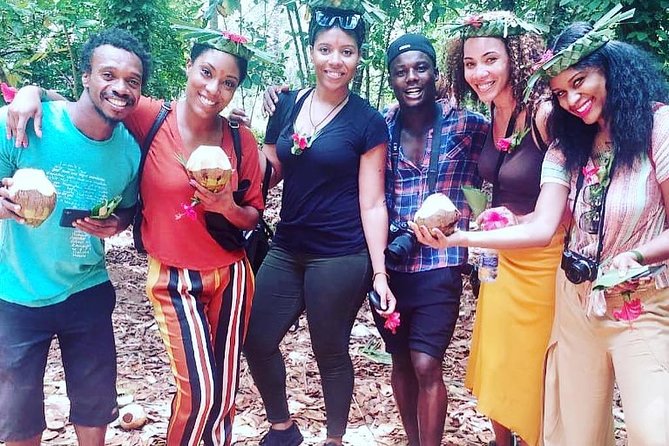
After the spice tour, the day moves into the kitchen. A local host (a woman in the standard description) teaches you how to prepare and cook traditional Zanzibari cuisine, using the harvested ingredients you collected earlier.
This is where the tour becomes more than a farm outing. The teaching approach typically focuses on how spices behave—when to add them, how strong flavors change, and how to balance everything so it tastes right, not just spicy.
You’ll then enjoy your homemade meal together with your hosts. That shared eating moment is often the payoff people remember, because it’s not a quick nibble—it’s the main result of the morning’s work.





A Note on the Cooking Environment
One review-style concern that shows up in feedback: the cooking space can feel more like a home/community environment than a closed, dedicated cooking studio. In some sessions, people may come and go while you cook.
If you’re very sensitive to distractions, or you want a strict, uninterrupted cooking class, it’s worth keeping that in mind. For most people, the warmth and casual energy are part of the charm. For others, it can slightly reduce the feeling of a private, staged class.
Who Guides You, and Why That Matters
You’ll get a guided spice tour, and then cooking instruction from the host team. The experience tends to depend on the staff doing two things well: explaining the plants clearly and making the cooking steps feel doable.
In one example, a guide named Lukem led the farm visit, with a host named Hassan taking the lead during cooking. Even if your specific guide names differ, the pattern is the same: the best sessions are the ones where you’re asked questions, shown how spices are used, and guided through steps without making you feel rushed.
If you like to learn by asking why, this is the style that usually works best. You’re not just collecting photos—you’re collecting cooking logic.
Price and Value: Is $68 a Smart Spend?
At $68 per person for a roughly 4 hours 30 minutes experience, the question is what you get for the money. You’re paying for three real components:
- Transport included via pickup (and an A/C vehicle)
- Guided spice farm time with sensory tasting and ingredient harvesting
- A hands-on cooking class plus a meal you actually make and eat
In other words, it’s not just an entry ticket to a farm, and it’s not just a cooking demo. You’re doing both, in a single half-day block.
I also like that it’s a private tour. That tends to raise the value if you’re comparing it with larger-group classes where you spend more time waiting than cooking.
Finally, it’s popular—on average it’s booked about 44 days in advance. That’s usually a sign the schedule sells out in busy seasons. If you care about your exact morning timing, plan ahead.
Logistics That Affect Your Day (More Than You’d Think)

Here are the practical pieces that shape how smooth your morning feels:
- Start time is fixed around 09:30, so plan an early breakfast and a calm morning.
- The activity ends back at the meeting point, so you’re not figuring out end-of-day transport on your own.
- The meeting point is on Kajificheni Street, which keeps things straightforward if you’re staying in or near central Stonetown.
- It uses a mobile ticket, which usually makes check-in easy.
If you’re the type who likes breathing room, I’d still aim to arrive a bit early. Zanzibar travel runs on a mix of schedules and human pacing, and being ready helps you start relaxed.
Who This Tour Suits Best
This is a great fit if you want:
- A hands-on experience rather than a lecture
- The ability to turn spice knowledge into real cooking skills
- A morning plan that doesn’t hijack your whole day
It’s also ideal for couples or small groups who want a private pace. If you’re traveling with kids, it can work too—especially because the farm part is sensory and interactive—but keep in mind the cooking space may not be a sterile, high-control kitchen.
If you prefer quiet, perfectly controlled settings (no interruptions, no home-kitchen vibe), consider the cooking-environment note. You can still enjoy the spice farm and cooking, just calibrate your expectations.
Should You Book This Zanzibar Spice and Cooking Class?
Yes, I’d book it if you want the best kind of Zanzibar souvenir: food knowledge you can use. The pairing of spice harvesting + cooking makes this more memorable than the typical spice stop, and the A/C pickup helps keep it comfortable.
Skip it only if your top priority is a formal, staged cooking studio with zero distraction. In that case, the cooking environment might feel too casual. But if you’re after real local teaching and a meal you helped create, this is the kind of class that makes the island’s flavors feel understandable.
FAQ
What is the duration of the Zanzibar traditional cooking class with spice tour?
It runs for about 4 hours 30 minutes.
Where does the tour start and end?
The tour starts on Kajificheni Street in Zanzibar and ends back at the same meeting point.
What time does the experience start?
The schedule begins at 09:30 in the morning.
Is pickup offered?
Yes, pickup is offered as part of the experience.
Is this a private tour?
Yes. It’s described as private, with only your group participating.
Where are the spice farms located?
The selected spice farms are in Kizimbani, about 15 kilometers northeast of Stonetown.
Is there free cancellation?
Yes. Free cancellation is available up to 24 hours in advance for a full refund. If you cancel less than 24 hours before the start time, the amount you paid will not be refunded.