REVIEW · ZANZIBAR CITY
Zanzibar: Spice Tour & Stone Town Walking Tour
Book on GetYourGuide →Operated by ALSA TOURS · Bookable on GetYourGuide
Spices and Stone Town, all in one 5 hours. This private day pairs a hands-on spice plantation visit with a Stone Town walking tour focused on how Zanzibar shaped the slave trade, then connects that history to what the city looks like today. I love the chance to smell and taste spices straight from the plants, and I love how the Stone Town walk brings the 17th- and 18th-century story into specific places you can stand in front of.
One thing to plan for: the spice-stop experience can feel sales-focused, with shopping and tipping conversations in the mix and no displayed prices. If you want to shop, great. If not, set your expectations before you go.
In This Review
- Key things you’ll notice on this tour
- How the day runs (and why the pace works)
- The spice plantation: smells, tastes, and that coconut-tree show
- Fruit, spice tastings, and the real-world shopping vibe
- Stone Town on foot: learning the slave-trade story in place
- Darajani Fish Market, Freddie Mercury’s house, and the House of Wonders
- Your guide and transfer setup: what makes it feel smooth
- Price and value: is $95 for 5 hours a good deal?
- Who this tour fits best (and who might want something else)
- Should you book the Zanzibar Spice Tour & Stone Town Walking Tour?
- FAQ
- How long is the Zanzibar Spice Tour & Stone Town Walking Tour?
- Is this tour private?
- What does the price include?
- Is food included?
- What languages are the guides available in?
- Where does pickup happen?
- What do you do at the spice plantation?
- What Stone Town sights are part of the walking tour?
- Is there free cancellation, and can I reserve without paying now?
Key things you’ll notice on this tour
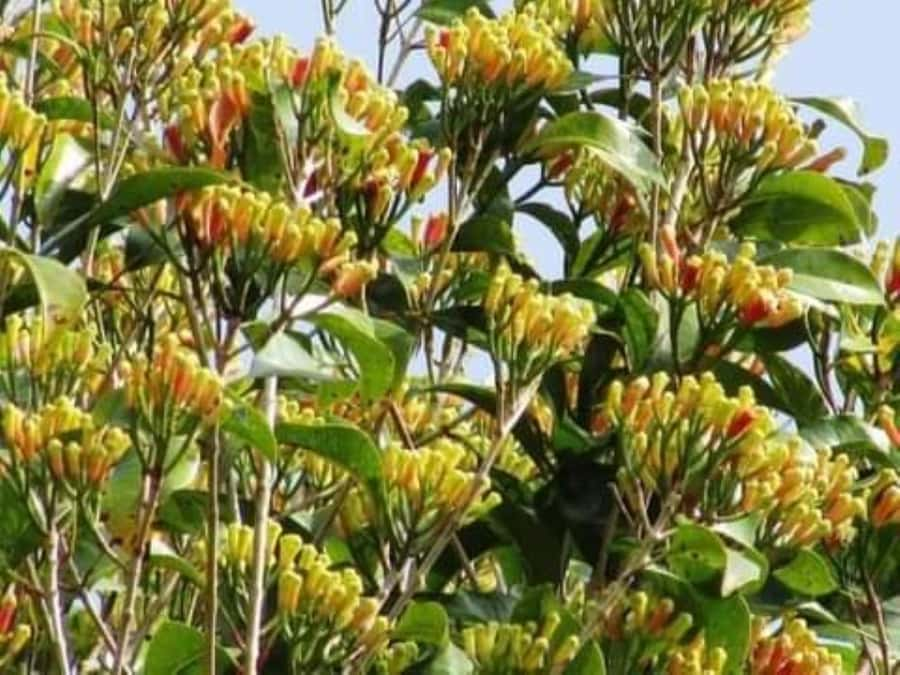
- A real spice plantation stop: cinnamon, cardamom, black pepper, ginger, vanilla stick, lemongrass, turmeric, nutmeg, and cloves are part of the walk-and-touch experience
- Sensory tasting time: you’ll have opportunities to smell and taste spices and tropical fruits, so go easy if you have a sensitive stomach
- That human butterfly moment: you may see a performer climb a coconut tree and sing the Hakuna Matata song
- Slave trade landmarks, not just facts: the old slave market site and the surrounding story are built into the walk
- Stone Town stops with names you recognize: Darajani Fish Market, Freddie Mercury’s house, the House of Wonders, and the old fort
- Guides bring the streets to life: guides and drivers seen on past tours include Ali, Mu, Mo, Sahim, Abdul, Aly, and Sirio, with explanations in multiple languages
How the day runs (and why the pace works)
This is a private, 5-hour Zanzibar day with hotel pickup and drop-off. That short total time matters: you get a spice farm reset for your senses, then you shift gears quickly into Stone Town on foot.
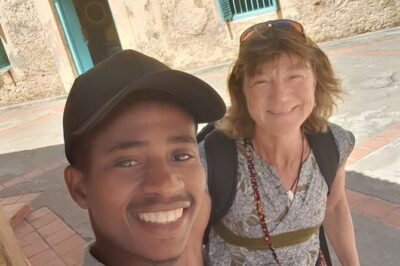
You’ll meet your guide/driver at your hotel lobby with your name on a paper, which keeps things straightforward. From there, the day is essentially two parts: a guided spice experience outside the city, then a guided walking route through Stone Town’s major historic spots.
You can also read our reviews of more walking tours in Zanzibar City

The spice plantation: smells, tastes, and that coconut-tree show
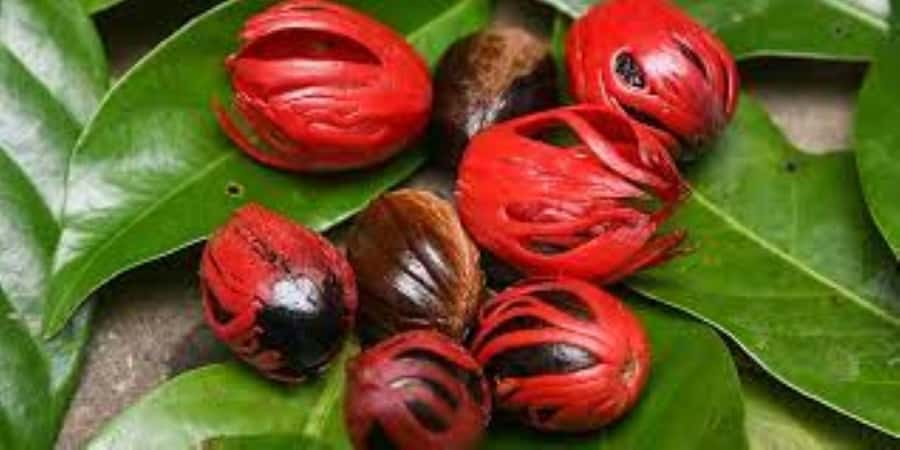
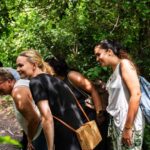
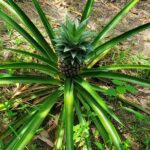
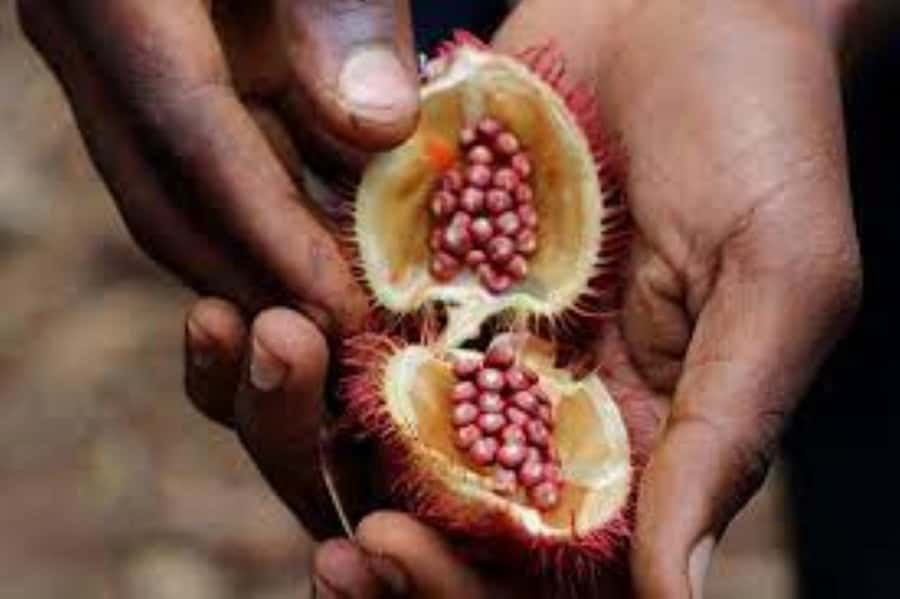
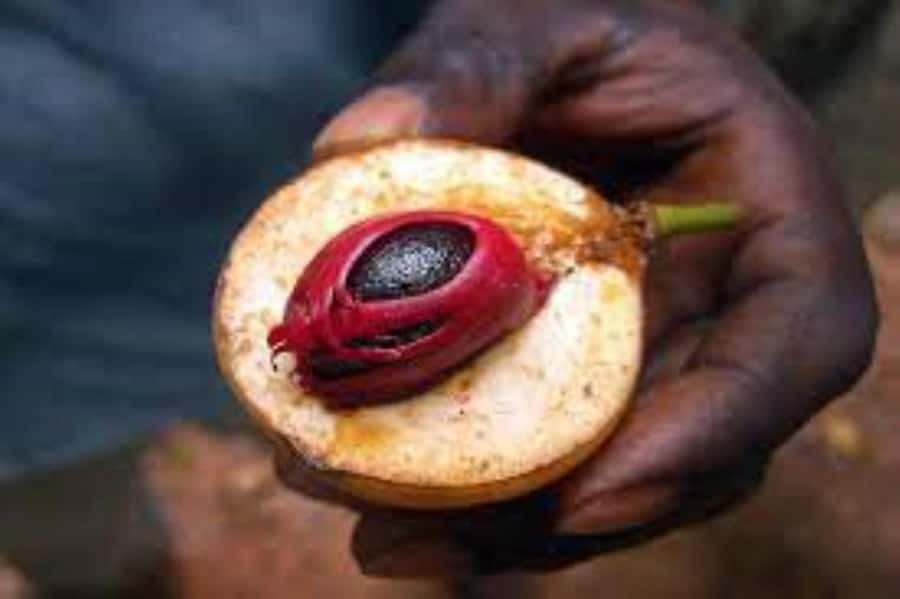
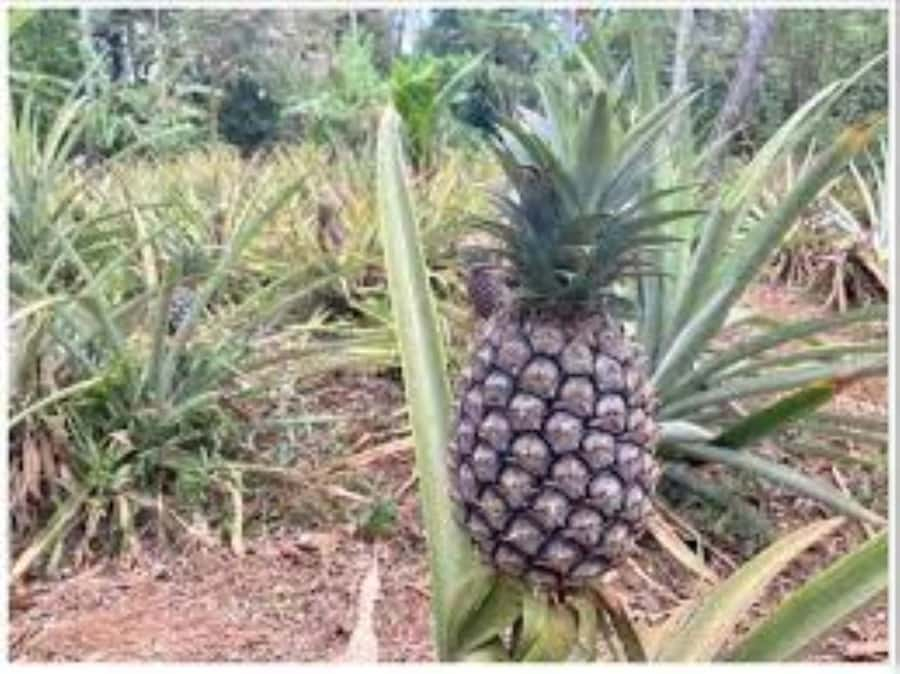
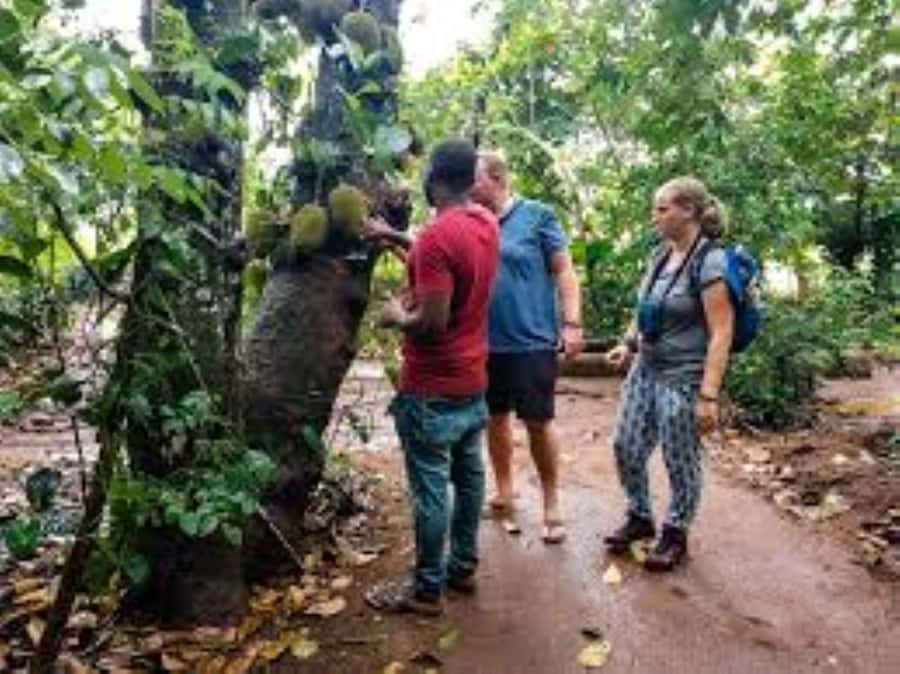
The spice stop is built around a simple idea: spices are plants first, products second. You walk through the farm and get the chance to see, smell, and taste a lineup of Zanzibar favorites—cinnamon, cardamon, black pepper, chill, ginger, vanilla stick, lemongrass, lemon mint, turmeric, nutmeg, and cloves.
You’ll learn how the plants grow in Zanzibar, not just what they’re used for. In practice, that means the guide points out leaves, stems, and textures, and it becomes easier to understand why these ingredients are so tied to trade and daily cooking.
Then there’s the human butterfly moment. Based on what’s happened on past tours, you might see someone climb to the top of a coconut tree and sing the Hakuna Matata song. It’s a fun break in the middle of a lesson-based morning, and it adds a Zanzibar performance vibe without turning the whole day into a show.
One extra personal touch you may get: weaving palm leaf crowns. That small craft moment can make the farm stop feel less like a checklist and more like time spent with people and plants.
Fruit, spice tastings, and the real-world shopping vibe
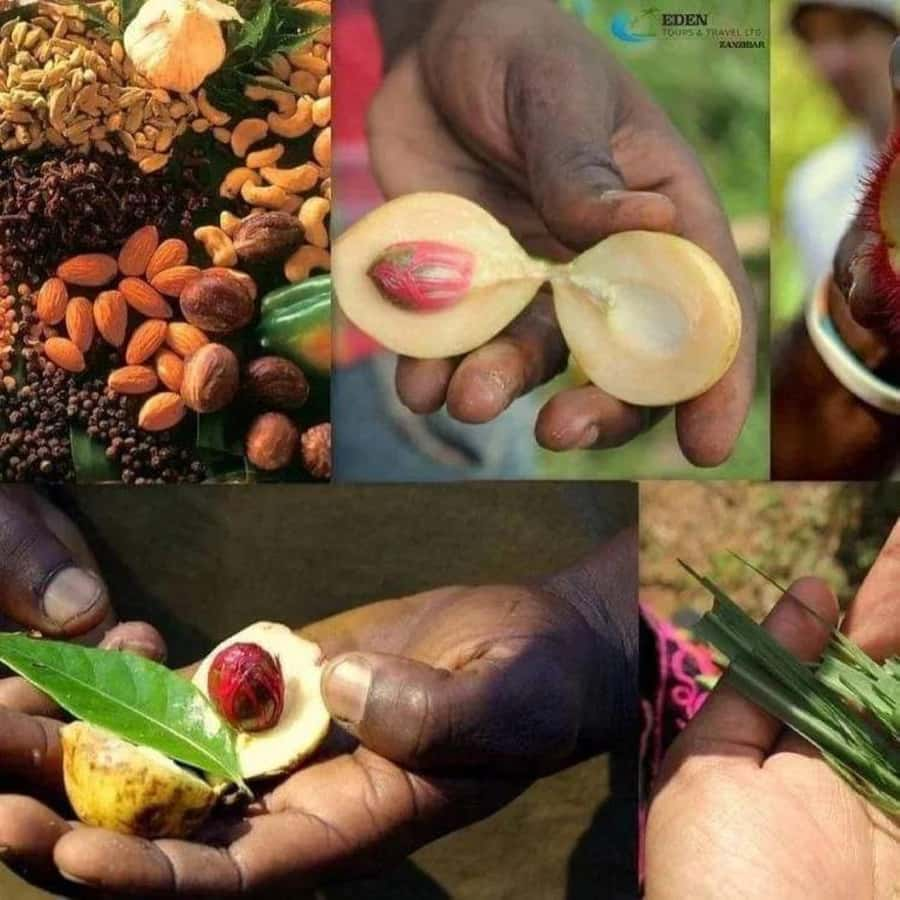
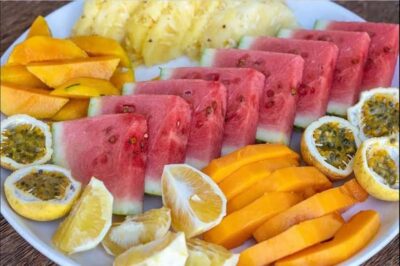
You should expect tastings to be part of this tour. There’s a session where you get chances to taste spices and tropical fruits, and it’s designed as an all-senses experience.
Here’s the practical caution: if your stomach is sensitive, the fruit and spice tasting can feel intense. One past guest described getting queasy tummies during the fruit-eating part, so I’d treat tastings like an option, not a requirement. If you need to slow down, do it early rather than powering through.
Now the other practical piece: the spice farm can include a strong shopping push. Some guests felt staff focused more on sales and tips than on the learning part, and at least one person noted that prices weren’t displayed. If you plan to buy spices or souvenirs, decide your budget before you arrive. If you don’t, keep smiling and hold your line—politely, but firmly.
Stone Town on foot: learning the slave-trade story in place
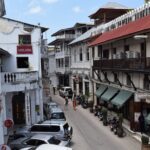
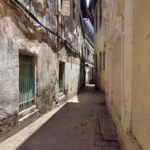
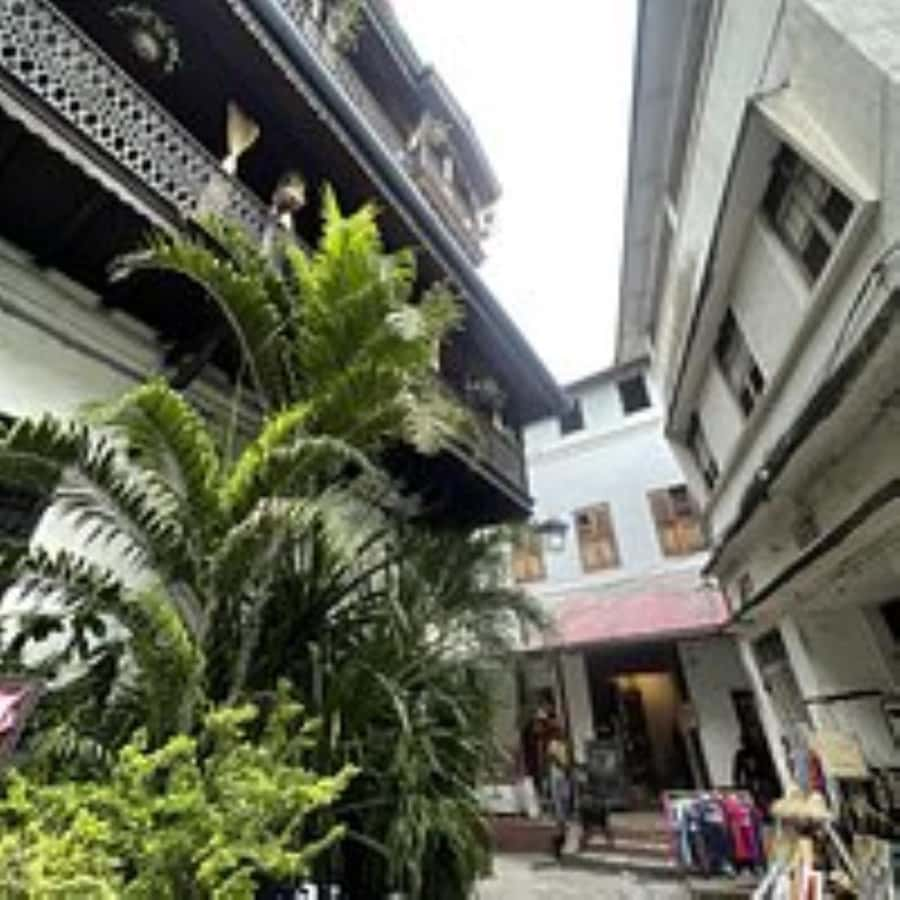
After the farm, Stone Town becomes the main stage. You’ll walk with a guide who explains Zanzibar’s role in the slave trade during the 17th and 18th centuries, and you’ll visit sites tied to that history rather than staying at the level of general statements.
A key stop is the old slave market site. Standing there is different from reading about it, because Stone Town’s streets compress time—routes that are normal today carry history underneath. Your guide should connect the dots between shipping, commerce, and the way power worked on the island.
There’s also often a thoughtful stop at a Christian church, where the connection to the former slave market is explained. If your day includes that church visit, pay attention to the way the guide frames what happened and how the city remembers it.
Darajani Fish Market, Freddie Mercury’s house, and the House of Wonders
Stone Town isn’t only memorial. It’s also a living neighborhood, and the tour reflects that.
You’ll see the Darajani Fish Market, which gives you a strong sense of everyday trade. Past guests described the market as intense but valuable—especially the fish and meat areas—because it shows day-to-day reality rather than a polished tourist scene. Go with patience. Take a breath. Keep your camera ready but your senses calmer than your curiosity.
You’ll also visit Freddie Mercury’s house. Even if you aren’t a music-nerd, the stop works because it shows how Stone Town connects to global culture. It’s a reminder that Zanzibar’s influence didn’t stop with the trade era—it continued into art, identity, and modern celebrity.
The House of Wonders is another highlight on the route. It’s one of those landmarks people mention for a reason: you’ll understand why it’s famous once you see it in context with the surrounding streets and the stories your guide is telling.
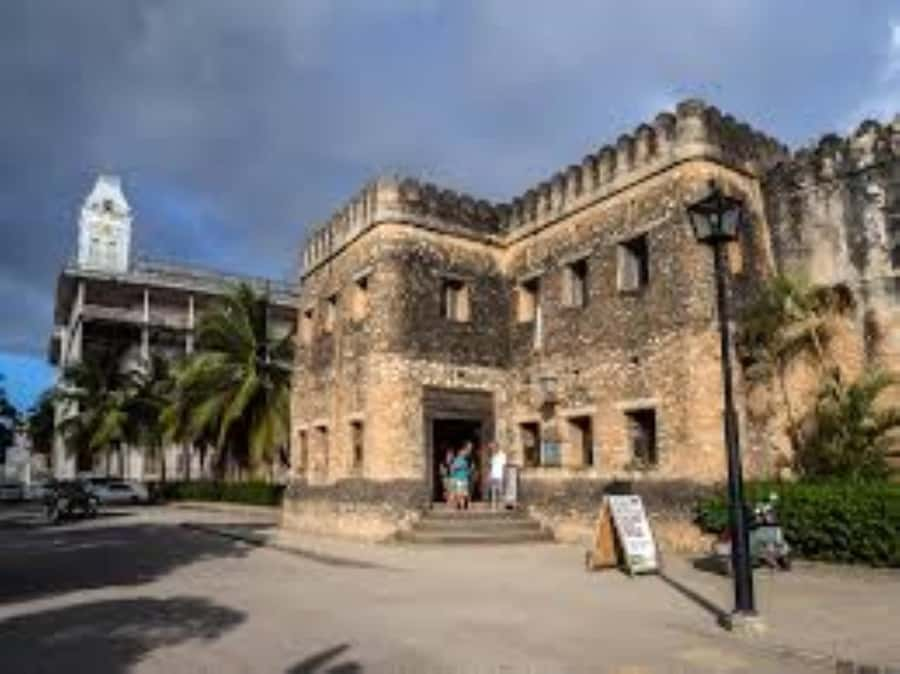
And you’ll have time to see the old fort. Like the other stops, the fort adds a layer of protection and power, giving your mental map a physical anchor.




Your guide and transfer setup: what makes it feel smooth
This is a private-group format, and that usually means you’re not rushing to fit into everyone else’s pace. You’ll get a live guide in English, French, Italian, Spanish, or German, so you’re not stuck with “tour-only” language.
The day also tends to run smoothly because hotel pickup and drop-off are included. Past guests praised drivers and guides by name—Aly for transfers, and guides like Ali, Mo, Mu, Sahim, Abdul, and Sirio for guiding. That’s a good sign: the experience seems to rely on real communication, not just transportation and a headset.
If you walk slower or want more stops, you should be able to request it. One guest specifically noted that walking speed mattered for a friend with limited mobility, so I’d bring that up early and ask your guide to pace the route.
Price and value: is $95 for 5 hours a good deal?
At $95 per person for 5 hours, you’re paying for a tight package: hotel pickup/drop-off, the spice plantation entrance, entrance at the slave market site, and a tour guide. The value is strongest if you want both components in one day without arranging separate tickets and guides.
What’s not included is important: food is not part of the package. That’s normal for this kind of half-day combo, but you should plan your hunger. I’d either eat before pickup or bring a simple plan for after—especially because Stone Town walking and markets can make it easy to forget meals until late.
Also, personal expenses aren’t included. That covers souvenirs and anything you buy at markets or on the farm. Given the sales pressure some guests felt at the spice stop, I’d treat shopping as a separate budget line.
One more value point: you’re not paying for a long day. In five hours, you get sensory spice learning plus a structured Stone Town route that includes both landmark sightseeing and the slave-trade context.
Who this tour fits best (and who might want something else)
I think this tour is a strong fit if you want a single organized day that covers two Zanzibar themes: spices in their natural setting and Stone Town history you can see with your eyes. It works well for first-timers who want major stops like Darajani Fish Market, Freddie Mercury’s house, the House of Wonders, and the old fort without building a plan from scratch.
It’s also a good choice if you enjoy guided storytelling and hands-on experiences. The spice farm portion is designed for sensory learning—touch, smell, and tasting—so you’re not just looking at plants behind a fence.
If you hate any shopping pressure at all, the spice stop might annoy you. In that case, go in with a plan to avoid purchases and to keep conversations short. And if your stomach is sensitive to strong flavors or fruit tastings, you’ll likely want to keep your pace calm and request lighter sampling.
Should you book the Zanzibar Spice Tour & Stone Town Walking Tour?

Yes, if you want a well-structured 5-hour day that pairs sensory spice learning with a Stone Town walk that includes the slave-trade story and major landmarks. The biggest reasons to book are the hands-on spice farm portion, the inclusion of specific historic sites in Stone Town, and the private, multi-language guide format with hotel pickup and drop-off.
Before you commit, I’d ask yourself two questions. First: are you comfortable with tastings and the possibility of a sales-focused spice stop? Second: do you want your Stone Town time to be guided around the slave-trade sites and key landmarks, not only photo stops? If your answers are yes, this is a smart way to spend your time in Zanzibar—efficient, memorable, and built around the island’s real connections between plants, trade, and people.
FAQ
How long is the Zanzibar Spice Tour & Stone Town Walking Tour?
The tour lasts 5 hours.
Is this tour private?
Yes. It’s listed as a private group.
What does the price include?
Hotel pickup and drop-off, entrance to the spice plantation, entrance at the slave market site, and a tour guide.
Is food included?
No. Food is not included.
What languages are the guides available in?
The live tour guide is available in English, French, Italian, Spanish, and German.
Where does pickup happen?
The guide/driver meets you in the lobby of your hotel with your name on a piece of paper.
What do you do at the spice plantation?
You walk to the plantation and get chances to see, smell, and taste tropical spices and fruits, including items such as cinnamon, cardamom, black pepper, chill, ginger, vanilla stick, lemongrass, lemon mint, turmeric, nutmeg, and cloves.
What Stone Town sights are part of the walking tour?
You’ll see the old slave market site, the Darajani Fish Market, Freddie Mercury’s house, the House of Wonders, and the old fort.
Is there free cancellation, and can I reserve without paying now?
Free cancellation is available up to 24 hours in advance for a full refund, and there is a reserve now & pay later option.