REVIEW · ZANZIBAR
Zanzibar Spice tour
Book on Viator →Operated by Mo Tours & Safaris · Bookable on Viator
Spices on a timetable is fun. This Zanzibar Spice tour runs from Stone Town to a working plantation, where you’ll see how herbs grow, smell them in place, and taste them with locals nearby. I like that it stays hands-on instead of being a quick photo stop, and I also like the small-group feel thanks to a cap of 15 participants.
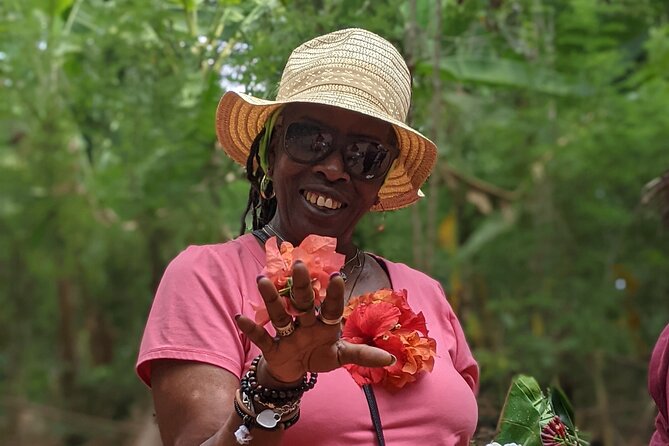
What I liked most is the way the guide brings the plantation to life. You walk through spice gardens and nearby villages while workers handle the plants up close (even climbing trees to reach certain crops), and you get palm-leaf accessories like ties, rings, bracelets, and glasses along the way.
One consideration: it’s a real walk, in real tropical conditions. Bring comfortable walking shoes and plan for warm weather, plus use mosquito repellent since the tour advises it.
In This Review
- Key points before you go
- From Stone Town to the spice fields at 9:00am
- What you’ll actually see on the walking farm tour
- Tastings: fruit, coconut, and spices where they grow
- The lunch is included, and it’s part of the point
- Palm-leaf accessories and the small cultural touches
- Group size, private feel, and what that means for your comfort
- Price and value: what $70 buys you
- Who this spice tour suits best
- Should you book this Zanzibar Spice tour?
- FAQ
- What time does the Zanzibar Spice tour start?
- How long is the tour?
- Is pickup and lunch included in the price?
- How big is the group?
- What should I bring or wear?
- What’s the cancellation rule?
Key points before you go

- Jambo Spice Farm focus: the main stop is Jambo Spice Farm, with a guided walk through spice plantations.
- You taste what you see: fruit and other samples come during the visit, not just at the end.
- Farm workers in action: you’ll watch staff handle plants and cut barks to show how spices are used.
- Palm-leaf accessories: expect small, fun moments like ties, rings, bracelets, and glasses.
- Swahili lunch served by locals: lunch is included, and spices show up in the food.
- Small and private setup: it’s capped at 15 and described as a private activity for your group.
From Stone Town to the spice fields at 9:00am

This tour is built for the morning. Pickup starts around 9:00am, and you’ll transfer from your hotel area over to the farm. The schedule is short and structured, roughly 3 hours total, so it fits neatly into a day when you also want to explore Stone Town’s lanes afterward.
That timing matters in Zanzibar. You get the best chance to enjoy the walk before the hottest part of the day. It also keeps the tour from dragging, which is important because once you’re out at a farm, there’s no “just one more stop” effect. Everything stays centered on the plantation and the meal.
You’ll be with a professional guide who sets the pace. Names that come up in feedback for this experience include Mo (often used as a first-name shorthand) and Mohamed Ally/Ally, and the common thread is clear communication and friendly service. If you like a guide who talks in plain, practical terms—how a plant is grown and how it’s used—you’re likely to enjoy this setup.
You can also read our reviews of more tours and experiences in Zanzibar.



What you’ll actually see on the walking farm tour
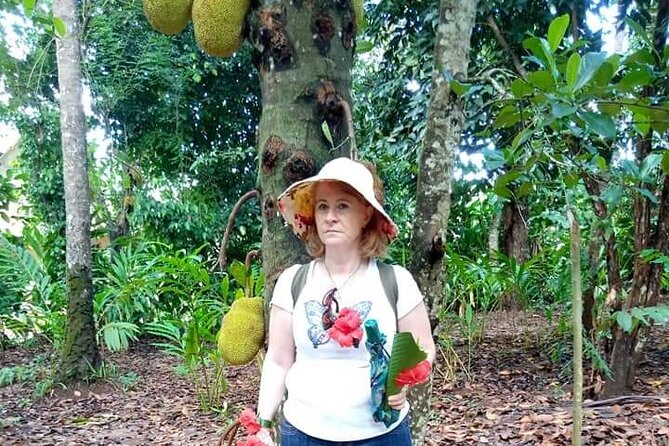
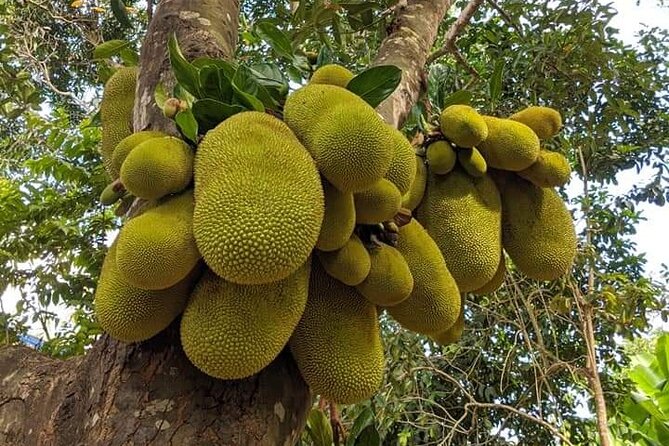
The core of this experience is a guided walking tour through both villages and spice plantations. It’s not a museum. You’re moving along farm paths while the guide points out specific herbs, trees, and plants and explains how spices are harvested and used.
Here’s what makes it feel real:
- Workers show the handling process. The tour description specifically notes workers climbing trees and cutting barks to reach particular plants.
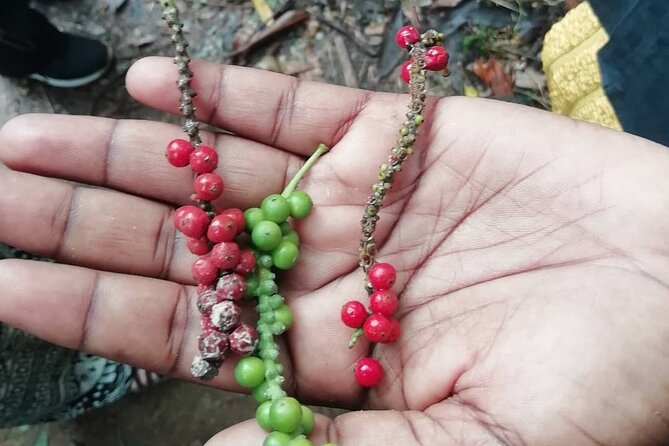
- You’re encouraged to use your senses. The tour is designed so you can see, smell, and taste spices (not just listen).
- The visit connects to everyday life. You’re walking through working areas where spices are part of daily work, not staged for tourists.
In practice, this is where many spice tours either win or lose. If you want vague “this is a spice” talk, you’ll get disappointed. If you want something more concrete—how it grows, how it’s harvested, and why it ends up in food—you’ll probably find the pacing satisfying.
Also, your guide may add small cultural touches. One detail included in the tour description is that you’ll be decorated with palm-leaf accessories like ties, rings, bracelets, and glasses. It’s lighthearted, but it also helps shift the visit from pure sightseeing into something closer to a shared moment on a working farm.
Tastings: fruit, coconut, and spices where they grow
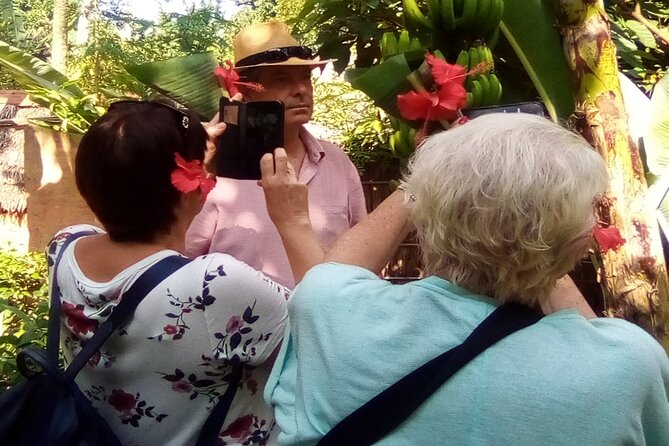
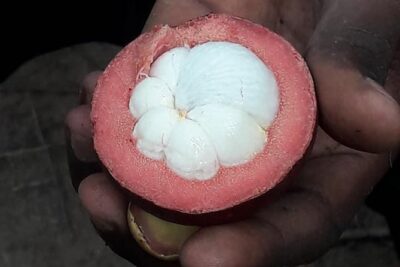
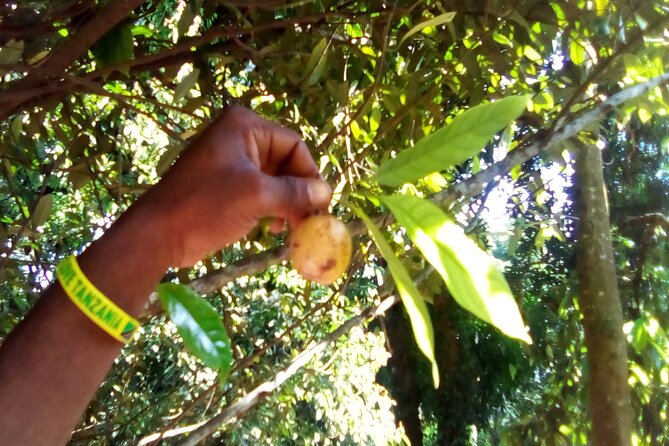
A big part of the value here is the tasting element. The tour doesn’t treat food as an afterthought. During the farm visit, you’ll have opportunities to sample what’s grown there—especially fruits and coconut, plus other spice-related samples as you move through the fields.
Why this matters: spices in Zanzibar aren’t just a souvenir topic. The point is to understand them as ingredients. When you taste fruit and connect it to how a farm works, you start building mental links between plant, flavor, and cooking use.
In feedback, people repeatedly call out the fruit portion as a highlight. One review notes a lunch with lots of fruit as dessert. Another mentions sweet, unique fruit. That matches the idea that the farm’s offerings aren’t limited to a single bite—they tend to show up more than once during the visit.
If you’re picky about guided tours that feel too salesy, this is usually the opposite. The tasting is built into the walk, so you’re not waiting around for the “big push” at the end. Still, expect the usual reality of farm visits: after you finish, there may be chances to buy spices and perfumes at the exit, since some feedback specifically mentions that you can purchase items after the tour.
The lunch is included, and it’s part of the point
You’re invited to lunch after the walk, and it’s included in the price. This isn’t a boxed meal on a timetable—it’s described as a traditional Swahili lunch served by locals at the farm.
The best way to think about this meal is as the “spice in action” portion of the day. The tour description states you’ll get a real taste of spices in the food, which is exactly what you want after a sensory walk through herbs and trees. It’s a chance to experience how flavors show up when they’re combined—not just smelled or identified one by one.
In the reviews provided, lunch repeatedly shows up as a strong point. Multiple comments describe an amazing lunch with lots of food, and at least one specifically mentions fruit served afterward or as part of the meal experience. Another review frames it as a memorable meal tied to learning uses of spices in cooking.
A practical note: since lunch is included, you don’t need to scramble for food once you’re done. That’s one of the simplest ways this tour brings value—less planning for you, and a meal that fits the theme of the day.
Palm-leaf accessories and the small cultural touches
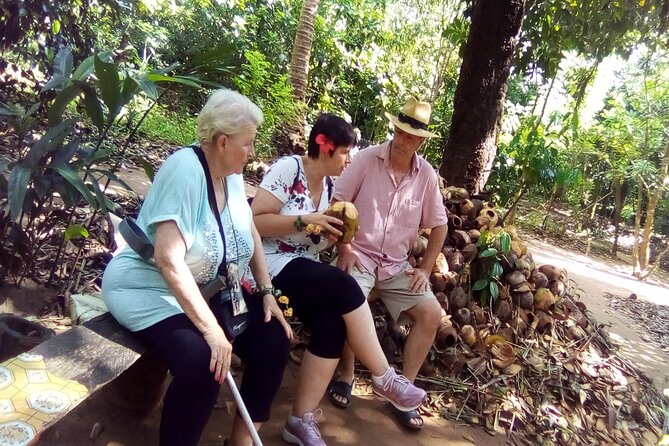
One of those “you’ll remember this later” details is the palm-leaf decoration. The tour includes accessories like ties, rings, bracelets, and glasses. It’s not a grand ceremony, but it makes the farm visit feel less like a lecture and more like a shared experience.
You might also notice that the tour is designed as a walking narrative: the guide introduces plants and harvesting methods, then adds small moments that keep the energy light. That’s a smart approach on a farm tour because it reduces the chance of fatigue. If the whole experience were just walking and talking, it would be easier to get bored. The accessories and tastings break up the time in a way that feels friendly rather than forced.
Some feedback also mentions getting gifts made in front of you. That aligns with the idea that there’s at least one hands-on or visible craft element, so don’t be surprised if there’s a little making-and-giving moment toward the end.





Group size, private feel, and what that means for your comfort
This is capped at 15 participants, and it’s described as a private activity for your group. For you, that usually translates into two good things:
1) less waiting around for stragglers, and
2) a higher chance your guide can respond when questions pop up.
Even with a small cap, you should still treat this as an outdoor walking experience. Paths can be uneven, and you’ll likely spend time standing close to plants and sampling foods. If you hate heat, plan your water intake. If you don’t like bugs, the tour recommends mosquito repellent—so bring it.
The tour also suggests you wear a long outfit. That’s not just for modesty or style. It helps with sun and bug protection at the farm.
Price and value: what $70 buys you
At $70 per person, this tour sits in the “mid-range” zone for Zanzibar experiences. The key is what’s included. You get:
- Pickup and drop-off
- A professional tour guide
- Fees and taxes
- Lunch served by locals
- Admission tied to the farm visit
When a tour includes pickup, guide time, and lunch, the price becomes easier to justify because you’re not layering extra costs later. If you tried to DIY it with taxis and then pay separately for a guide and a meal, you’d likely spend more than you expect, especially in an area like Stone Town where traffic and timing can add friction.
So the value call comes down to your style. If you love food, herbs, and hands-on travel, this price can feel fair. If you’re mostly looking for beach time or you don’t care about spices beyond a souvenir shop, you might feel like the tour is too “food-and-farm focused.”
Who this spice tour suits best
This is a great fit if you:
- want a short, meaningful half-day from Stone Town
- like learning how real ingredients grow and get used
- enjoy tasting fruit and spices in context
- prefer small groups and direct guide interaction
It’s also a solid choice for couples. One review notes a nice small group, even down to two people, which is the kind of intimacy that can make the guide feel more like a host than a lecturer.
If you’re traveling with kids, you’ll need to judge based on how long your group can handle a walking tour in warm weather. The good news is the accessories and tastings can keep interest up.
If you’re someone who hates walking or has mobility issues, you should be cautious, since comfortable walking shoes are specifically suggested and the route includes farm walking and village passages. The data you have doesn’t specify step-free routes.
Should you book this Zanzibar Spice tour?
If your goal is to understand Zanzibar’s “Spice Island” nickname in a way that goes beyond a shop counter, I’d book it. This tour is built around what you can smell, see, and taste—then you finish with a Swahili lunch where spices show up in the food, which makes the learning stick.
I’d hold off only if you’re expecting a quick bus ride with minimal walking and zero food focus. This tour is food-and-farm centered by design.
One last practical tip: pack for bugs and sun. The tour explicitly recommends mosquito repellent, a long outfit, and walking shoes. Do that, and the experience tends to feel smooth.
FAQ
What time does the Zanzibar Spice tour start?
The tour start time is 9:00am, with pickup from your hotel at that time.
How long is the tour?
The duration is about 3 hours.
Is pickup and lunch included in the price?
Yes. The package includes pickup and drop-off, a professional guide, and lunch served by locals at the farm.
How big is the group?
The tour keeps group sizes capped at 15 participants. It’s also described as a private activity for your group.
What should I bring or wear?
Wear comfortable walking shoes, a long outfit, and bring mosquito repellent.
What’s the cancellation rule?
You can cancel for a full refund up to 24 hours before the experience starts. If you cancel less than 24 hours in advance, you won’t be refunded.