REVIEW · ZANZIBAR
Stone Town Foodie Walk
Book on Viator →Operated by Grassroots Traveller · Bookable on Viator
Stone Town tastes better on foot. This small-group Stone Town Foodie Walk blends UNESCO-era sights with real street-food stops and a history lesson you can eat. You start at Forodhani Gardens, snack on sweets, and sip traditional coffee with the Indian Ocean in view.
I love how the tastings aren’t random: you’ll try items like boflo bread, an Indian-style Urojo mix, and hand-pressed sugarcane juice, then keep going into the inner streets for local food joints and seasonal fruit. One thing to plan for: the tour is only 2–3 hours and there’s no lunch, so you’ll want to come hungry (and wear comfy shoes, since it’s a walk).
In This Review
- Key highlights worth showing up for
- Forodhani Gardens: your morning/afternoon “food map” starts here
- Stone Town’s food story: why the flavors make sense
- Tastings you’ll actually remember (and what they teach you)
- Market stop and seasonal fruit: where local shopping becomes tasting
- Inner Stone Town walking: finding local food joints without guessing
- How the price stacks up for $40 (and why it can be good value)
- Meet the guides and why their approach matters
- What you should pack and plan for
- Who should book this Stone Town Foodie Walk
- Should you book it?
- FAQ
- How long is the Stone Town Foodie Walk?
- What does the tour cost?
- How big is the group?
- Where does the tour start and end?
- What food and drinks are included in the tastings?
- Is lunch included?
- Is hotel pickup included?
- What’s the cancellation policy?
Key highlights worth showing up for
- Forodhani Gardens coffee briefing over sweet snacks before you hit the alleys
- Small group max of five, so you’re not getting rushed through food stops
- Signature tastings like boflo bread, Urojo mix, and sugarcane juice
- A local food market visit with seasonal tropical fruit samples
- UNESCO Stone Town walking route focused on food influences and places locals eat
Forodhani Gardens: your morning/afternoon “food map” starts here
Most food tours jump straight into tasting. This one begins with context, right at Forodhani Gardens, where you get a short briefing with traditional coffee and sweet snacks while looking out over the Indian Ocean. It’s a great mental setup. Before you try anything, your guide gives you a framework for what you’re about to see.
That matters in Stone Town, because the flavors come from contact—trade, migration, and colonial-era influences from the region and beyond. You’ll hear the ideas behind the food as you walk, so you start noticing what changed and what stayed local. By the time you reach your first proper tasting stop, you’re not just eating. You’re connecting the dots.
Practical note: dress for the local culture. The tour asks for casual clothing that covers shoulders and knees. It’s not a fashion moment; it’s a comfort-and-respect thing, especially in warm weather and during longer stretches on foot.
You can also read our reviews of more walking tours in Zanzibar



Stone Town’s food story: why the flavors make sense
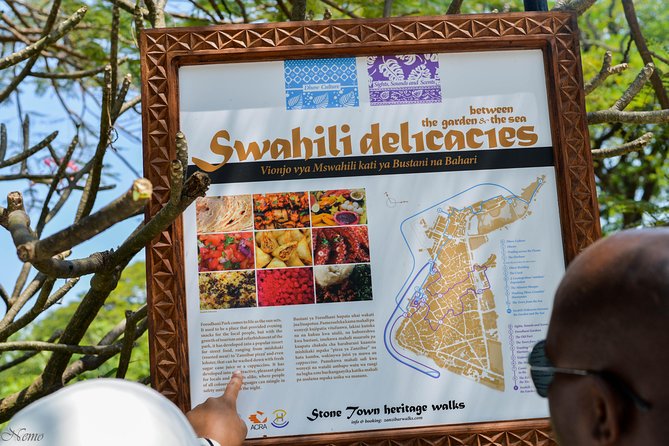
Stone Town is a UNESCO World Heritage Site, but the real magic for me is how food tells the history in plain terms. Your guide walks you through the truth behind the many food influences on Zanzibar—shaped by former colonizers and nearby neighbors. You don’t need a textbook. You just need the patience to listen for a few key moments while you’re walking.
As you move through the “inner Stone Town” streets, you’ll learn why certain ingredients, cooking styles, and street snacks show up where they do. It’s the kind of history that sticks because it’s tied to taste and daily life.
And it’s not only about what you’re eating. Your guide also points out the local logic of the best local food joints—the places you’d likely miss if you only used a main-road map. That’s where the tour feels worth the time. You come away with a clearer sense of where to go next, even after the walk ends.
Tastings you’ll actually remember (and what they teach you)
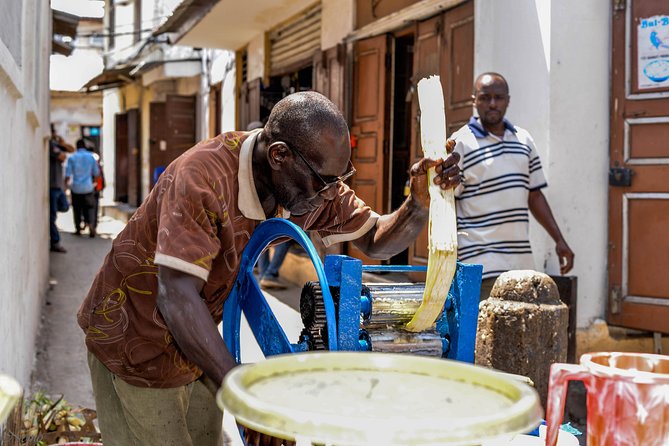
This is a tasting tour, not a “look but don’t eat” stroll. The guide builds in multiple samples so you can compare flavors and understand what each stop represents.
Here are the highlights you can expect:
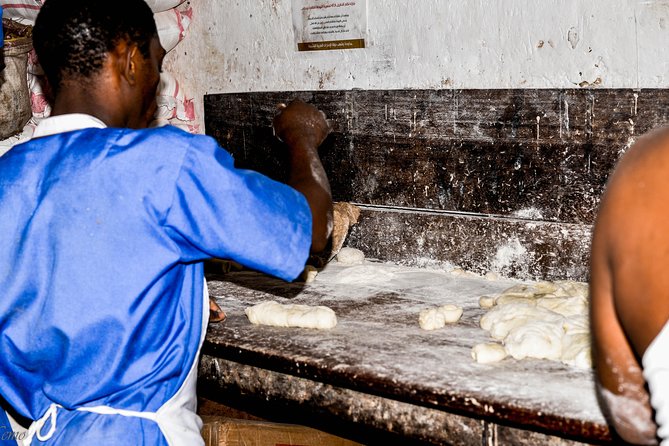
- Boflo bread from a local bakery: it’s one of those foods you taste and immediately want to know more about. Bread isn’t just bread here—it’s part of the way meals travel and adapt.
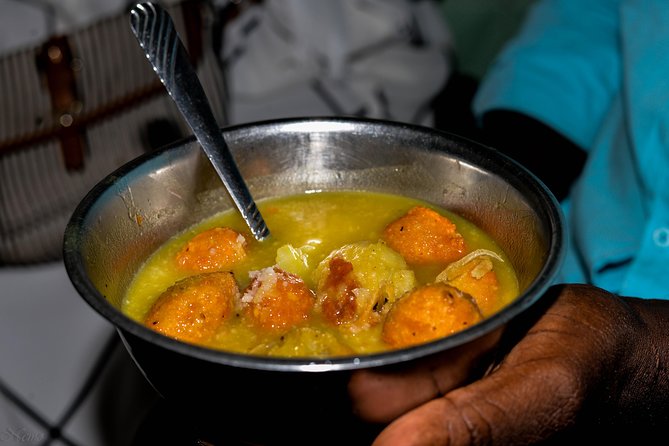
- Indian Zanzibar Urojo mix: this gives you a signature Zanzibar-meets-regional flavor profile. If you like exploring sauces, spices, and street-food comfort, this is the stop that often gets people talking afterward.
- Hand-pressed sugarcane juice: sweet, straightforward, and very “Zanzibar” in feel. It also works as a reset between tastings so you don’t get overwhelmed by sugar or spice back-to-back.
You’ll also get snacks as part of the early briefing, plus bottled water during the walk. That small detail helps a lot in the heat. Stone Town can feel warmer than you expect, especially if your route has tight streets and frequent stops.
Two smart tips I’d follow:
- Don’t plan a full meal right before the tour. Since there’s no lunch included, the tasting portion is your main food event.
- Keep your expectations realistic: you’re sampling, not stuffing yourself into a sit-down restaurant meal. The payoff is variety and context.
Market stop and seasonal fruit: where local shopping becomes tasting
You’ll visit a food market and taste seasonal tropical fruits. This is a key part of why the tour feels grounded. A market isn’t just scenery; it shows what people choose when they’re shopping for real life.
In practice, this stop helps you connect two things:
1) what’s available seasonally, and
2) how local fruit fits into everyday eating rather than fancy dining.
If you’re the kind of traveler who likes to buy a few things you can’t easily find at home—spices, fruit you haven’t tried, simple snack ingredients—this market moment is useful even after the tour. It gives you a feel for what to look for as you explore independently.
Inner Stone Town walking: finding local food joints without guessing

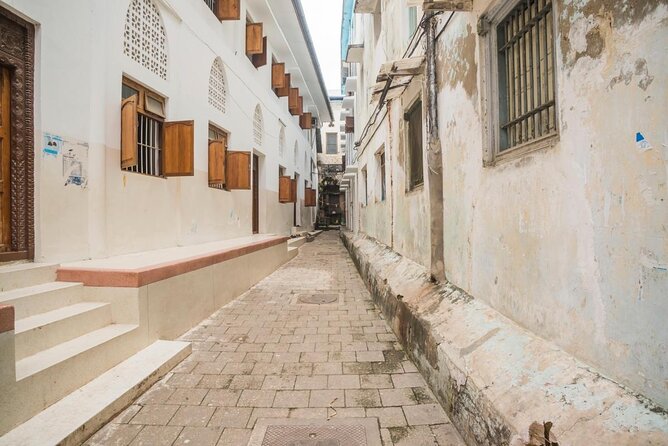
The walking part is the point. The tour includes a 3-hour walking tour through Stone Town with a trained guide, with time spent in inner streets where the food culture shows up in small, specific ways.
A big advantage here is the group size. The experience caps at a maximum of five travelers, which changes the vibe. You’re more likely to get thoughtful answers from your guide, and the pacing feels flexible enough to ask follow-up questions instead of being herded along.
It’s also helpful for navigating Stone Town’s layout. The streets can be confusing fast—especially if you’re juggling heat, aromas, and the sheer number of storefronts. Having someone who can lead you to the places locals actually use takes pressure off you. You spend your energy tasting and learning instead of constantly figuring out where you are.
One more practical detail: the tour asks for moderate physical fitness. That generally means you should be comfortable walking at a steady pace for a few hours. If you’re dealing with mobility issues, you might want to ask the provider what the route involves—because it’s Stone Town, and it’s not designed for long-wheelchair-only paths in every area.
A few more Zanzibar tours and experiences worth a look


How the price stacks up for $40 (and why it can be good value)
At $40 per person, this tour sits in a very reasonable zone for a guided tasting experience in a high-demand UNESCO area. What makes it feel like value is the mix:
- multiple tastings (coffee sweets, boflo bread, Urojo mix, sugarcane juice, market fruit),
- a professional guide focused on food history and practical local knowledge,
- bottled water and snacks,
- and a route that ends near Darajani after you’ve explored inside Stone Town.
Also, the group size keeps costs from becoming a “quick one-and-done” route. With up to five travelers, you’re not just paying for ingredients. You’re paying for guidance that helps you understand what you’re tasting and where to go afterward.
About pickup: the experience includes pickup and drop-off from designated meeting points. Hotel pickup and drop-off in Stone Town is listed as extra cost for private tours only, and pickup from beach hotels is also extra cost. If you want this door-to-door convenience, you’ll want to confirm the exact pickup option that matches your lodging. It’s worth it because it reduces friction on a day when you’ll be walking anyway.
Meet the guides and why their approach matters
A food walk lives or dies on the guide. This tour is run by Grassroots Traveller, and you’ll see in past experiences that guides bring both timing and personality.
One example: Haj is repeatedly praised for being early and taking people through Stone Town while giving clear Zanzibar history and steering guests to off-the-beaten-path food vendors. Another guide you may meet is Mussawir, described as great at introducing the range of food Zanzibar offers, plus helpful history and tips for navigating Stone Town.
Why that matters for you: when a guide can explain food influences while also pointing you to smaller local spots, you feel like you’re getting a map and a meal. You leave knowing what to try next, not just having a list of bites.
What you should pack and plan for

This tour doesn’t ask you to be a marathon runner, but you are walking and sampling in warm conditions.
Bring:
- Comfy shoes you can walk in for a few hours on uneven or tight streets
- Something light that still meets the shoulders-and-knees guideline
- A small amount of flexibility with meal timing since there’s no lunch included
Plan:
- Try not to schedule a heavy meal right before the tour. Since you’ll be tasting, you’ll enjoy everything more when your stomach isn’t already full.
- If you’re sensitive to spice, you can always ask your guide what’s likely hotter or stronger before taking a big bite. The tour is small enough that questions should be easy to ask.
Who should book this Stone Town Foodie Walk
This is a great fit if:
- You want Stone Town guidance that focuses on food culture, not just monuments
- You enjoy street food and want to try things you might not choose on your own
- You like tours where the group stays small, so the guide can tailor explanations
- You’re looking for a practical “first day in Stone Town” activity that helps you orient fast
It may be less ideal if:
- You’re strictly avoiding walking or long stints on foot
- You’re expecting a full sit-down lunch (this is tastings only)
- You need guaranteed hotel pickup included in the base price (pickup details depend on tour type and your hotel area)
Should you book it?
In my view, yes—if you like food and you’re ready to use Stone Town’s streets like a living classroom. The combination of Forodhani Gardens coffee briefing, specific tastings (boflo bread, Urojo mix, sugarcane juice), a market fruit stop, and a small-group pace is exactly the kind of value that makes a short tour feel like a real experience.
If you do book, come hungry, dress for respect, and be ready to walk. You’ll come away with more than snacks—you’ll understand why Zanzibar’s food tastes the way it does, and you’ll have better instincts for where to eat next in Stone Town.
FAQ
How long is the Stone Town Foodie Walk?
It runs for about 2 to 3 hours.
What does the tour cost?
The price is $40.00 per person.
How big is the group?
The tour is limited to a maximum of five travelers.
Where does the tour start and end?
It starts at Forodhani, Zanzibar, Tanzania and ends at Darajani, Zanzibar, Tanzania.
What food and drinks are included in the tastings?
You’ll have traditional coffee with sweet snacks at the start, plus tastings that include boflo bread, Indian Zanzibar Urojo mix, hand-pressed sugarcane juice, and seasonal tropical fruits at a food market.
Is lunch included?
No, lunch is not included.
Is hotel pickup included?
Pickup and drop-off from designated meeting points are included. Hotel pickup and drop-off in Stone Town (and from beach hotels) can be included only with extra costs, depending on the tour type.
What’s the cancellation policy?
You can cancel for a full refund if you cancel at least 24 hours before the experience starts.