REVIEW · ZANZIBAR
Spice Tour Zanzibar
Book on Viator →Operated by HALISI AFRICA TOURS · Bookable on Viator
Spice smells better in the field. This 3-hour Spice Tour Zanzibar takes you from Stone Town to Zanzibar Spices and Heritage Centre, where you can touch, smell, and taste herbs right where they grow. You also get hotel transfers included, so you’re not burning time figuring out transport.
My favorite part is how practical it feels: you’re not just watching a lesson, you’re handling crushed leaves, barks, roots, and vines and trying to match smells to spices. The guide I had, Salum, mixed facts with hands-on moments like a coconut harvesting demo and farm fruit tastings. One thing to keep in mind: lunch isn’t included, so plan to eat before you go (or bring a quick snack if you’re the hungry type).
In This Review
- Key Things to Know Before You Go
- Why Zanzibar’s Spice Farm Tour Beats a Museum Stop
- Meeting in Stone Town: Pickup, Timing, and the 3-Hour Rhythm
- Zanzibar Spices and Heritage Centre: What Happens During the Walk
- More Than Spices: Coconut Demo, Fruit, and Farm Crafts
- Price and Value: Getting Transfers, Water, and a Real Guide
- What’s Included (and What’s Not) So You Can Plan
- Who This Spice Tour Zanzibar Fits Best
- Should You Book Spice Tour Zanzibar?
- FAQ
- How long is the Spice Tour Zanzibar?
- Where does the tour start and end?
- Is pickup offered from Stone Town hotels?
- What’s included in the price?
- Is lunch included?
- What group size should I expect?
- Do I need a mobile ticket?
- What happens if the weather is bad?
- How much does it cost?
Key Things to Know Before You Go
- Small-group size (up to 9) means you’re easier to talk with and your guide can slow down for questions.
- Transfers from Stone Town hotels cut down stress and keep the day on schedule.
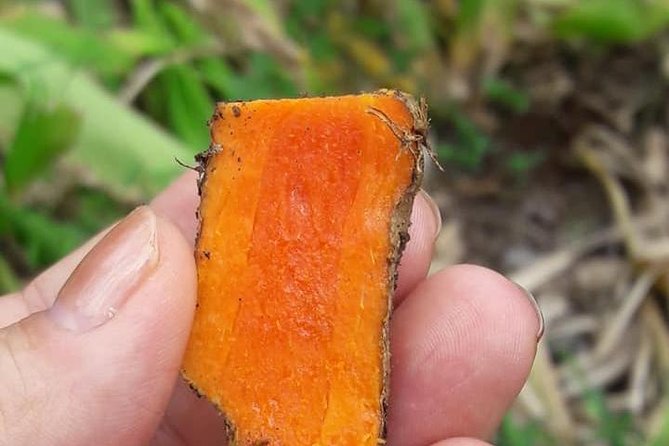
- Touch-smell-taste spice walking is the whole point, and you’ll handle plant parts as you learn.
- Mineral water is provided, so you can focus on the tour instead of hunting for drinks.
- Coconut harvesting demo and local fruit show how the farm works beyond just spices.
- Farm-made items like a handwoven crown and basket can be part of the experience, depending on what’s offered that day.
Why Zanzibar’s Spice Farm Tour Beats a Museum Stop

Zanzibar’s nickname, Spice Island, isn’t just marketing. On this tour, the spices are the lesson and the setting is the classroom. You’ll walk a real plantation with a guide and learn how the plants are grown, harvested, and used—often in food and drinks, and also in traditional medicine.
What I like is that you don’t have to be a “plant person.” You just follow along and use your senses. One minute you’re sniffing crushed leaves; the next you’re tasting something and trying to guess which spice it is. If that sounds a little like a game, good—that’s where the learning sticks.
The tour also connects Zanzibar to trade history without drowning you in it. You’ll hear how spices like cloves, vanilla, nutmeg, and cardamom were exported around the world, and that many spices came from places in Asia and South America before flourishing in Zanzibar’s climate. You get context, then you get moving.
You can also read our reviews of more tours and experiences in Zanzibar.



Meeting in Stone Town: Pickup, Timing, and the 3-Hour Rhythm
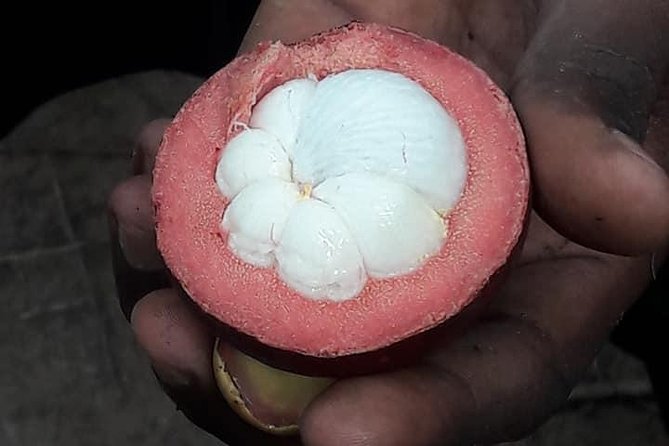
This is built around an easy Stone Town start. You’ll meet at Tembo House Hotel near Shangani Street / Forodhani Street, and the experience ends back at the same meeting point. Transfers are offered from Stone Town hotels, and you ride in an air-conditioned vehicle, which matters in Zanzibar when the sun gets serious.
Plan for a 3-hour tour, and treat it like a focused outing rather than a full day excursion. That short time is part of the value—you’ll see the farm experience without losing your whole afternoon. It’s also long enough to learn, taste, and do the demo moments that make the tour feel lively.
Because this is a farm visit, good weather matters. If conditions are poor, the tour may be rescheduled or you may get a full refund. I’d treat this like something you don’t want to stack with another big plan for the exact same window.
Zanzibar Spices and Heritage Centre: What Happens During the Walk
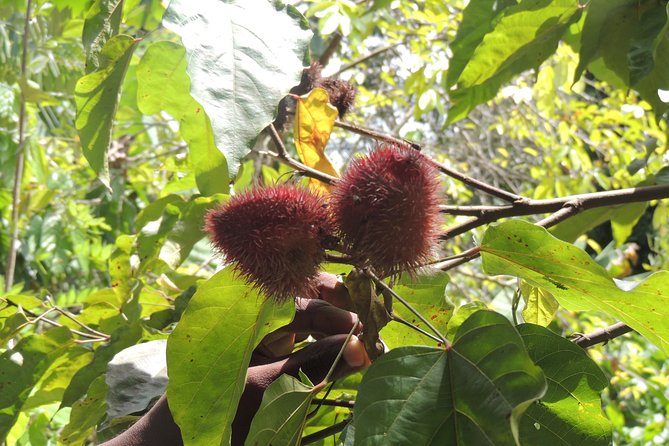
The main stop is Zanzibar Spices and Heritage Centre, where you’ll do the plantation walk with your guide. The guide-led route is sensory, not just visual. You’ll be shown different plants and then asked to identify them by smell and taste—often using crushed leaves, barks, roots, vines, and creepers that climb trees.
This is where the tour earns its keep. Seeing spices in jars is one thing. Handling plant parts is another. The “touch, smell, taste” approach helps you understand why certain spices show up in cooking in the first place. You learn about their properties, their origins, and their uses in foods and drinks—and the tour also mentions use as medicines.
Here’s what you can expect in a typical moment on the walk:
- Your guide points out a plant and explains what part to look for.
- You crush or sample something on the spot (when the tour allows it).
- You match the smell to what you think it is, then confirm with the guide.
- You move on, with the next plant adding another layer.
It’s a simple format, but it keeps your brain engaged. And if you’re the type who forgets names, don’t worry. The experience trains you through scents, not lectures.
More Than Spices: Coconut Demo, Fruit, and Farm Crafts
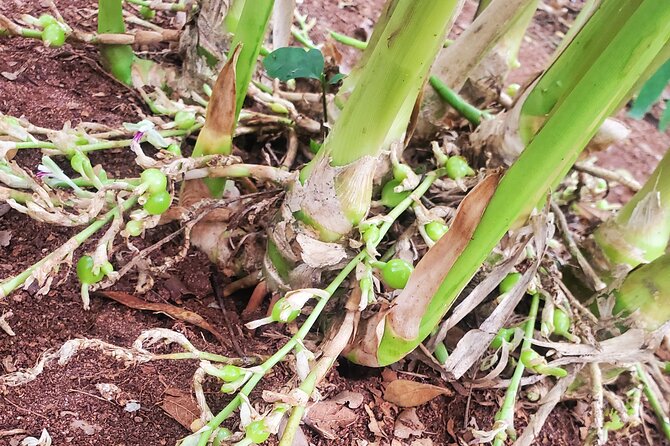
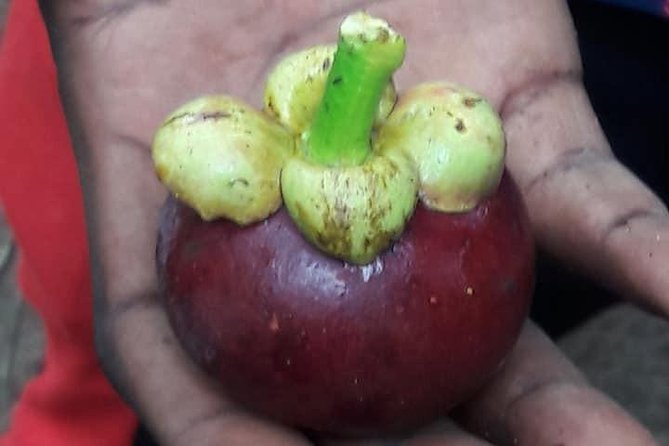
The spice walk is the centerpiece, but the most memorable extras are the hands-on demo and farm flavor moments. In one review experience, Salum led a coconut harvesting demo, and there were local fruit tastings from the farm.
This part matters because it shows how the farm functions as a whole system, not just a row of display plants. Coconuts and fruit connect to daily life, and you start to understand the farm as food production, not a scripted show.
You may also encounter farm-made items as part of the visit, including a handwoven crown and basket made from leaves. Even if you don’t buy anything, it helps you see what materials the farm can provide besides spices. It’s a good reminder that these plants have many uses.
Price and Value: Getting Transfers, Water, and a Real Guide
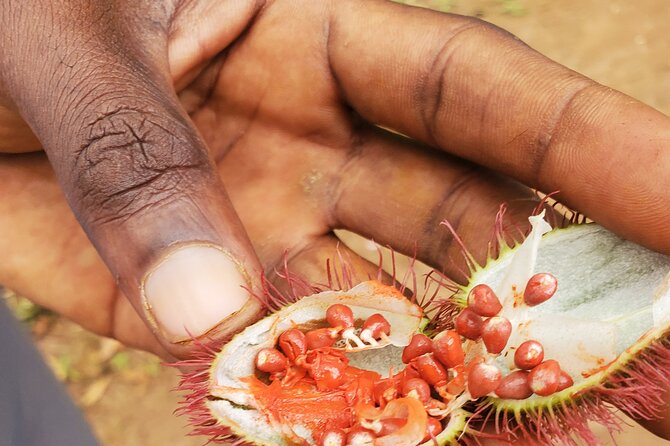
At $70 per person for a 3-hour outing, you’re paying for three things: access, convenience, and the guided experience. The good news is that the tour includes practical extras that usually cost more when you book separately.
Your included items (per the tour details):
- Air-conditioned vehicle
- All fees and taxes
- Mineral water
The itinerary summary also indicates an admission ticket is included. So you’re not just paying for a guide and a walk—you’re paying to get into the spice farm experience itself.
Also, with a maximum of 9 travelers, you’re not lost in a big crowd. That small size is a real value driver. When you have hands-on tasting moments, you want space to ask questions and to actually get the attention you paid for.
One more value note: this tour is often booked about 26 days in advance on average. That’s a gentle hint that spots can fill up, especially for afternoons. If you’re traveling during peak times, booking earlier usually saves stress.






What’s Included (and What’s Not) So You Can Plan
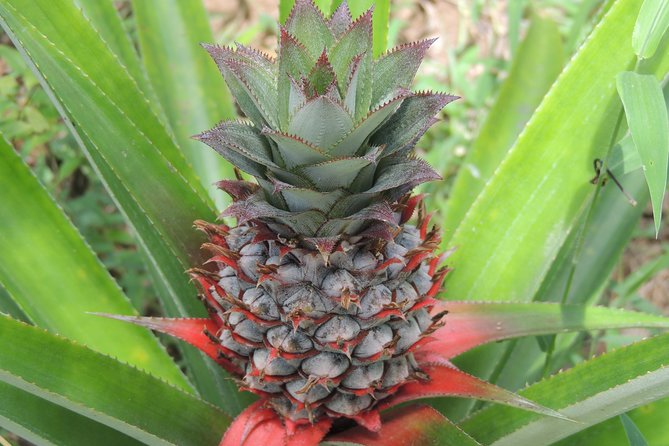
You’re covered for the basics: mineral water, an admission ticket, and the vehicle with all fees and taxes. You also get the hotel pickup/transfer from Stone Town, and you’ll use a mobile ticket.
What’s not included is just as important:
- Tips aren’t included.
- Lunch isn’t included.
For tips, I’d budget for it mentally, even if you don’t decide the exact amount until the end. For lunch, your best move is simple: eat beforehand. This tour is short, and once you’re tasting spices, you don’t want your afternoon ruined by hunger.
Who This Spice Tour Zanzibar Fits Best
This tour is a strong match if you want something hands-on in Zanzibar without a huge time commitment. It works especially well for:
- People who like interactive learning (touch, smell, taste).
- Short-afternoon planners who still want a meaningful excursion.
- Travelers who prefer small groups over long waits and big crowds.
- Anyone curious about spices beyond the cooking section—plants, origins, and uses.
If you’re looking for a long, multi-stop day with lots of driving, this may feel a bit short. But if you want a focused spice-farm experience in about three hours, it fits nicely.
Should You Book Spice Tour Zanzibar?
I think you should book this tour if you want a real spice farm experience with hotel transfers, a small group, and the chance to learn with your hands and nose. The price makes sense when you factor in what’s included—vehicle, admission, water, and guide time—plus the fact that you’re not stuck solving logistics.
Skip it only if you’re hoping for a full-day adventure or you absolutely need lunch included. Otherwise, it’s a smart way to spend an afternoon in Stone Town without turning it into a complicated day.
FAQ
How long is the Spice Tour Zanzibar?
The tour lasts about 3 hours.
Where does the tour start and end?
It starts at Tembo House Hotel near Shangani Street / Forodhani Street in Zanzibar and ends back at the meeting point.
Is pickup offered from Stone Town hotels?
Yes. Transfers from all Stone Town hotels are included.
What’s included in the price?
The tour includes an air-conditioned vehicle, all fees and taxes, and mineral water. An admission ticket is included as well.
Is lunch included?
No. Lunch isn’t included.
What group size should I expect?
The tour has a maximum of 9 travelers.
Do I need a mobile ticket?
Yes. A mobile ticket is provided.
What happens if the weather is bad?
This experience requires good weather. If it’s canceled due to poor weather, you’ll be offered a different date or a full refund.
How much does it cost?
It costs $70.00 per person.