REVIEW · ZANZIBAR
Zanzibar Stone Town Walking Tour
Book on Viator →Operated by Kassim kindness official tour guide · Bookable on Viator
Stone Town makes sense fast on foot. I love having Kassim as a guide, because he turns Zanzibar history (including the hard parts of the slave trade) into stories you can actually follow, and I also like that some entrances are included so you’re not stopping mid-tour to sort tickets. The one catch: the Freddie Mercury Museum admission is not included, so you’ll likely pay extra if you want to go inside.
This is a private walking tour in Stone Town, booked for a short, focused window of about 2–3 hours. You pick a departure time from several options, and you’ll get a mobile ticket for easy check-in.
You meet at Forodhani Park in Stone Town, then head into the tight streets and open courtyards where the city feels alive. With only your group, the pace is adjustable, and you can ask questions as you go—especially helpful in a place where it’s easy to get turned around.
In This Review
- Key Highlights You’ll Care About
- Getting Oriented at Forodhani Park (and Why That Matters)
- Price and Value: Is $25 Worth a 2–3 Hour Walk?
- A Private Tour That Actually Feels Private
- Stop 1: House of Wonders (Beit-el-Ajaib) and the Name Behind It
- Stop 2: Old Fort (Ngome Kongwe) and the Chapel-Theatre Wall Details
- Stop 3: Freddie Mercury Museum—How to Decide on the Extra Ticket
- The Real Value: Storytelling That Connects Trade, Slavery, and Daily Life
- Walking the Alleys: Pacing, Comfort, and Getting Unlost
- Beyond the Stops: Markets and the Human Side of Stone Town
- Language and Communication: It Starts Before You Meet
- A Note on the Guide: Kassim Goes the Extra Mile
- Practical Tips Before You Book
- Should You Book This Stone Town Walking Tour?
- FAQ
- How long is the Zanzibar Stone Town Walking Tour?
- What is the price per person?
- Is this a private tour?
- Where does the tour start?
- What main sights are visited?
- Are entrance fees included?
- Is transportation included?
- How do I get the ticket?
- How soon is the tour usually booked?
- What is the cancellation policy?
Key Highlights You’ll Care About
- Private, only your group: you get flexibility instead of a rigid group shuffle.
- Professional guide with clear storytelling: history connected to everyday life in Zanzibar.
- House of Wonders and Old Fort have included access: fewer add-on surprises.
- Short stops, smart route: you cover major sights without losing the afternoon.
- Freddie Mercury Museum is optional financially: plan for the separate ticket cost.
- Easy meeting point: start at Forodhani Park, a well-known hub.
Getting Oriented at Forodhani Park (and Why That Matters)
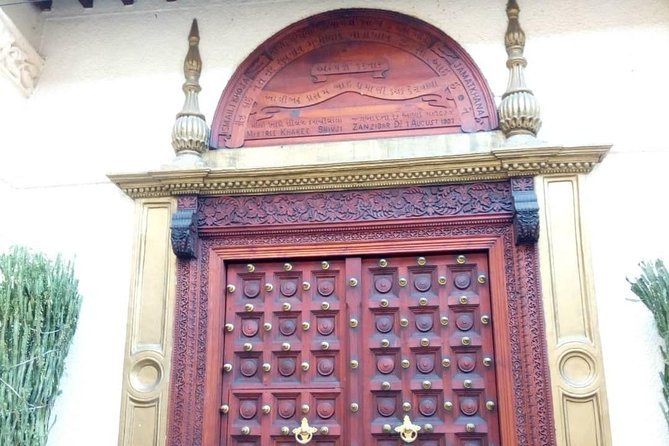
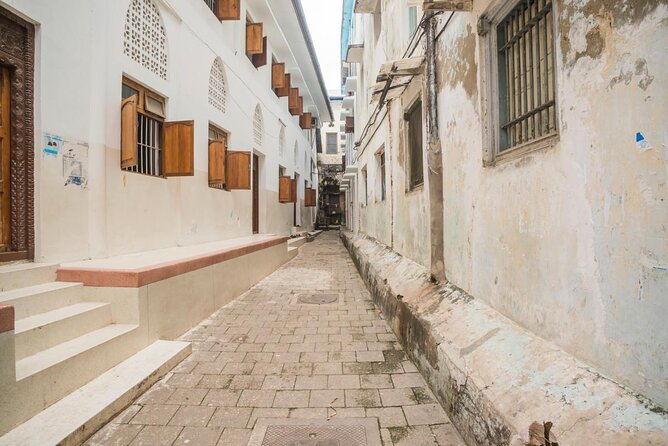
If you’ve ever wandered Stone Town for an hour and realized you’re not making progress, you’ll understand why a guide helps. Stone Town can feel like a maze—narrow lanes, sudden turns, and buildings that look similar until someone points out the differences. Starting at Forodhani Park puts you in a good rhythm: you begin in a recognizable public area, then move into the older streets with context.
I like that the tour is designed around a short time window. About 2–3 hours sounds brief, but it’s a smart length for Stone Town, where concentration matters. You don’t want to burn half your day trying to figure out what you’re actually looking at.
Another practical win: it’s described as near public transportation. So if you’re arriving by taxi or local transport, you’re not spending the whole morning stuck on logistics. And because it’s private, you’re not competing for the same side of the street with everyone else.
You can also read our reviews of more walking tours in Zanzibar


Price and Value: Is $25 Worth a 2–3 Hour Walk?
Let’s talk money plainly. The tour costs $25 per person, and it’s built around a professional guide plus entrance access for at least some stops. For Stone Town, where guides often charge extra once you start adding museum tickets, this setup is decent value because you’re not paying for everything twice.
Here’s how the value holds up in real life:
- You’re paying for interpretation, not just someone walking next to you. The top-rated feedback emphasizes how well the guide breaks down Zanzibar’s story and slavery-era history in a way that stays understandable.
- Two key stops have included admission. That lowers the “nickel-and-dime” factor.
- Freddie Mercury Museum is extra. So your final cost depends on whether you want that museum included in your day.
If you’re trying to do Stone Town efficiently—see the big sights, understand what you’re looking at, and still keep the rest of your day open—this price feels fair. If you’re only interested in one museum and you’d rather DIY everything else, then you might compare costs. But for most people, the guide’s storytelling saves time and confusion, which is the real hidden cost of DIY wandering.
A Private Tour That Actually Feels Private

“Private tour” is a phrase that can mean anything. Here, it reads like you’ll have only your group with the guide. That changes everything in a maze of alleys.
First, you can set your own tempo. The feedback highlights pacing that doesn’t feel rushed. In a place like Stone Town, where there’s a lot to look at and you might want to stop for photos or ask one more question, being time-boxed by a group can be frustrating. A private format helps you avoid that.
Second, you can ask direct questions without feeling like you’re holding up the schedule. The best part of this tour, according to the strong reviews, is how the guide answers questions and ties Zanzibar’s story into bigger world history—so the details don’t feel random.
Finally, private means you can adjust the route if something is especially important to you. One review mentioned the guide going off-script to handle a special request. Even if your request is small—like spending an extra minute at a stop you care about—that kind of flexibility is what you’re paying for.
Stop 1: House of Wonders (Beit-el-Ajaib) and the Name Behind It

The tour starts with the House of Wonders (Beit-el-Ajaib). This stop is free for admission, which is a helpful start because it sets expectations early: you begin with a major site and one that’s easier on the budget.
What makes this visit feel meaningful is not just the building itself—it’s the story behind the name. The tour focuses on why it’s called House of Wonders, which matters because Stone Town’s architecture is tied to trade, power, and mixed cultural influences. When you know the background, you start noticing details instead of just seeing stone walls and doors.
One drawback to know upfront: the time at each planned stop is short (the schedule shows brief visits). So think of Beit-el-Ajaib as a high-impact introduction, not a slow museum-style read. If you want longer time inside or you’re the type who reads every panel, you may want to plan a follow-up visit on another day.
Stop 2: Old Fort (Ngome Kongwe) and the Chapel-Theatre Wall Details

Next comes the Old Fort (Ngome Kongwe), another admission-included stop. The emphasis here is specific: you’ll see the original wall tied to the chapel and the theatre.
That kind of detail is what turns a fort into more than a quick photo stop. Forts in Stone Town aren’t just about defense; they’re also about how communities and power were organized. When the guide points out where chapel and theatre elements connect to the original wall, you get a clearer picture of how daily life and authority overlapped.
As with the first stop, expect a brief timed look. This isn’t a half-day fortress tour. But the upside is that you’ll keep moving while the story stays fresh. In a city full of similar-looking buildings, the short, focused approach helps you build mental landmarks fast.






Stop 3: Freddie Mercury Museum—How to Decide on the Extra Ticket

The Freddie Mercury Museum is the one place where admission is not included. That’s the tour’s clearest “budget decision point.”
Should you go in? If you already know Freddie Mercury’s connection to Zanzibar, you’ll likely want the museum visit for the personal-and-cultural angle it adds. If you’re less interested in the music side, you can still appreciate why it matters as a global reference point for Stone Town—without turning your day into a ticketed museum marathon.
Because the scheduled visit is short, your experience will depend on how focused you are on exhibitions. If you decide to pay for admission, go in with a quick goal in mind: learn the connection, see the main displays, and come back out with one or two stories you can carry forward.
Also, plan for the financial reality. Freddie Mercury Museum admission not included means your total day cost depends on whether you choose to step inside.
The Real Value: Storytelling That Connects Trade, Slavery, and Daily Life
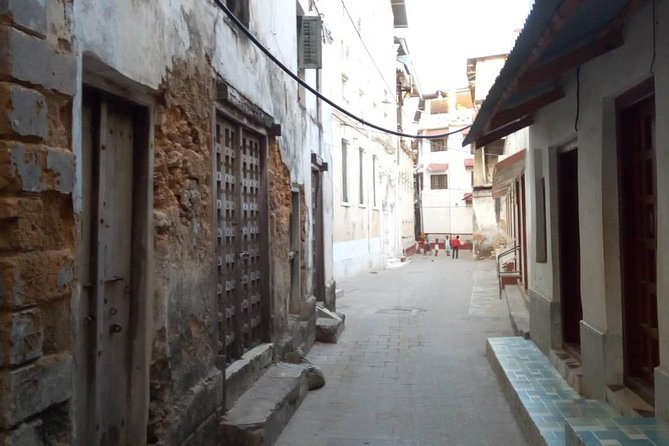
Stone Town is a UNESCO World Heritage city, but UNESCO doesn’t explain how a city feels on the street. This tour does that by tying sights to the bigger forces that shaped Zanzibar: trade routes, cultural blending along the Swahili coast, and the human cost of slavery.
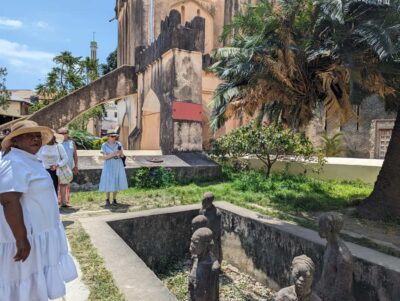
A strong theme in the feedback is how the guide breaks down the slave trade topic in an easily digestible way. That doesn’t mean it’s watered down. It means it’s organized—so the details don’t feel like random facts.
One review also calls out the slave market area as disturbing but fascinating. If you’re considering the tour for “history only,” keep in mind: this story includes suffering. It’s not all charming architecture and music references. For some people, that’s exactly why the tour is worth it—because you don’t just see the city, you understand what happened here.
The other key storytelling trick: you’ll learn how Zanzibar fits into world history. So instead of learning “Zanzibar facts,” you start noticing how connections run across time and geography. That’s the difference between reading about a place and understanding it.
Walking the Alleys: Pacing, Comfort, and Getting Unlost

You cover major sights on foot. That means you’re walking through the tight streets that make Stone Town so distinctive—and also so easy to misjudge without help.
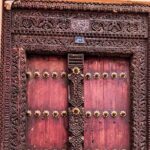
The tour’s pacing is described as well managed. People specifically mention never feeling rushed, which tells me the guide adjusts to questions and walking speed. That matters because you’ll want time to look at doors, balconies, and the general layout, not just to move from stop to stop.
One practical thing: the tour starts and ends back at the meeting point. So you’re not dealing with complicated drop-offs.
If you’re slow-walking or have limited mobility, this isn’t automatically a problem. The tour says most travelers can participate, and pacing is mentioned as considerate. Still, it’s a walking tour in an old city. Bring a mindset of “short stops, lots of turns,” and you’ll enjoy it.
Beyond the Stops: Markets and the Human Side of Stone Town
Even though the tour highlights famous landmarks, the experience isn’t just a checklist. Reviews mention a trip through markets and other points of interest, which is where Stone Town stops feeling like a postcard and starts feeling like a real place.
Markets matter because they show living culture. The sounds, the goods, the movement—it’s a snapshot of everyday life, not just preserved history. And when the guide connects market life to the broader historical story, you get a fuller sense of how Stone Town evolved.
If you’re the type who cares about how people live now, not just what happened centuries ago, this kind of mix is a big plus.
Language and Communication: It Starts Before You Meet
The tour includes professional guidance, and the most helpful guides do one extra thing: they help you find them.
One review highlighted that Kassim reached out beforehand on WhatsApp, so finding the start point wasn’t stressful. That’s not guaranteed for every booking, but it’s a good sign about communication.
Also, one review mentions booking the tour in German. If you prefer a specific language, it’s worth checking availability during booking. The tour clearly supports at least some language options through the guide’s offerings.
In short: this is the kind of tour where the first win happens before you even begin walking.
A Note on the Guide: Kassim Goes the Extra Mile
The feedback on Kassim is consistent: people describe him as patient, friendly, and very good at explaining. One review even mentions him physically moving an abandoned tuk-tuk out of the way during the tour—small detail, big signal. When someone handles those tiny street surprises, the tour feels smoother for you.
Another theme: hospitality. In a busy city, hospitality means you feel comfortable asking questions and pausing when you need to. It also means the guide keeps an eye on your experience, not just the clock.
If you’ve booked tours in places where guides rush, talk at you, or vanish into their own script, this one sounds built differently. The top ratings reflect that people felt cared for and guided through the maze.
Practical Tips Before You Book
Here’s how to set yourself up for a smooth experience.
Plan for one extra ticket. The Freddie Mercury Museum admission isn’t included. If you want it, expect an additional expense.
Use the Forodhani Park start point. It’s a clear landmark in Stone Town, and returning there afterward is convenient.
Choose a departure time that protects your energy. The total tour time is 2–3 hours. Pick a slot that doesn’t force you into a tight schedule right after.
Come with curiosity. This tour works best when you’re ready to ask questions. The best reviews mention Q&A and off-script requests, so don’t be shy about what you want to understand.
Decide what you want most: facts or orientation. If you want help connecting architecture to history, this is ideal. If you only want photos and minimal context, you might find the short stop durations leave you wanting more time at one place.
Should You Book This Stone Town Walking Tour?
I’d book it if you want:
- a fast, guided way to understand Stone Town’s major sights
- clear explanations of Zanzibar’s history, including slavery-era context
- a private experience that keeps pace flexible
- at least some included entrances to control costs
I’d think twice if:
- you only care about the Freddie Mercury Museum and nothing else
- you prefer long, unguided wandering with no structure
- paying an extra admission for the museum doesn’t fit your budget
If you’re visiting Stone Town for a first taste and you want to leave with a mental map and real context, this tour is a strong way to start. For $25, the combination of a local guide, included entrances, and tight storytelling in a short time window is exactly the kind of value that makes a city click.
FAQ
How long is the Zanzibar Stone Town Walking Tour?
The tour runs about 2 to 3 hours.
What is the price per person?
The price is $25.00 per person.
Is this a private tour?
Yes. It’s a private tour/activity, so only your group participates.
Where does the tour start?
The meeting point is Forodhani Park in Stone Town, Zanzibar.
What main sights are visited?
The tour includes the House of Wonders (Beit-el-Ajaib), the Old Fort (Ngome Kongwe), and the Freddie Mercury Museum.
Are entrance fees included?
Entrance is included for the stops that have admission tickets listed as free. Freddie Mercury Museum admission is not included.
Is transportation included?
Transportation fees outside Stone Town are not included.
How do I get the ticket?
You receive a mobile ticket.
How soon is the tour usually booked?
On average, this tour is booked about 17 days in advance.
What is the cancellation policy?
You can cancel for a full refund up to 24 hours before the experience’s start time. If you cancel less than 24 hours in advance, the amount paid is not refunded.