REVIEW · ZANZIBAR
Zanzibar: Quad Bike Adventure Tour to a Local Village
Book on GetYourGuide →Operated by Zanzibar Quad Adventure · Bookable on GetYourGuide
Riding a quad on Zanzibar feels like a small adventure movie. You’ll bounce off-road through rice fields, visit inland villages, taste tropical fruit, and end with a beach stop. I love the mix of speed and real village contact, and I also like how the guides turn the stops into practical cultural lessons, with names like Hussain, Poonie, and Ibrahim popping up in the feedback. One thing to consider: it’s bumpy, dusty, and you’ll want proper footwear—sandals and flip-flops aren’t allowed.
This is also one of those tours where the day has clear variety. You get farm life and village life inland, spice plants like cinnamon and cloves along the way, and then a different pace at Pwani Majangani near the coast. I especially like the tasting of Madafu and seasonal fruit and the time to meet children and families. The main drawback is that pickup isn’t included if you’re staying around Kiwengwa, so you’ll need to handle getting to the Zanzibar Quad Adventure meeting point.
In This Review
- Key things I’d plan around before you go
- Getting Started: The Brief Ride That Sets the Tone
- Quad Bike Adventure Through Rice Fields Near the Inland Villages
- The Local Village Stop: Fruit Sharing and House Visits
- A practical note about gifts
- Spice Plantation Time: Cinnamon, Cloves, and Lemon Grass
- Heading Toward Pwani Majangani: Rural vs Coastal Community
- Price and Value: What $153 Per Quad Really Buys
- Group Size and Booking Reality: Quads Up to 16 People
- What to Wear and Bring (So the Day Stays Fun)
- Who This Tour Fits Best (And Who Might Want Another Option)
- Should You Book This Quad Bike Adventure Tour?
- FAQ
- What is the duration of the Zanzibar quad bike village tour?
- How much does the tour cost?
- What is included in the price?
- Is pickup from Kiwengwa included?
- What languages are the guides available in?
- What should I wear or bring, and what is not allowed?
- Is the tour suitable for everyone?
Key things I’d plan around before you go
Quad count matters: book with the exact number of quads you want (and expect up to 2 people per quad).
Modesty + closed shoes: dress modestly and skip sandals/flip-flops.
Real village time: expect about an hour in a local village, plus fruit-sharing.
Spice stops aren’t a drive-by: you’ll see plants like cinnamon, cloves, and lemon grass.
Beach finish: a short stop at the sand road and the water before heading back.
Getting Started: The Brief Ride That Sets the Tone
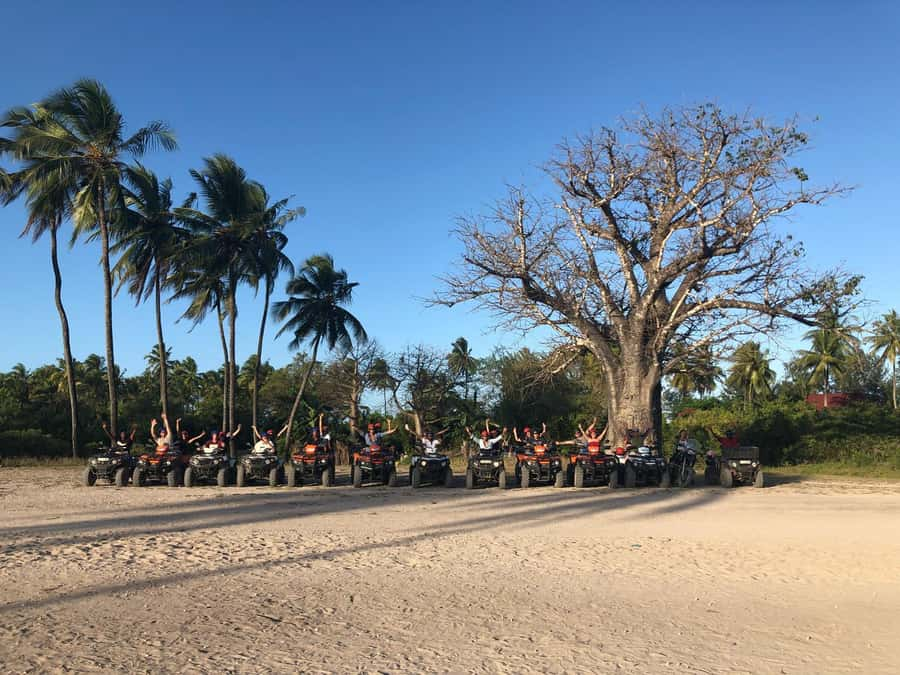
Your day starts at the office of the activity provider at Zanzibar Quad Adventure. You’ll meet your guide there, get matched with your quad, and get instructions before you head out. If you’re the type who gets uneasy about driving off-road, don’t worry—there are clear directions on how to use the quad, and the guides are quick to help you feel comfortable.
Then you’ll drive along the main road toward Pwani Majangani for about 4 km. This short paved section matters more than it sounds. It gives you a chance to get your bearings, tighten your grip, and feel how the quad behaves before it hits the rice fields and sand routes.
Bring sunglasses and sunscreen. Zanzibar sun doesn’t ask permission. Also, plan to wear something modest and comfortable because you’re heading into lived-in community spaces, not a photo park.
You can also read our reviews of more cycling tours in Zanzibar

Quad Bike Adventure Through Rice Fields Near the Inland Villages
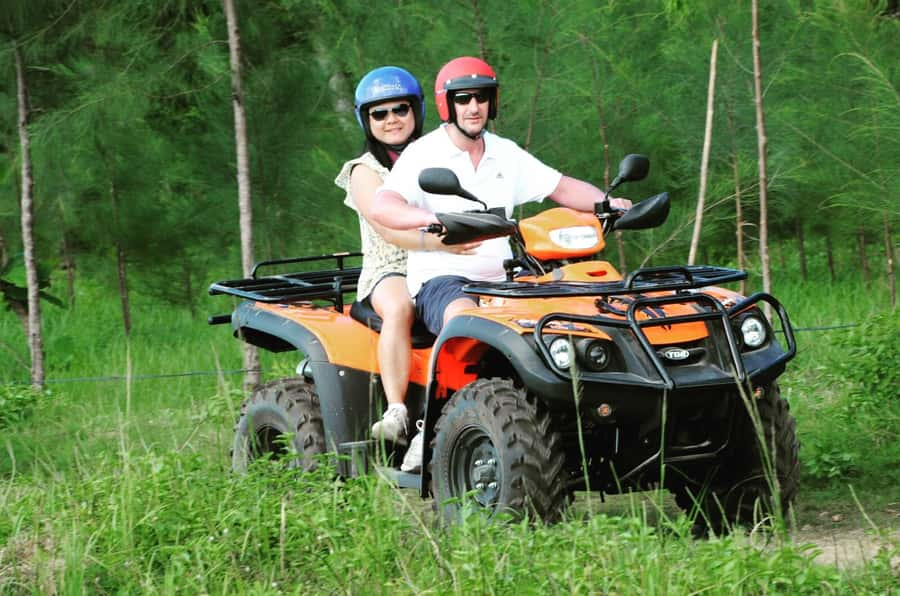
Once you leave the tarmac road, the fun starts. You’ll ride off-road through rice fields, guided at a pace that keeps the group together but still feels properly adventurous. This isn’t a gentle stroll tour where you barely move. It’s a real quad ride—dust, uneven ground, and the kind of jolting that makes you hang on and laugh a little at yourself.
About 15 minutes into the off-road stretch, your guide stops and explains what life looks like in the middle part of the island: the local economy, village culture, and daily habits. This is one of the smartest parts of the tour. Instead of waiting until you arrive to start learning, you get context while you’re still in the “working land” zone—fields, paths, and farms that shape how people earn a living.
In the reviews, the guides are repeatedly praised for mixing information with energy. People mention guides like Hussain and Hussein as especially clear at explaining each stop, and others highlight how fun and active guides like Poonie can be. The takeaway for you: you’re not just chauffeured around. You’re getting reasons behind what you see.
The Local Village Stop: Fruit Sharing and House Visits

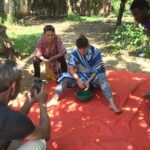
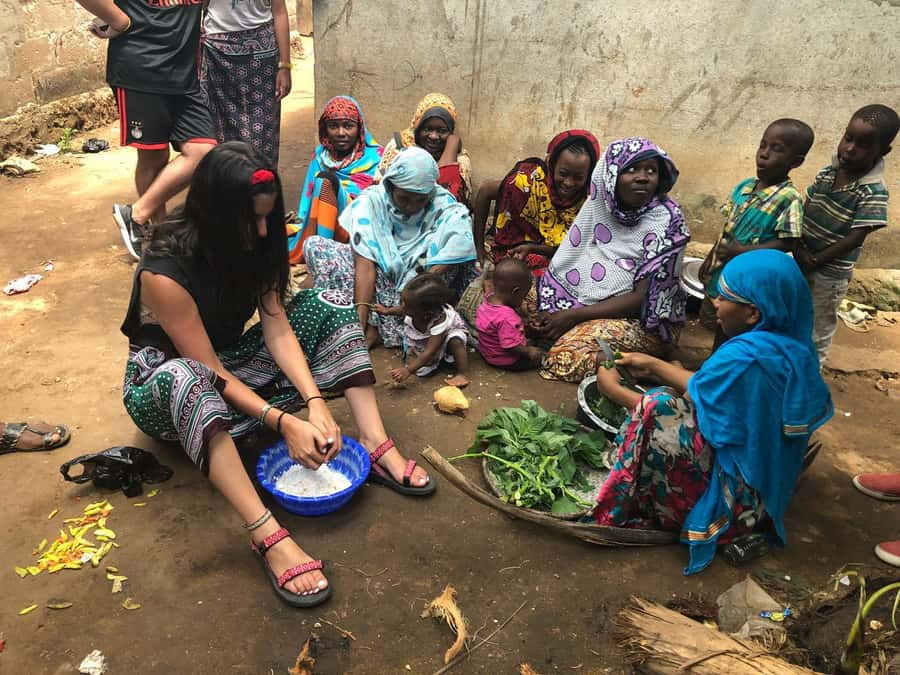
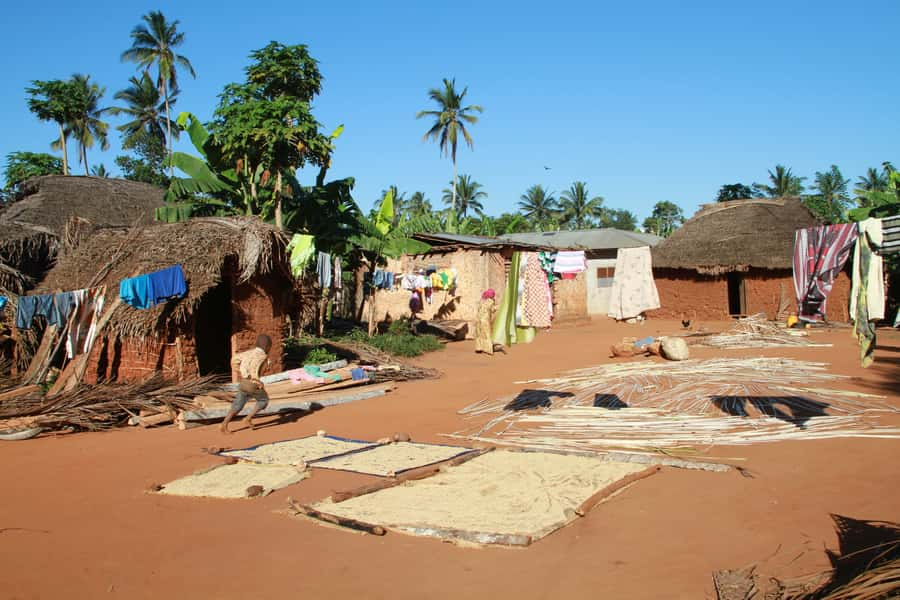
Then you arrive at the local village, and the pace changes. You’ll stop for about an hour, which is long enough to feel like more than a quick photo break. You’ll have time to stay with the children, play with them, and connect with the community.
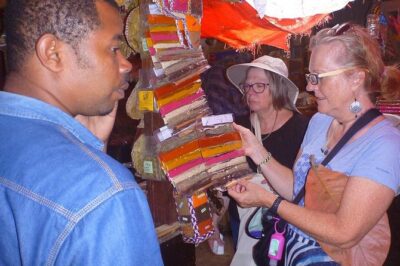
A big highlight here is the fruit. Your guide shares local fresh fruits—Madafu (you’ll see it described as part of the seasonal offering) plus other seasonal tropical fruit. This matters because it’s not presented as a staged “give something, take a photo” moment. It’s more like: this is what people grow and share, and here’s your chance to taste it and interact respectfully.
After that first contact, your guide takes you to the House of Mad, described as a typical home in the rural village. This stop is where the tour gets more intimate and more reflective. You’ll hear about life and culture of Zanzibarian people in a rural setting, and you’ll get a closer look at everyday routines rather than just scenery.
A practical note about gifts
Some guides provide fruit as part of the tour, but if you want to bring something for kids, do it thoughtfully. In the feedback, people specifically suggested small items like candy, toys, coloring books, or similar treats—and a few felt bad that they hadn’t brought something. You might consider packing a small, lightweight gift if you’re comfortable doing so. Keep it simple, and follow your guide’s cues on what’s appropriate.
Spice Plantation Time: Cinnamon, Cloves, and Lemon Grass
After the village portion, the route turns toward plantations of spices and aromatic plants. You’ll visit areas growing things like cinnamon, cloves, lemon grass, and other varieties cultivated by people in the village.
Even if you know Zanzibar for spices in theory, this stop changes it from trivia into something you can point at. You’ll see plants that are usually reduced to jars and packets back home. And because the plantation is connected to how locals cultivate and earn, it doesn’t feel like a tourist display. It’s tied to the local economy—something your guide has already set up earlier when they explained village life.
This part is also a nice sensory break. Smell and touch travel well on tours like this. You’ll get a better sense of why Zanzibar became famous for spices, because you’re literally in the growing environment rather than reading about it.





Heading Toward Pwani Majangani: Rural vs Coastal Community

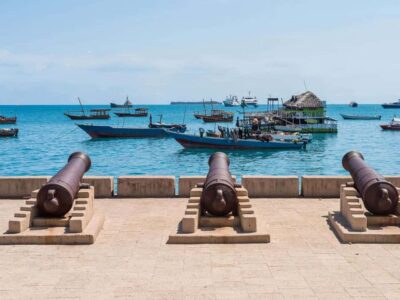
When it’s time to move on, you ride back toward Pwani Majangani. The tour then reaches a fishermen’s village, and your guide gives a short explanation about the difference between inland rural village life and coastal community life.
This is a subtle but valuable piece. It helps you understand why the island’s way of living can change so much based on where people are—resources, work patterns, and daily routines shift with the coast and the sea. The ride through fishermen’s houses happens on a sand road, so you’ll get those sights as you travel rather than only at the final stop.
Then you reach the beach. It’s brief—just a few minutes for a stop—so don’t expect a long swim window. Think of it as a reset. After dust and off-road noise, you get a calmer moment, a chance to take photos, and a visual reminder that Zanzibar isn’t only farming and villages. It’s also ocean life and coastal rhythms.
Price and Value: What $153 Per Quad Really Buys
The price is listed as $153 per group up to 2, but the key detail is this: pricing is calculated per quad bike, and each quad can have 1 or 2 passengers. So your value depends on how you’re splitting the cost.
If you’re traveling as a duo and can share one quad, you’re likely getting one of the best mixes of cost vs time on the activity. You’re buying a full four hours that includes:
- A real quad ride with off-road segments
- A local village visit with about an hour on-site
- Fresh fruit included
- Spice plantation time
- A live guide (English or Italian)
When you compare it to tours that just do a couple of viewpoints, this one earns its price by giving you multiple modes of experience: driving, learning, tasting, and meeting people.
One more value note: the feedback is consistently high, with a rating around 4.9 from many bookings. That matters because quad tours live or die by the guide quality and the organization. People repeatedly mention clear instructions and well-run stops, which is exactly what you want when you’re off-road.
Group Size and Booking Reality: Quads Up to 16 People

Before you book, pay attention to how many quads the group uses. The operator notes this clearly:
- 1 quad: max 2 pax
- 2 quads: max 4 pax
- 3 quads: max 6 pax
- 4 quads: max 8 pax
- up to 8 quads: max 16 people
Why you should care: larger groups can change the pace of stops, how much time you get for interaction, and how quickly you move between activities. If you want a more personal feel at the village and fruit stop, try to match your booking to the smallest reasonable group size.
Also remember: each quad can carry 1 or 2 people. If you’re a confident driver and want control, plan to book for driving rather than stacking riders on one small machine.
What to Wear and Bring (So the Day Stays Fun)
This tour is active, so plan like you’re going to be outside for four hours in strong sun, dust, and uneven ground.
Bring:
- Sunglasses
- Sunscreen
- Camera or video recorder (you’ll want it for village life and spice plants)
Wear:
- Modest clothing
- Closed-toe, sturdy shoes
Not allowed:
- Sandals or flip-flops
- Bare feet
- Alcohol and drugs
If you forget the footwear rule, you might not be able to participate comfortably. And if you go in light clothing, expect to sweat and get dusty. That’s normal here. The win is you’ll finish with sore muscles and a big story.
Who This Tour Fits Best (And Who Might Want Another Option)

This quad adventure is best for people who want a day that’s part driving fun and part cultural learning. You’ll enjoy it if you:
- Like off-road activities (rice fields, sand roads)
- Want village contact beyond a roadside stop
- Are comfortable interacting with children and community members respectfully
- Prefer guided context to self-guided wandering
It’s not suitable for:
- Children under 3 years
- Pregnant women
- People with mobility impairments
If you’re the type who needs steady surfaces and zero bumps, this isn’t the right match. But if you can handle a bumpy ride and you like meeting people, it’s hard to beat for the price range.
Should You Book This Quad Bike Adventure Tour?
I’d book it if you want an authentic Zanzibar day that goes past beaches and spice souvenirs. The combination of off-road riding, inland village time (including sharing tropical fruit), spice plantation visits, and a coastal beach finish is a strong value package for four hours.
I’d skip it or choose carefully if:
- You’re traveling with someone who can’t handle rough terrain
- You expect a relaxing, lounge-by-the-sea schedule
- You don’t want to dress modestly and keep interaction respectful
If you do book, you’ll get the most out of it by showing up ready to participate: proper shoes, sunscreen, and an open attitude. With guides like Hussain, Ibrahim, and Mussa mentioned across the feedback, you’re likely in for a well-led day where the stops actually mean something—not just a checklist.
FAQ
What is the duration of the Zanzibar quad bike village tour?
The tour lasts about 4 hours.
How much does the tour cost?
It’s listed at $153 per group up to 2, with pricing calculated per quad bike. Each quad can have 1 or 2 passengers.
What is included in the price?
Included: helmet, petrol, quad bike, live guide, and tropical fruit.
Is pickup from Kiwengwa included?
No. Pickup and drop-off from your accommodation in the Kiwengwa area is not included.
What languages are the guides available in?
The live tour guide is available in English and Italian.
What should I wear or bring, and what is not allowed?
Bring sunglasses and sunscreen. Wear modest clothing and closed footwear. Sandals or flip-flops are not allowed, and bare feet are not allowed. Alcohol and drugs are not allowed.
Is the tour suitable for everyone?
No. It isn’t suitable for children under 3 years, pregnant women, or people with mobility impairments.