REVIEW · ZANZIBAR
Zanzibar: Jozani nature walk and wildlife tour
Book on GetYourGuide →Operated by ZANZIBAR ADVENTURE · Bookable on GetYourGuide
Red monkeys and mangroves, all in one guide. This Zanzibar tour pairs a Jozani Forest walk with a wildlife-focused guide, giving you a real shot at seeing the island’s famous red monkeys and learning what makes them special. I love that the experience stays practical and focused on animal-spotting, and I also love the added mangrove stop where you learn how these coastal forests actually grow. The one thing to consider is that it’s a short outing, so you may not get long, slow wandering time in every area.
With only 3 hours, the pacing is brisk. If you’re hoping for a big, all-day forest experience with lots of repeat searching for monkeys, you’ll want to set your expectations accordingly.
In This Review
- Key highlights you’ll actually care about
- Jozani Forest: the practical way to meet Zanzibar’s red monkeys
- The 3-hour flow: what you do from pickup to drop-off
- How spotting works in the forest (and why the guide earns their fee)
- Red monkeys up close: what to look for beyond the headlines
- Other forest species: digi-digi, elephant shrew, and camilios
- Mangroves after the forest: a different kind of Zanzibar nature lesson
- Weather, walking comfort, and what to pack
- Price and value: is $98 for 3 hours worth it?
- Private group feel: language support and guide style
- Should you book the Jozani wildlife and mangrove walk?
- FAQ
- How long is the Zanzibar Jozani nature walk and wildlife tour?
- Where do you get picked up, and where do you return?
- Is this tour private?
- What languages are available for the live tour guide?
- What wildlife will I have the chance to see?
- Do you also visit mangroves?
- What’s included in the price?
- What is not included?
- Is free cancellation available?
- Is there a reserve now pay later option?
Key highlights you’ll actually care about
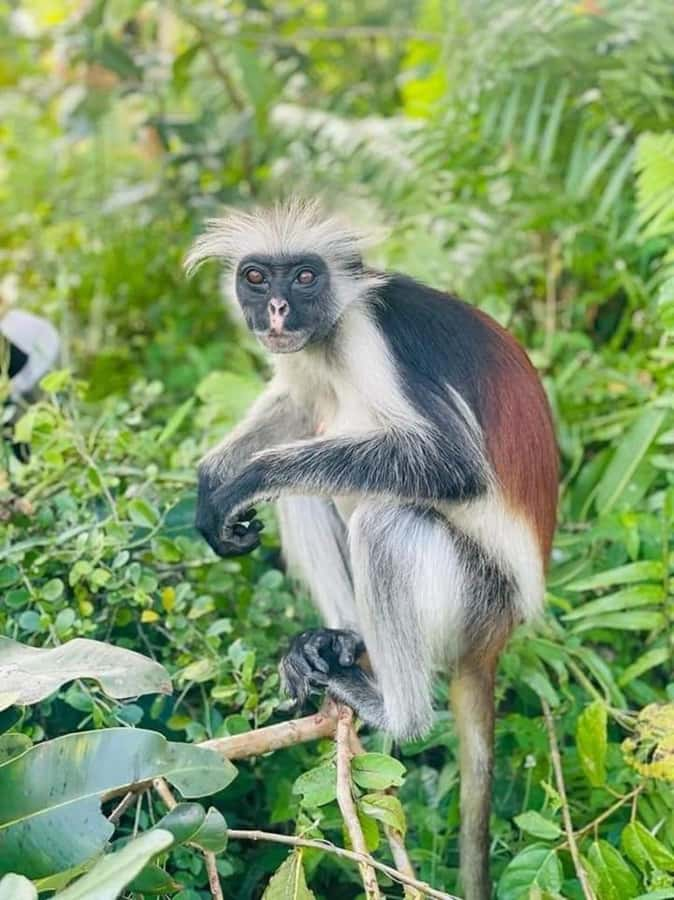
- Red colobus basics: learn the four-finger, no-thumb trait and the chest/背 color pattern
- Guide-led spotting: you’re not just walking blind in the trees
- More than monkeys: you may also look for digi-digi, elephant shrew, and camilios
- Mangrove education: you finish with a mangrove-area walk and how the trees grow
- Private group feel: hotel pickup and drop-off keep the day simple
- Clear language support: guides work in English, French, and German
Jozani Forest: the practical way to meet Zanzibar’s red monkeys
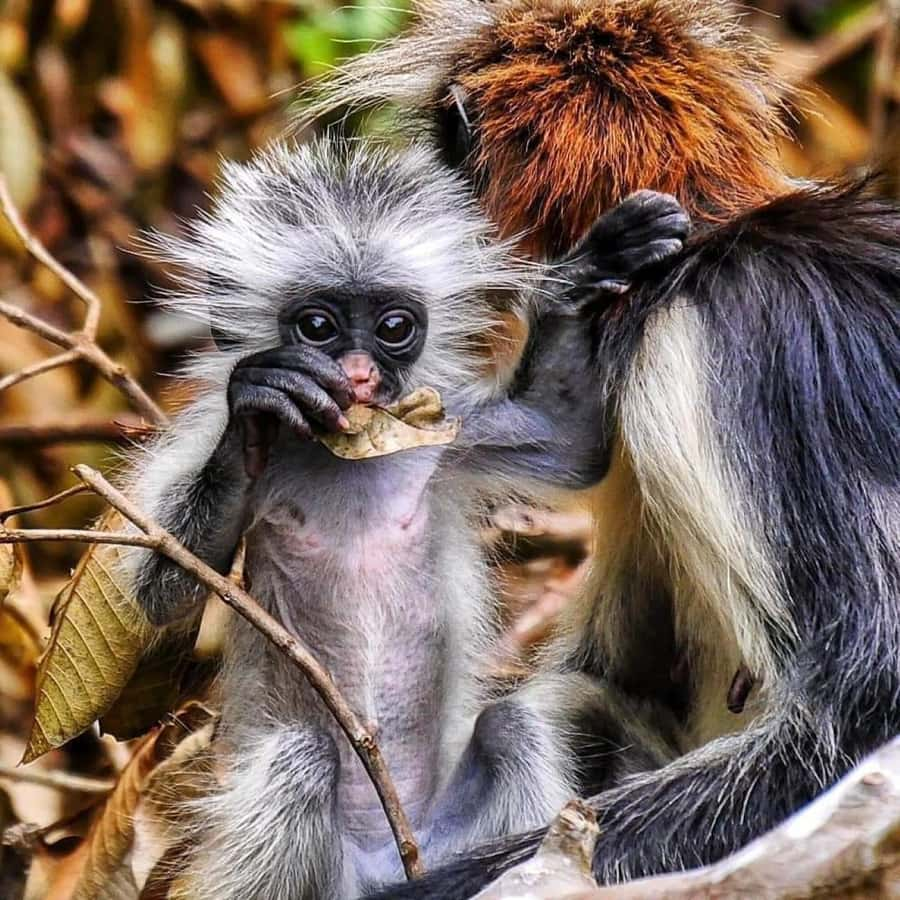
Jozani Forest is the kind of wildlife stop where the guide matters. Without someone who knows the forest rhythm, you can waste time scanning leaves that don’t move much. Here, the whole tour is built around getting you into the right places at the right moment so you can see the animals clearly.
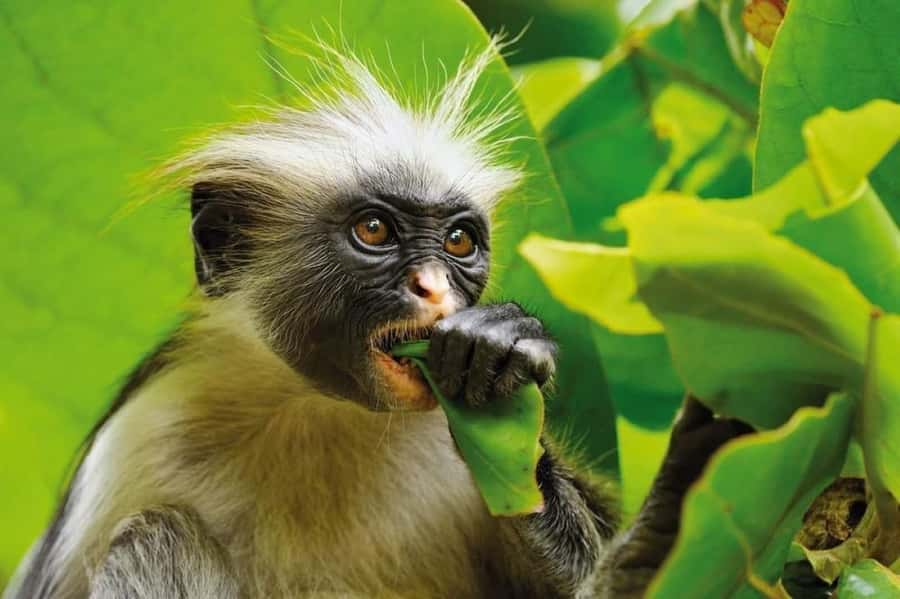
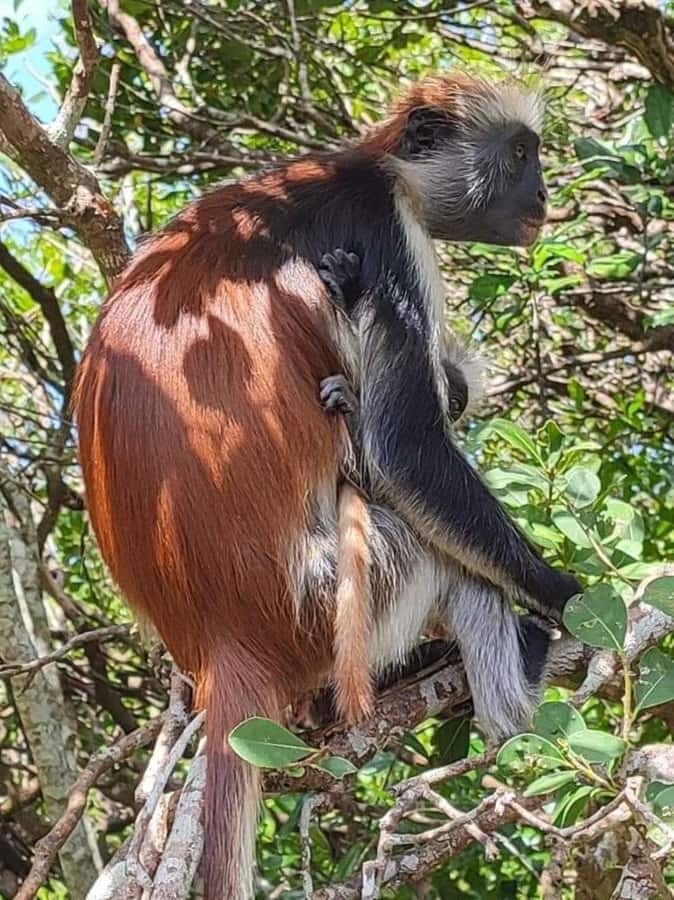
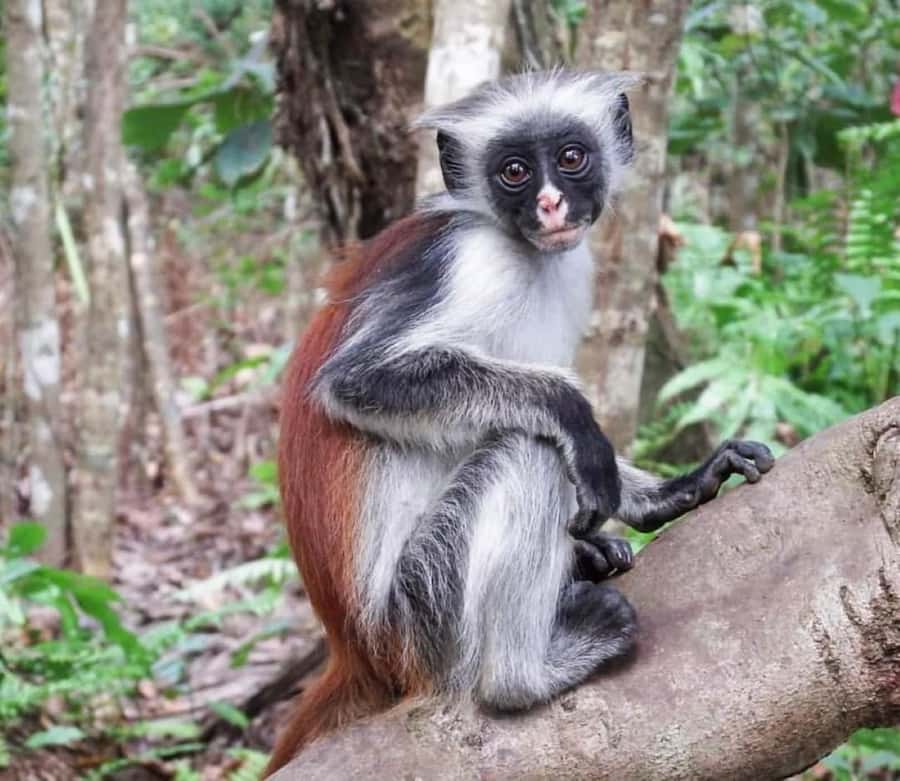
The headline species is the red monkey, often called the red colobus. The standout details are the ones you remember later: they have four fingers and no thumb, and their coloring is unusual—white on the chest and red on the back. The tour also frames their diet simply, with the key idea that they eat green and young fruits and vegetables.
This is also where you get a bit of real nature education that doesn’t feel like a lecture. Instead of just listing facts, the guide’s job is to help you connect what you’re seeing—movement, posture, food choices—to how the forest works. That’s why the experience feels more like a guided encounter than a quick photo stop.
You can also read our reviews of more walking tours in Zanzibar


The 3-hour flow: what you do from pickup to drop-off
This tour is designed for a short, focused day on Zanzibar. You’ll be picked up from your hotel lobby, with the driver meeting you using your names. Then you head out to Jozani, where the walking portion is the main event, followed by a mangrove-area visit before returning to Zanzibar.
Even though the total duration is 3 hours, the time split tends to feel pretty clear in practice. The forest walk often takes about an hour, with the mangrove portion typically shorter. That structure is helpful if you’re on a schedule and want wildlife plus coastal scenery without burning your whole morning or afternoon.
Because the outing is compact, the tour also tends to be more relaxed than you might expect from a wildlife trip. You’re not doing long hikes, but you are walking in natural ground that can feel humid—so wear shoes you trust. If you’re sensitive to warm, damp weather, plan to go light on heavy layers.
Also worth knowing: the tour includes entry/admission and a tour guide, plus hotel pickup and drop-off. That removes the annoying friction of figuring out how to get there and pay at the gate on your own.
How spotting works in the forest (and why the guide earns their fee)
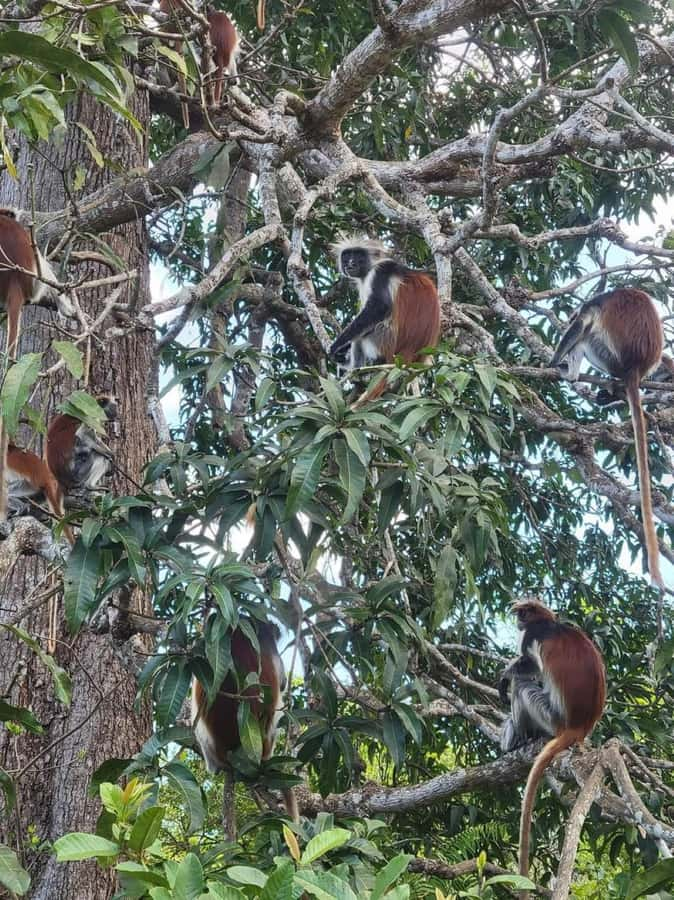
A big part of the value here is that the guide is actively helping you find animals, not just narrating while you walk. In Jozani, sightings can be hit-or-miss if you’re on your own. With a guide, you’re more likely to see the red monkeys in a way that feels satisfying rather than frustrating.
The most praised moments tend to follow a simple pattern: the guide stays alert, explains what you’re likely to see, and then helps you adjust your focus so you can actually make out the animals. That includes knowing where to look, how to stand so you don’t block others, and what behaviors can hint that monkeys are close by.
Some guides also earn extra credit for language and communication. There are strong examples of guides delivering clear explanations in French and German, and taking time to answer questions. In a forest setting, that matters because the best wildlife moments often come with curiosity, not just luck.
If your priority is maximum monkey time, here’s the trade-off. The tour is short, so you won’t get unlimited forest searching. But you do get guidance that makes each minute count—especially if you’re aiming to see the red colobus in the first place.
Red monkeys up close: what to look for beyond the headlines
Seeing red monkeys is the headline, but what makes this tour feel worthwhile is learning how to recognize them. The tour highlights their unusual hands, with four fingers and no thumb, plus their distinctive coloring: white chest and red back. Once you know what to look for, the sightings can feel much more real than a distant glimpse.
You’ll also get context on their diet. The idea is simple and practical: they eat green and young fruits and vegetables. That’s useful because it explains why they linger around certain areas of the forest and why you might see them focused on leaves or fresh growth.
On some days, people also report seeing other monkey types in the area, including black monkeys. Sighting variety is never guaranteed in nature, but it’s a nice bonus possibility if your timing is right.
A small tip for you: keep your expectations calm. Instead of sprinting to every movement, slow down and let the guide help you interpret what you’re seeing. In a forest, the best viewing often comes from patience and good positioning, not from chasing.
Other forest species: digi-digi, elephant shrew, and camilios
The tour doesn’t stop at red monkeys. You also have a chance to look for other forest wildlife, including digi-digi, elephant shrew, and camilios (commonly understood as chameleons). These are the kinds of animals that make Jozani feel like more than a one-species stop.
The elephant shrew is one of the more memorable additions when you catch sight of it. It’s small, fast, and easy to overlook if you’re not paying attention. With a guide, you’re more likely to notice behavior that signals where it’s moving and where it might pause.
Digi-digi is listed as part of the forest species you may encounter. Chameleons (camilios) are also a classic “blink and you’ll miss it” animal, so guide timing is again key. This is where the tour’s short duration can work in your favor: you’re staying focused on likely spots rather than wandering randomly.
If you care about more than one type of wildlife, this tour is a smart way to get variety in a limited amount of time. Just remember that visibility in a forest depends on the moment, so you’ll enjoy it more if you treat it as an opportunity rather than a promise.



Mangroves after the forest: a different kind of Zanzibar nature lesson
After the forest portion, the tour shifts to the mangroves area. This is a nice change of pace because it’s not the same kind of habitat, and it doesn’t rely on the same animal sightings. Instead, you learn how mangroves grow and why they matter.
Mangroves are famously good at living in tricky coastal conditions. The tour uses the walking visit to explain the trees and how the system works. For many people, that turns the mangrove stop from scenery into something you understand, even if you’re just there for a short time.
It also tends to be a comfortable add-on. The mangrove walk is often brief, including a path or boardwalk-style viewing area. You’ll still get time to take photos, but the real value is the explanation you receive while you’re there.
If you’re thinking ahead for your day on Zanzibar, this is a practical balance: wildlife in the forest, then a calmer coastal environment with a clear educational focus.
Weather, walking comfort, and what to pack
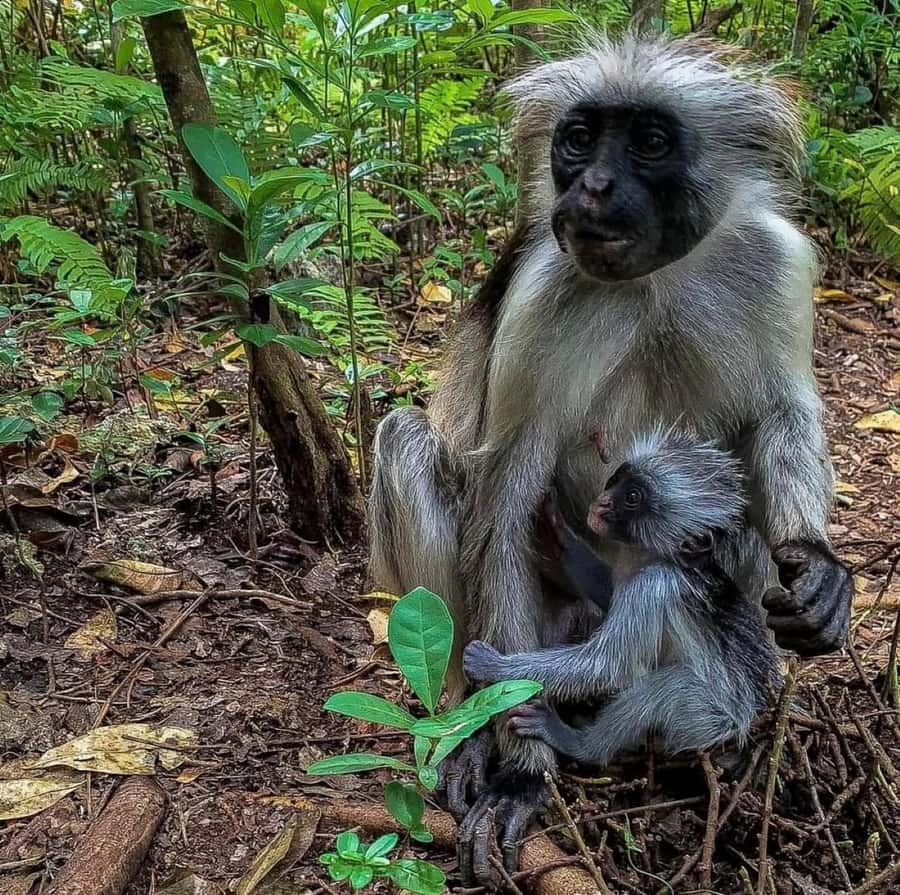
The tour is described as taking place with good climatic weather, but Zanzibar is still Zanzibar. Humidity can hit, and you’ll be walking through natural terrain. Plan for light comfort rather than heavy gear.
For clothing, think breathable and quick-drying. For footwear, pick something with grip—you want your footing to feel secure on mixed paths. And bring the basics you’ll need personally, since the tour includes the essentials (guide, entry, transfers) but not personal items.
A few practical notes from what people highlight most: the outing is relaxed, but it can still feel like a fair bit of walking in warm air. If you’re the type who likes long stops, you may feel the time is tight. If you’re okay with a guided highlight route, you’ll likely feel satisfied.
Price and value: is $98 for 3 hours worth it?
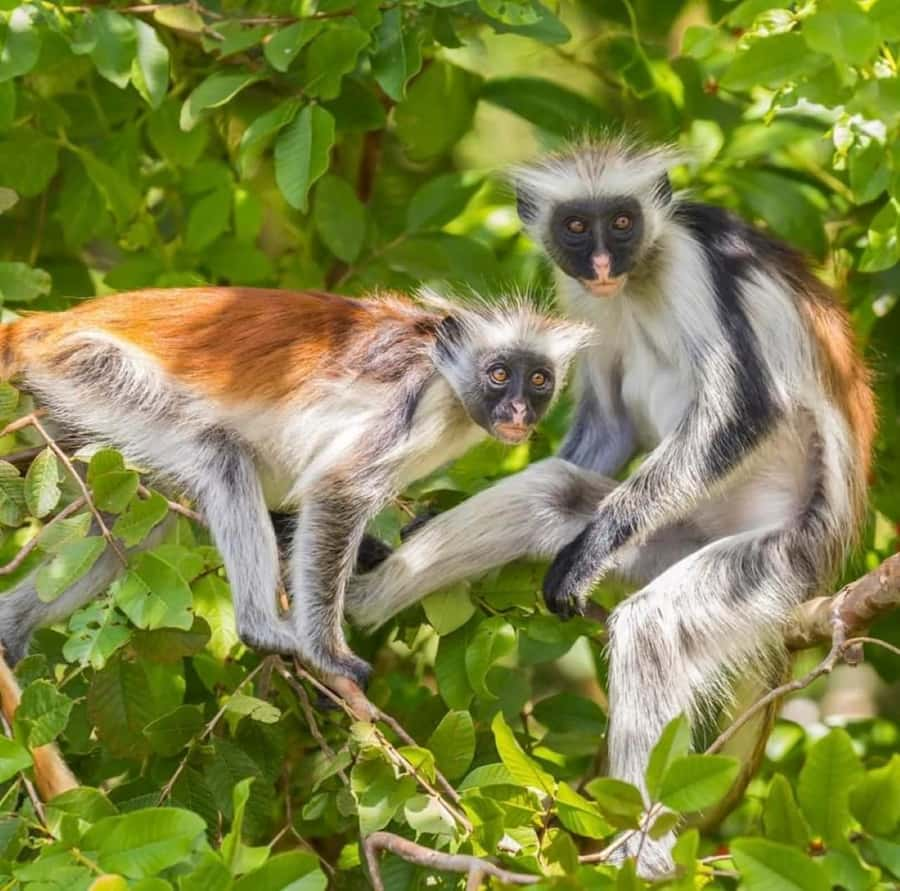
$98 per person for a 3-hour private-group tour can sound pricey—until you factor in what’s included. You’re paying for hotel pickup and drop-off, the admission/entry, and a live guide who helps you find wildlife. The private-group setup also means you’re not stuck sharing the experience with random schedules.
Where the value lands best is in the guide-led spotting. Jozani’s famous red monkeys aren’t the easiest thing to find on your own. If your goal is actually seeing them, the cost starts to make sense because it buys you time and attention from someone who knows what to look for.
That said, there’s a real consideration: the tour is short. If you want more time in the forest, more explanations, or a slower pace with extra searching, you may feel it moves on a bit quickly. This is especially true if you’re hoping for lots of repeated monkey viewing.
My practical take: book it if you want a guided highlight that mixes forest wildlife with mangroves in one easy package. Skip it if you want an unhurried, long hike and you’re willing to trade guidance for extra hours.
Private group feel: language support and guide style
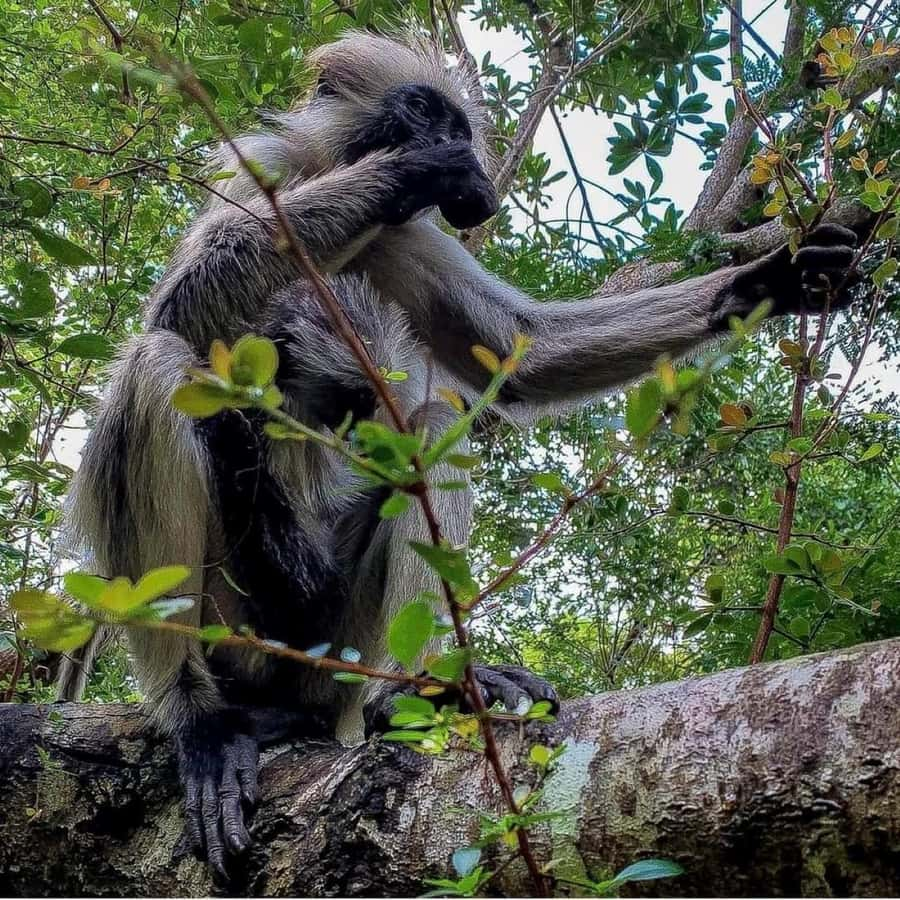
One of the strengths of this experience is how it’s designed around your group. It’s listed as a private group, and that typically means you can ask questions without feeling rushed or ignored.
Language options are also a big plus. The guide provides live interpretation in English, French, and German. If you’re traveling with someone who prefers one of those languages, this makes the tour easier to enjoy because the explanations land clearly.
Guide style matters, too. Strong examples point to guides who take time, explain details, and stay helpful rather than just counting down to the next stop. Names like Kamis and Abdul come up in connection with friendly, instructive guiding, including good French or German delivery. You shouldn’t treat that as a guarantee that you’ll get a specific person, but it does suggest the level you can reasonably hope for.
If you’re the type who asks lots of questions, choose this tour over a purely self-guided option. In a wildlife setting, questions are part of the fun.
Should you book the Jozani wildlife and mangrove walk?
I’d book it if you want a focused Zanzibar nature day: red monkeys plus mangroves without spending half your vacation figuring out logistics. It’s especially worth it if you care about seeing the red colobus and you’d rather rely on guidance than wander and hope.
Skip or reconsider if you’re sensitive to humid walking and you need longer stays in each habitat. Also rethink it if you’re expecting a long forest hike with lots of lingering time; this one is intentionally short.
For most people, the sweet spot is clear: limited time in Zanzibar, a desire for wildlife (not just photos), and a preference for having someone point out what matters while you’re there.
FAQ
How long is the Zanzibar Jozani nature walk and wildlife tour?
The tour lasts 3 hours.
Where do you get picked up, and where do you return?
You’re picked up from your hotel lobby in Zanzibar, and you’re dropped back in Zanzibar afterward.
Is this tour private?
Yes, it’s listed as a private group.
What languages are available for the live tour guide?
The tour guide works in English, French, and German.
What wildlife will I have the chance to see?
You’ll aim to see the red monkeys, and the tour also mentions other forest species such as digi-digi, elephant shrew, and camilios (chameleons).
Do you also visit mangroves?
Yes. After the forest walk, you’ll visit the mangroves area and learn how mangroves are grown.
What’s included in the price?
Included are hotel pick-up, hotel drop-off, entry/admission, and a tour guide.
What is not included?
Personal needs are not included.
Is free cancellation available?
Yes. You can cancel up to 24 hours in advance for a full refund.
Is there a reserve now pay later option?
Yes. The tour offers reserve now & pay later, meaning you can book your spot and pay nothing today.