REVIEW · ZANZIBAR
3 Hours Private Stone Town Walking Tour
Book on Viator →Operated by KIB tours and safaris · Bookable on Viator
Stone Town feels like a living puzzle box. This private walking tour strings together the biggest landmarks in Zanzibar’s old city so you see more than you’d manage alone, with narration as you wind through the narrow lanes.
I especially like the tight routing—short stops that still teach you how the city grew—and the way the pacing stays easy for a 2 to 3 hour plan. One thing to watch: several stops have optional or extra entrance fees, so your final total depends on what you choose to go inside.
I also like that you’re guided by real people who know the streets and the stories. Names like Rakib and Nasir show up often for a reason: guests consistently report clear explanations and a calm, respectful pace, including feeling safe while walking.
My last “heads up” is simple: it’s a walk through compact areas, including markets and old alleys. If you’re heat-sensitive or have mobility limits, bring your best walking shoes and plan to keep stops short and steady.
In This Review
- Key Things To Love About This Stone Town Walk
- Stone Town in 2 to 3 Hours: The Real Value of This Private Route
- Getting Started at Forodhani: Private, Walkable, and Easy to Fit In
- Ngome Kongwe (Old Fort): Omanis, Adaptation, and Fast Context
- Forodhani Gardens: Where the Evening Market Energy Begins
- House of Wonders: Swahili-Arab Architecture and Royal Echoes
- Freddie Mercury Museum: Outside Photos Free, Inside Costs $8
- Old Slave Market and Anglican Cathedral: History That Hits, Done Respectfully
- People’s Palace Museum and Saint Joseph’s Cathedral: Small Stops, Strong Signals
- Darajani Bazaar and Jaws Corner: Real Streets to Watch, Not Just Browse
- Lukmaan Restaurant Stop: A Meal Break Built Into the Tour Plan
- Swahili House Rooftop Views: Free Sky, Paid Drinks
- Hamamni Persian Baths: Outside Architecture or Optional $8 Entry
- Price and What You Should Budget Beyond the $20
- Who This Stone Town Walk Is Best For
- Should You Book This Stone Town Private Walking Tour?
- FAQ
- How long is the 3 Hours private Stone Town walking tour?
- Where does the tour start and end?
- Is hotel pickup available?
- Is the tour price all-inclusive?
- Are there entrance fees for the Freddie Mercury Museum?
- Do I need to pay to visit Hamamni Persian Baths?
- Is lunch included?
- Can I cancel for a full refund?
Key Things To Love About This Stone Town Walk
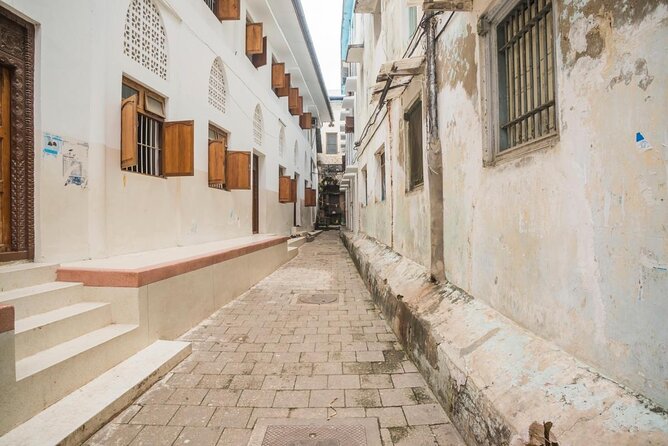
- Private pacing in tight Stone Town lanes so you’re not rushed with strangers
- A smart mix of Omani, Swahili, Arab, and European influences in a few hours
- Serious context at the Old Slave Market/Anglican Cathedral stop without turning it into a quick photo moment
- Food and views built into the route, including time at Lukmaan and a free rooftop look from Swahili House
- Optional paid entrances (like Freddie Mercury Museum and Hamamni Persian Baths), with outside photo options if you want to skip the fees
Stone Town in 2 to 3 Hours: The Real Value of This Private Route
Stone Town rewards people who arrive with a plan. Otherwise, you’ll spend a lot of time staring at doorways and wondering what you’re looking at. This tour keeps your feet moving but your brain busy, with a sequence of landmarks that connect to how Zanzibar changed over centuries.
I like that it stays practical. You’re not sent on a scavenger hunt for trivia. Instead, you hit recognizable anchors—fort, gardens, royal buildings, cathedrals, markets—then get just enough time at each place to understand why it matters before moving on.
For you, the value is the balance: enough structure to make the walk meaningful, but enough freedom that it doesn’t feel like a museum line. It’s priced at $20 per person, and since it’s private, you’re paying for the guide time and the route coordination—not for a pile of ticketed attractions.
You can also read our reviews of more walking tours in Zanzibar


Getting Started at Forodhani: Private, Walkable, and Easy to Fit In
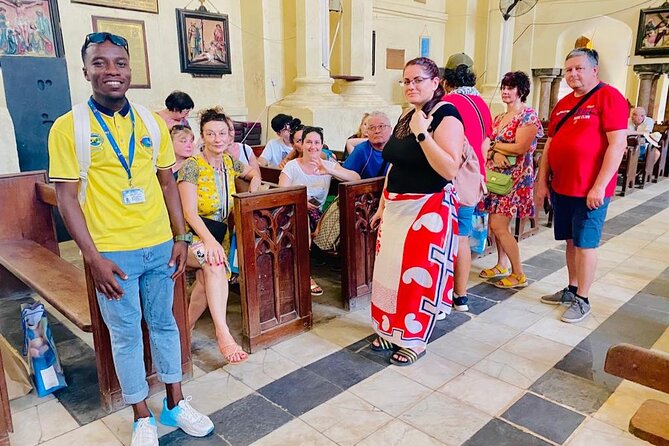
The tour meets at Forodhani, Zanzibar, Tanzania and ends back at the same spot. That matters. You don’t have to solve transport at the beginning and end; you’re dropped close to where you started.
Pickup is offered, which helps if you’re staying a bit outside the old core. One review notes an air-conditioned new van for pickup, which is exactly the kind of comfort that helps when Zanzibar heat kicks in. Even without pickup, the meeting point is set up so you’re near public transport.
This is also set as a private activity, meaning it’s only your group. That matters in a place like Stone Town where alleys can feel crowded. You can set the pace with your guide, ask questions without waiting, and spend a little extra time at the spots you care about.
Ngome Kongwe (Old Fort): Omanis, Adaptation, and Fast Context

Your first stop is The Old Fort (Ngome Kongwe). It was built in the 17th century by the Omanis, and now it’s used as a cultural center with art galleries and shops.
I like this stop early because it gives you a foundation. Once you understand that the city was shaped by powerful external rulers and later adapted their structures, a lot of Stone Town details start making sense.
The practical bonus: the stop is short—about 10 minutes—and the admission is free. So you’re not paying to start. You’re paying with attention.
Consideration: since it includes galleries and shops, you may feel pulled in multiple directions. If shopping isn’t your thing, focus on the outside and the fort’s placement, then move on with your guide’s explanation.
Forodhani Gardens: Where the Evening Market Energy Begins
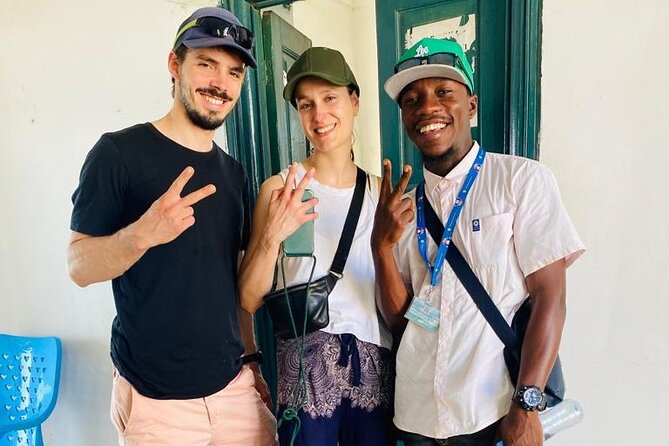
Next is Forodhani Gardens, a waterfront park known for its evening food market. The idea here is simple: you get a feel for street-level Zanzibar culture, not just architecture.
You’ll likely hear about the food people come for—seafood, Zanzibar pizza, and other local treats. The stop is also about 10 minutes, with free admission, so it’s meant as a quick orientation rather than a long meal.
Tip for you: if your timing lines up with evening market hours, be ready to treat this like an appetizer stop. If it’s earlier in the day, think of it as a location you can revisit later for the full food experience.
House of Wonders: Swahili-Arab Architecture and Royal Echoes
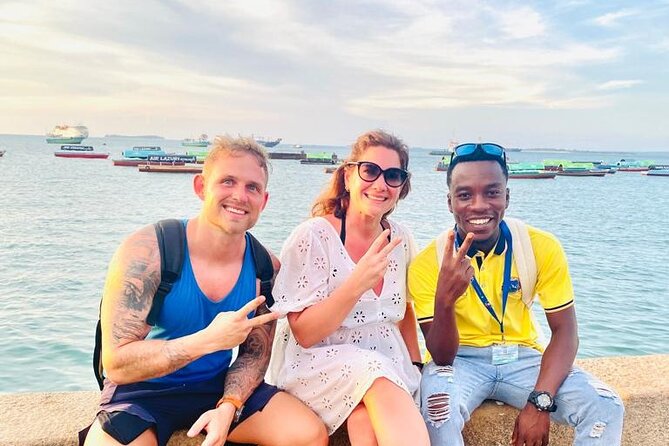
House of Wonders is a standout stop for visuals. It showcases Swahili and Arab architecture and once hosted the Zanzibar royal family. Today it operates as a museum.
This is a short stop (about 5 minutes) and admission is listed as free, so it’s basically a quick “read the building” moment. That can be great early in your walk because it teaches you how to spot style changes as you move through town.
What to watch: the building tells a story in shapes and details. Spend a minute letting your eyes adjust, then follow your guide’s pointers. When you do it right, you’ll start seeing the city as a patchwork of influences—without needing a textbook.
You can also read our reviews of more private tours in Zanzibar





Freddie Mercury Museum: Outside Photos Free, Inside Costs $8
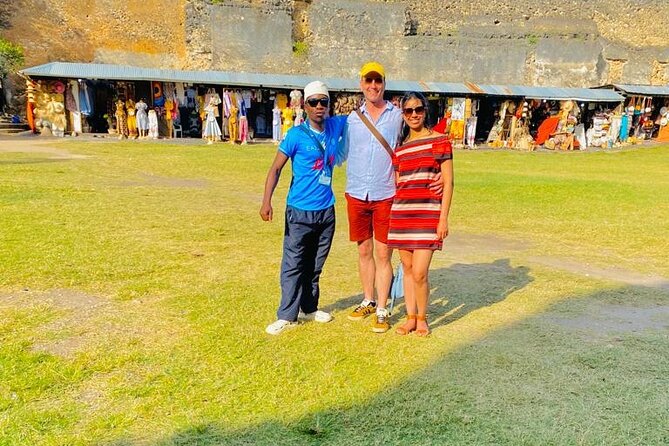
Then comes the pop-culture pivot: Freddie Mercury Museum. Here’s the key detail you should plan around.
You’ll primarily visit outside for photos. If you want to go inside, there’s an entrance fee of $8 per person, and that fee is not included. The stop is about 10 minutes.
I like this setup because it gives you choice. If you’re curious about the birthplace and legacy, you can pay and go in. If you’d rather keep costs low, you can still get the iconic photo without paying.
Budget note: if you’re doing Hamamni Persian Baths interiors too (also $8), those two choices can add up quickly.
Old Slave Market and Anglican Cathedral: History That Hits, Done Respectfully
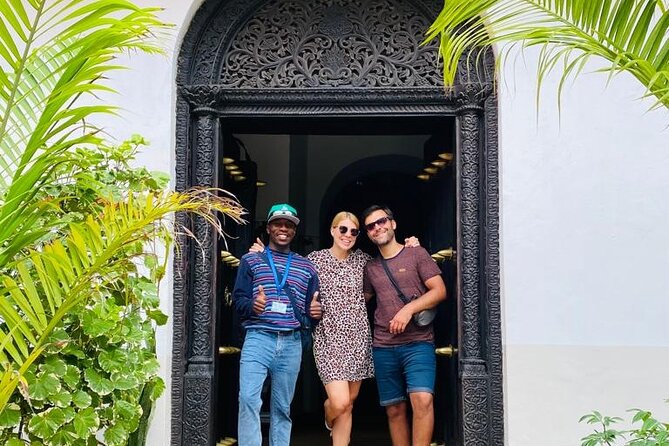
The most emotionally heavy stop is Old Slave Market / Anglican Cathedral. It sits on the former slave market site and includes a memorial that’s described as a moving tribute to victims.
This stop is listed as 15 minutes, and the itinerary notes ticket coverage here as included. But the price notes state that entrance fees for some sites—explicitly including the old slave market—are not included in the tour price. That matches a real-world pattern: one guest reports paying extra for seeing the slave market.
So for you, the best way to plan is to expect that you may pay an entrance fee for this stop area, even though the timing and memorial visit are part of the experience.
Practical advice: keep your phone away for a few minutes and listen. This is the kind of stop where the “why it matters” is the whole point.
People’s Palace Museum and Saint Joseph’s Cathedral: Small Stops, Strong Signals
You’ll continue with two quick architecture and power-history checks:
- People’s Palace Museum (formerly sultans’ palace): about 5 minutes, admission free
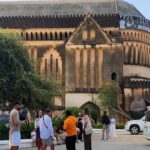
- Saint Joseph’s Cathedral: about 5 minutes, constructed by French missionaries in the 19th century, and admission free; the design is said to be similar to the Marseille Cathedral in France
I like these stops because they round out what you’ve already been seeing. You get governance and royal identity at People’s Palace, then you get the European missionary imprint at the cathedral.
They’re brief, so you don’t get stuck. You also don’t waste time chasing “the next big thing.” You’re building a mental map.
Darajani Bazaar and Jaws Corner: Real Streets to Watch, Not Just Browse
Then you hit the everyday heartbeat of Stone Town:
- Darajani Bazaar: about 10 minutes, admission free
You can pick up spices, fruits, vegetables, textiles, and more.
- Jaws Corner: about 5 minutes, admission free
It’s known for lively social life and aromatic beverages—an informal meeting point for locals.
These are good stops if you want to see life as it’s actually lived, not just staged. Bazaar time works especially well right after more formal history sites, because you can compare what power looked like on palace walls versus what daily survival looks like at a market stall.
Tip: keep your buying simple. Pick one or two small items (like spices or a textile sample) instead of turning it into a full shopping spree mid-walk.
Lukmaan Restaurant Stop: A Meal Break Built Into the Tour Plan
The tour includes a dedicated stop at Lukmaan Restaurant with about 45 minutes of time. This isn’t just a pass-by. It’s meant as a real chance to eat Zanzibari food.
The cost guidance here is practical: you can eat and experience Swahili cuisine for $20 per person or less, which is described as normal pricing for the area.
Lunch and alcohol aren’t included, so think of this as your meal option during the tour window, not a free lunch.
If you’re deciding what to order: pick something local and not too complicated, then save room for dessert or a late snack later if the day is still young.
Swahili House Rooftop Views: Free Sky, Paid Drinks
Next is the Swahili House, described as a hotel with a restaurant and a rooftop. The rooftop view of Stone Town is listed as free for everyone, with a clear condition: you should buy a drink like water or soda.
This is a smart stop because it gives your legs a break while showing you the layout of Stone Town. You can connect the streets you walked to the wider view.
What to do: treat the drink as your entry fee for the skyline. Order something simple and use the time to look for landmarks your guide pointed out on the ground.
Hamamni Persian Baths: Outside Architecture or Optional $8 Entry
Your final listed historic stop is Hamamni Persian Baths. The baths date back to the 19th century, with Persian and Arabian cultural influences.
You’ll visit outside to see the architecture. If you want to go inside, there’s an entrance fee of $8 per person, and it’s not included. The stop is about 5 minutes.
I like that you’re not forced into every paid interior. If you love architecture, you might pay. If you’re tired of entrances and just want the shape and story, outside works.
Budget friendly move: if you already paid for Freddie Mercury Museum interior, you might skip this inside and focus on the exterior design.
Price and What You Should Budget Beyond the $20
At $20 per person, this tour is excellent for first-time visitors who want a structured Stone Town experience without feeling trapped. You also get bottled water (mineral waters are free), plus parking fees are covered.
What can add costs:
- Freddie Mercury Museum interior: $8 per person (optional)
- Hamamni Persian Baths interior: $8 per person (optional)
- Certain site entrances are noted as not included, including the old slave market, the Swahili House, and the sultan’s palace area (even though some stops are free in the itinerary notes)
Because of those mixed notes, your safest approach is to plan for a small extra amount depending on what you choose to enter.
Rule of thumb: if you go inside both paid attractions, you can expect at least $16 per person on top of the $20. Then add anything else that turns into an entrance payment while you’re there.
Still, this is usually good value because most of your route is free admission stops, and the meal time at Lukmaan is built into the schedule.
Who This Stone Town Walk Is Best For
This tour fits best if you:
- Want a private guide in Stone Town’s narrow lanes
- Have limited time and want the key sights in 2 to 3 hours
- Like a mix of architecture, culture, and markets—not just photo stops
- Want a built-in place to eat like Lukmaan Restaurant without scrambling
It may be less ideal if you:
- Prefer long museum sessions over short orientation stops
- Hate walking in compact urban areas
- Want every site with paid interiors no matter what
The route is described as something most travelers can participate in, and reviewers note the walk happens at your pace. Still, Stone Town’s streets are tight, so choose comfort.
Should You Book This Stone Town Private Walking Tour?
If your goal is to get oriented fast and actually understand what you’re seeing, I think this is a strong booking. The private format, the logical sequence of sites, the choice-based stops (outside photos vs. paying to enter), and the inclusion of a real meal window make it practical.
I’d book it if you:
- Want history-with-context (including the solemn slave-market stop)
- Like markets and street culture as part of the experience
- Don’t want to spend your vacation doing logistics
I’d hesitate only if you’re trying to keep every cost at the absolute minimum. Entrance fees can pop up at a few places, and you’ll also want to budget for whatever you eat and drink at Lukmaan.
FAQ
How long is the 3 Hours private Stone Town walking tour?
It’s listed as approximately 2 to 3 hours.
Where does the tour start and end?
The tour starts at Forodhani, Zanzibar, Tanzania and ends back at the meeting point.
Is hotel pickup available?
Pickup is offered, and the tour is designed for a smooth start from your location.
Is the tour price all-inclusive?
The tour price includes some items like bottled water and parking fees, but entrance fees at several sites are not included.
Are there entrance fees for the Freddie Mercury Museum?
You can take photos outside for free, but to visit the museum inside, the entrance fee is $8 per person, and it is not included.
Do I need to pay to visit Hamamni Persian Baths?
The tour includes an outside visit. If you want to go inside, there is an entrance fee of $8 per person, and it is not included.
Is lunch included?
No. Lunch is not included, and alcoholic beverages are also not included.
Can I cancel for a full refund?
Yes. There is free cancellation up to 24 hours before the experience start time for a full refund.
If you’d like, tell me your travel dates and whether you want to pay for both Freddie Mercury and Hamamni interiors, and I’ll help you estimate a simple total budget for the tour day.