REVIEW · ZANZIBAR CITY
Zanzibar: Stone Town Walking Tour with Guide
Book on GetYourGuide →Operated by Riser Tours and Safaris Zanzibar limited · Bookable on GetYourGuide
Stone Town hits you fast: tiny lanes, big stories. This 3-hour walking tour threads together the sites that shaped Zanzibar, from coral-stone streets to iconic landmarks. You’ll also get a close look at how Arabic, African, Indian, and European influences lived side-by-side in everyday life.
I like that the walk is tightly focused but not rushed. You cover major stops like the Old Slave Market/Anglican Cathedral, the Freddie Mercury Museum area, the Old Fort, and Darajani Market, with time to ask questions and pause for photos.
One thing to consider: this is a lot of walking on uneven ground in narrow lanes. If you have back problems, are pregnant, or struggle with sustained walking, this tour may not be a good fit.
In This Review
- Quick take: what makes this Stone Town walk work
- Stone Town’s coral-stone lanes: why a guide matters
- Price and timing: is $30 for 3 hours good value?
- Where you’ll walk (and what to expect underfoot)
- The route: coral-stone Stone Town orientation to Old Slave Market
- Freddie Mercury Museum: more than a quick photo
- Old Fort, Sultan’s Palace area, and House of Wonders context
- Darajani Market: where the city feels most alive
- Guide style: pacing, stories, and small extras that make it memorable
- What to watch for: shopping stops and timing pressure
- Who should book this Stone Town tour?
- Smart ways to get more from the 3 hours
- Should you book this Stone Town walking tour?
- FAQ
- How long is the Stone Town walking tour?
- Is hotel pickup and drop-off included?
- What sites are part of the tour?
- What languages are the guides available in?
- What should I bring and wear?
- Are there any restrictions on what I can bring?
Quick take: what makes this Stone Town walk work
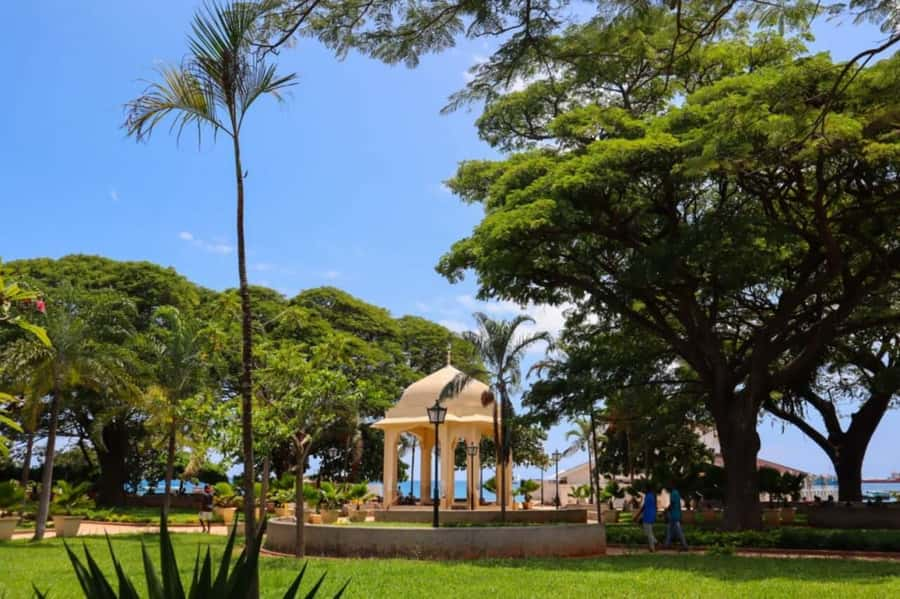
- Coral-stone streets and UNESCO-level sights in a walkable old-city maze
- Photo stops plus guided explanations at the big hitters: Old Fort and landmarks near Sultan’s Palace
- Darajani Market time for watching, shopping, and sampling the local rhythm
- A small group pace that tends to feel personal (and lets you stop for details)
- Licensed guides with English, German, or French options
- Easy day structure with hotel pickup and drop-off in Stone Town
Stone Town’s coral-stone lanes: why a guide matters

Stone Town isn’t the kind of place where you’ll accidentally get the full meaning just by walking around. The streets are narrow, the buildings are close, and the city’s layers are stacked in a way that can feel confusing without a local interpreter. That’s where this tour earns its place: you get a guided path through the historical core of the old city, including a coral-stone street built during the 19th and 20th centuries.
Stone Town was designated a World Heritage Site in 2000, and you’ll feel why. You’ll pass sites that show Zanzibar’s mix of faiths and trade: mosques, churches, and temples sitting side by side. Even if you’re not a history super-nerd, it helps you read what you’re seeing instead of just collecting photos.
You can also read our reviews of more walking tours in Zanzibar City


Price and timing: is $30 for 3 hours good value?
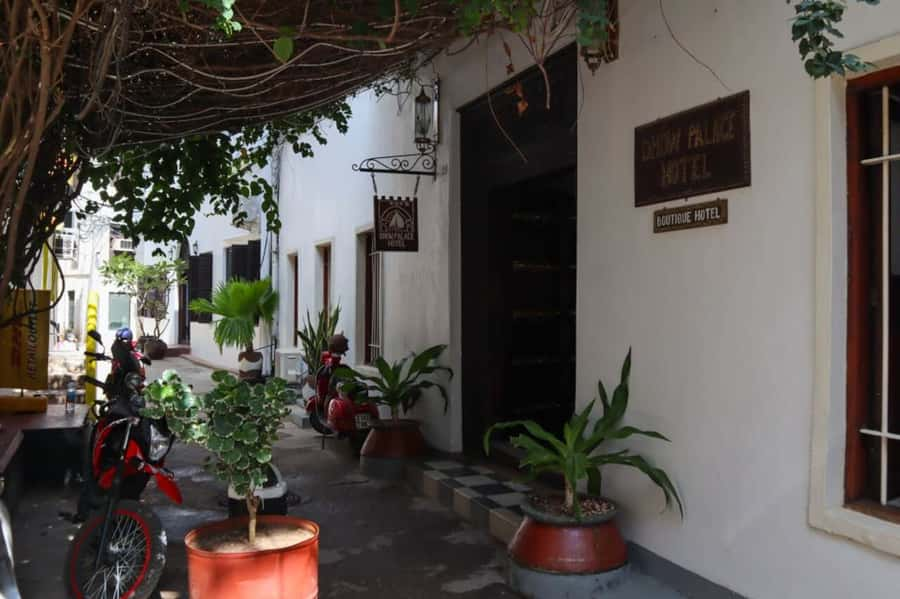
At $30 per person for about 3 hours, you’re paying for three things you’d otherwise need to figure out on your own: route design, interpretation, and practical logistics. You also get hotel pickup and drop-off (for the option you choose), plus a professional, licensed tour guide.
For a first visit, that’s a solid deal. Stone Town can swallow time fast, and the “wrong turn” rate is high. Paying for a guide helps you spend your energy on the key stops instead of wandering and guessing.
This is also a good length if you want to keep your day flexible. After three hours, you can still hit the rest of Zanzibar at your own pace—beach time, a self-guided wander, or a longer food stop.
Where you’ll walk (and what to expect underfoot)
This is a walking tour, built around tight lanes that cars can’t use. Expect uneven pavement in places, steps around older buildings, and plenty of turns that keep you in motion. I’d treat comfortable shoes as mandatory, not optional, because you’ll be on your feet for most of the 3-hour window.
You should also travel light. The tour notes no luggage or large bags, and alcohol/drugs aren’t allowed. A camera helps because you’ll be stopping often, especially around landmark exteriors and market scenes.
If you prefer slow, stop-and-stare sightseeing, you’re in the right place. Many guide-led moments are designed around pausing for photos and getting the story behind what you see.
The route: coral-stone Stone Town orientation to Old Slave Market
You start in Stone Town, where the guide sets the context quickly—photo stop, guided orientation, and time to settle into the maze. This first part matters because it helps you understand what you’re going to hit next. Instead of seeing famous buildings as isolated “things to tick off,” you start seeing them as parts of a connected urban story.
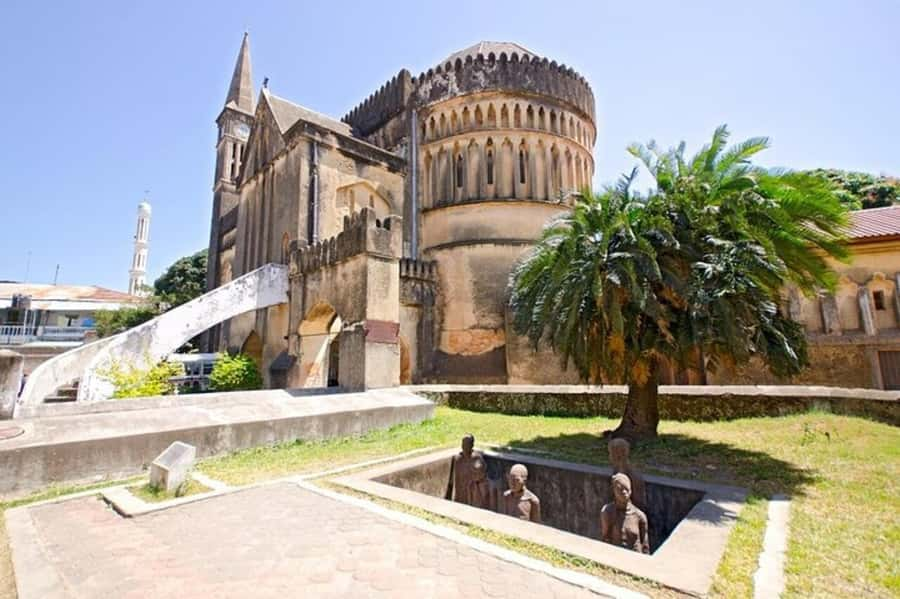
Then you move toward the Old Slave Market area and the Anglican Cathedral. This stop carries weight, and the guide’s job is to make the site understandable without turning it into a lecture you can’t process. The value here is not just the location—it’s the framing: why the area mattered, what the surrounding buildings imply, and how Zanzibar’s trading history shaped the city.
Tip: keep your questions coming here. Ask what terms mean, what you should notice in architecture, and how to spot the city’s different cultural influences as you keep walking.
Freddie Mercury Museum: more than a quick photo
The Freddie Mercury Museum is often the anchor stop people remember, and it fits the tour’s style well: you get a photo stop, plus time to visit and learn with your guide.
Even if you don’t know a lot about Mercury, this stop works as a lens on modern Zanzibar identity. It shows how the city connects its global fame back to local streets and daily life. The museum moment breaks up the heavier historical content with something more accessible and pop-culture friendly.
I also like that the tour isn’t just “look and leave.” The guiding is part of the experience, so you’re not stuck translating everything yourself.
You can also read our reviews of more guided tours in Zanzibar City





Old Fort, Sultan’s Palace area, and House of Wonders context
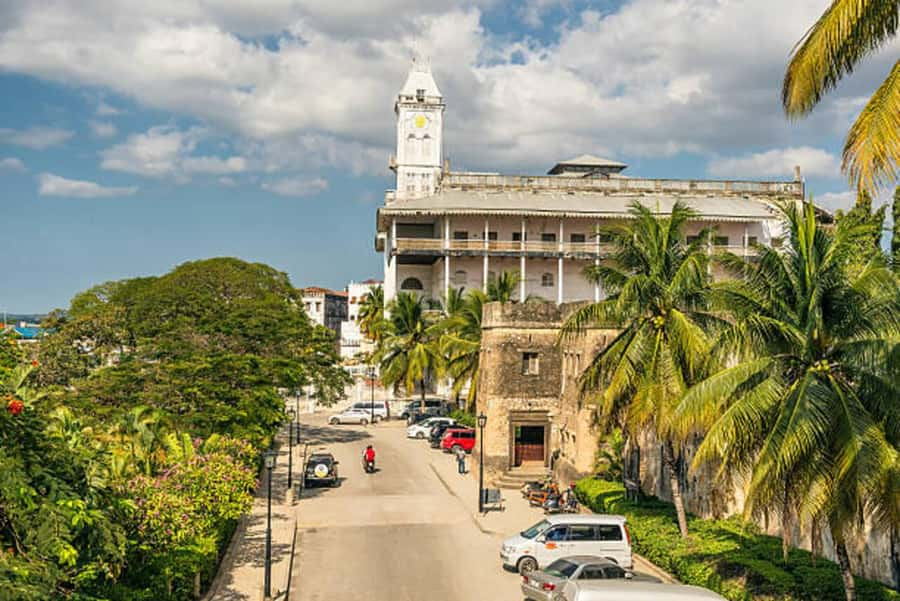
After the museum, you head toward the Old Fort area. This isn’t just a pretty backdrop for photos. It’s a chance to understand the city’s defense and governance side—how power showed up in architecture and location choices.
From here, the walk also connects to landmark zones tied to Sultan’s Palace and the House of Wonders. Even when you’re not spending long inside each place, the guide’s storytelling helps you connect dots: which buildings reflect trade networks, which reflect ruling authority, and how the city evolved over time.
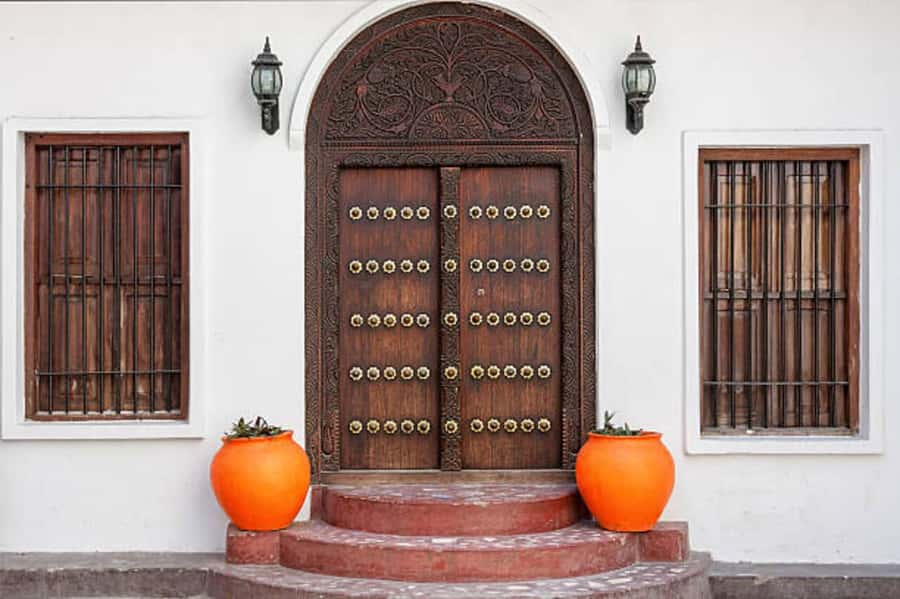
This portion of the tour is where your city-reading skills start paying off. You begin to notice patterns—entryways, courtyards, building styles, and the way different parts of Stone Town relate to each other. The guide helps turn random streets into a mental map.
Darajani Market: where the city feels most alive
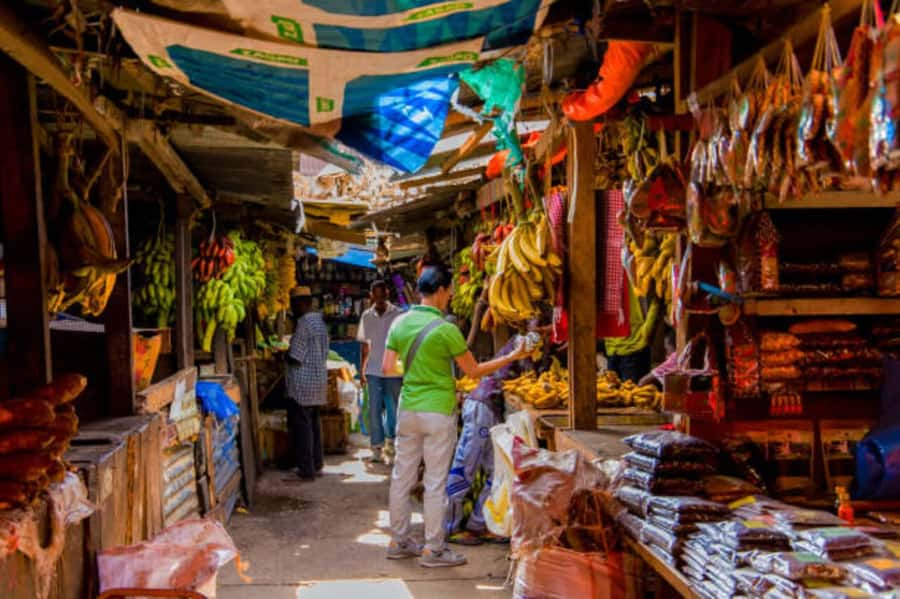
If Stone Town has a heartbeat you can see in motion, it’s Darajani Market. This stop includes time for visiting and guided context, plus a photo stop to help you frame what you’re seeing.
Markets can be overwhelming without a guide, mainly because there’s a lot of visual noise: stalls, sorting, bargaining, and constant movement. Your guide helps you interpret what’s happening and how to look respectfully. You’ll also likely get a sense of how locals use this space day-to-day, not just how it looks for visitors.
Also, this is usually where shopping fits in. The tour includes shopping as a general activity option, so don’t be surprised if your guide offers pointers on what to browse. If you’re not into buying things, you can still use the market time for people-watching and street-level culture.
Guide style: pacing, stories, and small extras that make it memorable
The biggest difference between an okay walk and a great one is the guide’s personality and how they manage the crowd. In the guides behind this experience, a clear pattern shows up: people praise guides for being friendly, engaging, and good at keeping the walk moving at a comfortable pace.
I’ve also seen hints of small “bonus” moments that turn a standard itinerary into something more human—like a brief Swahili lesson, singing during the walk, and even a stop at a rooftop coffee shop mentioned as a nice add-on. Those details matter because they give you a reason to remember the tour beyond the postcard stops.
If your guide named Abu/Abou comes up in your booking, that’s a common thread in positive feedback: guests describe him as kind, helpful, and able to answer questions while leading through narrow streets. Other guides named Jack and Bobby also show up in strong feedback. The underlying message is consistent: a good guide helps you feel less lost and more connected.
What to watch for: shopping stops and timing pressure
Not every moment of a walking tour is equally satisfying. One concern that pops up with tours like this is the risk of “stop-to-shop” feeling more important than “stop-to-learn.” In one experience, the walk included places that seemed more oriented toward spending money than adding information.
You can protect yourself with a simple mindset:
- Decide ahead of time what you want to buy, if anything.
- When you arrive somewhere, ask what you’ll learn or see in the next five minutes.
- If it feels like a sales push, it’s okay to politely keep moving at your own pace and stick with the parts you care about.
A good guide won’t mind you saying, Thanks, I’ll just look. The goal is your understanding, not a receipt.
Who should book this Stone Town tour?
This tour fits best if you:
- Want a first-day orientation to Stone Town’s layout and key landmarks
- Like walking tours that explain what you’re seeing (not just marching to a checklist)
- Enjoy cultural mixing—this one highlights the city’s intersections of faith and trade
It may not be ideal if you:
- Have back problems or mobility limitations
- Are pregnant
- Need to avoid long stretches on uneven ground
- Have very young children (the tour is not suitable for babies under 1 year)
If you’re traveling with seniors, consider your comfort level carefully because the tour isn’t intended for people over 95 years.
Smart ways to get more from the 3 hours
You’ll get the most value if you come ready to ask questions. I’d specifically ask:
- What should I notice in the architecture as we move through different areas?
- Which sites are most important for understanding the city’s past role?
- How does the city blend different cultures in everyday life?
Also, bring a camera and use it strategically. Snap exterior shots, yes, but also take photos of details—doorways, street corners, and signage—because those are the clues your guide points out.
Finally, plan for heat and sun. The tour is short, but Stone Town walking can feel intense. Pace yourself. Take shade when offered.
Should you book this Stone Town walking tour?
I’d book it if you want a guided, efficient way to understand Stone Town’s key landmarks and the city’s layered cultural identity. For $30 and 3 hours, the combination of hotel pickup, a licensed guide, and major stops like the Old Slave Market area, Old Fort, and Darajani Market makes it a strong value—especially as your first taste of Zanzibar’s old city.
Skip it or choose something gentler if your body can’t handle walking in narrow lanes, or if you’re sensitive to shopping-heavy stops. Otherwise, this is a practical way to get your bearings fast and leave with a real sense of how Stone Town works.
FAQ
How long is the Stone Town walking tour?
The tour lasts about 3 hours.
Is hotel pickup and drop-off included?
Yes, hotel pickup and drop-off are included for the selected pickup option.
What sites are part of the tour?
You’ll visit and/or stop at key places including the Old Slave Market/Anglican Cathedral, the Freddie Mercury Museum, the Old Fort, Sultan’s Palace area, the House of Wonders area, and Darajani Market.
What languages are the guides available in?
The tour guide is available in English, German, and French.
What should I bring and wear?
Bring a camera and wear comfortable shoes.
Are there any restrictions on what I can bring?
Alcohol and drugs aren’t allowed. The tour also says no luggage or large bags.