REVIEW · ZANZIBAR
Stone Town walking tour, shopping, history and culture
Book on Viator →Operated by Zanzibar Home Taxi and Tours · Bookable on Viator
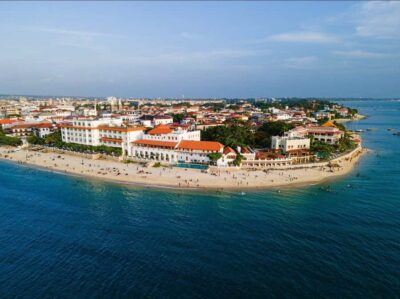
Stone Town feels like a living map. This private 3-hour walking tour has you threading through Zanzibar’s UNESCO-listed lanes with a local guide, hitting big landmarks like the House of Wonder, Old Fort, Freddie Mercury sites, the former slave market, and Darajani Market, plus time to shop. It’s an easy way to get your bearings without trying to master Stone Town on your own.
I particularly like two things: you get a true private guide, so the pace and questions stay personal, not canned; and you get strong value for money with admission handled (including the former slave market entrance) plus a bottle of water. You’re also built a little buffer for browsing, so you’re not rushed straight from one stop to the next.
One consideration: transportation from your hotel isn’t included. You’ll start at People’s Palace Museum at 9:00 am, so if you’re far away, it’s worth arranging a pickup rather than hoping it’s a quick stroll.
In This Review
- Key highlights I’d circle before you book
- Starting at People’s Palace Museum at 9:00 am
- How a private Stone Town guide changes everything
- House of Wonders (Beit-el-Ajaib) and the Old Fort (Ngome Kongwe)
- Freddie Mercury House and Museum: famous, but placed in context
- The former Zanzibar Slave Market stop and what’s included
- Forodhani Garden, Jaws Corner, and local street food walking
- Darajani Market shopping time (and how to use it well)
- Tickets, admissions, and the simple value of “what’s included”
- Pace, route style, and what to wear for the walk
- The human side: guides named Makame and Abdul
- Who this tour is best for
- Should you book Stone Town, shopping, history and culture?
- FAQ
- Where does the Stone Town walking tour start?
- What time does the tour begin and how long is it?
- Is this a private tour?
- What is included in the price?
- What sites will we visit?
- Is hotel transportation included?
- Is bottled water provided?
- Can I get a full refund if I cancel?
Key highlights I’d circle before you book
- UNESCO Stone Town sights in about three hours so you’re not stuck all day
- Admissions included, including the former Zanzibar slave market entrance
- A private guide who keeps you moving through the old streets with local context
- Freddie Mercury House/Museum stop alongside major Stone Town landmarks
- Market and souvenir time, with Darajani Market on the route
- Bottled water provided for comfort during the walk
Starting at People’s Palace Museum at 9:00 am
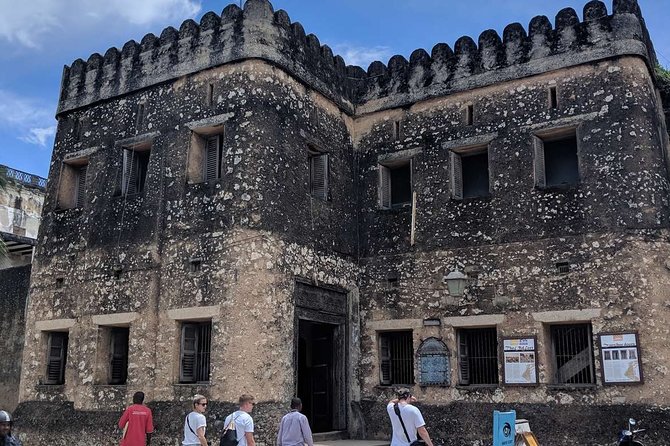
The tour starts at People’s Palace Museum on Mizingani Rd (People’s Palace Museum, R5QR+X6C). Meeting here matters because it anchors you in the old-city area where most Stone Town walking makes sense.
The timing is straightforward: you meet at 9:00 am and the tour runs about 3 hours. It’s long enough to see several anchors of Stone Town, but short enough to still feel like a half-day plan rather than a full production.
And yes, you’ll end right back at the same meeting point. That’s a small thing, but it helps when you’re trying to plan lunch, beach time, or another ticketed stop later.
You can also read our reviews of more walking tours in Zanzibar


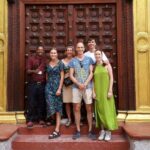
How a private Stone Town guide changes everything
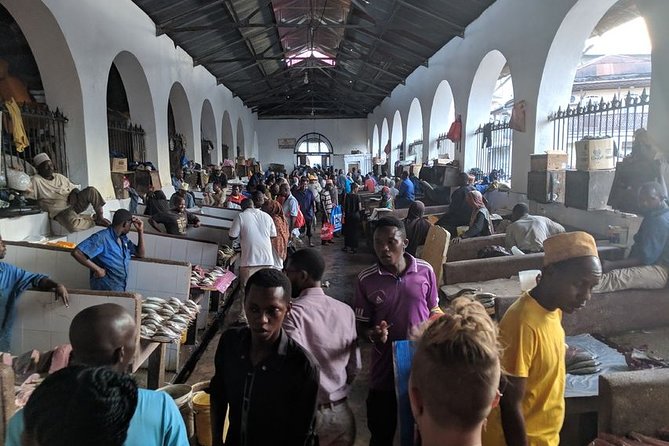
Stone Town can be confusing in a very normal way. The streets twist, the sights are close together, and it’s easy to walk past important places while you’re just trying to find the next turn.
That’s where a private guide pays off. You get personal attention and you can ask what you actually care about—culture, how people live, or how the landmarks connect to the story of the city. The tour is designed around local explanations as you move from site to site, including the narrow streets where daily life spills into the path.
It also helps that the experience includes bottled water. Even if you’re an organized person, hot sun and Stone Town stone can wear you down faster than you expect, especially during market-side walking.
House of Wonders (Beit-el-Ajaib) and the Old Fort (Ngome Kongwe)
One of the best parts of this tour layout is that it doesn’t treat Stone Town like a checklist. You move between major landmarks—the House of Wonders (Beit-el-Ajaib) and the Old Fort (Ngome Kongwe)—but the guide’s job is to connect them to everyday Zanzibar life and cultural context.
What you’ll get from these stops is essentially orientation with meaning. Instead of just seeing names on walls, you’re learning how people understand these places and what they represent in the city’s larger story.
A practical note: these are “look-and-listen” stops more than “sit-and-stare” stops. If you like photos, you’ll probably find moments to pause, but don’t expect long museum-style time. Bring a small patience buffer—this is a walking tour, and the pacing keeps you moving through the parts of Stone Town that feel alive.
Freddie Mercury House and Museum: famous, but placed in context
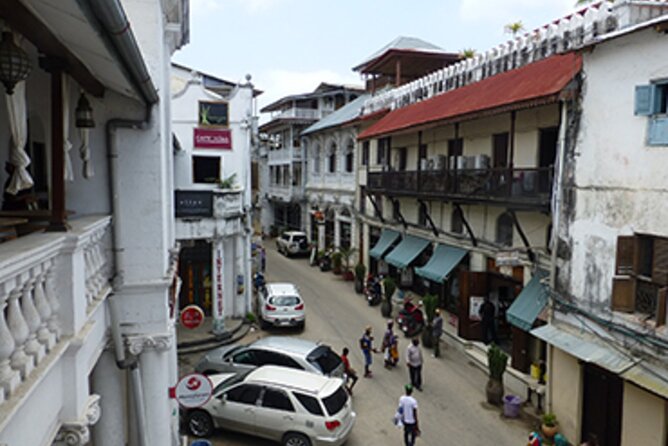
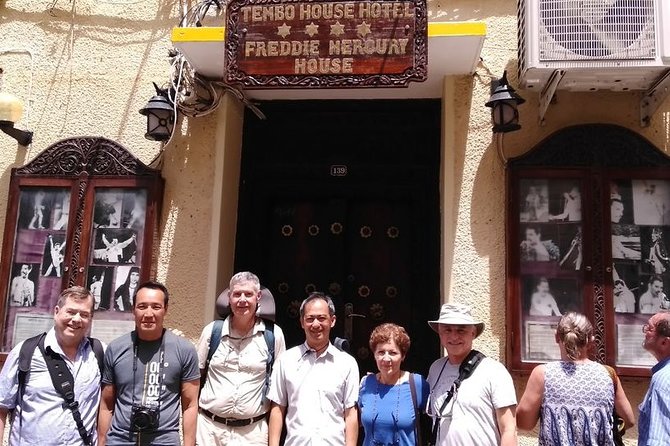
The tour includes a stop connected to Freddie Mercury—listed as the Freddie Mercury House, and described as also including the Freddie Mercury Museum area. Either way, it’s a chance to see one of the best-known pop-culture pins on the Stone Town map without turning your day into a single-spot detour.
The key here isn’t fame. It’s the way the guide weaves the stop into the rest of Stone Town. When you’re walking through markets and historic sites right after, the pop-culture landmark feels like another thread in the city’s modern identity, not the whole story.
If you’re a fan, you’ll likely enjoy the attention it gets from the guide. If you’re not, I’d still say it’s worth having on the route—because Stone Town is full of layers, and this is one of the easiest layers to recognize fast.
The former Zanzibar Slave Market stop and what’s included
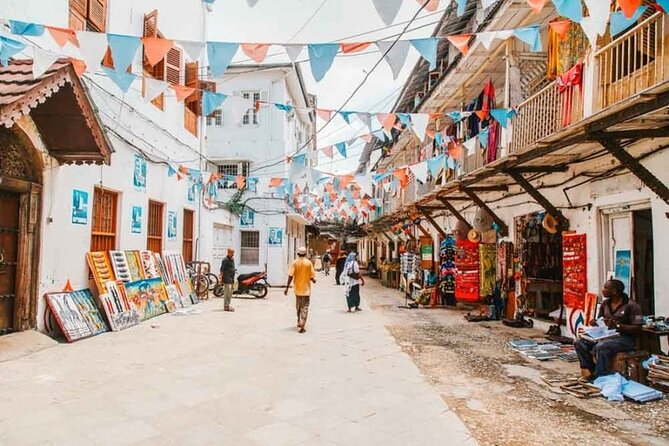
This is the emotional anchor of the tour. You’ll visit the Old Zanzibar Slave Market (also referred to as a former slave market stop), and the tour includes the entrance fee for that specific site.
That included admission is a real value point. You avoid the common travel headache of trying to figure out who pays what at each stop, and you can focus on the visit itself. It also signals that this stop isn’t treated as a quick photo moment—it’s a planned part of the route.
Because the content centers on a painful part of history, I’d plan your mindset accordingly. Don’t pack this stop right before you need to rush to something else. If you tend to get affected by history, give yourself a little breathing space afterward—Stone Town moves on quickly, but your feelings don’t have to.
You can also read our reviews of more historical tours in Zanzibar




Forodhani Garden, Jaws Corner, and local street food walking

After the heavier stops, the tour shifts into the everyday rhythm of Stone Town. You’ll pass through Forodhani Garden and Jaws Corner, and you’ll also have a route built for seeing local street food from the moving lanes and side streets.
This part is one of the most enjoyable for first-timers, because it helps you understand the city as lived-in space. Landmarks are important, but Stone Town is also snacks, small errands, conversations, and that in-between time where nothing feels like it’s for tourists alone.
The practical benefit: your guide helps you navigate the flow, so you don’t just walk through crowded areas blind. You’re guided toward what to notice, and you also get pacing so you’re not stuck spending half the tour trying to find a vendor.
If you have dietary restrictions, you might find the best approach is to simply ask your guide what’s around and how people order. The tour includes water, but it doesn’t specify meal plans beyond street food spotting, so use the guide’s local knowledge to keep you comfortable.
Darajani Market shopping time (and how to use it well)
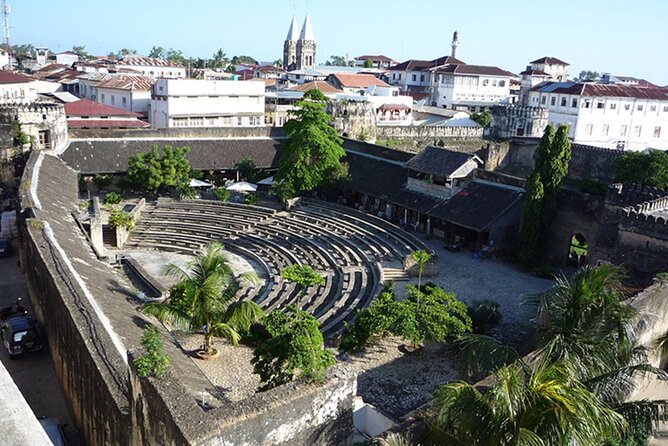
You’ll end with Darajani Market—spelled as Darajani (and sometimes written as Daranji in tour text), but it’s the same market stop in practice. This is where the tour becomes practical shopping time, not just sightseeing.
The schedule leaves you with time to browse for souvenirs. That’s important because in many “sight-first” tours, shopping is a 10-minute sprint. Here, you get actual space to compare items, check prices, and decide what you genuinely want instead of buying on the spot out of pressure.
A smart strategy: go into the market portion with a few categories in mind—small gifts, spices or food items if that’s your thing, or textiles if you’re searching for something handmade. That keeps you from drifting for 45 minutes just because the streets are interesting.
If you care about bargaining, you’ll likely have a better experience with a local guide nearby. Even when you’re negotiating calmly, it helps to have someone who understands local expectations and can help you avoid awkward misunderstandings.
Tickets, admissions, and the simple value of “what’s included”
This tour is priced at $25.85 per person, and the big question is whether you’re getting more than a basic walk with no structure. In this case, the inclusions are what make the price feel fair.
Here’s what’s included:
- Tour guide
- Bottle of water
- Entrance fee at the former slave market (and the tour summary also notes admission fees are included)
That matters because Stone Town sightseeing often comes with small extra fees and sudden “where do we pay for this?” moments. With admissions handled for the key stop, you’re not stuck doing math while you’re trying to be present.
Also, the tour uses a mobile ticket, which cuts down on paperwork stress. For a 3-hour walk, that’s a win.
On the other hand, the tour doesn’t include lunch and it doesn’t include transportation from your hotel. If you’re planning your day, treat lunch as your job to figure out, and treat getting to the meeting point as something you should plan rather than hope.
Pace, route style, and what to wear for the walk
This is a walking tour, and Stone Town’s surface can be uneven. The route is designed to move through narrow streets rather than big, fast roads, which is great for atmosphere—but it also means you want shoes that don’t hate you by hour two.
Bring:
- Comfortable walking shoes
- Light layers for sun and breeze
- A small bag that’s easy to manage in tighter streets
The tour is private, so you can usually move at a pace that fits your comfort. Still, the structure is set for about three hours, so expect frequent movement between stops rather than long stretches of sitting.
The human side: guides named Makame and Abdul
A standout from past bookings tied to this provider is the emphasis on service and responsiveness. Names like Makame and Abdul come up in connection with well-organized Stone Town guiding, with notes about being on time and attentive.
Even if you don’t know the exact guide assigned to your day, this kind of track record is reassuring. It usually translates into clearer communication, smoother timing, and less wandering around trying to find the next correct corner.
It’s also helpful that the company has been described as quick to respond, including through WhatsApp for coordination. That matters in real life when you need a plan for transfers or you’re trying to sync your start time without stress.
Who this tour is best for
This private Stone Town walking tour is a great match if you:
- Want the major Stone Town landmarks without organizing them yourself
- Prefer walking with context instead of solo wandering
- Like combining history stops with market time and shopping
- Are traveling as a pair or small group and want attention from your guide
It’s also a decent fit for first-time visitors who don’t yet know the layout and would rather let someone else handle the turns.
If you’re the type who needs long breaks, heavy photo time, and museum-style pacing, this may feel a bit active. The tour is built to move—so it’s ideal when you’re in the mood for steady city walking.
Should you book Stone Town, shopping, history and culture?
I’d book it if you want a smart first day in Stone Town: landmarks, culture, market time, and a guide keeping the day organized. At $25.85, the value is strongest because admission fees are included for the former slave market and you’re not stuck budgeting extra costs stop-by-stop.
I’d think twice if your schedule is tight and you don’t want to manage the logistics of getting to the meeting point. Since transport from your hotel isn’t included, you’ll want a plan for reaching People’s Palace Museum by 9:00 am.
Overall, this tour is for people who like their travel days to feel both meaningful and practical—history with context, plus enough market time to bring home something you actually chose.
FAQ
Where does the Stone Town walking tour start?
It starts at People’s Palace Museum, listed at R5QR+X6C, Mizingani Rd, Zanzibar, Tanzania.
What time does the tour begin and how long is it?
The start time is 9:00 am and the duration is about 3 hours.
Is this a private tour?
Yes. It’s a private tour/activity, so only your group will participate.
What is included in the price?
The tour includes a tour guide, a bottle of water, and entrance fee at the former slave market. The tour summary also states admission fees are included.
What sites will we visit?
You’ll visit places including the House of Wonder (Beit-el-Ajaib), Old Fort (Ngome Kongwe), the Freddie Mercury House and/or Freddie Mercury Museum, the Old Zanzibar Slave Market, and Darajani Market, plus stops around Forodhani Garden and Jaws Corner.
Is hotel transportation included?
No. Transportation from the hotel is not included, but you can contact the provider if you need a transfer.
Is bottled water provided?
Yes. A bottle of water is provided.
Can I get a full refund if I cancel?
Yes. You can cancel for a full refund if you cancel at least 24 hours before the experience starts. If you cancel less than 24 hours before, the amount you paid is not refunded.