REVIEW · ZANZIBAR
Zanzibar Stone Town Historical Tour and Spice Farm Tour
Book on Viator →Operated by Zanali taxi & excursions · Bookable on Viator
Stone Town can be intense, in a good way. This combined Stone Town history tour plus spice farm visit gives you one smooth half-day to see major landmarks, hear the stories behind them, and finish with fruit and spice tasting. I like how the route is tight and efficient, and I really like the hands-on spice farm part, not just a quick photo stop. One thing to consider: the focus is on walking and curated stops, so if you want long free time in shops, you’ll need to plan extra time after the tour.
Most days run about 3 hours 30 minutes, and it starts and ends around Forodhani, so timing works best if you’re already in the Stone Town area. The other thing to watch is shopping at the spice farm: the products can be pricier than you’ll find elsewhere in town, even though the guide will explain what you’re buying and how it’s processed.
In This Review
- Key highlights you’ll feel from the start
- Stone Town beginnings at Forodhani and the House of Wonders
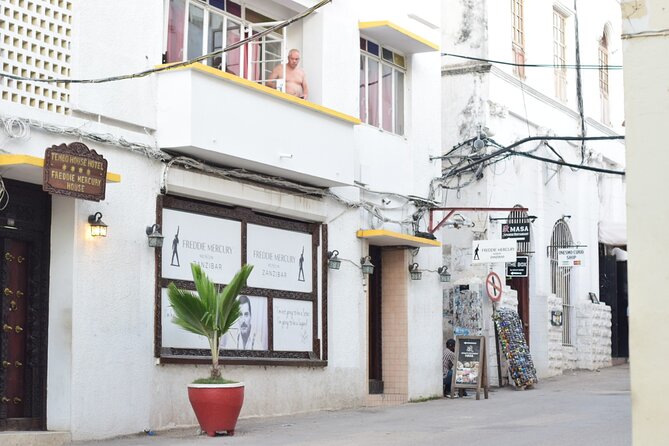
- Freddie Mercury’s Zanzibar: an exterior pause that works
- People’s Palace Museum: Sultans’ Palace in a 30-minute window
- Old Slave Market and the Anglican Cathedral: learning with care
- Jambo Spice Farm: picking, tasting, and a traditional spiced lunch
- Price and logistics: is $50 a good value?
- Getting the most out of Stone Town plus the farm
- Who should book this Zanzibar combo tour?
- FAQ
- FAQ
- How long is the Zanzibar Stone Town Historical Tour and Spice Farm Tour?
- What’s the price per person?
- What’s included in the tour?
- Are the entrance fees included?
- Where does the tour start and end?
- Is pickup available?
- Is this a private tour?
- What’s not included?
- What’s the cancellation policy?
Key highlights you’ll feel from the start
- Forodhani meeting point: easy to orient yourself in the middle of Stone Town life.
- House of Wonders stop: a major landmark connected to Zanzibar’s royal era and its changing power.
- Freddie Mercury exterior view: a quick pop of pop-culture history without turning the tour into a museum sprint.
- People’s Palace Museum (Sultans’ Palace): royal rooms and artifacts in a contained, admission-included visit.
- Old Slave Market and Anglican Cathedral: a serious stop handled through context and a chance to reflect.
- Jambo Spice Farm tastings and spiced lunch: hands-on picking, smelling, and eating, not just a lecture.
Stone Town beginnings at Forodhani and the House of Wonders
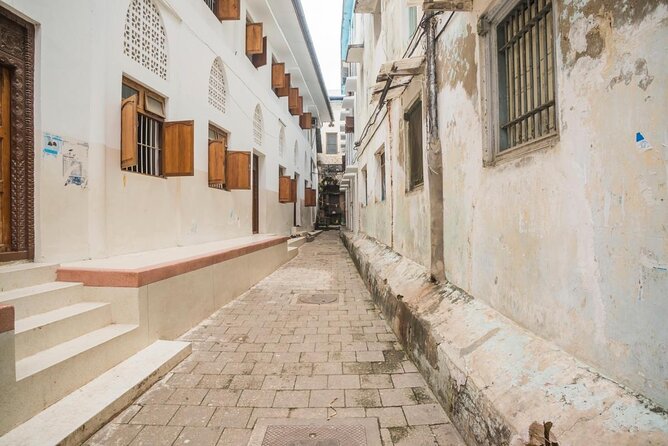
The day kicks off at Forodhani, a practical starting point because you’re already in the thick of Stone Town’s sights. From there, the tour walks you into the city’s older layers—where architecture, trade, and politics overlap in the smallest spaces.
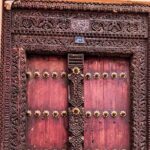
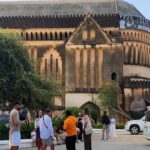
One early stop is the House of Wonders. Even if you don’t have time to read every plaque, the building itself does a lot of the storytelling. You’ll notice the kind of scale and design that reflects Zanzibar’s position as a power connected to maritime trade and shifting rulers. This stop sets the tone: Stone Town isn’t just pretty lanes and doors. It’s a place where big history happened close to the street.
Why this matters for you: if it’s your first time in Stone Town, a landmark like this helps you get your bearings fast. Without that, you can end up walking in circles and calling it exploration.
A small drawback: the pace is efficient, not slow and scenic. If you’re hoping for lots of wandering with zero structure, you may feel slightly steered from stop to stop.
You can also read our reviews of more historical tours in Zanzibar

Freddie Mercury’s Zanzibar: an exterior pause that works
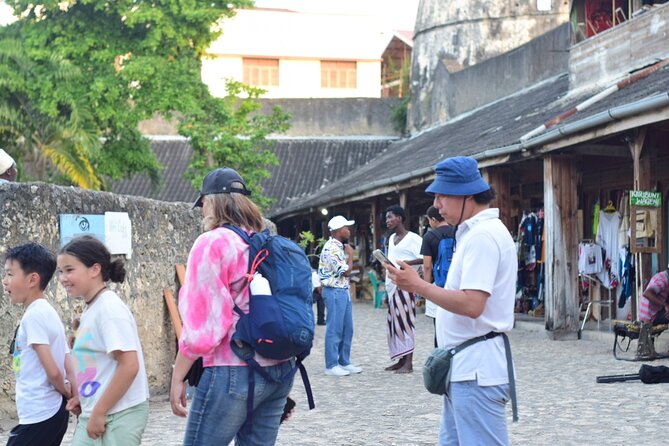
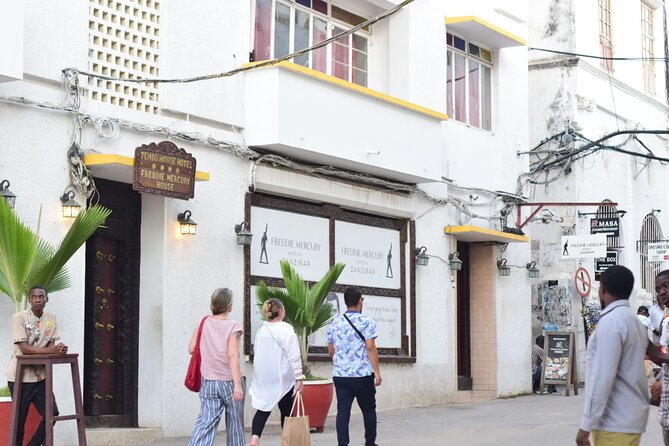
Next is the chance to see the former residence linked to Freddie Mercury. You won’t go inside, but you do get the story connection, and you get it at an actual place in Stone Town rather than as a generic trivia moment.
This stop is smart because it gives a break from the heavier royal and trade history, but it still feels anchored in reality. It’s also helpful if you have music fans in your group—people perk up when a familiar name shows up in a real street scene.
Practical tip: bring a bit of patience for photo time. The group is small only in the sense that it’s private, but the streets and viewpoints still take basic street-smart timing.
People’s Palace Museum: Sultans’ Palace in a 30-minute window
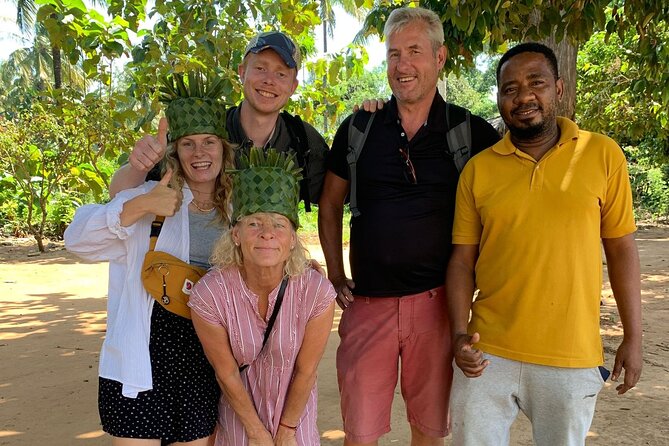
The People’s Palace Museum, also known as the Sultans’ Palace, is the first stop where the tour slows down enough for you to absorb what you’re seeing. Admission is included, and you’ll have about 30 minutes inside.
In that time, you’re not trying to memorize everything. Instead, you’re looking for the overall picture: how Zanzibar’s rulers lived and how their power showed up in objects and room layouts. Artifacts and palace details help you understand that the city’s architecture wasn’t random. It was political.
Why it’s valuable: a lot of places in Stone Town look like history from the outside. This one gives you some history from the inside—so the streets make more sense after.
Possible consideration: if you love museums and want more reading time, 30 minutes can feel short. The tour is built to fit both Stone Town and the spice farm in one half-day.
Old Slave Market and the Anglican Cathedral: learning with care
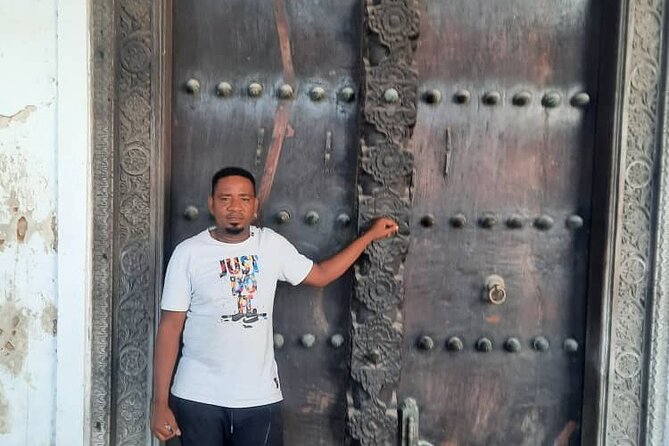
Then comes one of the most serious stops: the Old Slave Market site. This is where the tour addresses the dark history of the slave trade in the region. It’s not a quick walk-by. You’ll spend about 45 minutes here, and admission is included for the attached stop.
Right on the grounds is the Anglican Cathedral, built on the former slave market area. The point of that pairing is clear: the site holds memory, and the cathedral adds a different tone—one about survival, endurance, and faith after horror.
How to get more from this stop: give yourself permission to slow down. Don’t rush through photos. If you’ve got questions, ask your guide. A good guide here won’t just list facts; they’ll help you understand why the location matters and how to hold that knowledge respectfully.
One consideration: it’s emotionally heavy. If you’re traveling with kids or anyone who gets overwhelmed, plan for a gentler pace afterward. The tour continues, and the spice farm comes after, so the mood shift is real.
Jambo Spice Farm: picking, tasting, and a traditional spiced lunch

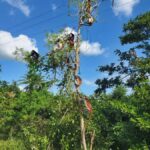
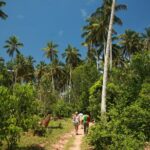
After Stone Town, the tour heads out to Jambo Spice Farm for about 2 hours. This is the part people tend to remember because it’s hands-on. You’ll walk through the farm’s grounds and learn about common spices such as cloves, cinnamon, and cardamom, plus the fruit and plants that grow alongside them.
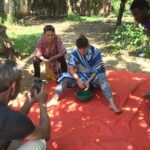
You’ll also do interactive bits—like picking produce and doing spice tasting—with a guide guiding you through what you’re smelling and why it matters. And yes, you’ll get to eat: there’s a traditional meal featuring local spices.
What makes this practical for you is the sensory learning. Even if you’ve read about spice routes before, it hits differently when you can smell and taste the ingredients. You start connecting the terms you see on packaging to real plants, not just dried powder in a shop.
About the lunch: it’s included, and it’s where the day tastes the way it smells. If you’re the type who likes to know what you’re paying for, this is one of the best value elements in the whole itinerary.
Shopping reality check: you can buy spices, but the farm shop isn’t the cheapest place in town. That doesn’t automatically mean it’s a rip-off—sometimes you’re paying for higher-grade products and service—but it does mean you should shop with a plan. Decide what you want to bring home before you start browsing, and compare prices later if you care about squeezing the budget.
A few more Zanzibar tours and experiences worth a look





Price and logistics: is $50 a good value?
At $50 per person for about 3 hours 30 minutes, this is priced like a solid “do two things at once” deal: a curated Stone Town history run plus a farm experience with tasting and lunch.
What you get that makes the math work:
- A professional guide who leads the whole flow.
- Water, fruits, and a traditional meal that uses local spices.
- Entrance fees included where tickets apply (notably the museum and cathedral area).
- Pickup and drop-off from your hotel around Stone Town (so you’re not self-navigating in traffic and heat).
From the guide side, there are hints of consistency in how the day runs. I’ve heard names like Ali and Daudi associated with excellent pacing and clear answers. If Ali’s on your day, you can expect a smooth start—punctual pickup and safe, comfortable driving to the farm. Daudi’s often praised for being careful with questions and keeping Stone Town walking structured so you don’t get lost in the maze of lanes.
Timing check: it’s short enough that you won’t drain a whole day, but long enough to feel like you learned something and did something. For first-timers, that’s a good mix.
One cost consideration: tips aren’t included, and personal purchases aren’t included. Spice purchases are the easy budget wildcard.
Getting the most out of Stone Town plus the farm
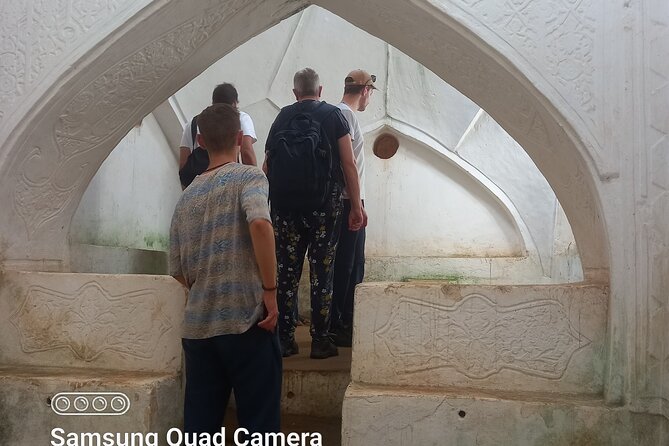
This tour works best if you come with realistic expectations. You’re not getting a full-day tour of every museum. You’re getting a tightly packed route that covers major touchpoints: royalty, architecture, a painful trade history site, and then the scent-and-flavor side of Zanzibar.
Here’s how to make it better for your needs:
- Wear shoes you can walk in for Stone Town lanes. Even on a guided route, you’ll be on foot most of the time.
- Bring a basic sun plan. The day includes outdoor walking and a farm setting.
- Think about shopping like a grown-up. Decide what spice products you actually use at home. If you don’t cook much, don’t buy a suitcase of powders just because they smell good.
- If you’re picky about comfort, ask your guide about the walking pace early. Guides can often adjust how fast you move while still hitting key stops.
A fun small detail: the day is structured so you end with the farm. That’s a nice momentum shift. After the heavier Stone Town content, you get breathing room—and food.
Who should book this Zanzibar combo tour?
Book it if:
- You want a first-time Stone Town overview that doesn’t leave you confused.
- You like tours with both culture and food (and not just one of them).
- You’re curious about Zanzibar spices and want tasting plus lunch, not only a shop stop.
- You prefer a private tour for your group, so the guide can answer questions at your pace.
You might skip it (or add something else) if:
- You’re only interested in one of the two halves (Stone Town history or spice farm).
- You want hours and hours of free wandering and shopping time.
- You’re sensitive to heavy historical content. The Old Slave Market stop is part of the route and takes a meaningful amount of time.
Should you book it? If you want a smart half-day plan that balances major sights with sensory spice learning, this is one of the easier ways to do it without spending your whole day in transit or on decision-making.
FAQ
FAQ
How long is the Zanzibar Stone Town Historical Tour and Spice Farm Tour?
It’s about 3 hours 30 minutes.
What’s the price per person?
The price is $50.00 per person.
What’s included in the tour?
Included are the services of an experienced professional tour guide, water and fruits, and a traditional meal featuring local spices, plus pickup and drop-off from your hotel around Stone Town and service entrance fees.
Are the entrance fees included?
Yes. Entrance tickets are included for the People’s Palace Museum and the Old Slave Market/Anglican Cathedral stop. Admission at Jambo Spice Farm is also included (free).
Where does the tour start and end?
It starts at Forodhani, Zanzibar, Tanzania and ends back at the meeting point.
Is pickup available?
Yes, pickup and drop-off are offered from your hotel, around Stone Town only.
Is this a private tour?
Yes. It’s private, so only your group participates.
What’s not included?
Tips and personal expenses aren’t included.
What’s the cancellation policy?
You can cancel for a full refund up to 24 hours before the start time. If you cancel less than 24 hours before, the amount paid isn’t refunded.