REVIEW · ZANZIBAR
Spice Tour & Cooking Class in Zanzibar
Book on Viator →Operated by Zan Archipelago Tours & Safaris · Bookable on Viator
A spice day with a real payoff. This Zanzibar experience strings together a spice farm visit and a hands-on cooking class so you don’t just hear about flavors, you use them. I especially like the chance to see plants like clove, vanilla, nutmeg, ginger, turmeric, and black pepper in their natural setting, then translate that into food at the table. One thing to consider: pickup is only around Stone Town, so if you’re farther out, you may need to make your own way to the meeting area.
I also like that the day is structured for questions, not just photos. Guides such as Sultan (punctual, friendly, fun, and great at explaining) and Mady (who focuses on safety and Zanzibar/Tanzania context) can turn the walk into a mini-course on what spices actually do in local cooking. And yes, you’ll get a chance to buy local items like spices and even soaps and creams made on the island—useful souvenirs, not just clutter.
In This Review
- Key highlights you’ll feel (not just see)
- From Stone Town to a working spice farm (the best use of your time)
- Jambo Spice Farm: clove, vanilla, nutmeg, ginger, turmeric, black pepper
- The cooking class that turns spice facts into dinner
- Why this cooking format is worth your money
- Meeting the chef and the tone of the class
- What you get for $60: pickup, lunch, guide, and included admission
- Shopping for spices, soaps, and creams you can bring home
- Group size, private vibe, and how that affects your day
- Who this spice tour fits best (and who should reconsider)
- Should you book this Zanzibar Spice Tour & Cooking Class?
- FAQ
- How long is the Spice Tour & Cooking Class in Zanzibar?
- Where does the tour start and end?
- Is hotel pickup included?
- What is the price per person?
- What’s included in the cost?
- What is not included?
- Is this tour private?
- Do I get a ticket on my phone?
- How far in advance is this tour commonly booked?
- What is the cancellation policy?
Key highlights you’ll feel (not just see)
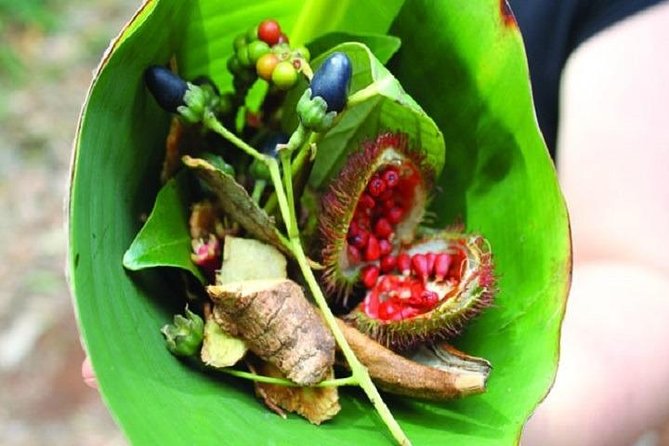
- Jambo Spice Farm walkthrough with clove, vanilla, nutmeg, ginger, turmeric, and black pepper plants
- Traditional cooking class where what you learn becomes what you cook
- Spice lunch plus drinks and mineral water, included in the $60 price
- Hotel pickup and drop-off around Stone Town, making it easy to fit into your day
- Buy locally made spices and products like soaps and creams for take-home flavor
From Stone Town to a working spice farm (the best use of your time)
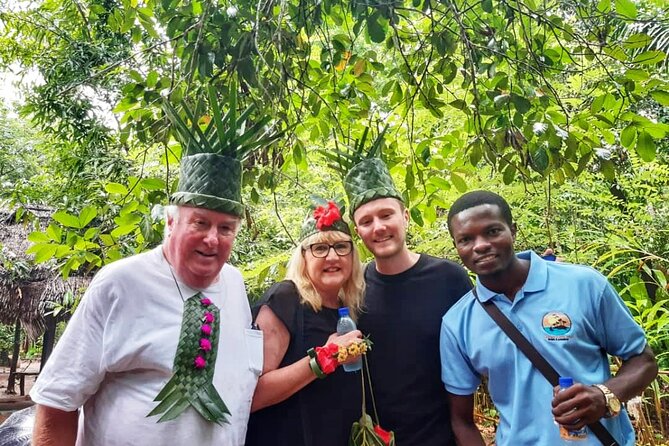
This is one of those tours that makes practical sense if you want a Zanzibar food experience without spending the whole day on a bus. You start in Stone Town, and the tour runs for about 6 hours total, with a big chunk of that time spent outdoors at the farm.
The reason I like this format is simple: spices aren’t abstract here. You can smell and handle what you’ll later use in the kitchen, so the cooking class feels connected rather than like a separate show. With pickup and drop-off included around Stone Town, you’re also not wrestling with transport right in the middle of your vacation.
One more detail worth knowing: it’s set up as a private experience for your group. That tends to make Q&A easier and keeps the pace comfortable, especially if you’re the type who asks a lot of questions about ingredients and Zanzibar cooking styles.
You can also read our reviews of more cooking classes in Zanzibar

Jambo Spice Farm: clove, vanilla, nutmeg, ginger, turmeric, black pepper
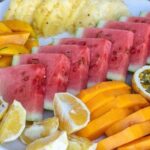
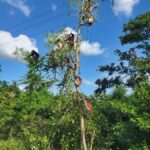
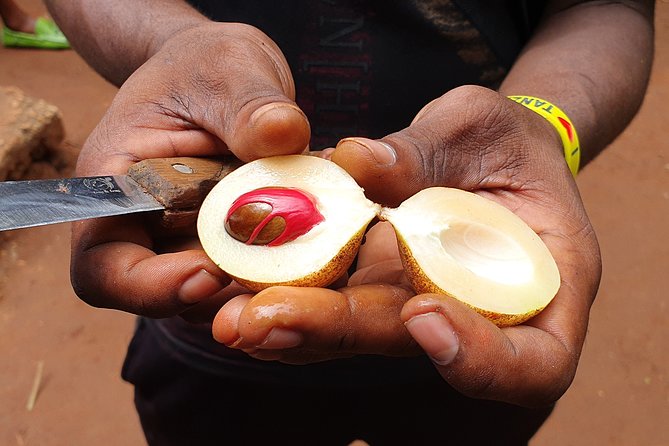
The main stop is Jambo Spice Farm, and it’s where the tour earns its keep. You’ll spend about 3 hours here, with an admission ticket included. The walk covers common Zanzibar spice plants and trees such as clove, vanilla, nutmeg, ginger, turmeric, and black pepper, and you’ll also see fruits along the way.
Here’s what you should pay attention to during the farm portion:
- How each plant is used: you’re learning what’s used for flavor, what’s used for fragrance, and what shows up in everyday cooking.
- The sensory side: if you’re careful about smells and textures, the cooking class later will make more sense.
- The local context: a good guide won’t just name plants; they’ll explain why Zanzibar ended up with these particular flavors as a key part of cuisine.
A helpful bonus from the way guides describe the experience: you’re given permission to ask questions. If you’re curious about spice mixtures, cooking timing, or how flavors balance in dishes, this is the moment to ask. In the better-run versions of the day, the guide is friendly and genuinely interested in your questions, not rushing you to the next step.
Practical note: since this portion is outdoors, wear shoes that can handle uneven ground and bring something for sun protection. Even if the group moves at a relaxed pace, you’ll still feel the heat depending on the time of day.
The cooking class that turns spice facts into dinner
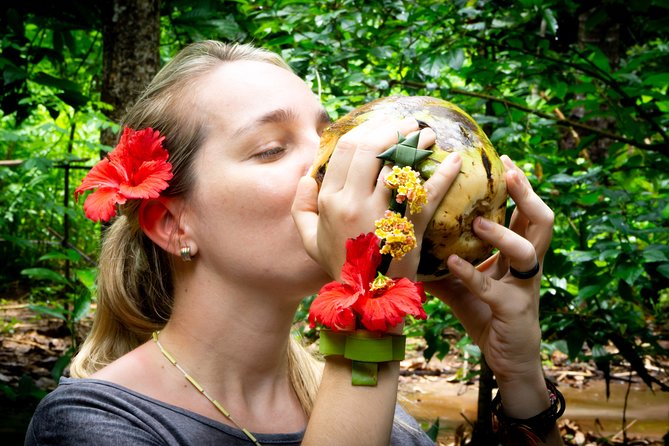
After the farm visit, the day shifts into the part most people remember: the traditional cooking class. This is where Zanzibar flavors move from plants to plates.
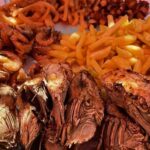
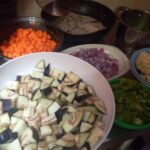
The included lunch is built around the spices you learned earlier, and you’re not just watching. You’re participating, step by step. In examples from the menu style used in the class, you might cook a big meal covering items like salad, spiced tuna, spice rice, and even two different banana dishes—so yes, the teaching part can be substantial, not a quick demo.
Why this cooking format is worth your money
Some food tours are heavy on talking and light on doing. This one is the opposite: you get guidance and you help make the meal. That matters because spices can be hard to understand when you only read about them. In a hands-on class, you learn things by doing:
- how spices behave when heated
- how salt, acid, and spice work together
- how a dish tastes as it comes together, not just at the final bite
Meeting the chef and the tone of the class
From guide-and-chef feedback, the class can be led by talented local cooks. One example name you might hear in this experience is chef Farita, praised for skill and for helping the group cook a huge meal from start to finish. Even when menus vary by the day, you can generally expect a structured process and a chef who takes the time to guide you through what to do.
If you’re hoping for language support, pay attention to this point: a French-speaking guide option has been mentioned as a benefit. That can make the cooking part smoother if you prefer not to rely on English for ingredient details.
A few more Zanzibar tours and experiences worth a look

What you get for $60: pickup, lunch, guide, and included admission
Let’s talk value, because $60 can feel like a lot or a bargain depending on what’s included—and here, the structure is clear.
You’re paying for:
- Hotel pickup and drop-off from around Stone Town
- A spice lunch with drinks plus mineral water
- A professional tour guide
- The cooking class with a native instructor/chef
- Admission ticket included for the Jambo Spice Farm stop
- A mobile ticket
In other words, you’re not paying just for a walk. You’re paying for a guide-led farm session, a full lunch built around the spices, and a cooking lesson that gives you more than a tasting spoon.
One thing I’d keep in mind: pickup is limited to Stone Town area. If you’re staying outside that zone, you’ll want to confirm how your transport to the meeting point is handled.
Also note what’s not included: expenses of a personal nature. That’s the usual catch-all, but it’s worth remembering so you don’t get surprised if you choose to buy extra items on-site.
Shopping for spices, soaps, and creams you can bring home
A good spice tour gives you two souvenirs:
1) knowledge you can use when you cook later
2) products you can actually take home
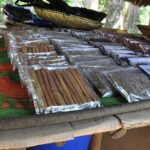
This one includes time where you can buy spices as well as soaps and creams made locally. That’s a meaningful detail, because Zanzibar has a strong tradition of using plants for fragrance and everyday products. If you’re the type who likes to cook, bringing home the right spice blend can be a game-changer. If you’re more into self-care souvenirs, soaps and creams can be a practical way to remember the trip every day.
Tip: if you have specific goals—like recreating spice rice at home—ask your guide what to buy and how they suggest using it. You’ll get better value by buying fewer items that match your cooking plan rather than collecting everything the vendor offers.
Group size, private vibe, and how that affects your day
This is described as private for your group, and that changes the feel. Instead of a large mixed group moving on one tight schedule, you can expect a more controlled pace. It also makes questions easier. Guides who do well on this route—people like Sultan or Mady, based on feedback—tend to thrive when they can actually talk with you, not just recite information.
There’s also mention of group discounts. If you’re traveling with friends or family, it can be worth checking whether your group size improves the price. Even if the per-person number stays the same, it’s still nice to know there may be better pricing when you book with others.
One more planning detail: on average, this type of tour gets booked about 47 days in advance. That’s a clue that spots can fill, especially during busy seasons or for specific guide availability. If your travel dates are fixed, booking earlier is a smart move.
Who this spice tour fits best (and who should reconsider)
This experience is ideal for people who:
- want a Zanzibar food experience that’s hands-on
- like learning through senses—smell, taste, heat—not just facts
- enjoy cooking enough to translate the lesson into your own meals later
- want a structured half-day outing that doesn’t require major logistics
It may be less ideal if:
- you’re outside the Stone Town pickup zone and don’t want to manage transport yourself
- you’re looking for a minimal-effort activity (this is a cooking class, not a sit-and-watch show)
- heat and outdoor walking are hard for you
For most people, participation is described as possible. If you have dietary limits or spice sensitivities, your best bet is to ask questions before you go so the chef can adjust within what’s feasible for their class style.
Should you book this Zanzibar Spice Tour & Cooking Class?
My short take: book it if you want a spice farm + cooking day that teaches you something you can repeat at home. The combination of farm time (seeing the plants) and kitchen time (cooking with the spices) gives you a full circle of understanding. It’s also well supported by guide talent—names like Sultan and Mady show up in positive feedback for punctual, fun, safe, and informative guiding—and by chef skill such as Farita in class-focused praise.
Skip it or think twice if your schedule doesn’t include Stone Town pickup access, or if you’re not interested in cooking. This day is built around participation, including a full spice lunch, so it rewards people who show up ready to work a little and taste a lot.
If you’re on the fence, decide based on this question: do you want Zanzibar flavors as a story you hear, or a meal you make?
FAQ
How long is the Spice Tour & Cooking Class in Zanzibar?
The experience lasts about 6 hours (approx.).
Where does the tour start and end?
It starts in Stone Town, Zanzibar, Tanzania, and ends back at the meeting point.
Is hotel pickup included?
Yes. Pickup and drop-off are included from hotels around Stone Town.
What is the price per person?
The price is $60.00 per person.
What’s included in the cost?
You get pickup and drop-off around Stone Town, a spice lunch with drinks and mineral water, a professional tour guide, and a cooking class with native instruction. Jambo Spice Farm admission is also included.
What is not included?
Expenses of a personal nature are not included.
Is this tour private?
Yes. It’s private, meaning only your group participates.
Do I get a ticket on my phone?
Yes. It includes a mobile ticket.
How far in advance is this tour commonly booked?
On average, it’s booked about 47 days in advance.
What is the cancellation policy?
You can cancel for a full refund up to 24 hours before the experience starts. If you cancel less than 24 hours before, the amount paid is not refunded.