REVIEW · ZANZIBAR
Spice Tour In Zanzibar
Book on Viator →Operated by Suncoast Zanzibar Tours · Bookable on Viator
A good spice tour isn’t about buying souvenirs. It’s about walking among the plants that make Zanzibar taste like Zanzibar, with hotel pickup and an air-conditioned ride that keeps you comfortable. I liked the chance to see spices growing in real life (not just on labels) and the way the guide ties the plants to everyday uses. One thing to consider: the experience can be subject to last-minute schedule changes, so I’d confirm close to departure.
If you want a hands-on morning or afternoon in the green countryside, this private tour fits the bill. You can move at your pace, ask questions, and focus on what interests you most—from culinary spices to herbs used for traditional remedies. The trade-off is simple: it’s not a quick stop-and-go photo sprint. You’ll get more value if you show up ready to walk and slow down a little.
In This Review
- Key things to know before you go
- Getting from your hotel to the spice countryside
- The value of a private guide in spice country
- First stop: Zanzibar Spices and Heritage Centre
- The spice lineup you’ll actually see growing
- More than spices: the plants that round out Zanzibar’s flavor
- Fruit trees: the sweet side of the tour
- Walking pace, shade, and photo time
- The plant craft moments (bracelets and crowns)
- Price and what $70 buys you in real terms
- When this tour is the best fit
- A couple of practical cautions before you book
- Should you book the Spice Tour in Zanzibar?
- FAQ
- How long is the Spice Tour in Zanzibar?
- Is hotel pickup included?
- Is this a private tour?
- Do I need to bring a ticket?
- What’s included in the price?
- What spices and plants will I see?
- Will there be fruit during the tour?
- What is the cancellation policy?
Key things to know before you go
- Private, customizable pace so you can linger on the plants you care about
- Air-conditioned hotel pickup for a calmer start (and easier end)
- Spice and Heritage Centre time with admission included for about 30 minutes
- A wide plant mix beyond spices, including coffee and fruit trees
- Guide stories you can use, including practical info on herbs and plants
- Opportunities to buy spices after you’ve seen where they grow
Getting from your hotel to the spice countryside
This tour starts with pickup from your hotel, which matters more than you think on Zanzibar. Roads and timing can vary, and having transport arranged means you avoid the guesswork. You’ll ride in an air-conditioned vehicle, a real comfort boost when the sun is high and your tour is scheduled for the middle of the day.
Plan on a total of about 2 to 3 hours. That’s long enough to walk through plantations and still feel like you’ve done something meaningful. It’s also short enough that you can pair it with other activities the same day—just keep buffer time if you’re heading back for a meal or a beach plan.
This is a private tour, so it’s just you and your group. That changes the feel: you’re not fighting for space in front of the next tree, and you can ask follow-up questions without the guide rushing to keep up with a mixed group.
You can also read our reviews of more tours and experiences in Zanzibar.



The value of a private guide in spice country
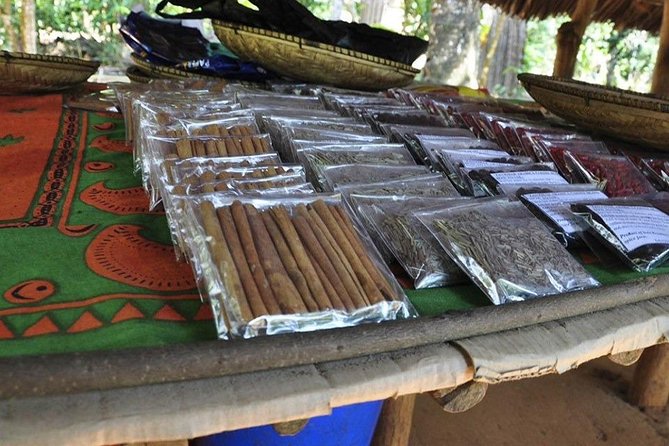
Spice tours can become a blur of green leaves and quick explanations. What makes this one work is the guide-led approach and the fact that you can customize based on your interests. If you care most about cooking spices, you’ll spend more time on the aromatic plants. If you’re more curious about traditional uses of plants—like herbal applications—you can steer the conversation that way.
One review-highlight detail stood out: a guide named Mohamed was praised for knowing how herbs are used in medicine. That kind of specificity is exactly what you want. Instead of generic talk, you get explanations you can actually carry home and use when you cook, shop, or compare spice brands.
You’ll also appreciate the “read the room” pacing. The tour encourages you to travel at your own pace. In practice, that means you’re less likely to feel yanked forward. You can pause for photos, ask what something is, and watch how the guide points out features you’d otherwise miss.
First stop: Zanzibar Spices and Heritage Centre
Your first visit is to the Zanzibar Spices and Heritage Centre, with about 30 minutes of admission included. This is where the tour shifts from driving through the countryside to slowing down and focusing on the plants themselves.
What I like about centering the experience here is the structure. You’re not just wandering; you’re walking with a guide who can point out the trees and describe what makes each plant important. You should expect a mix of spice plants and other useful vegetation, because Zanzibar spice culture isn’t only about the big names like clove and cinnamon.
As you move through the grounds, the “sensory” part is doing real work. A good guide doesn’t just tell you a spice grows here—they help you understand what to notice and how it’s used. Even if you’re not a spice expert, it becomes easy to follow.
The spice lineup you’ll actually see growing
The core of the tour is walking through spice plantations where you can learn the differences between plants and what they’re used for. You’ll see examples such as:
- Cloves
- Cardamom
- Cinnamon
- Black pepper
- Turmeric
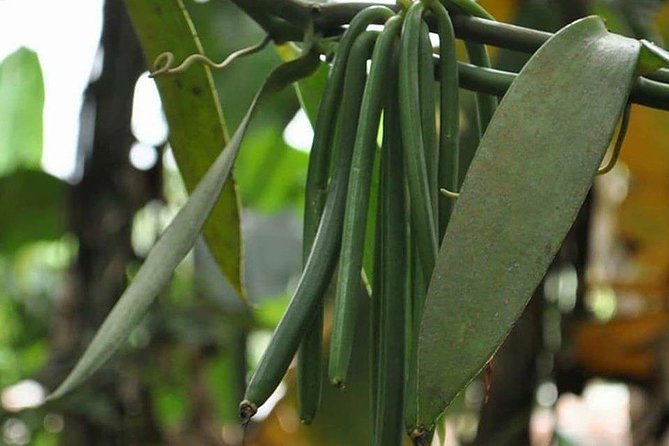
- Vanilla
- Nutmeg
That sounds like a lot, and it is—yet it works because the guide connects each one to where it fits in daily life. Think about it like this: once you’ve seen the plant (not just the bottle), you understand what you’re buying later. You also tend to pay more attention to the quality of what’s offered, because you can recognize what you were shown.
Also note: Zanzibar’s spice identity includes plants that aren’t always grouped under “spices” in cookbooks. This tour keeps that wider view front and center. That makes the walk more interesting if you enjoy novelty or you’ve been to spice markets before and wanted something more grounded.
More than spices: the plants that round out Zanzibar’s flavor
A spice tour that only sticks to culinary spices can feel one-note. Here, you’ll also see several other plants that make Zanzibar agriculture feel whole.
Some of the plant life you can expect includes:
- Iodine plant
- Heena bush (henna)
- Ylang-ylang
- Lipstick tree
- Cocoa
- Cassava
- Dasheen cocoyam
- Coffee plantations
This is where the tour starts to feel like a living catalog of what people grow and use. Henna is a great example: even if you don’t plan to buy it, it helps you understand why these plants are planted where they are, and how their uses shaped local farming.
Coffee is another good one to look for, because people often associate Zanzibar coffee with branding, not with the actual plant in the ground. Seeing it in context makes the story feel more real—and yes, it also makes the idea of a coffee purchase later feel less random.






Fruit trees: the sweet side of the tour
One reason this tour stands out is that it doesn’t treat fruits like an afterthought. You’ll get the chance to explore seasonal tropical fruits such as:
- Jack fruit
- Pineapples
- Bananas
- Green coconut (madafu)
- Durian
- Love apple (matufaa)
- Rambutan (shoki-shoki)
- Soursop (mabungo)
- Starfruit (carambola)
This matters because fruit is part of Zanzibar’s daily life, not just a photo stop. It also gives you a break from thinking only about aroma and spice. Fruit brings texture, sweetness, and variety to the walk, which helps keep the tour enjoyable even when you’re hot or tired.
In some cases, the team may offer coconuts and an assortment of fruit during the experience. Don’t count on a specific item every time, but if that’s offered on your day, treat it as a bonus. It’s one more way the tour connects plants to what people actually eat.
Walking pace, shade, and photo time
This isn’t a museum stop where you take one picture and move on. You’ll be walking through the plantations, and the tour is built to give you time for photos and videos. It’s the kind of activity that feels better when you’re not trying to rush it.
Also, because you’re in plant-covered areas, you may get patches of shade under a canopy. That can make the whole experience feel calmer and quieter than you’d expect from Zanzibar outside the farms.
My practical advice: wear comfortable shoes and plan for uneven ground. You don’t need hiking gear, but you do want footwear that can handle walking between rows and around trees. Bring water too—your comfort affects how much you enjoy the guide’s explanations.
The plant craft moments (bracelets and crowns)
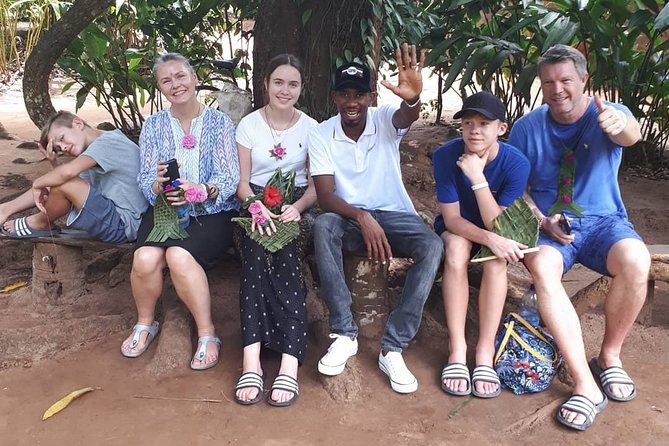
A nice extra is the chance to see people make small plant crafts—like crowns and bracelets—out of local materials. It’s not just a cute souvenir moment. It’s another way to understand how plants are part of culture, not only agriculture.
If you enjoy little interactive touches, this kind of stop makes the tour more memorable. And if you’re traveling with someone who likes arts and hands-on activities, it’s a solid win.
You’ll get the most out of it if you stay engaged during the walk. When you’re listening, these add-ons feel connected instead of random.
Price and what $70 buys you in real terms
At $70 per person, this is positioned as an affordable private activity for a half-day style experience. What you’re really paying for isn’t just the access to farms—it’s the combination of:
- Private guide attention
- Air-conditioned transport
- Hotel pickup
- Admission for the centre portion (about 30 minutes)
- Parking fees covered
When you compare it to the cost of piecing together transport and paying entrance fees separately, it starts to look like decent value. The private format is the key: you’re not sharing the guide’s time with a larger crowd, and you can ask the questions you care about.
One more angle: spice tours are often “buying tours” in disguise. This one feels more balanced because you get a lot of plant education first, which puts you in control when you browse for spices afterward. Still, if you’re trying to keep spending low, set a budget before you reach the purchase moment.
When this tour is the best fit
This tour is a great match if you want:
- A short, structured plantation walk rather than a long excursion
- Customization for your interests
- An experience that teaches through seeing plants directly
- A private, guide-led day with hotel pickup and comfortable transport
It’s also a solid choice for couples and friends who want a more personal pace. If you’re the type who asks questions and likes learning “how things grow,” you’ll probably enjoy the guide-led stories and the way different plants are explained.
If you’re expecting a beach day or a nonstop adrenaline schedule, this isn’t that. It’s slower, grounded, and best enjoyed with curiosity and patience.
A couple of practical cautions before you book
The only real caution is operational: there have been cases where the operator canceled at short notice or changed the plan without clear explanation. I can’t predict what will happen on your date, but you can protect yourself.
What I recommend:
- Confirm details the day before and again the morning of your tour.
- Keep your schedule flexible if you can.
- If you have a strict afternoon plan, add buffer time for a delay or change.
Other than that, the experience looks like it runs smoothly day-to-day: pickup, private focus, and a clear walking format.
Should you book the Spice Tour in Zanzibar?
I’d book it if you want a meaningful, plant-focused half day and you like learning by looking. The private guide, air-conditioned pickup, and the wide mix of plants—spices plus coffee, cocoa, henna, and fruit—make it feel more complete than a basic spice stop.
If you’re only interested in tasting spices at a market or you’re short on time, you might prefer something more compact. But if you want the “where does this come from?” connection, this is exactly the kind of tour that makes shopping later feel smarter.
FAQ
How long is the Spice Tour in Zanzibar?
It runs about 2 to 3 hours.
Is hotel pickup included?
Yes. Hassle-free hotel pickup is offered.
Is this a private tour?
Yes. It’s private, so only your group will participate.
Do I need to bring a ticket?
You’ll receive a mobile ticket.
What’s included in the price?
The price includes parking fees and an air-conditioned vehicle, plus admission for about 30 minutes at the Zanzibar Spices and Heritage Centre.
What spices and plants will I see?
You’ll see spice plants such as cloves, cardamom, cinnamon, black pepper, turmeric, vanilla, and nutmeg. You can also expect other plants like iodine plant, heena bush, ylang-ylang, lipstick tree, cocoa, cassava, dasheen cocoyam, and coffee plantations.
Will there be fruit during the tour?
You’ll explore tropical seasonal fruits including jack fruit, pineapples, bananas, green coconut (madafu), durian, love apple (matufaa), rambutan (shoki-shoki), soursop (mabungo), and starfruit (carambola).
What is the cancellation policy?
There is free cancellation up to 24 hours in advance for a full refund.
If you tell me your travel month and whether you’re doing this from Stone Town or another area, I can suggest a good time-of-day to schedule it.