Stone Town has stories in every turn. This walk-style tour strings together major sights in Stone Town with real meaning behind what you see, from the Former Slave Market to the House of Wonders museum. I like how the route moves you along practical, memorable stops (so you learn fast without feeling rushed). I also like the dependability behind the experience, including reports of a guide named Seif confirming details in advance and following up about transport. One possible drawback: a couple of key entries are ticketed separately, so you’ll want a bit of extra cash ready.
You’ll spend about 2 to 3 hours on foot, with pickup limited to Stonetown areas and your group staying together the whole time. The tour is private, so it feels more like a focused local walk than a big-group production. If you prefer museum time over walking, you may find the pace a touch brisk—though “extra time” is included if you want to linger.
In This Review
- Key highlights to look for
- How the 2–3 Hour Stone Town Loop Works
- Former Slave Market and Anglican Cathedral: What You Should Expect
- Old Fort (Ngome Kongwe): A Small Stop With Big Defensive History
- Forodhani Gardens: Street Food by the Waterfront
- Darajani Bazaar: Spice, Produce, and Why It Matters
- House of Wonders: From Sultan’s Palace to a Culture Museum
- Freddie Mercury Museum and Jaws Corner: Pop Culture Meets Street Life
- Livingstone’s Body Preservation Site and a Quick Tanzanite Stop
- Price at $20.88: Is This Good Value?
- Who Should Book This Tour (and Who Might Want Another Option)
- Should You Book This Zanzibar Stone Town Tour?
- FAQ
- FAQ
- Where does this Zanzibar Stone Town tour start?
- How long is the Stone Town tour?
- Is this a private tour?
- Do you offer pickup?
- Which stops include admission, and which ones don’t?
- Are any parts of the tour focused on food?
- Is there free cancellation?
Key highlights to look for
- Former Slave Market memorial and underground chambers explained with care
- Old Fort (Ngome Kongwe) with included admission and Portuguese/Omani defense context
- Forodhani Gardens street food stop (best around the evening food market)
- Darajani Bazaar with included admission and spice/ingredient context
- House of Wonders tying the Sultan’s palace story to the Swahili and Zanzibari museum
- Freddie Mercury Museum plus Jaws Corner for music history and local street conversation
How the 2–3 Hour Stone Town Loop Works
This is a compact Stone Town walking tour, built for orientation and impact. The total time runs about 2 to 3 hours, and the route brings you back to the same meeting point at the end, so you’re not stuck figuring out the return walk through the maze of streets.
The tour starts at the House of Wonders on Sokoku St (you’ll see the point listed as R5QQ+JR). Pickup is only from Stonetown areas, so if you’re staying outside Stone Town you’ll likely need to meet at the start instead.
One thing I really value here is the mix of stop types: a couple of included-admission sites, a few free entry stops, and some ticketed stops where you pay separately. That keeps the price fair, but it also means you should plan for at least a small amount of extra on-site spending.
Finally, the experience is run as private, meaning it’s only your group. That matters in Stone Town, because you’ll get explanations without having to compete with other people’s pace—or pause for questions while everyone else moves on.
You can also read our reviews of more historical tours in Zanzibar

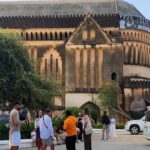
Former Slave Market and Anglican Cathedral: What You Should Expect
The first stop is the Old Slave Market / Anglican Cathedral area, with about 40 minutes set aside. The emphasis is on Zanzibar’s role in the slave trade, and the visit points you toward the memorial as well as the underground chambers where enslaved people were held.
This is the part of the tour that’s most emotional. If you’re the type who prefers to keep moving and not get too quiet, you’ll want to mentally prepare yourself for a heavier topic. On the flip side, it’s also the stop where the guided context can make your visit feel far more meaningful than simply looking at plaques.
Important practical note: admission at this stop is marked as not included, so you’ll want to budget for a ticket here if one is required on arrival. The upside is that the time is longer than most other stops, so you’re not being herded through.
Old Fort (Ngome Kongwe): A Small Stop With Big Defensive History
Next up is the Old Fort (Ngome Kongwe), about 15 minutes, and this one includes admission. Zanzibar’s oldest building is described as a defense structure aimed at threats from Portuguese and Omani forces—so you’re not just touring stones, you’re seeing how power and geography played out here.
The fort isn’t just history. It’s also described as a cultural hub today, sometimes hosting local performances and craft markets. With only 15 minutes, you may not see everything that’s happening at a given moment, but you’ll get the core story and a sense of how the space is used now.
If you’re visiting Stone Town for the first time, this is a good “anchor stop.” It gives you a clearer picture of how the city’s architecture relates to conflict, trade, and protection.
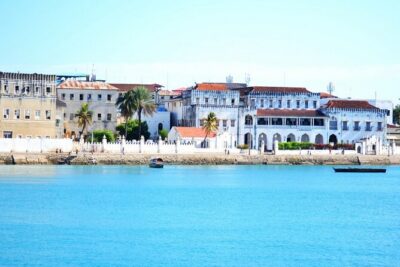
Forodhani Gardens: Street Food by the Waterfront
The tour shifts to the Forodhani Gardens area for about 30 minutes, and admission here is free. This stop is especially oriented toward the evening, when the waterfront food market comes alive.
What I like about this part is that it’s not just sightseeing. You’re shown how street food culture fits into daily life, with examples like fresh seafood and Zanzibar pizza. You’ll have time to stroll and get ideas for what to try, even if you don’t buy much.
A couple of practical tips for this kind of food stop:
- Choose one or two items and share if you’re with people, so you can taste more without spending a lot.
- If you have dietary needs, ask questions right away and don’t wait until you’re already holding food.
- Bring a little cash, since small vendors may not have every payment option.
Also, depending on when your tour runs, the “evening market” energy might be toned down. Still, the waterfront vibe and the street-food lesson are the point.
Darajani Bazaar: Spice, Produce, and Why It Matters
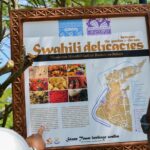
About 20 minutes is scheduled for Darajani Bazaar, and admission is marked as included. This is where the tour gets more hands-on with local life: stalls selling fresh produce and spices, with the guide explaining why different items matter in Zanzibari cuisine and culture.
This stop is valuable because it turns what could be a simple market browse into something you can connect to later. After Darajani, you’re more likely to understand what you’re seeing when you spot spice blends in restaurants or on street menus.
One thing to consider: markets move fast. If you want slow, detailed shopping time, the tour duration is limited. But for most people—especially first-timers—this level of market exposure is perfect. You get context, you see what’s important, and you’re still on track for the rest of the route.






House of Wonders: From Sultan’s Palace to a Culture Museum
The House of Wonders stop is about 15 minutes and is listed as free. This is described as the largest and most impressive building in Stone Town, and the guide connects it to two identities: it served as a Sultan’s ceremonial palace, and it also functions as a museum that showcases Swahili and Zanzibari culture.
I like this stop because it helps you understand how Stone Town’s architecture isn’t just decorative. Buildings are political and cultural tools, and this one is a key example. Even if you don’t go deep into museum rooms, you’ll leave knowing why the building matters.
Since your time is short, focus on the big picture the guide gives you—how the palace role transitions into a culture museum. That frame makes the rest of your Stone Town walk click.
Freddie Mercury Museum and Jaws Corner: Pop Culture Meets Street Life
Next, you’ll visit the Freddie Mercury Museum (about 15 minutes). Admission here is not included. The story is straight: Freddie Mercury was born right here in Zanzibar, and the stop focuses on his childhood home and early life before he became the global rock icon.
If you’re a music fan, this can be a surprisingly fun pivot from the more serious stops. If you’re not, it still works because it ties Zanzibar to a world-famous figure, showing how island life connects to bigger stories.
Then comes Jaws Corner, a central spot where locals gather and exchange ideas. It’s a brief stop—about 7 minutes—and it’s free entry. I like adding a quick “where people talk” point like this, because it brings you back from museum mode into everyday street reality.
Livingstone’s Body Preservation Site and a Quick Tanzanite Stop
One part of the route is the place where David Livingstone’s body was preserved before it was transported to London for burial. The time isn’t specified, but it’s included as a meaningful historical stop. Even in a short visit, it’s the kind of detail that makes Stone Town feel connected to global history—not just local architecture.
After that, the tour makes a very short stop at a Tanzanite shop for about 4 minutes, and admission is free. The focus is on tanzanite as a mineral found only in Tanzania, so it’s framed as a once-in-a-lifetime chance to see the stone up close. The idea here is that you can hold the mineral and appreciate its blue-purple look, even if you don’t buy.
A quick word of caution: when shopping is part of a tour, it can turn into a sales pressure moment. This one is short, and shopping is listed as an optional included feature, so you should feel free to treat it as a look-only stop unless you truly want to purchase.
Price at $20.88: Is This Good Value?
At $20.88 per person, the price is low enough that you should look at what you’re getting, not just what you’re paying.
Here’s where the value shows up:
- You get a professional local guide, which is the biggest difference between a random walk and a story-driven tour.
- The route hits many major themes in a tight timeline: slavery-era history, fortifications, markets, a major palace building, pop culture, and local meeting space.
- Some admissions are included (notably the Old Fort and Darajani Bazaar).
- Several stops are free (like Forodhani Gardens, House of Wonders, and Jaws Corner).
The main reason you might feel “nickel-and-dimed” would be the ticketed stops marked as not included—the Old Slave Market / Anglican Cathedral and the Freddie Mercury Museum. If you budget a little extra for those entries, the base price holds up as a bargain for what you cover.
Also, your group is private, and pickup is only within Stone Town areas. That reduces wasted time and keeps the tour efficient. If you’re visiting as a family, this efficiency can matter a lot.
Who Should Book This Tour (and Who Might Want Another Option)
This tour fits best if you want:
- A guided Stone Town introduction that connects buildings and markets to stories
- Time for Forodhani street food culture
- A route that works for mixed ages, including people who might not want to spend hours inside museums
It’s also a good match if you appreciate a dependable guide. One review specifically praised a guide named Seif for communicating in advance (even while in the US) and checking about transportation closer to the visit. That kind of follow-through matters in Zanzibar, where schedules can shift.
The main downside is the combination of walking pace and ticket extras at a couple of stops. If you want to spend a long time inside every museum or you dislike emotionally heavy history topics, you might prefer a more self-paced approach.
Should You Book This Zanzibar Stone Town Tour?
If you’re trying to make your limited time count, I’d say yes. This tour gives you a sensible cross-section of Stone Town: the parts people often photograph, plus the places where the meaning is harder and worth hearing about.
Book it if:
- You want a local guide to connect the dots between sites.
- You like the idea of a short market + food stop at Forodhani Gardens.
- You’re okay planning a little for separate admission at the ticketed locations.
Skip it (or consider a different format) if:
- You want only ticketed museum time and not street-level stops.
- The slavery-era history stops would feel too heavy for your mood on vacation.
FAQ
FAQ
Where does this Zanzibar Stone Town tour start?
It starts at the House of Wonders area on Sokoku St, Zanzibar, Tanzania, listed as R5QQ+JR. The tour ends back at the meeting point.
How long is the Stone Town tour?
The duration is about 2 to 3 hours.
Is this a private tour?
Yes. It’s private, so only your group participates.
Do you offer pickup?
Pickup is available from Stone Town areas only. If you’re outside Stone Town, you would need to meet at the meeting point.
Which stops include admission, and which ones don’t?
Admission is included at the Old Fort (Ngome Kongwe) and Darajani Bazaar. Admission is not included at the Old Slave Market/Anglican Cathedral and the Freddie Mercury Museum. Forodhani Gardens, House of Wonders, Jaws Corner, and the Tanzanite shop are listed as free.
Are any parts of the tour focused on food?
Yes. Forodhani Gardens is a waterfront stop where the food market comes alive in the evenings, and you’ll be introduced to iconic street foods like seafood and Zanzibar pizza.
Is there free cancellation?
Yes. You can cancel for a full refund up to 24 hours in advance of the experience’s start time. If you cancel within 24 hours, the amount you paid is not refunded.