REVIEW · ZANZIBAR CITY
Zanzibar: Stone Town, Spice Tour, Prison Island with Lunch
Book on GetYourGuide →Operated by Beach & Safari Holidays · Bookable on GetYourGuide
Stone Town has a way of grabbing you fast. This full-day tour strings together spice-farm smells, Stone Town’s Portuguese–Arab–European mix, and Prison Island’s giant tortoises. If you want a first taste of Zanzibar beyond the beach, it works well.
I especially like the spice farm part because it’s not just looking. You get to smell, touch, and taste what Zanzibar grows, then eat a traditional Swahili lunch right there. The Stone Town walking portion is also a win: you’ll see major landmarks like the Palace Museum, Sultan’s Palace, and Old Fort, plus those famous carved hardwood doorways.
The main thing to watch is time and pacing. It’s a long day (about 6 to 9 hours), the Prison Island visit can feel a bit quick, and Stone Town includes shopping stops where sales pressure can pick up.
In This Review
- Key Things I’d Put on Your Radar
- Stone Town: Finding Order in the Alley Chaos
- The Spice Farm: Smells You Can’t Forget (and Tastes You’ll Actually Try)
- Prison Island (Changuu): Aldabra Tortoises and a Prison-Era Story
- The Full-Day Route: Transfers, Waiting Time, and Realistic Pacing
- Price and Value: Is $68 Worth It?
- Who This Tour Fits (and Who Might Want a Different Plan)
- Should You Book This Stone Town, Spice Farm, and Prison Island Day?
- FAQ
- How long is the Stone Town, Spice Tour, and Prison Island experience?
- Where does pickup happen?
- Is the tour guided?
- Do I get hotel drop-off after the tour?
- Is lunch included?
- What parts of the day include entry tickets?
- Do I take a boat to Prison Island?
- What should I bring with me?
- Is this suitable for people using wheelchairs or with mobility issues?
- Is the tour shared or private?
Key Things I’d Put on Your Radar
- Organic spice farm walking tour with tastings, plus lunch on-site
- Stone Town landmarks like Sultan’s Palace, Palace Museum, Old Fort, and markets
- Carved hardwood doorways and centuries of trade-era architecture
- Prison Island (changuu) boat ride plus Aldabra giant tortoises up close
- Stone Town slave-trade history explained in the context of the port city
- Long but manageable route, with multiple transfers and short visits at each stop
Stone Town: Finding Order in the Alley Chaos
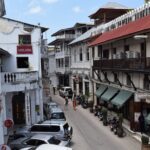
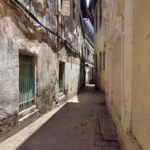
Stone Town is the kind of place where your first instinct is to slow down and get your bearings. You’ll start with a guided walk through the oldest part of Zanzibar City, where towering limestone houses lean over narrow streets like they’ve been doing it for centuries. The city’s UNESCO status makes sense once you see how many cultures left their fingerprints here.
You’ll focus on a mix of landmarks and everyday life. Expect stops and photo moments tied to the Palace Museum area, the Sultan’s Palace, and Old Fort, plus time around markets and historic squares. I like that the tour doesn’t treat Stone Town like a theme park; it includes real context, including the tragic history of slave trading through the port’s former “business” of human lives.
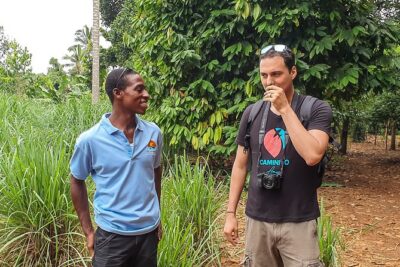
One practical upside: your guide helps you move through the crowds and the side streets efficiently. Names that show up often in guide feedback include Hassan and Ibrahim for Stone Town stories, and Ali for walking tours that mix history with practical tips and good timing. Also, if you hear a guide name like Cappuccino in the day’s flow, that usually means the spice side of the tour comes with extra energy.
One caution: Stone Town walking can bring you close to people selling things. Even when you’re not buying, it helps to have a plan for shopping time so it doesn’t eat your whole attention. If you want a slower pace, treat the walk as “orientation day,” not a perfect replacement for a second day of exploring on your own.
A few more Zanzibar City tours and experiences worth a look

The Spice Farm: Smells You Can’t Forget (and Tastes You’ll Actually Try)
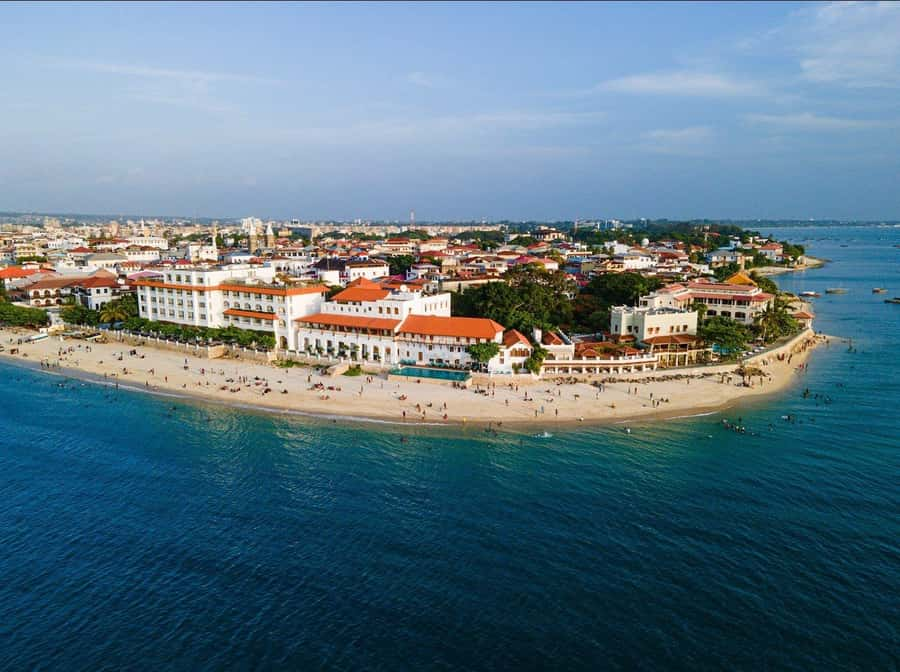
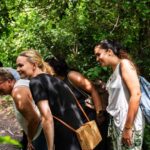
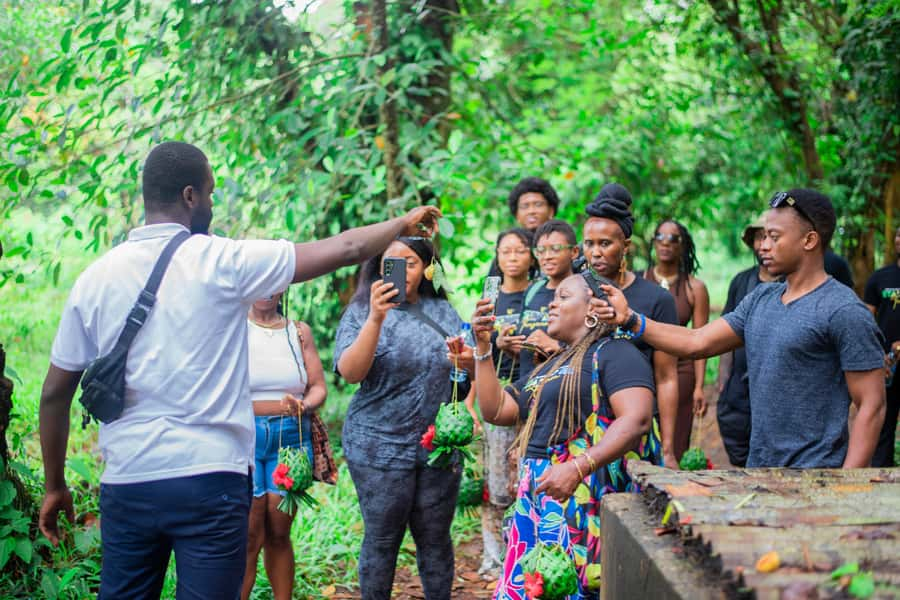
If Stone Town is about architecture and trade, the spice farm is about senses. You’ll be driven to a plantation where you go on a guided walking tour, and the experience is built around what you can smell, touch, and taste. Zanzibar’s nickname Spice Island isn’t just a slogan; clove, nutmeg, cinnamon, and vanilla aren’t abstract here—they’re part of the day’s storyline.
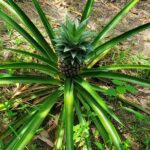
What you’ll learn goes beyond trivia. Guides explain cultivation methods and uses of the crops, and you’ll get exposure to a wide range of what Zanzibar grows. You might sample or handle spices and herbs like cloves, lemongrass, turmeric, cardamom, black pepper, cinnamon, and vanilla, plus tropical fruits and plants such as coconuts, papaya, chili, and cassava.
There’s also a historical thread tied to why these spices became central to Zanzibar. You’ll hear that Portuguese traders introduced many spice crops to the island in the 16th century, pulling from colonies and trading routes across South America and India. For me, that context makes the whole experience click: spices were valuable because they traveled, and Zanzibar became a key stop because it could grow and supply.
Lunch is part of the point. After the farm walk, you’ll eat a traditional Swahili meal on-site with the spices you learned about earlier in the day. Feedback on lunch is mostly positive, but a few people note it can feel simpler than the spice tour portion. Still, it’s convenient and keeps the day from turning into “hunting for food” between stops.
If you’re hoping to bring something home, the farm experience usually includes time to purchase spices and related products. Several people mention buying spices and soaps made at the farm. If you might do that, it’s smart to keep some small bills or cash handy.
Prison Island (Changuu): Aldabra Tortoises and a Prison-Era Story

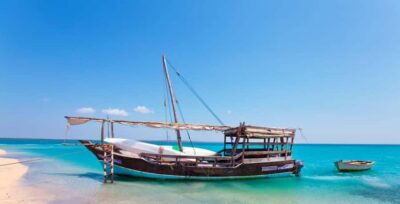
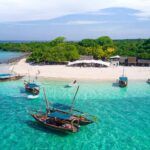
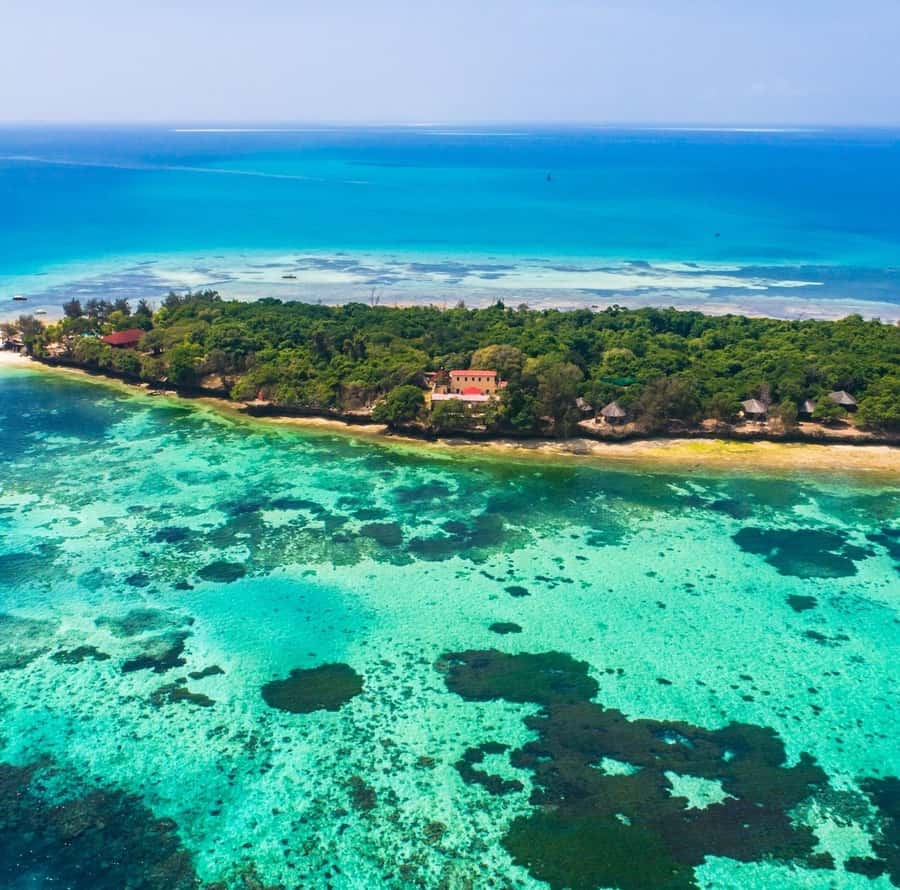
After Stone Town, you’ll head to the water for a boat ride to Prison Island, also known as changuu. This part is often the emotional payoff of the day because the setting changes fast—from city alleys to open water—and then you’re face-to-face with giant tortoises.
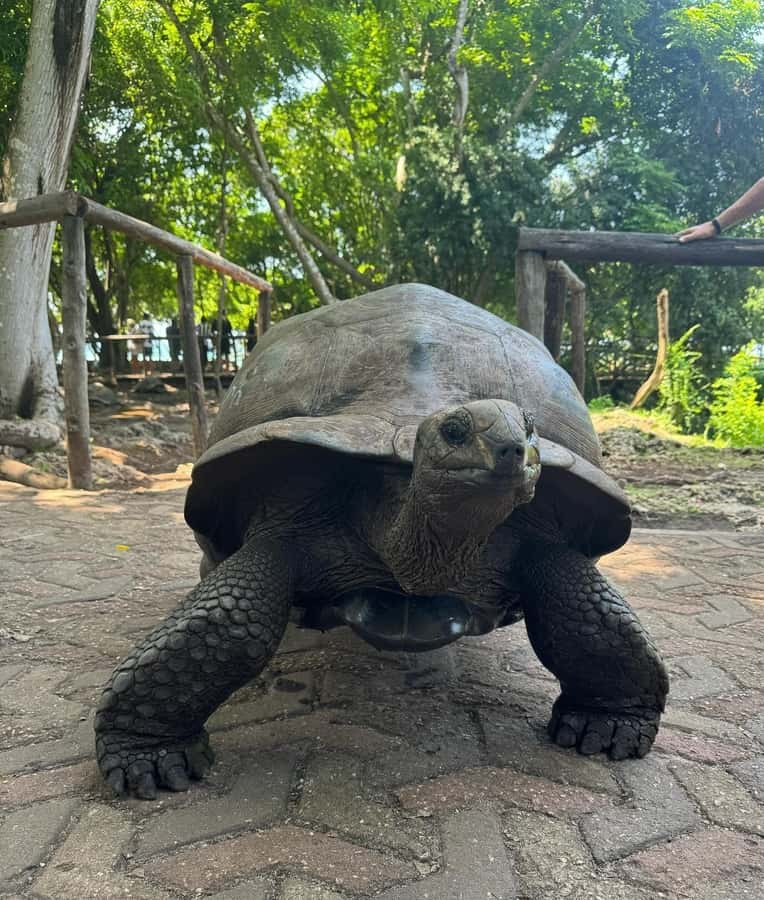
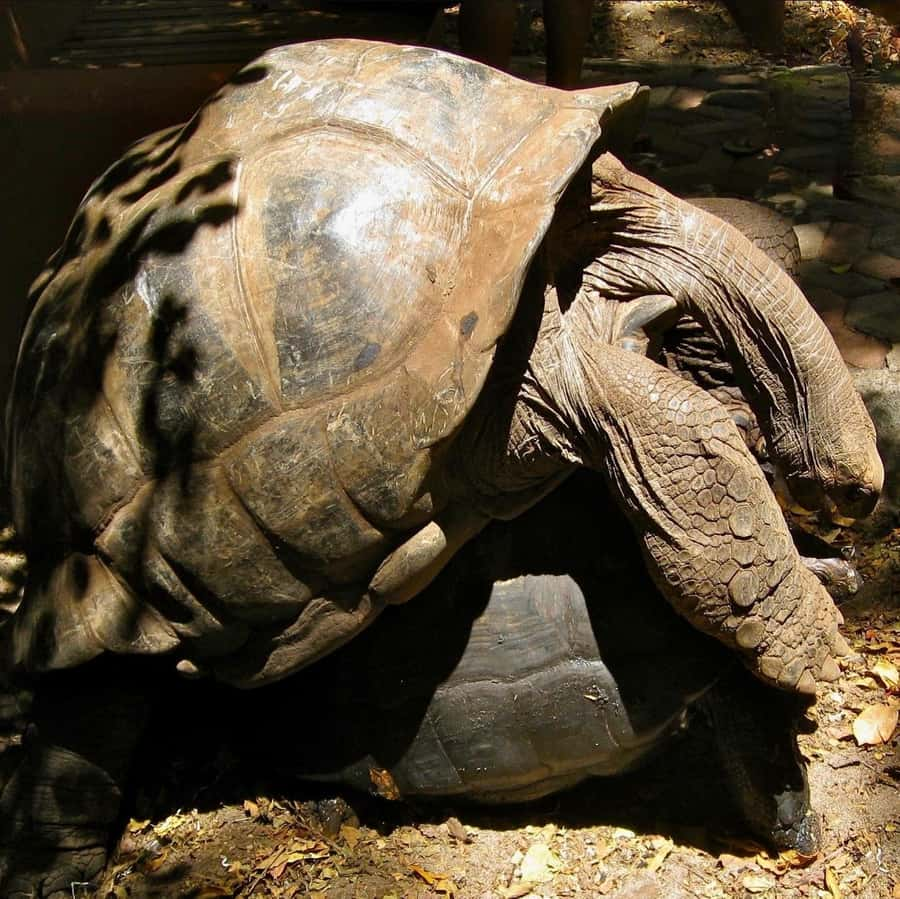
Prison Island is home to Aldabra giant tortoises, which were imported from the Seychelles. They’re huge, and the tour focuses on that awe factor, including how these are non-indigenous residents on the island. The tour also includes history: the island was used as a prison for rebellious slaves in the 1860s, and there’s a small museum where you can learn about that darker chapter.
You’ll have guided time on the island, along with some free time. Expect a walk where you can get close to the tortoises and take photos, plus time in the museum area. A few people wish the visit had more room to breathe, which is a fair note—Prison Island is memorable, and rushing can feel like wasting daylight.
Another thing to plan for: the boat ride itself. Boats are small and can feel fast, and Zanzibar’s waters can get choppy depending on the day. One review called out that the boat did not have safety vests, so if you’re the type who thinks about that kind of detail, it’s worth bringing your own mindset and comfort level to the ride. You should also expect that getting on and off the boat may require careful footing.
This is also a “bring-the-right-shoes” stop. The tour guidance recommends water shoes or sturdy non-slip footwear, which matters because you’ll be stepping in and out and walking around at least a bit on the island. If you skip that, the whole day can feel more stressful than it needs to.
The Full-Day Route: Transfers, Waiting Time, and Realistic Pacing
This tour is built as one long loop: hotel pickup → Stone Town walking → spice farm → boat to Prison Island → back to Stone Town area and drop-off. That structure makes sense for a first visit because you cover the big themes—trade city, spice agriculture, and the island tortoises—without needing separate bookings.
Still, the timing can shape your experience. The tour runs about 6 to 9 hours, and if you’re doing a shared group option, you may face pickup waiting time as the driver collects others from different hotels. That’s not unusual in Zanzibar where hotels are spread out, but it’s a good reason to stay close to your pickup spot and be ready a few minutes early.
Within the day, the Stone Town portion is about 2 hours of guided walking plus stops and photo moments. Prison Island includes guided time plus some free time, but you’re unlikely to feel like you have an all-afternoon, slow stroll. If you want maximum “wandering,” plan a separate half-day or day later in your trip for Stone Town on your own.
Weather and sun are real factors too. Even if you’re not walking for hours at a time, you’ll be outside in strong light. The tour’s recommended packing list is straightforward: sunglasses, a hat, sunscreen, and water. Bring water shoes or waterproof shoes so the boat transition and island ground don’t catch you off guard.
Price and Value: Is $68 Worth It?

At $68 per person, you’re paying for three distinct experiences plus the logistics glue. The value here isn’t just that you see Stone Town, a farm, and tortoises. It’s that the day includes transportation, guides, bottled water, and boat transport to Prison Island, which are the parts that usually add up when you try to DIY.
Included items help your budget stay predictable. The package covers hotel pickup and drop-off on Zanzibar, an English-speaking guide and driver, guided tours at each stop, boat transportation, and bottled water. Lunch is included if you choose the option with lunch, and Prison Island entry is included if you select the entry-ticket option.
There’s also an optional Slave Market entry ticket listed at 10 USD per person. If you care a lot about the slave-trade history and want deeper access, that option may be worth it for your priorities. If you’re mainly doing this as an introduction, the core Stone Town explanation already gives important context.
What might impact “value” is your personal preference. If you’re more excited by spices and farm life, the day likely feels worth it fast. If you were expecting long, relaxed time on each island and street, you might feel the day is packed. That said, many people still rate this as a strong first-trip sampler because it gives you clear highlights without requiring multiple separate tour days.




Who This Tour Fits (and Who Might Want a Different Plan)
This works best for you if you want a single guided day that covers Zanzibar’s main cultural themes. I’d recommend it for first-time visitors who only have a short window and want to understand why Zanzibar earned its Spice Island reputation. It also fits well if you enjoy guided history because the slave-trading story is included and explained rather than skipped.
You might want to consider a different approach if you dislike sales stops or prefer unstructured wandering. Stone Town includes shopping time, and some people report it can feel like the main activity shifts toward purchasing. You can manage this by setting your expectations: do your shopping quickly, then get back to photos and streets.
Mobility is the big limitation. This tour isn’t suitable for wheelchair users or people with mobility impairments, and there are age limits listed (including not suitable for people over 75 and over 80, as stated). The combination of walking, stairs, and boat transitions means it’s not a match for everyone.
If you’re traveling as a family, note that the tour can run with a private group option as well. Reviews mention private tours and that the guides managed group needs with care, but you should still judge it based on your child’s comfort with heat, walking, and the boat ride.
Should You Book This Stone Town, Spice Farm, and Prison Island Day?
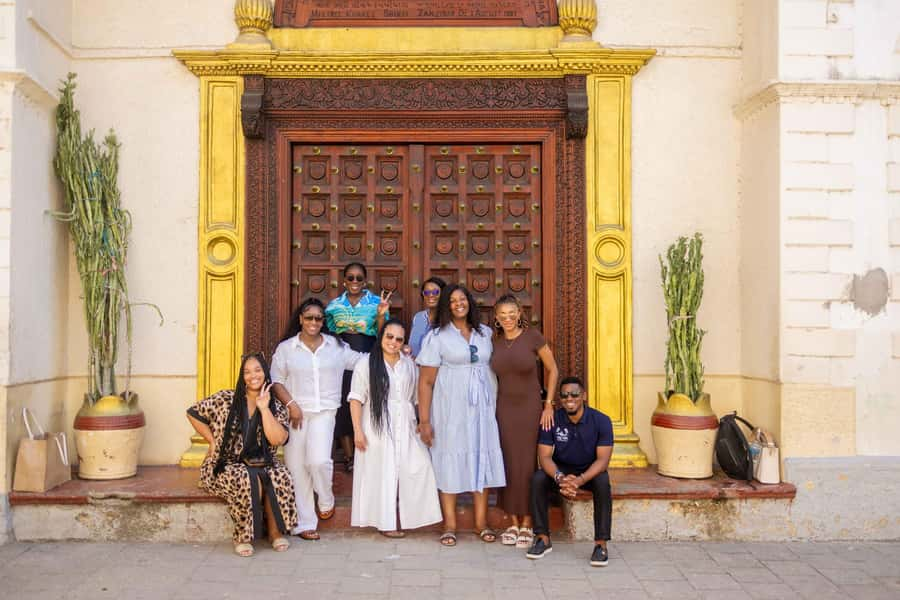
Yes, if you want a focused first-day Zanzibar experience. This tour gives you three anchors in one place: Stone Town’s architecture and history, the spice farm’s hands-on sensory learning, and Prison Island’s Aldabra tortoises. For most people, that combo is exactly what makes Zanzibar feel real fast.
Book it if:
- You like guided explanations and want context behind what you see
- You want lunch included at the farm rather than searching for food mid-tour
- You’re comfortable with a long day outside in the sun
- You don’t need hours of unhurried hanging out at each stop
Consider a different plan if:
- You have mobility limits or worry about boat transitions
- You strongly dislike shopping stops
- You’d rather spend more time slowly exploring Stone Town on your own later
If you do book, set yourself up for success: bring water shoes, sunscreen, and a hat, and decide in advance whether you want the optional Slave Market entry add-on. That way, you control the day instead of letting the day control you.
FAQ
How long is the Stone Town, Spice Tour, and Prison Island experience?
The duration is listed as 6 to 9 hours, depending on availability and starting times.
Where does pickup happen?
Pickup is included from your hotel on Zanzibar Island. Pickup locations are offered across Unguja North Region and Unguja South Region.
Is the tour guided?
Yes. You’ll have an experienced driver and an English-speaking guide, with guided tours at the spice farm, Stone Town, and Prison Island.
Do I get hotel drop-off after the tour?
Yes. Hotel drop-off on Zanzibar Island is included, with drop-off options in Unguja North Region and Unguja South Region.
Is lunch included?
Lunch is included if you select the option that includes lunch. The farm portion includes traditional Swahili lunch when that option is chosen.
What parts of the day include entry tickets?
Entry tickets can be included if you select the option. Prison Island entry is listed as included if selected, and the Slave market entry ticket is listed as optional at 10 USD per person.
Do I take a boat to Prison Island?
Yes. The tour includes boat transportation to Prison Island (changuu), and you’ll also take a boat cruise offshore.
What should I bring with me?
The tour recommends sunglasses, a hat, sunscreen, water, water shoes or sturdy non-slip footwear, and waterproof shoes if needed.
Is this suitable for people using wheelchairs or with mobility issues?
No. The tour is not suitable for people with mobility impairments or wheelchair users.
Is the tour shared or private?
Both options are available. For shared group tours, there is a minimum of 6 participants. A private group option is also available.