REVIEW · ZANZIBAR
Stonetown Historical Walking Tour & Traditional Lunch
Book on GetYourGuide →Operated by Zanzibar Local Experience · Bookable on GetYourGuide
Stone Town’s history is loud even when it whispers. You’ll walk the narrow lanes to see the big landmarks and get hands-on with the city market fish auctions. I especially like the way the tour links architecture and people-to-people trade across Arab, Persian, Indian, and European influences. One thing to weigh: it’s only 3 hours, so if you’re the type who wants lots of time inside buildings, you may feel a bit rushed.
The route starts near the Anglican Church, right in the wider area tied to the old slave market—an intense opening before you move into everyday life. Along the way, the guide keeps the facts clear in real street context, which helps you connect what you see (forts, museums, famous houses) to what it meant. The tour also uses an easy pace for a walking tour, with lunch included as a calmer midpoint to refuel.
At the end, you’ll sit down for a local meal in a cozy restaurant and finish without having to hunt for something that fits the day’s walking. The only real drawback I’d flag is value: at $60 for 3 hours, you’ll want to be sure the mix of sights + market + lunch is exactly your thing.
In This Review
- Key highlights you’ll actually feel on the ground
- Why Stone Town’s streets feel like a living museum
- Starting at the Anglican Church and the old slave market site
- City Market: where fresh food and live fish auctions drive the day
- Palace Museum: royal rooms, merchant reality
- House of Wonder (Bait-al-ajab): Stone Town’s tallest landmark moment
- Old Fort and Tippu Tip: trade power made visible
- The Freddie Mercury photo stop: quick, iconic, and worth it
- Peace Memorial and the Natural History Museum: a calmer pace
- Traditional lunch: the payoff after a real walking stretch
- Price and value: is $60 for 3 hours fair?
- Who this Stone Town walking tour is best for
- Should you book this tour?
- FAQ
- How long is the Stonetown Historical Walking Tour & Traditional Lunch?
- What is the meeting point for the tour?
- Is lunch included?
- What does the price cover?
- Is hotel pickup included?
- What language is the guide?
- Is the tour wheelchair accessible?
- What sights are visited during the walk?
- Does the tour include the city market?
- Is there free cancellation?
Key highlights you’ll actually feel on the ground
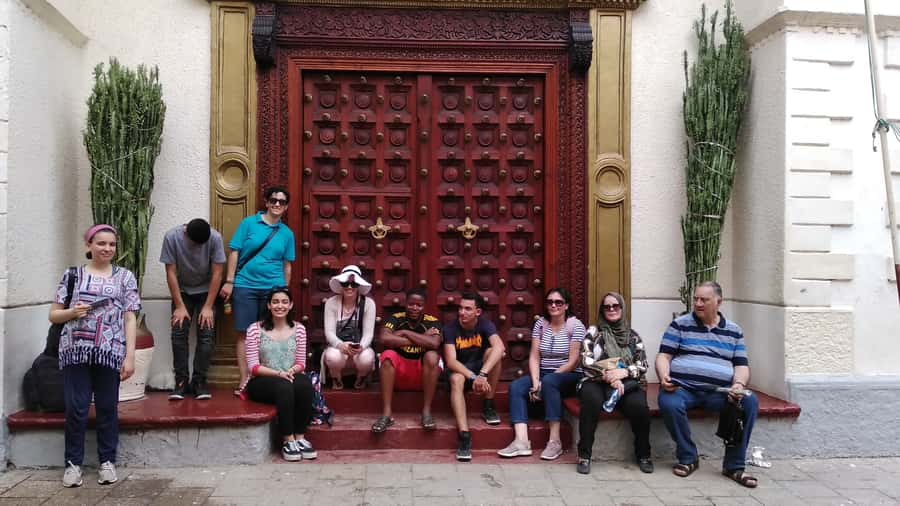
- Anglican Church start near the old slave market site sets the historical tone immediately
- City Market with live fish auctions, where bidding is part of the show
- Palace Museum and the tall House of Wonder (Bait-al-ajab) as core architectural stops
- Old Fort and Tippu Tip help you connect power, trade, and local stories
- Photo stop near Freddie Mercury’s house, a quick but iconic moment
- Traditional lunch included, so your day doesn’t turn into extra planning
Why Stone Town’s streets feel like a living museum
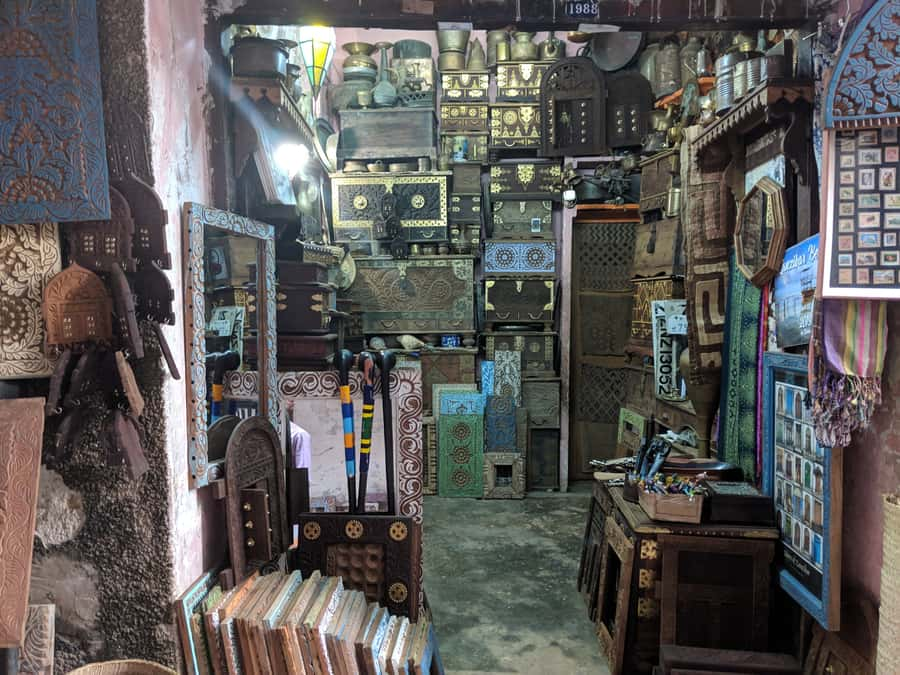
Stone Town isn’t a “walk and look” place. It’s layered—trade routes left fingerprints on doorways, balconies, street patterns, and the way people still buy and sell. The best part of this tour is that it doesn’t treat history like a worksheet. You move from one meaningful spot to the next, so the UNESCO-listed feel comes from how the city functions, not just from signs.
You’ll also get a practical sightseeing rhythm. In a short 3-hour window, you hit multiple top landmarks instead of spending the day bouncing between “maybe I’ll see that” stops. If you’re new to Zanzibar and want a fast orientation, this format makes sense.
You can also read our reviews of more walking tours in Zanzibar


Starting at the Anglican Church and the old slave market site
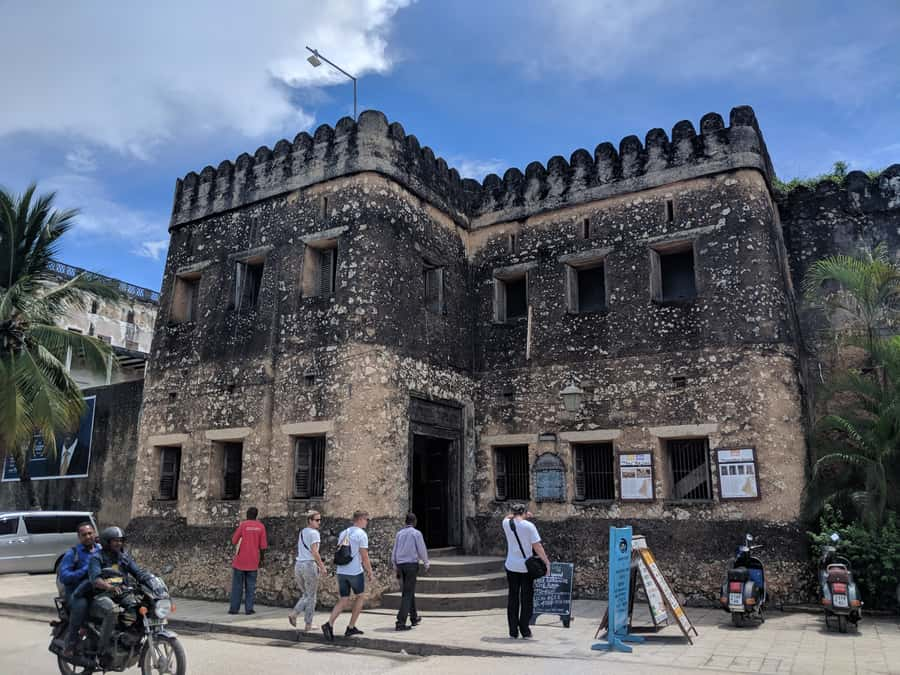
Most walking tours start with something pretty. This one starts with weight. You begin near an Anglican Church in one of the key parts of the old slave market area, then head into the tight lanes that define Stone Town.
I like how this sets expectations. Before you reach the famous buildings and photogenic corners, you’re reminded that the city’s role in regional history isn’t only romance and architecture. The opening gives you a clearer lens for everything that follows—especially the forts and the political stories tied to trade.
If you’re sensitive to dark history, plan your mindset for a sober start. It’s not presented as a side note; it’s the first chapter.
City Market: where fresh food and live fish auctions drive the day
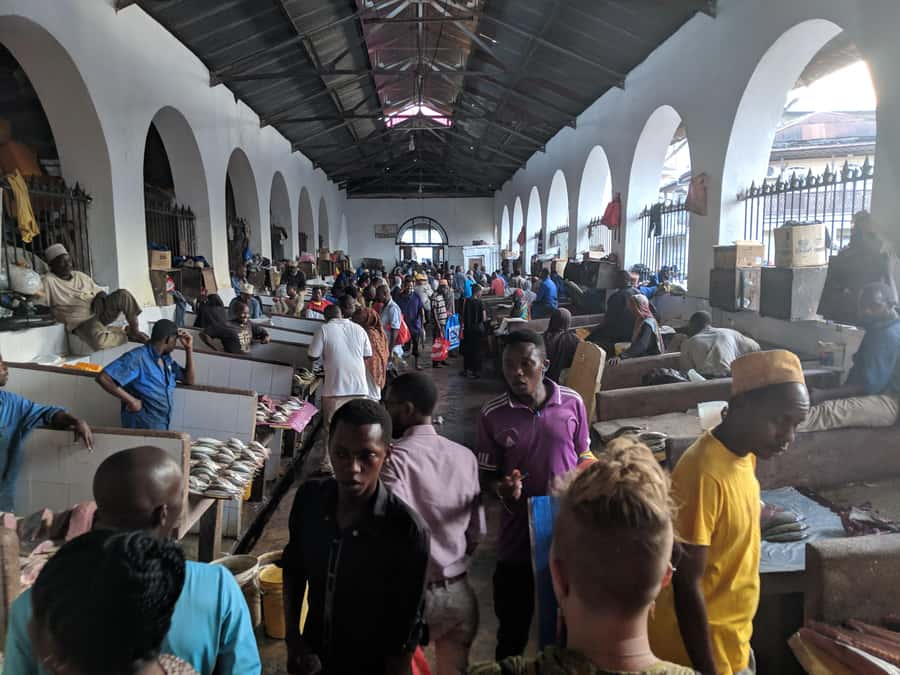
Next comes the city market—often the most memorable stop because it’s real daily life, not just sightseeing. You’ll see the biggest market of the islands and watch locals buy and sell all sorts of products.
The standout moment is the fresh fish auctions, where locals bid on seafood. Even if you don’t plan to buy anything, you’ll feel the energy of a system where timing matters and buyers know the goods. You’ll also see baskets of fresh fruits, which gives a nice visual balance after the market’s more intense moments.
Practical tip: wear shoes you don’t mind getting dusty. Markets are uneven, and Stone Town streets can be a mix of smooth stone and rough patches. Bring water with you even though drinking water is included—your guide provides it, but a refill-ready mindset helps on warm days.
Palace Museum: royal rooms, merchant reality

After the market, the tour shifts from everyday business to the story of power. The Palace Museum is one of those stops that can feel like a quick glance if you rush. Here, you’re guided through it in the context of the city’s wider story—who lived in privilege, and why Zanzibar mattered.
The value isn’t just that you’ll see a museum. It’s that you’ll see it as a continuation of the trade history you started learning about. Once the market and the slave market opening are behind you, the palace becomes less “wow, fancy” and more “how society worked.”
If you’re the type who loves details, use this stop to ask your guide about how the city’s influences show up in building style and daily life. In the group, guides named Juma and Ahmed have been singled out for the way they handle history questions and help you make connections.
House of Wonder (Bait-al-ajab): Stone Town’s tallest landmark moment

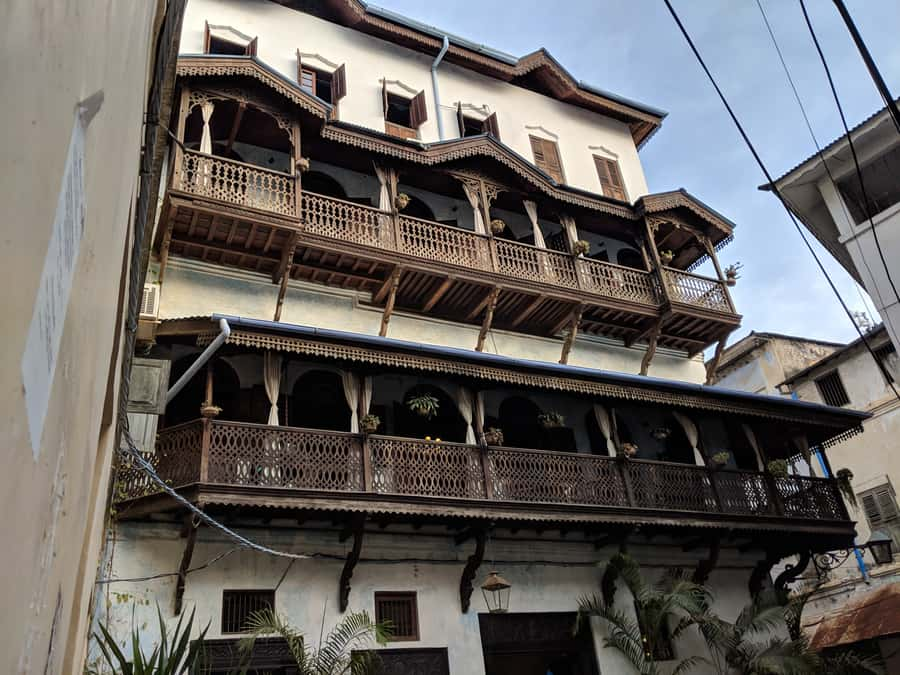
Next you’ll reach the House of Wonder, also called Bait-al-ajab. It’s described as the largest and tallest building in Stone Town, and the tour’s timing helps you appreciate it.
I like this stop because it’s a visual anchor. After walking through narrow streets, suddenly you’re looking at scale—something that tells you leadership wanted to be seen. And because the tour builds from earlier themes, you’re not just photographing a landmark. You’re understanding why a grand structure would be used to signal importance.
Photo heads-up: you’re likely to want multiple angles. The lanes around Stone Town give you different perspectives, and a few steps can change your shot a lot.
You can also read our reviews of more historical tours in Zanzibar



Old Fort and Tippu Tip: trade power made visible
Then the route takes you back toward the defensive side of Stone Town. You’ll visit an old fort, plus a stop connected to Tippu Tip—a name people associate with trade-era strength in the region.
This is where you start noticing the practical logic of Stone Town. Forts aren’t only about battles; they’re about control over routes, goods, and influence. With the market stop fresh in your mind, the idea of “who controlled access” lands harder. The city feels like a system now, not just a backdrop.
If you like history that connects to money and movement, you’ll appreciate this section. You’ll be less likely to treat the fort as a random landmark and more likely to see it as a piece of Zanzibar’s wider puzzle.
The Freddie Mercury photo stop: quick, iconic, and worth it

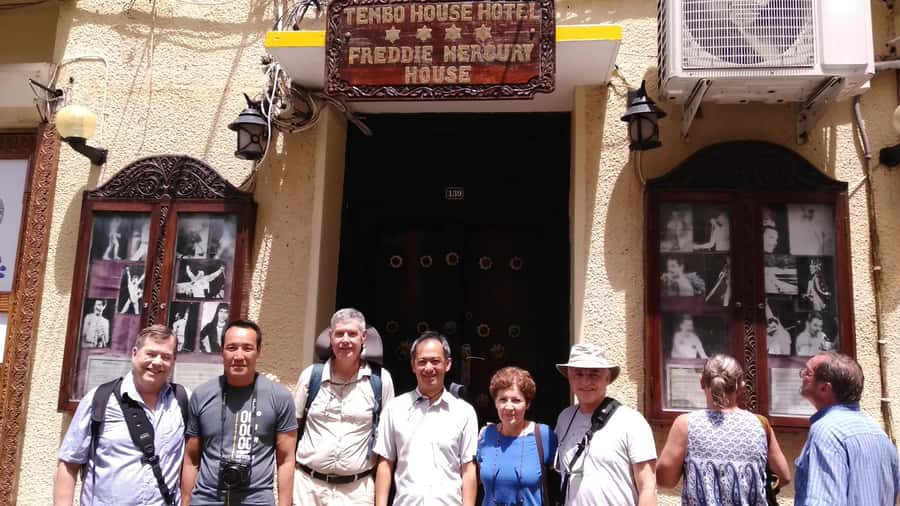
No Stone Town overview feels complete without the famous association. Your tour includes the most recognizable street-level moment: a picture near Freddie Mercury’s house.
This stop is brief, but it’s exactly the kind of thing that makes a walking tour satisfying. You’ll leave with more than photos of buildings; you’ll also have the pop-culture landmark people come for. And because it happens amid real streets and real history stops, it feels like a natural moment rather than a detour.
If you care about photos, stand in place first, then take your shot. Stone Town lanes can squeeze angles quickly, and rushing makes the lighting worse.
Peace Memorial and the Natural History Museum: a calmer pace
After the big-name sights and forts, the tour includes the Peace Memorial and the Natural History Museum. These stops give your brain a breather. They’re still meaningful, but they tend to feel less like “who ruled?” and more like “what the city remembers” and “what the region holds.”
I like adding at least one reflective and one educational stop in a short walking day. It breaks up the intense historical weight with something different—so the day doesn’t feel like nonstop lectures.
If your feet are tired by this point, this section is also a good place to slow your pace. Let your guide do the talking; you can just absorb and move at a human speed.
Traditional lunch: the payoff after a real walking stretch
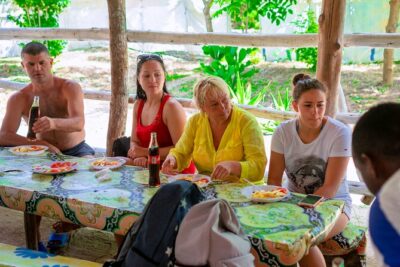
The tour ends with local lunch in a cozy restaurant. Since lunch is included, you don’t have to spend your limited time in Stone Town trying to figure out where to eat.
This matters more than it sounds. In a place where walking covers a lot of ground quickly, hunger can steal your attention. Having lunch planned means you can stay present for the final landmarks and still finish the day with a settled stomach.
One small value note: you’re paying for a package—entrance fees, guide fees, drinking water, and lunch. So when you judge the $60 price, you should compare it to the cost of separately booking a guide, paying entry fees, and eating a solid meal on top.
Price and value: is $60 for 3 hours fair?
At $60 per person for about 3 hours, the value comes from what’s bundled:
- entrance fees
- guide fees
- drinking water
- lunch
That bundling helps if you want a “no extra bills” day. You’re not trying to piece together tickets and a meal while you’re already walking and learning.
Still, there’s a reason the price might feel high to some people. The time window is short, so you’ll cover many stops without lingering forever. If what you want is long museum time or heavy inside-the-building exploring, you may end up wanting additional self-guided time after the tour.
My practical take: book this if you want an efficient, guided orientation plus market flavor and a real meal at the end. If you only care about one or two major museums, you might do better picking fewer stops on your own.
Who this Stone Town walking tour is best for
This tour is a great fit if you:
- have limited time in Stone Town and want several major sights in one morning
- enjoy history but like it explained in context, not just in a lecture
- want the market experience, especially the live fish auctions
- appreciate a guided route when streets get narrow and winding
It’s also a strong choice for first-timers who want the city’s big “greatest hits” without losing the human side. And if you prefer an English-speaking guide, this one runs in English.
Should you book this tour?
I’d say yes if you want a structured walk that covers key landmarks like the Palace Museum, House of Wonder (Bait-al-ajab), Old Fort, the Peace Memorial, plus the photo moment near Freddie Mercury’s house, and you also care about the real-food stop at the city market with live fish auctions. The included lunch and water make it simpler than cobbling together your own day.
I’d skip or adjust your expectations if you’re hoping for long museum time inside buildings or lots of free time for wandering. This is a compact, guided “see and understand” experience, not an all-day slow stroll.
If you do book it, I’d show up ready to walk, ask questions during the landmark stops, and treat the market segment as the emotional center of the morning. That’s where Stone Town feels most alive.
FAQ
How long is the Stonetown Historical Walking Tour & Traditional Lunch?
The tour lasts about 3 hours.
What is the meeting point for the tour?
You meet in front of the Old Fort at 9AM.
Is lunch included?
Yes. A traditional local lunch is included.
What does the price cover?
The price includes entrance fees, guide fees, drinking water, and lunch.
Is hotel pickup included?
Hotel pickup is not listed as included by default. Pickup is optional from hotels in the North or West Region of Zanzibar.
What language is the guide?
The tour is led by a live guide in English.
Is the tour wheelchair accessible?
Yes, it is described as wheelchair accessible.
What sights are visited during the walk?
You’ll see major Stone Town highlights such as the Palace Museum, House of Wonder (Bait-al-ajab), an old fort, the Peace Memorial, and the Natural History Museum, plus a photo stop near Freddie Mercury’s house.
Does the tour include the city market?
Yes. You’ll visit the city market and see live fish auctions.
Is there free cancellation?
You can cancel up to 24 hours in advance for a full refund.