REVIEW · ZANZIBAR
Stone Town Walking Tour
Book on Viator →Operated by Khamis Davido · Bookable on Viator
Stone Town is a living museum. This guided walking tour in Zanzibar pulls you through the old city lanes with stops that connect trade, faith, and daily life, from the colonial-era sights around the sea to the food and spice scene at the end.
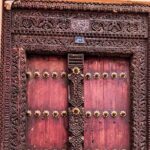
I especially like how the tour blends major historical places with the “everyday” parts of Stone Town, so you don’t just tick boxes—you understand how the city worked. And I really value the guide, Khamis Davido, who leads with clear storytelling and shows you where to look, including famous Zanzibar doorways and the market atmosphere at Darajani.
One consideration: it’s a walking experience with a moderate physical fitness level, and you’ll be moving through tight lanes and stops along the way, so plan for some time on your feet.
In This Review
- Key highlights you’ll remember
- Stone Town at walking pace: what you’ll actually see
- Starting at Old Fort: the easiest way to get your bearings
- House of Wonders and the colonial-era corners you’ll spot
- Old Slave Market and the Anglican Cathedral site: the hardest stop, done with care
- Zanzibar doors, Indian balconies, and Darajani Bazaar’s daily rhythm
- Price and value: why $45 makes sense for this route
- Your guide, Khamis Davido: language and pacing that matter
- Logistics that can make or break a short walk
- Who should book this Stone Town walking tour
- Should you book it?
- FAQ
- FAQ
- How long is the Stone Town Walking Tour?
- Where does the tour start?
- Where does the tour end?
- What is included in the tour price?
- Are tips included?
- Does the tour include admission fees?
- Is this tour private?
- What should I expect in terms of walking?
- What happens if weather is poor?
- Can I cancel for a refund?
- What language skills does the guide have?
Key highlights you’ll remember

- Old Fort start on Mizingani Road for a smooth entry into Stone Town
- House of Wonders and other colonial-era administration corners during the walk
- Old Slave Market area plus the Anglican Cathedral site and slave memorial details
- Zanzibar doors and Indian-style balconies you’ll spot street by street
- Darajani Bazaar ending with daily hustle at the fish and spice market
- Private tour for your group with a mobile ticket and all fees and taxes included
Stone Town at walking pace: what you’ll actually see

Stone Town is one of those places where the streets do half the explaining. As you walk, you keep noticing architectural details that look small until you realize they’re clues—clues to trade routes, wealth, religious communities, and the people who lived there.
This tour is designed for a short stay: about 2 to 3 hours walking time. That matters because Stone Town can swallow an entire afternoon on its own. Here, you get a guided route that hits the most meaningful areas without pretending you can cover the whole city in one go.
You’ll also get a clear sense of Zanzibar’s multi-cultural mix. The tour’s story line moves through the eras when slave, spice, and ivory trade shaped the city, and then brings you into the present through markets and daily routines.
You can also read our reviews of more walking tours in Zanzibar


Starting at Old Fort: the easiest way to get your bearings

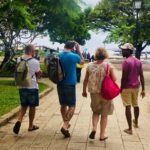
The meeting point is Old Fort, Mizingani Rd, Zanzibar. Starting here is smart. You’re in the heart of the Stone Town area from the moment you begin, and the walk immediately orients you to the layout—sea-side views, key streets, and the kind of historic buildings that make Stone Town feel like an outdoor archive.
From this start, the tour heads into the older parts of town where colonial administration buildings were used for government functions. Even if you’ve read about Stone Town before, seeing these structures in street context helps everything click: you can imagine how officials moved, where power concentrated, and how close the city’s commercial life sat to its official life.
One detail I appreciated is that the route isn’t only about looking up at buildings. It’s also about learning how the city functioned, including how different communities left their mark in the same urban space.
House of Wonders and the colonial-era corners you’ll spot

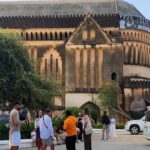
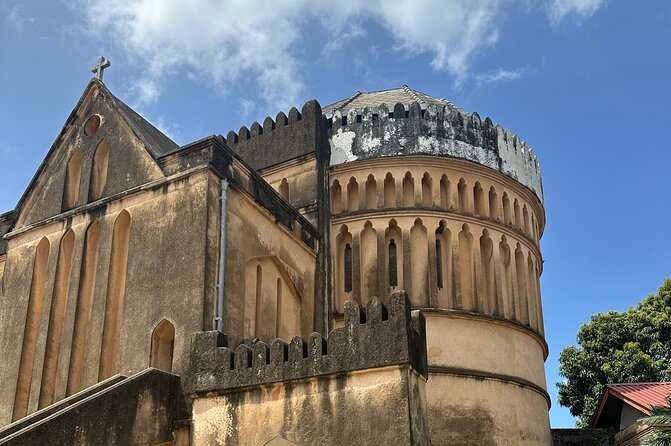
A highlight on the early part of the walk is time spent around well-known historic structures, including the Old Fort and the House of Wonders. The House of Wonders is the kind of landmark people photograph, but what makes it worth visiting on a guided walk is the context—why it’s remembered, and how that era influenced the city’s built environment.
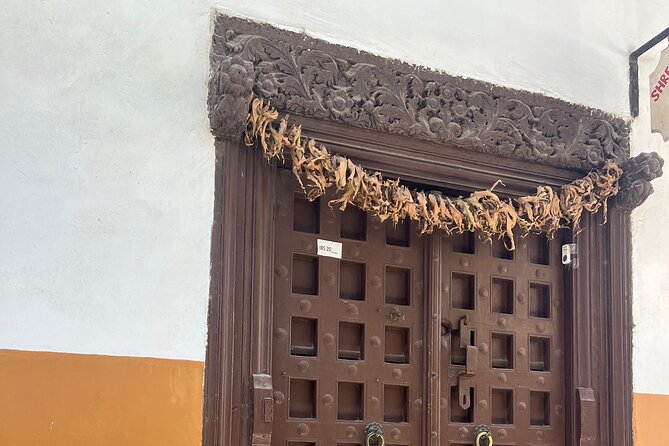
As you move along, you’ll also get pointed out the features that give Stone Town its signature look: curving doorways, balconies, and the overall mix of styles that come from many influences across the Indian Ocean world. When you have a guide explaining what you’re seeing, those details turn from pretty architecture into a practical map of history.
A small but important value here: the tour keeps you moving. In a place like Stone Town, stopping randomly often means you end up missing the best angles or the most meaningful buildings. This route gives you a rhythm—walk, look, understand, then move on.
Old Slave Market and the Anglican Cathedral site: the hardest stop, done with care
No Stone Town experience feels complete without learning about the slave trade history tied to this place. This stop is built around the former slave market area and the Anglican Cathedral site that connects to the building history of the area.
You’ll see the slave monument and details including the original chain used during the slave trade. That’s the kind of object that changes how you read the surrounding streets. It’s not just a “sight.” It’s a reminder of how real commerce and violence were intertwined.
This is also where I think the tour’s pacing matters. A guided approach helps you stay respectful without turning the stop into an awkward pause. You’re given enough context to understand what you’re looking at, and then you move forward rather than getting lost.
A practical note: this stop can feel heavy. If you’re sensitive to difficult topics, just know that the tour includes this material as a central part of the route—not as an afterthought.
Zanzibar doors, Indian balconies, and Darajani Bazaar’s daily rhythm
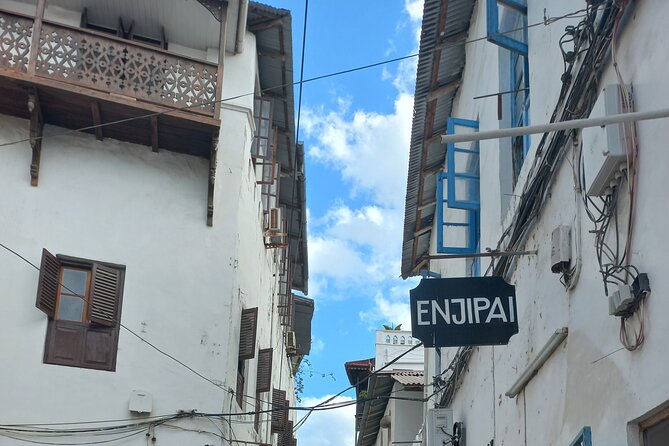
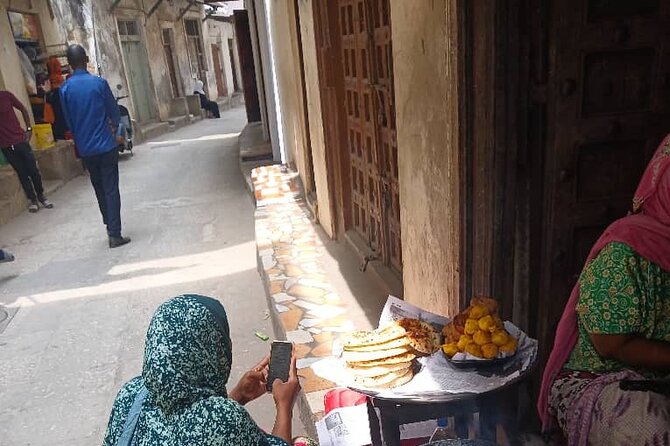
After the history-focused stops, the tour shifts into “life in the street.” You’ll walk through the narrow lanes where people shop, trade, and talk. Along the way, you’ll be watching for Zanzibar doors and Indian-style balconies—the visual markers that show how Stone Town blended influences over time.
The tour ends at Darajani Bazaar, including time to experience the hustle of the fish and spice market. This is one of the best ways to close a Stone Town visit because it anchors the story in the present. You can stand in the market and feel how the city still functions as a crossroads for goods—just in a different form than the old trade routes.
Even if you’re not shopping, the market stop gives you something you can’t get from photos: the sound and pace of the place. It’s not a curated museum setting. It’s everyday Zanzibar.






Price and value: why $45 makes sense for this route
At $45 per person, this tour is priced for a short, high-impact introduction to Stone Town. The value is strongest when you consider what you’re getting inside that time window: multiple major sights, market time, and the guiding element that helps you connect the architecture to real history.
You should also factor in what’s included: all fees and taxes are covered, so you’re not surprised by additional entry charges. The tour also notes that some admissions are free while others are included—so you’re paying for guidance plus the required ticket coverage where it applies.
Two more value signals:
- It’s a private tour/activity, meaning it’s only your group (not a big mixed crowd).
- You get a mobile ticket, which is convenient when you’re already juggling schedules in Zanzibar.
Tips aren’t included, so you’ll want a small amount set aside if you felt the guide earned it.
Your guide, Khamis Davido: language and pacing that matter

The experience’s strongest recurring theme is the guide. Khamis Davido is highlighted as professional, friendly, and very capable in both English and German. That language flexibility matters because it changes what you can ask and understand. You’re not limited to a few scripted facts—you can follow the reasoning behind what you’re seeing.
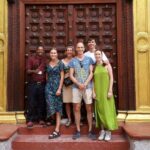
Khamis also gets praised for clear explanations of Stone Town’s cultural heritage and history, and for taking care of the group’s comfort during the walk. Another practical detail from the experience: the guide tends to help with smooth transitions, including making sure you’re guided back to where you need to connect after your tour time ends.
One more thing I like about this style of guiding: it includes room for shopping, without turning the walk into a sales pitch. You’ll see what’s available in a smart way—based on what you learned along the route—so you’re more likely to buy things you actually want, not random souvenirs.
Logistics that can make or break a short walk
This is where a couple of small details save you hassle:
Timing and weather: the experience requires good weather. If weather disrupts the tour, you’re offered a different date or a full refund. In Zanzibar, that’s worth taking seriously—rain can turn narrow lanes into slow, slippery walking.
Getting there: the meeting point is near public transportation, which helps if you’re not staying within easy walking distance of Old Fort. You don’t have to build your whole day around a car.
Walking level: the tour calls for a moderate physical fitness level. That doesn’t mean “hard hike,” but it does mean you should expect walking through compact streets and stepping between stops.
Where it ends: the tour ends back at the meeting point. That’s helpful for planning your afternoon—no extra navigation required at the end.
If you want the best experience, plan for comfortable footwear and a bit of flexibility. Stone Town is the kind of place where the pace of the street can affect how quickly you move.
Who should book this Stone Town walking tour
This tour is a strong fit if you:
- Want a high-value introduction to Stone Town in a limited time window
- Like history that’s tied to real places, not just textbook descriptions
- Want market time at the end, so you’re not left only with monuments
- Travel with a small group and prefer a private setup
- Appreciate a guide who can explain in English or German (depending on what you prefer)
It may not be the best choice if you:
- Have very limited ability to walk (the tour asks for moderate physical fitness)
- Prefer long, unstructured wandering with no fixed route or stop durations
Should you book it?
Yes, I’d book this Stone Town walking tour—especially if it’s your first time in Zanzibar. The route hits the core landmarks and the key “why” behind what you see, then ends in a market that makes the city feel alive. At $45 with fees and taxes covered, plus a private group setup, it’s a pretty clean value for a focused 2–3 hour experience.
FAQ
FAQ
How long is the Stone Town Walking Tour?
The tour runs about 2 to 3 hours.
Where does the tour start?
It starts at Old Fort, Mizingani Rd, Zanzibar, Tanzania.
Where does the tour end?
The activity ends back at the meeting point.
What is included in the tour price?
All fees and taxes are included.
Are tips included?
No. Tips are not included.
Does the tour include admission fees?
Some admissions are free on the route, and at least one ticket is included as part of the tour stops you’ll visit.
Is this tour private?
Yes. It’s a private tour/activity, so only your group participates.
What should I expect in terms of walking?
It’s a walking tour and the experience requests a moderate physical fitness level.
What happens if weather is poor?
This experience requires good weather. If it’s canceled due to poor weather, you’ll be offered a different date or a full refund.
Can I cancel for a refund?
Yes. Free cancellation is available up to 24 hours in advance for a full refund.
What language skills does the guide have?
The guide, Khamis Davido, is described as speaking fluent English and German.