REVIEW · ZANZIBAR CITY
Serengeti & Ngorongoro 3 days Fly Safari in from Zanzibar
Book on Viator →Operated by Serengeti African Tours · Bookable on Viator
A quick hop from Zanzibar into safari country. This 3-day Serengeti and Ngorongoro fly-in lodge safari keeps the pace high and the planning simple, starting with an arrival at Seronera Airstrip and ending back in Zanzibar City. I particularly like how the schedule protects your best wildlife hours with a sunrise game drive and full days in the parks.
My second favorite part is the combination of classic wildlife time plus culture. You get an open-top, 4×4 safari vehicle for game viewing, and on Day 2 you also visit a Maasai boma with a village tour and traditional dancing.
One thing to consider before you book: this is a short trip for two major parks, so you’ll spend a decent amount of time in transit (including flights) rather than lingering in one place.
In This Review
- Key highlights worth clocking
- ZNZ to Serengeti: Why the fly-in format is the real win
- Day 1 in Serengeti: Seronera Airstrip to Big-Cat Country
- Day 2 starts with fire-in-the-sky sunrise, then heads toward Ngorongoro
- Ngorongoro Conservation Area on Day 3: the crater view and open-top time
- Vehicles, guides, and meals: what daily comfort really looks like
- Price and value: does $2,200 really add up for 3 days?
- Best-fit traveler: who will love this and who might not
- Practical things to plan for (so Day 1 goes smoothly)
- Should you book this 3-day Serengeti and Ngorongoro fly safari from Zanzibar?
- FAQ
- Where does this safari start and end?
- How long is the safari?
- Do flights from Zanzibar cost extra?
- What’s included during the safari?
- What is not included in the price?
- Is it a private tour?
Key highlights worth clocking
- Fly-in from Zanzibar to Seronera Airstrip to cut down the long overland slog
- Two strong game-drive moments: daytime search and an early sunrise session
- Maasai boma visit on Day 2, with dance, village tour, and a small market
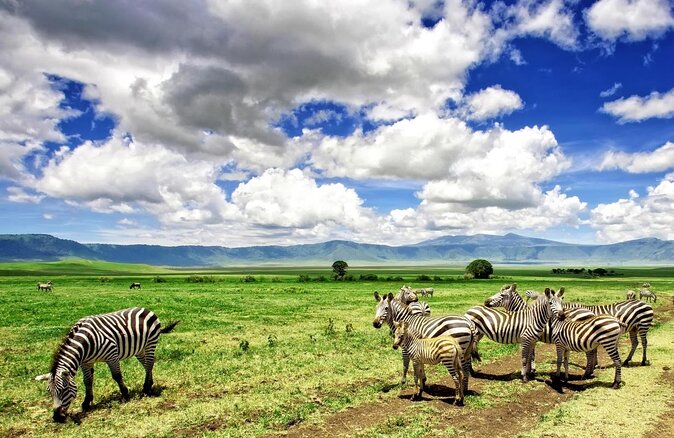
- Ngorongoro Crater day with a panoramic viewpoint and open-top driving
- Meals and park fees included, so you’re not constantly doing math in the bush
ZNZ to Serengeti: Why the fly-in format is the real win
Starting and ending in Zanzibar City is a big deal. You’re not stacking days of road time. Instead, you fly in and out as part of the package, which means more of your trip actually happens in wildlife country.
On this safari, that translates to a smooth rhythm: you land at Seronera Airstrip around 11:00 a.m. (Day 1), then move directly into the Serengeti for game drives. The same idea plays out on the way back to Zanzibar. If your goal is to see a lot in a short window, fly-in is the smart move.
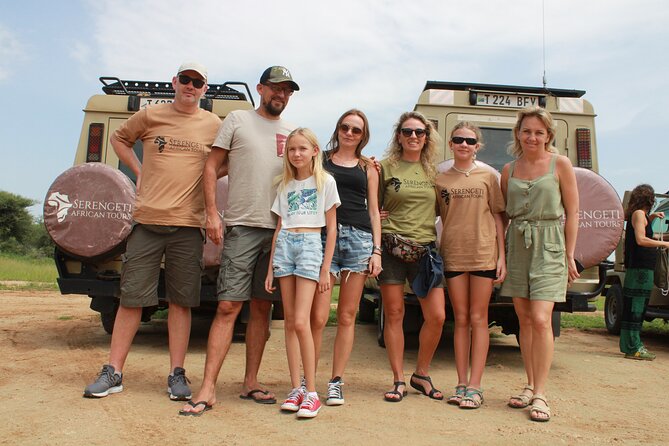
Another practical point: you’re traveling with a professional guide and a safari cook, and you’re in an organized 4×4 pop-up roof vehicle. That matters because the early morning and long game-drive days work best when logistics are handled—so you can focus on scanning for cats, herds, and the small animal behavior that often gives away what predators might do next.
A few more Zanzibar City tours and experiences worth a look
Day 1 in Serengeti: Seronera Airstrip to Big-Cat Country
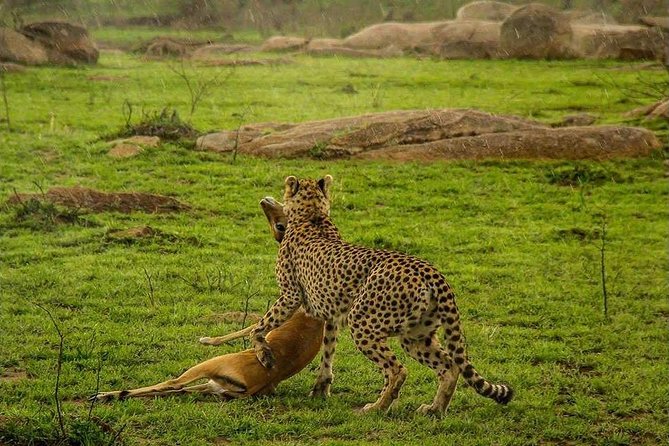
Day 1 starts at Seronera Airstrip at about 11:00 a.m. You’re met by your safari guide, and you’re set up for the first meal and first wildlife time. There’s a picnic lunch prepared for you, and the day’s plan is built around getting you into the park without wasting your arrival day.
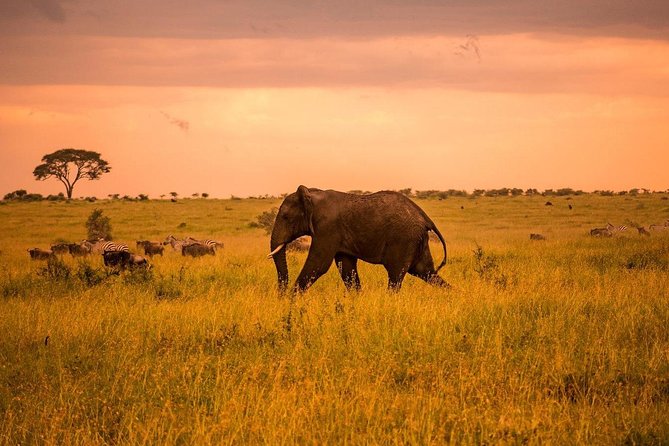
Around 1:00 p.m., you start game viewing, then keep driving in search of big cats and other Serengeti ungulates. This is the “find and learn” day. You’ll likely get a feel for how Serengeti ecology looks in motion: the way herds spread out, where they pause, and which areas pull in predators.
Later in the afternoon or evening, you drive back to your lodge—listed as Serengeti Heritage or a similar option depending on availability—so you’re not exhausted when dinner arrives.
What I like about this pacing: you’re not only chasing sightings. You’re also building context. Even in a few hours of driving, the Serengeti starts to make sense—where animals funnel, how visibility changes, and what kinds of tracks and sign show up around feeding times.
Potential drawback: because you arrive mid-morning, your Day 1 game drive won’t replace the value of the sunrise session you’ll do the next morning. Think of Day 1 as your warm-up and your chance to see what’s active in the afternoon light.
Day 2 starts with fire-in-the-sky sunrise, then heads toward Ngorongoro
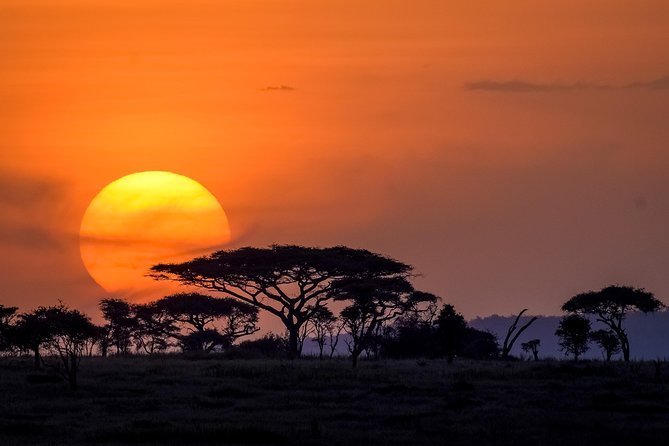
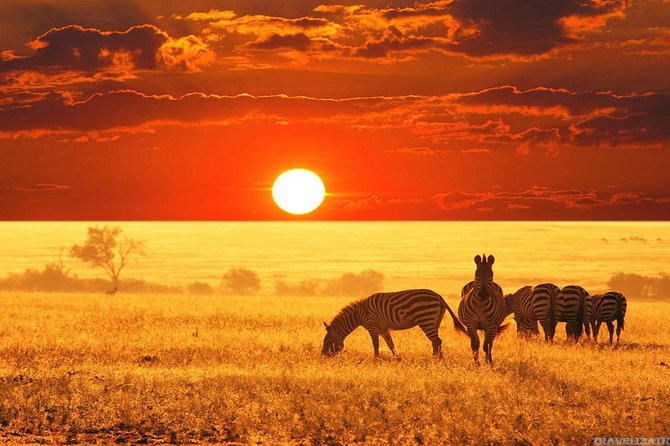
Day 2 is where the trip really earns its keep. You wake early for a sunrise game drive. In places like the Serengeti, predators tend to be active as the day cools down and animals shift from nighttime movement into morning routines. Even if sightings vary, a sunrise drive is often when you get the most dramatic light for both viewing and photos.
After the drive and a late breakfast, you shift gears and head toward Ngorongoro. The transfer isn’t treated like dead time; it’s described as a game drive all of its own. Your driver’s job is to spot animals along the route, whether that’s large herds, big cats, or other wildlife activity.
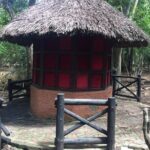
Then you add culture: the Maasai boma visit. This part includes traditional Maasai dance, a tour of an authentic village, and time for souvenir shopping at the local market. This is the moment where you can slow down and see how people live alongside the land you’re watching from a vehicle.
I like that the boma visit is scheduled as part of the day’s arc rather than tacked on at the end. You’ll be mentally ready to interact—especially after an early morning.
One consideration: culture visits can feel very different from wildlife viewing. If you’re mainly here for animals, budget your energy accordingly so you don’t feel rushed when it’s time to meet and watch performances.
Ngorongoro Conservation Area on Day 3: the crater view and open-top time
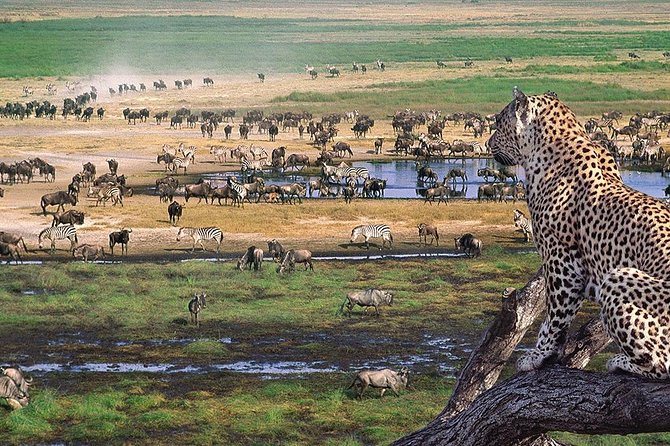
Day 3 is all about Ngorongoro. After breakfast, you head to the Ngorongoro Crater, often called by many the “Eighth Wonder of the World.” You start with a panoramic viewpoint, where you get your first wide look at the caldera before descending for the main crater game drive.
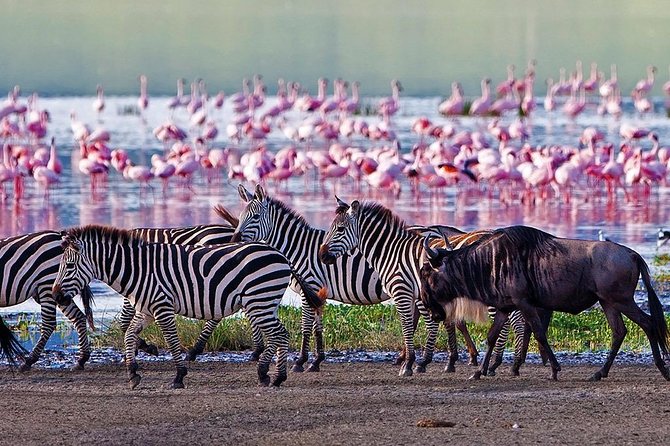
Inside the crater, you’ll be in an open-top vehicle for viewing and photography. The big appeal here is density. The information provided highlights over 120 species of mammals, plus the chance to see famous animals. In particular, you’re told it’s a great place to spot black rhinoceros and hippopotami, along with large numbers of other wildlife.
A realistic way to think about this: no short safari can guarantee specific animals every day. But Ngorongoro is structured for visibility. Because it’s a conservation area with known wildlife concentrations, you’re not just rolling the dice like you might in a large, unfamiliar zone.
What makes Day 3 feel complete is the flow: viewpoint first (you understand the geography), then game viewing with vehicle access and long-enough time for animals to do their thing. Even if your best moment is a close hippo sighting or a rhino sighting across a grassy stretch, the crater setup helps you catch those moments.
Vehicles, guides, and meals: what daily comfort really looks like
This safari runs on a dependable core set of ingredients: transport in a 4×4 pop-up roof safari vehicle, an English-speaking guide, and a safari cook. Add meals (Breakfast, Lunch, Dinner), mineral water, and all national park fees, and you end up with fewer “what now?” moments.
From the feedback you shared, the guides seem to be a major reason people rate this so highly. Names that come up again and again include Dickson, David, Lucas, Kelvin, and Abouh. Several reviews also mention guides who speak multiple languages, including Spanish and French, which is a nice bonus if you want more than simple spotting updates.
Food and comfort matter too. The tour includes meals across the days, with Breakfast (3), Lunch (3), and Dinner (2). That’s helpful because it reduces planning stress on long driving and early wake-up mornings. You’re also told the accommodation is comfortable, and one review specifically mentions spending the safari nights in tents for a more authentic experience.
On the practical side, the open-roof vehicle setup is what lets you scan and photograph without fighting windows. You’ll be out in the bush with long viewing windows rather than being cramped inside.
The one comfort-related caution: mornings are early, and crater days can be long. Bring layers and be ready for temperature swings, even if the itinerary sounds like straightforward “driving and seeing animals.”


Price and value: does $2,200 really add up for 3 days?
At $2,200 per person, this isn’t a budget safari. But it is a “pay for time and structure” safari—and that changes the value equation.
Here’s what your price includes (based on the details you gave):
- Go and return flights from Zanzibar
- Accommodation during the safari
- All national park fees
- Professional English-speaking guide and safari cook
- Transport in a 4×4 pop-up roof vehicle
- Meals: Breakfast, Lunch, Dinner (with listed day counts)
- Mineral water
So you’re not just paying for game drives. You’re paying for the whole operating system: flights, entry fees, lodging, and staffed services. For a 3-day window, that structure can be worth it because you avoid the risky “DIY time math” of coordinating flights, park logistics, and transfers on your own.
Also, this price tag makes more sense if you’re coming from Zanzibar and you want to fly straight into the Serengeti rather than doing a longer overland route. That fly-in method is typically one of the biggest cost drivers—and it’s also one of the biggest time savers.
What’s not included is also worth knowing up front: visa fees, personal spending for souvenirs, and tipping. Those are common add-ons on Tanzania trips, but you’ll want to budget so you don’t get surprised at the end.
Best-fit traveler: who will love this and who might not
This tour fits best if you want:
- A tight 3-day safari focused on Serengeti plus Ngorongoro
- A fly-in starting point from Zanzibar to maximize game-drive time
- Guided viewing with an expert who can explain what you’re seeing
- A blend of wildlife and a Maasai boma cultural stop
It might be less ideal if you’re the type who wants lots of downtime, slow mornings, or one park only. The itinerary is built to keep you moving and keep your wildlife time front-loaded into the best viewing windows.
It’s also worth noting that the experience is described as private with “only your group will participate,” even while there are mentions of group discounts. So you get the comfort of a shared safari experience designed around you, but the size of your group can still vary depending on how bookings line up.
Practical things to plan for (so Day 1 goes smoothly)
A few “get ready” notes based on what’s in the itinerary:
- Your first park day begins after arrival at Seronera Airstrip (~11:00 a.m.), so you’ll want to plan your Zanzibar day accordingly.
- Day 2 includes an early sunrise game drive, which means you’ll want restful sleep and fewer distractions the night before.
- You’ll spend time in open-top vehicle viewing during both Serengeti and Ngorongoro, so bring sensible clothing for wind and sun.
- Because this is a short safari, you’ll get big highlights fast. Pack with the mindset of “expect to move,” not “expect to linger.”
If you enjoy communication and planning, it looks like this operator is strong there too. Multiple reviews mention smooth pre-tour communication and responsive messaging (including WhatsApp and email), plus easy payment methods.
Should you book this 3-day Serengeti and Ngorongoro fly safari from Zanzibar?
If your dream trip is Serengeti big-cat country plus Ngorongoro’s famous crater wildlife—and you want it in just 3 days—this is the kind of itinerary that can work beautifully. The biggest reasons to book are simple: fly-in efficiency, guided game drives in the right places, and a Day 2 mix of culture (the Maasai boma) and wildlife.
I’d book if:
- You’re starting in Zanzibar City and don’t want to lose vacation time to long transfers
- You care about a structured plan with meals and park fees handled
- You want a professional guide like Dickson, David, Lucas, Kelvin, or Abouh (names that show up in the feedback)
I might skip or look for a longer option if:
- You want more days in one park instead of seeing two areas in quick succession
- You prefer lots of free time rather than sunrise and full driving days
- You’re very budget-sensitive once you factor in visa and tipping
FAQ
Where does this safari start and end?
It starts and ends in Zanzibar City, Tanzania.
How long is the safari?
The duration is about 3 days.
Do flights from Zanzibar cost extra?
No. The package includes go and return flights from Zanzibar.
What’s included during the safari?
Included are accommodation, an expert guide and safari cook, meals (Breakfast, Lunch & Dinner as listed), mineral water, 4×4 pop-up roof vehicle transport, and all national park fees.
What is not included in the price?
Visa fees, personal spending for souvenirs, and tipping are not included.
Is it a private tour?
Yes. It’s described as a private tour/activity, with only your group participating.
—
If you want, tell me your travel month and your comfort level with early mornings, and I’ll suggest whether this 3-day format matches your style—or if you’d be happier adding a day.