REVIEW · ZANZIBAR
Zanzibar Stone town historical walking tour with Mohamed
Book on Viator →Operated by Africa’s Home Tours & Safaris · Bookable on Viator
Stone Town works best when someone points out what you’re actually looking at. This 3-hour private walking tour with Mohamed connects Zanzibar’s UNESCO-era streets to the people, power, and trade that shaped them. You’ll hit famous stops like the Freddie Mercury House and the House of Wonders, then move into the markets where day-to-day Zanzibar spills onto the sidewalk.
I especially like the way this tour mixes big names with practical context. You’re not just seeing buildings—you’re getting the stories behind them, from early electricity at Beit-el-Ajaib to the former slave market area and its lasting historical weight. And because it’s private, you can set the pace and focus, instead of being swept along with strangers.
One thing to keep in mind: many stops are brief (often around 5–15 minutes), so this is an overview-style walk. If you want long, sit-down museum time or you hate walking through busy market areas, you’ll need to plan to extend your time on your own later.
In This Review
- Key highlights to expect
- Why Stone Town feels made for a guided walk
- Price and value: where your $30 actually goes
- Logistics that make the tour easier: Old Fort start, flexible timing
- Private guide energy with Mohamed: what changes on a one-on-one walk
- Stop by stop: what you’ll see and why it’s worth your time
- 1) Freddie Mercury Museum: Zanzibar’s global connection
- 2) House of Wonders (Beit-el-Ajaib): Sultan power and early electricity
- 3) Old Fort (Ngome Kongwe): from defense to festival ground
- 4) People’s Palace Museum: a museum with a learning mission
- 5) Old Slave Market and the Anglican Cathedral: history you can’t ignore
- 6) Darajani Bazaar: the market where you’ll see Zanzibar’s everyday pulse
- 7) Old Dispensary: a former hospital turned landmark
- Shopping time: how to use the market window without overspending
- What to pack (based on how this tour runs through Stone Town)
- Who should book this Zanzibar Stone Town walk
- Should you book this Zanzibar Stone Town historical walking tour with Mohamed?
- FAQ
- FAQ
- How long is the Zanzibar Stone Town historical walking tour?
- What’s the price per person?
- Is this a private tour?
- Where does the tour start and end?
- Are museum or site admission fees included?
- Does the tour include food or drinks?
- Does the tour offer hotel pickup and drop-off?
- What happens if the weather is poor?
- Can I cancel for a full refund?
Key highlights to expect
- Mohamed as your private guide: personalized pacing and undivided attention
- Free admission noted for each stop: many sights come without ticket costs
- Stone Town landmarks in a tight circuit: cathedral, palaces, forts, dispensary
- Darajani Bazaar + spice market area time: a real feel for daily life
- Hotel pickup and drop-off included: easier start, easier end
- Short, focused 3-hour format: great if you’re on a busy island schedule
Why Stone Town feels made for a guided walk
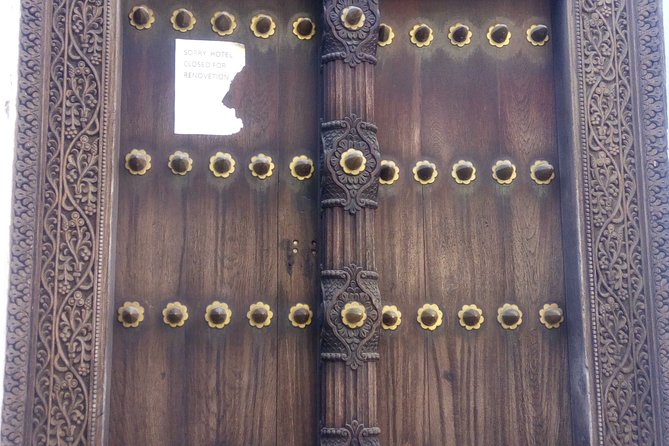
Stone Town isn’t the kind of place where you can just wander randomly and “hope for the best.” The streets, doors, and building styles reward attention. A guided walk helps you spot what your eye might miss—especially where power changed hands, where trade routes shaped daily life, and where Zanzibar’s history still leaves marks on the street plan.
This tour leans into that street-level approach. You’ll move through named historical sites and recognizable landmarks, then spend time in the market zone where spice and everyday goods are part of the visual rhythm. If you like history you can see with your feet, this is a smart format.
You can also read our reviews of more walking tours in Zanzibar


Price and value: where your $30 actually goes
At $30 per person for about 3 hours, this isn’t priced like a “big attraction day.” It’s priced like what you’re really buying: a knowledgeable private guide plus guided time at multiple major Stone Town stops.
The value is boosted by a few concrete extras:
- Hotel pickup and drop-off from various locations means you’re not spending your limited time figuring out transport.
- Small water is included.
- The stops listed on the tour show admission tickets as free. That matters in Stone Town, where entry fees can pop up at different sites.
The one thing that isn’t included is food. Lunch is not part of the package, so if your tour time lands near a meal window, you’ll want to budget for something afterward or during the free shopping time.
Logistics that make the tour easier: Old Fort start, flexible timing
You start at Old Fort on Mizingani Rd. The activity also ends back at the meeting point, which keeps the route coherent. If you’re using the included pickup/drop-off, it helps you arrive without stress and find the right spot at the start.
Departure times include multiple morning or afternoon options, so you have more than one chance to fit the walk into your day—even if your schedule changes.
Private guide energy with Mohamed: what changes on a one-on-one walk
A private tour sounds nice on paper, but in Stone Town it’s a practical advantage. You don’t have to keep up with a group. You can ask the questions that matter to you: about specific buildings, about what a street used to be, or about how Zanzibar’s trade shaped what you see today.
Mohamed is the kind of guide you’ll appreciate for the basics: punctuality and easy-to-follow pacing. A calm, on-time start can matter more than you’d think when Stone Town streets are busy and you’re balancing other plans.
Stop by stop: what you’ll see and why it’s worth your time
You can also read our reviews of more historical tours in Zanzibar




1) Freddie Mercury Museum: Zanzibar’s global connection
The tour begins at the Freddie Mercury Museum, where you’ll learn about Freddie’s birthplace. His real name was Farrokh Bulsara, and the guide connects the family background to the wider story of Zanzibar and migration—his father from Iran and his mother from India—before he became known worldwide as a Queen singer.
Why I think this stop is useful: it anchors Stone Town’s story in something modern and specific. Even if you’re not a hardcore music fan, the point isn’t just fame—it’s how Zanzibar connects with the wider world.
A tip: if you’re short on time elsewhere, still give this stop your attention. It’s one of the fastest ways to get a big-picture feeling for Zanzibar’s identity.
2) House of Wonders (Beit-el-Ajaib): Sultan power and early electricity
Next is the House of Wonders (Beit-el-Ajaib), described as a sultan palace built by the third sultan, Sultan Baraghash. It earned the name House of Wonders because it was known as the first house with electricity—and today it functions as a museum.
This is a strong stop because it changes how you think about “old” places. You’re not only looking at architecture—you’re seeing a moment when technology and status intersected. If you like the human side of history, this one tends to click quickly.
Possible drawback: if you’ve already spent time in other museums during your trip, you may want to skim faster here and save your energy for the market section later.
3) Old Fort (Ngome Kongwe): from defense to festival ground
The Old Fort (Ngome Kongwe) was an Arab fort built to defend against Portuguese forces. Today, it’s used for festivals such as the Sauti za Bulsara Festival, the Zanzibar International Film Festival, and a Reggae Festival.
What I like about including this stop: it shows how locations evolve. The same walls that once mattered for defense can become cultural stages. Even when you’re not attending a festival, you can picture how Stone Town’s public spaces keep shifting roles.
4) People’s Palace Museum: a museum with a learning mission
The tour then goes to the People’s Palace Museum, described as another sultan palace. Here, the government opened it as a museum to show Zanzibar’s history, culture, and traditions, with a role as a center for education and research.
This stop works well if you want a calmer, more interpretive break in the middle of walking through louder streets. It’s also a good place to reset: you can step back mentally and connect the political and economic clues from earlier with cultural meaning.
5) Old Slave Market and the Anglican Cathedral: history you can’t ignore
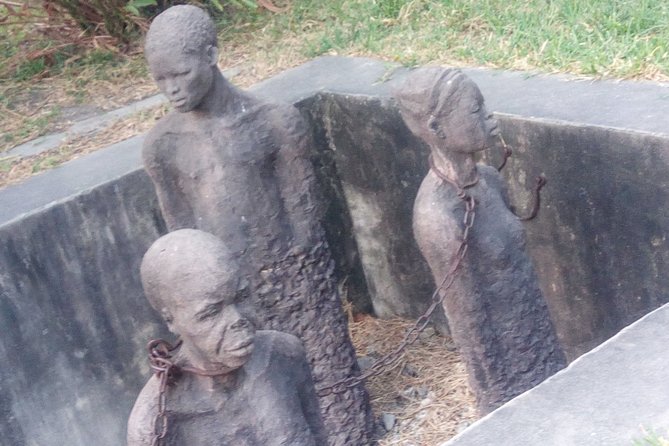
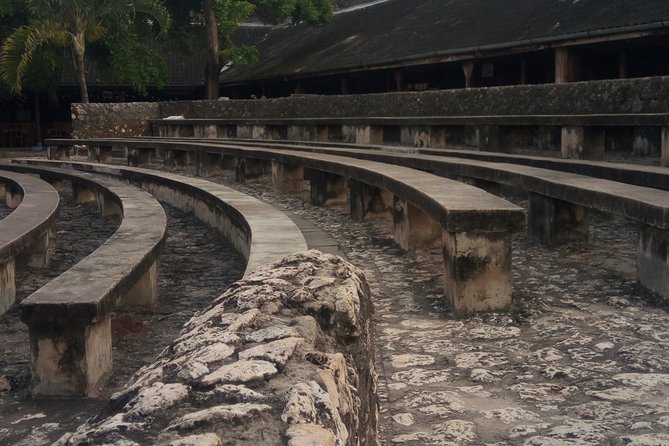
One of the most important stops is the Old Slave Market / Anglican Cathedral area. This is described as a former slave market site where enslaved people were brought in from different parts of Africa and sold. Today, it’s an historical site.
This is the kind of stop where you should slow down mentally, not just physically. Ask yourself what kind of story you want from it: the human realities, the geography of the trade, or how the area is remembered now. A good guide helps you connect facts to what you’re seeing on the ground.
Note: this part of the walk can feel emotionally heavy, especially right after you’ve been learning about power and palaces. If that matters to you, you might want to carry a little extra patience and breathe through it.
6) Darajani Bazaar: the market where you’ll see Zanzibar’s everyday pulse
Then you move into Darajani Bazaar, described as old and one of the first markets in Zanzibar. It’s busy from morning to evening, with stalls selling fish, meat, fruits, spices, and vegetables.
This is where you can shift from “history mode” to “daily life mode.” Markets aren’t only for photos. They’re where you understand what’s traded, what people buy, and how spice is part of local identity—not just a souvenir concept.
Practical advice: markets are active and sometimes crowded. Wear comfortable shoes and keep an eye on your belongings. If you’re sensitive to strong smells, expect spices and fish aromas as part of the experience.
7) Old Dispensary: a former hospital turned landmark
The final named architectural stop is the Old Dispensary, a former hospital now functioning as a historical building. It was built by Tharia Topan.
This one is brief, but it’s a nice reminder that Stone Town isn’t only palaces and forts. Buildings tied to health and public needs also shaped daily life. It’s also a good “last stop” because it helps you finish the tour thinking beyond royalty and war.
Shopping time: how to use the market window without overspending
You’ll have time during the tour to shop for souvenirs or purchase lunch. That’s useful because Stone Town shopping can be time-consuming when you do it on your own.
Since lunch isn’t included, use this window strategically:
- If you want local food, plan for it during the shopping time.
- If you’re not hungry yet, you can still use the market time for browsing and compare items so you don’t buy the first thing you see.
If you’re buying spices, set a simple rule for yourself: know what you want before you start bargaining or comparing. It prevents decision fatigue after hours of walking and browsing.
What to pack (based on how this tour runs through Stone Town)
This is a walking-focused 3-hour tour through a historic core and a market area. You don’t need special gear, but a few basics make everything smoother:
- Comfortable shoes you can walk in on uneven stone
- A light layer if mornings or evenings feel cool
- Sun protection (Stone Town can feel bright and warm)
- Some cash for lunch or souvenirs (lunch isn’t included)
Also, the tour notes that it works best with good weather. If conditions aren’t ideal, it may be adjusted or canceled, so be prepared to be flexible with your plans.
Who should book this Zanzibar Stone Town walk

I’d put this tour high on the list if you:
- Want a private guide and a clear overview of Stone Town’s key sights in a short window
- Prefer a mix of landmark photos and real context, including markets
- Like walking tours more than bus rides, especially in compact historic areas
- Are traveling with limited time but still want meaningful history
It may not be the best fit if you:
- Want long, slow museum time at each building
- Dislike busy market spaces
- Need a fully food-included tour (lunch and drinks are not included)
Should you book this Zanzibar Stone Town historical walking tour with Mohamed?
Yes—if you want a smart, guided 3-hour circuit that covers multiple major Stone Town touchpoints without draining your day. The $30 price makes sense because you get private attention, pickup/drop-off, and free admission noted for the named stops, plus time for shopping and bazaar life.
Book it if you’re the type of traveler who enjoys asking questions and learning what buildings and street spaces used to mean. Just plan ahead for food, wear comfortable shoes, and expect short stop times—this is a guided overview designed to help you see the big story quickly.
FAQ
FAQ
How long is the Zanzibar Stone Town historical walking tour?
It runs for about 3 hours.
What’s the price per person?
The price is $30 per person.
Is this a private tour?
Yes. It’s a private tour, so only your group participates.
Where does the tour start and end?
It starts at Old Fort, Mizingani Rd, Zanzibar and ends back at the same meeting point.
Are museum or site admission fees included?
The tour details list free admission tickets for the named stops.
Does the tour include food or drinks?
A small water is included. Lunch, breakfast, and coffee or tea are not included.
Does the tour offer hotel pickup and drop-off?
Yes, hotel pickup and drop-off from various locations are included.
What happens if the weather is poor?
The experience requires good weather. If it’s canceled due to poor weather, you’ll be offered a different date or a full refund.
Can I cancel for a full refund?
Free cancellation is available. You must cancel at least 24 hours before the experience’s start time for a full refund.