REVIEW · ZANZIBAR ARCHIPELAGO
Zanzibar: Maasai village and Nungwi turtles experience trip
Book on GetYourGuide →Operated by Beach & Safari Holidays · Bookable on GetYourGuide
Turtles and culture in one short Zanzibar trip. I like the hands-on sea turtle time at Nungwi, where you can feed and swim in the lagoon-style area. I also really enjoy the Maasai village visit, which pairs a guided look at customs with traditional dance. One thing to consider: the turtle portion may feel a bit more self-directed once you’re at the water, so if you want constant commentary, be ready to ask questions.
This is a focused day (about 5 hours) with hotel pickup and drop-off, so you’re not spending your trip fighting with directions. You’ll learn why the reserve exists, how turtle rescue from fishing nets works, and what threats come from pollution and fishing.
Wear the right shoes and bring swimwear. The tour isn’t suitable for people with mobility impairments, and you’ll be on the road first, then walking and standing around the village and turtle areas.
In This Review
- Key Highlights You’ll Care About
- Zanzibar Maasai and Nungwi Turtles: What This Trip Really Is
- The Drive to Nungwi: Time on the Road, Then It Gets Good
- Maasai Village Stop: More Than a Photo Op
- Zanzibar Aquarium / Turtle Conservation Area at Nungwi
- Swimming with Sea Turtles: What It Feels Like and How to Get the Best Moment
- Feeding the Turtles: How to Participate Without Turning It Into Chaos
- What You’ll Learn: Turtle Life Cycle, Nets, Pollution, and Fishing
- Price and Value: Is $50 for This 5-Hour Tour Worth It?
- The Group Size and Private-Group Comfort Factor
- What to Bring (So the Day Feels Easy)
- Who Should Book This Tour?
- Should You Book? My Practical Verdict
- FAQ
- How long is the Zanzibar Maasai village and Nungwi turtles trip?
- Where do I get picked up?
- Do I get to swim with the turtles?
- Is turtle food included?
- Is the tour private?
- What language is the guide?
- What should I bring with me?
- Can people with mobility impairments join this tour?
Key Highlights You’ll Care About
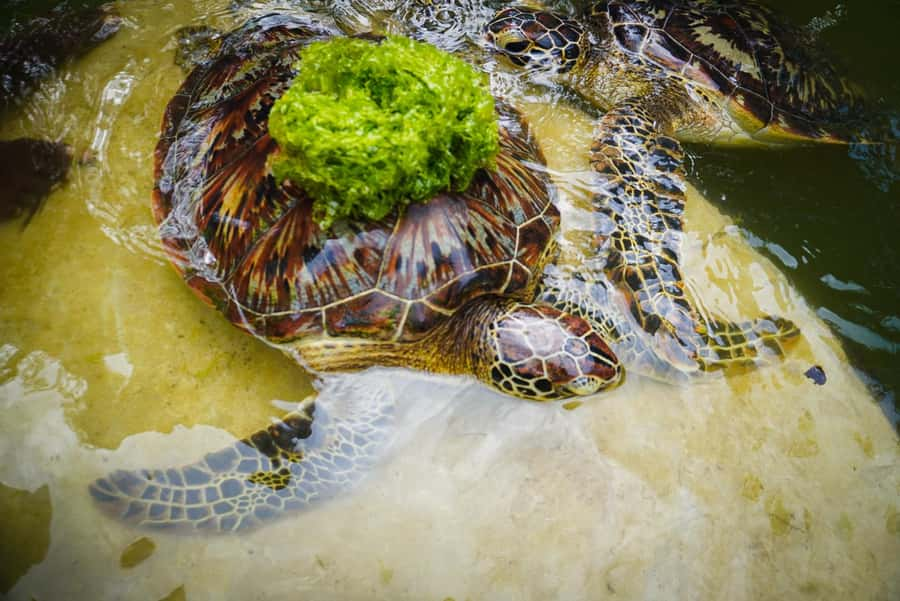
- Turtle swim in a natural tidal pool/lagoon area behind the coral rock in Nungwi
- Rehabilitation mission explained, including turtles rescued from fishing nets and care for baby turtles
- Feeding the turtles with food sold by caretakers, plus a chance to learn what they eat
- Maasai village culture stop, with guided touring and a traditional dance show
- Green turtles and real-world threats, including pollution and fishing pressures
- Private group comfort, with an experienced driver and English-speaking guide
Zanzibar Maasai and Nungwi Turtles: What This Trip Really Is
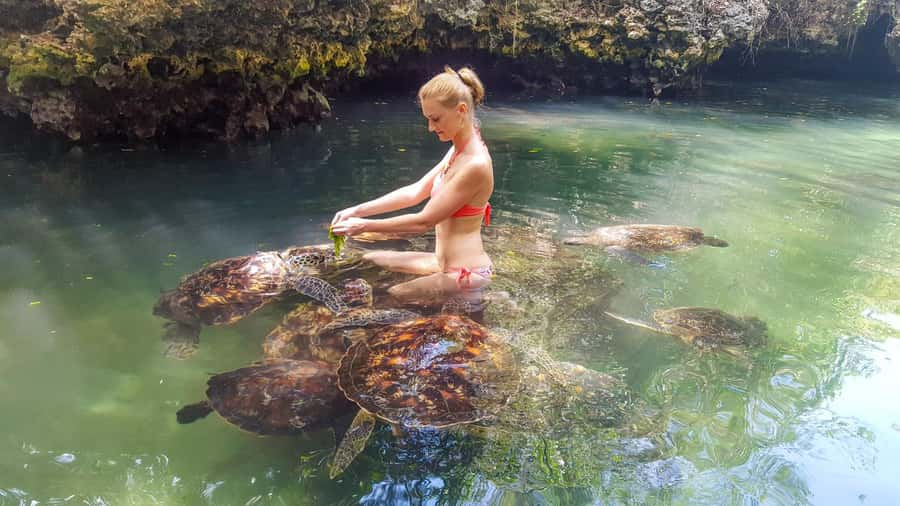
This tour is built for people who want two very different Zanzibar experiences in one neat package: a cultural stop with the Maasai, and then an animal-focused afternoon at Nungwi’s turtle area. It’s not trying to be a grand tour with a dozen stops. It’s trying to be practical—and it succeeds at that.
You start with pickup from Zanzibar and head north toward Nungwi. After that, you spend time meeting the Maasai community, then you shift gears to sea turtles: why they’re protected, how injuries are treated, and what you can do during your visit. If you love wildlife and you also want to understand local culture beyond a quick photo, this format fits.
There’s one trade-off to be aware of: you’re going to spend a good chunk of the day outside the car, and that means footwear and patience matter. Also, your turtle experience will depend on how your guide manages the water portion and how much time you get at the pond area.
You can also read our reviews of more tours and experiences in Zanzibar Archipelago.


The Drive to Nungwi: Time on the Road, Then It Gets Good
Pickup happens from your hotel, and you’ll meet the driver at reception a few minutes early. From there, you’re looking at about 1 hour of van travel each way (with additional short transfers between stops).
Why this matters: if you’re the type who gets cranky from car time, plan to treat the drive as part of the day—not dead time. Once you reach the northern tip area, your schedule gets more interesting fast. Nungwi is where the turtles are, and the Maasai stop happens before that, so the day flows from culture to conservation.
You also want to keep your essentials easy to reach. You’ll be going from village settings to a water environment, so have your swimwear and towel ready rather than packed deep.
Maasai Village Stop: More Than a Photo Op
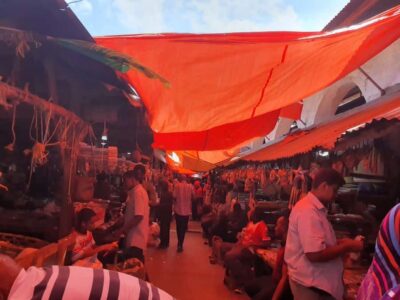
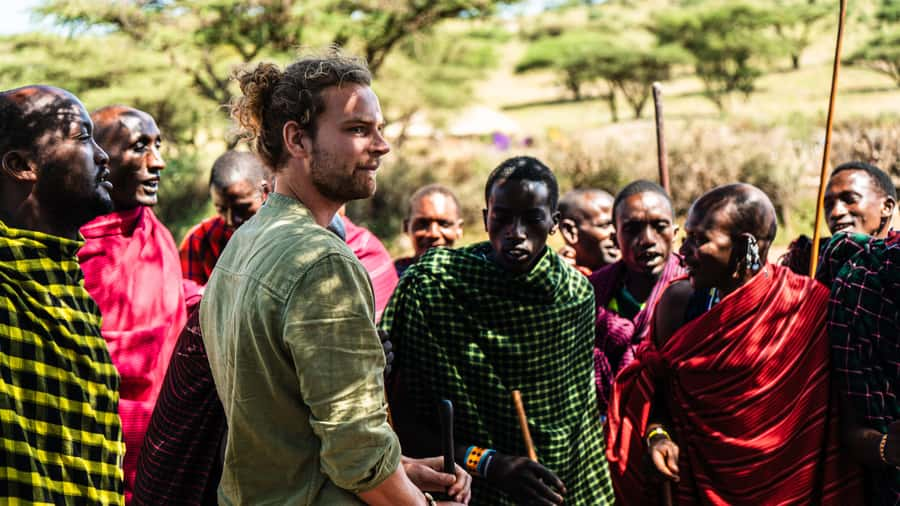
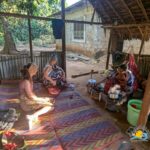
The Maasai segment is a real guided experience, not just a quick wander. Expect a guided village tour plus a traditional dance show. There’s also a photo stop, which makes sense here: you’re seeing daily life and performing arts, so you’ll likely want a few pictures without turning the visit into a nonstop camera sprint.
What I like about this stop is the balance of “see and understand.” The visit is presented as a way to learn customs and get insight into how the community lives. If you approach it with respect—listening first, asking questions second—you’ll likely get more out of it than if you rush in only for the spectacle.
Practical note: village visits usually involve standing, walking, and some uneven ground. Comfortable shoes aren’t optional if you want to enjoy the dance show and the guided walking portion without feeling rushed.
Zanzibar Aquarium / Turtle Conservation Area at Nungwi

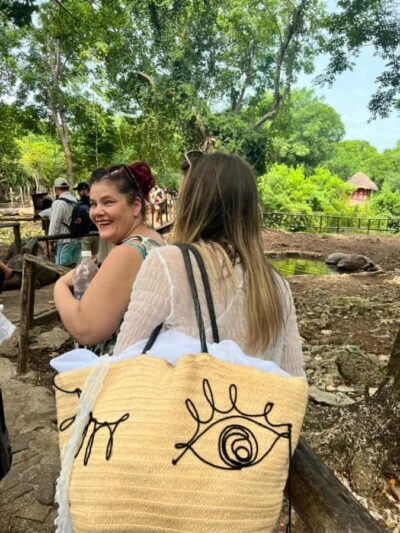
Once you reach Nungwi, you’ll transition to the turtle conservation site, sometimes described in terms of an aquarium-style setting plus a Marine Turtle Conservation Lagoon area. Your time includes photo viewing, a guided visit, and then the big payoff: swimming and marine life viewing.
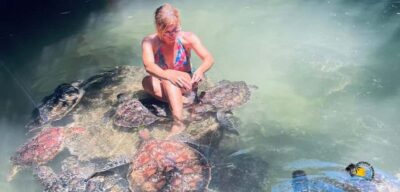
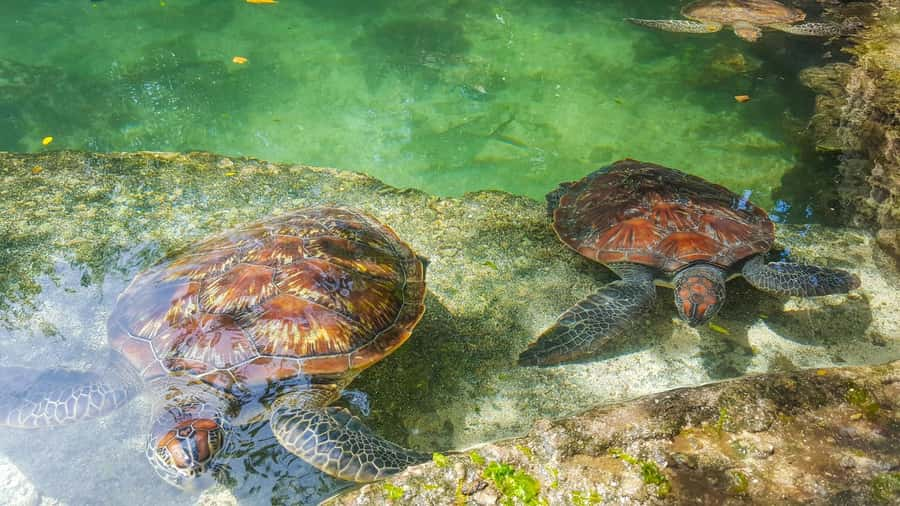
Here’s the key detail: the turtle area includes a large, natural tidal pool in coral rock, where turtles swim. That matters because it changes the vibe. You’re not looking at turtles through only glass and a fence. You’re in a space designed to help people encounter turtles while connecting that encounter to the animals’ rescue and recovery.
The conservation story is central:
- You’ll learn how the project began to rehabilitate and study marine turtles caught in fishing nets.
- You’ll also hear about protecting local baby turtles, so it’s not only about rescue after injury.
- You’ll get information about turtle life cycles and their food.
Swimming with Sea Turtles: What It Feels Like and How to Get the Best Moment

The main event is your chance to swim in the lagoon-style pond area. The experience is designed around close contact, which is exactly what most people come for. You’re typically guided to the turtle area, then you have time in the water for a closer encounter.
Two practical tips will make a difference:
- Be ready to focus on what’s in the water, not just what’s around you. One past visitor felt the turtle time didn’t come with much ongoing guidance at the pond, so you may need to take the lead: watch for movement, ask your guide what to look for before you get in, and pay attention to any instructions on where to enter and how to behave.
- Swim with the turtle story in your head, not as a standalone thrill. The entire point of this reserve is that turtles were injured by net fishing and need care. If you connect that context to your time in the pool, the swim usually feels more meaningful.
Also note this: if you’re hoping for a lot of constant explanation while you’re in the water, you might not get that. Plan to treat the guided learning as something that happens before and after the swim, and treat the swim itself as your hands-on encounter.

Feeding the Turtles: How to Participate Without Turning It Into Chaos

Feeding is part of the experience, and it’s tied directly to what the caretakers sell at the site. You might be able to buy seaweed or turtle food from the caretakers, then feed the turtles during your visit. That’s one of the reasons this tour feels interactive rather than purely observational.
How to do this well:
- Move calmly and follow any rules from your guide.
- Don’t overthink it. The feeding part is straightforward, and caretakers are there for a reason.
- Watch how the turtles respond. It’s one of the fastest ways to connect the talk you get about diet with real behavior.
Because turtle food isn’t included, you should budget a little extra if feeding is a must for you. It’s also the moment where you’ll learn more about green turtles—including the problems caused by pollution and fishing pressures.
What You’ll Learn: Turtle Life Cycle, Nets, Pollution, and Fishing

The educational side isn’t just a lecture. You’re given context that helps you interpret your encounter with the animals.
Here’s what you can expect to learn during the visit:
- How turtles are rehabilitated after being caught in nets
- How the reserve also protects baby turtles locally
- Turtle life cycle basics and what turtles eat
- The challenges turtles face, including pollution and fishing
This is where the tour’s value becomes clearer. You’re not just paying for a swim. You’re paying for a conservation narrative that explains why those turtles need protection in the first place.
If you’re traveling with kids or anyone who learns visually, this kind of explanation plus real animal time can land really well.
Price and Value: Is $50 for This 5-Hour Tour Worth It?

At $50 per person for a roughly 5-hour experience, the value depends on what you want most.
You get:
- Hotel pickup and drop-off
- An experienced driver
- A guide (English-speaking)
- Entry into the Nungwi turtle excursion area
You do not get:
- Food
- Turtle food (for feeding)
- Tips (optional)
So the question isn’t only the base price. It’s whether the combination of logistics (pickup/drop-off), conservation access (entry), and the specific turtle interaction (including swimming time) matches your priorities.
If you’re comparing this to doing everything on your own, the biggest value is the guided learning plus getting you to the right area without having to figure out access and timing. If you’re set on a culture stop too, that’s another reason it can feel like a bargain: you’re bundling Maasai village culture with the turtle mission instead of treating them as separate day plans.
If you mainly want the turtles and don’t care about the Maasai visit, you might still find it worthwhile because the transport and entry are already baked in.
The Group Size and Private-Group Comfort Factor

This is set up as a private group, which usually means you get more attention than you’d in a large shared group. You’re also working with an experienced driver, so you’re not stuck guessing about local roads and timing.
The practical benefit: if you have questions—about turtle rehab, what to observe in the water, or how the Maasai village customs are explained—you’re more likely to get real answers instead of waiting your turn.
The possible downside: in a private setting, there’s still no guarantee that the water portion will turn into a full guided narration. If you want more commentary while you’re in the turtle area, ask before entering the pool so you can get the most out of the time you have.
What to Bring (So the Day Feels Easy)
Keep it simple and swim-ready:
- Comfortable shoes for village walking
- Swimwear (for the turtle swim)
- A towel (for after the water time)
If you forget swimwear, you’ll feel it immediately. You also want to plan for a water-based activity even if the day starts with a cultural village stop.
Who Should Book This Tour?
You’ll likely love this if:
- You want a real sea turtle encounter in Nungwi, not only photos
- You care about conservation education—nets, rehabilitation, and threats like pollution
- You want both culture and wildlife in one day
- You prefer hotel pickup and a guide who keeps the flow moving
You might want to skip it if:
- You have mobility limitations, because the tour is not suitable for people with mobility impairments
- You only want a strictly guided experience during the water time (the turtle portion may feel less information-heavy once you’re in the pond area)
- You dislike car travel and prefer to build a day only from nearby stops
Should You Book? My Practical Verdict
I’d book this tour if you want a focused day with two memorable experiences: Maasai village culture and an up-close Nungwi sea turtle encounter that connects directly to rehabilitation and protection. The hotel pickup and included entry make the logistics easy, and the conservation context makes the swim feel more purposeful.
I’d approach it with one mindset: the turtle swim is the highlight, but you’ll get the most learning by asking questions around the swim rather than expecting an ongoing lecture while you’re in the water. If you’re cool with that, this is a strong option for a first or repeat Zanzibar trip.
If you’re mainly chasing a polished, constantly narrated experience minute-by-minute, you may find it a bit uneven. Still, for many people, the combination of cultural learning plus actual time with turtles is exactly the kind of day Zanzibar does best.
FAQ
How long is the Zanzibar Maasai village and Nungwi turtles trip?
It lasts about 5 hours.
Where do I get picked up?
You’ll be picked up from your hotel in Zanzibar.
Do I get to swim with the turtles?
Yes. The experience includes swimming in the turtle lagoon/pool area.
Is turtle food included?
No. Turtle food (and/or seaweed for feeding) is not included, but it can be purchased at the site.
Is the tour private?
Yes, it’s a private group.
What language is the guide?
The live tour guide is available in English.
What should I bring with me?
Bring comfortable shoes, swimwear, and a towel.
Can people with mobility impairments join this tour?
No. It’s not suitable for people with mobility impairments.