REVIEW · ZANZIBAR
Cooking Class Tour
Book on Viator →Operated by HALISI AFRICA TOURS · Bookable on Viator
Five hours, one shared pot of Zanzibar flavor. This small-group Zanzibar cooking class takes you from a local market to the stove, then lands you at the table with the dishes you made. I like the market-first approach, where you pick the ingredients you’ll cook, and the hands-on style using a chef’s guidance over a charcoal brazier.
The one thing to plan around is weather. The experience requires good weather, and if it’s canceled due to poor conditions you’ll be offered a different date or a full refund.
In This Review
- Key points to know before you go
- A Small-Group Zanzibar Cooking Class That Actually Feels Personal
- Morning Start in Stone Town: Where You Meet and What Sets the Tone
- Market Shopping First: Ingredients, Spices, and the Swahili Way of Choosing
- Cooking Lesson With a Local Chef: Technique, Timing, and Spice Logic
- Charcoal Brazier Cooking: The Taste Difference You Can Explain Later
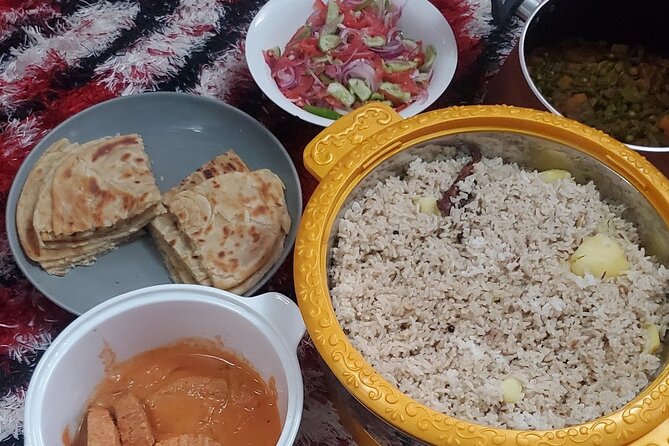
- What You Eat: A Shared Lunch Built From Your Own Work
- Price and Value: Is $90 Worth It in Zanzibar?
- Who This Zanzibar Cooking Class Suits Best
- Weather, Timing, and Real-World Planning
- Should You Book This Cooking Class?
- FAQ
- How long is the Zanzibar cooking class?
- What time does the tour start, and where is the meeting point?
- Is pickup included?
- What’s included in the price?
- Can vegetarians join?
- How large is the group?
- What happens if the weather is poor?
Key points to know before you go
- Max 6 people means real attention, not just watching from the sidelines
- Market visit first, so your lunch isn’t just generic ingredients
- Swahili cooking focus with an emphasis on spice and technique
- Charcoal brazier cooking and knife use included in the class
- Vegetarian accommodations are available if you need them
- Lunch is included, and you eat what you cook
A Small-Group Zanzibar Cooking Class That Actually Feels Personal
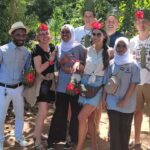
If you’ve ever joined a cooking tour where you slice one sad vegetable and then wait for the rest, this one is built differently. The class caps at six participants, and that size matters. You’ll have room to ask questions while you’re cooking, and you’re less likely to spend the whole session stuck in the background.
I also like the structure: start in the market, cook with instruction, then eat together. That flow makes the spices and methods feel connected. Instead of learning recipes in theory, you see what’s fresh, what’s used for Swahili dishes, and how those choices turn into a meal.
One more reason this works for real life: it’s priced at $90 per person for about 5 hours, including lunch and key cooking tools. It’s not a bargain, but it also isn’t one of those “mostly sightseeing” tours where you pay for time you don’t use. You’re paying for guided cooking time, ingredients, and a small-group setting.
You can also read our reviews of more cooking classes in Zanzibar
Morning Start in Stone Town: Where You Meet and What Sets the Tone
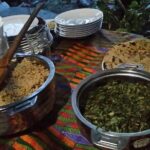
The tour starts at 9:00 am at Tembo House Hotel, on Shangani Street near Forodhani Street, Zanzibar. It ends back at the same meeting point. For me, this kind of clear start/finish is a big deal in Stone Town, where navigating on your own can eat time.
Pickup is offered, but private transportation is not included. Translation: if you want door-to-door convenience, you’ll likely need to arrange it separately. Still, the meeting point is listed as near public transportation, so you have options if you’d rather keep costs down or don’t need pickup.
You’ll also receive confirmation at booking, and you’ll use a mobile ticket. That keeps things simple on arrival—less scrambling for paper, more time to get moving.
Market Shopping First: Ingredients, Spices, and the Swahili Way of Choosing
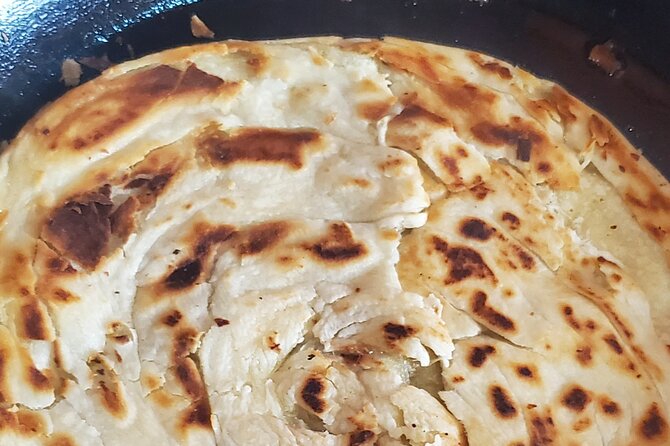
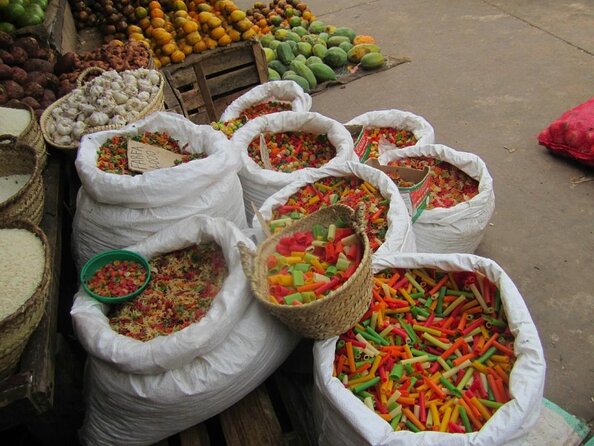
The class begins with a visit to a local market to purchase ingredients. This is where the tour earns its value. Buying ingredients with the chef’s guidance connects the cooking lesson to the real ingredients available in Zanzibar that day.
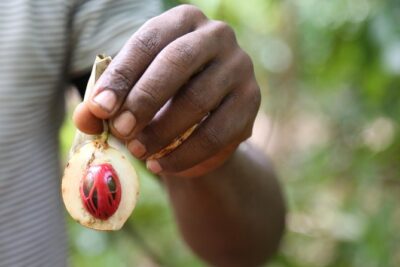
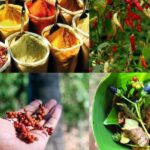
For Swahili cooking, spices are not an afterthought. The market stop helps you understand the ingredients you’ll see again at the stove: the flavors that “make” the dish. You’re not just following steps; you’re seeing how ingredient choice affects taste.
Also, this is a chance to ask practical questions. If you’re vegetarian and want the cooking class to fit you, this is the moment to align on what you’ll prepare. The tour notes that vegetarian accommodations are available, and market shopping is the best time to make sure that plan is real and not last-minute.
Even if you’re not a foodie, you’ll probably notice a difference between buying what looks best and buying what cooks best. The chef’s role here helps you learn that difference.
Cooking Lesson With a Local Chef: Technique, Timing, and Spice Logic
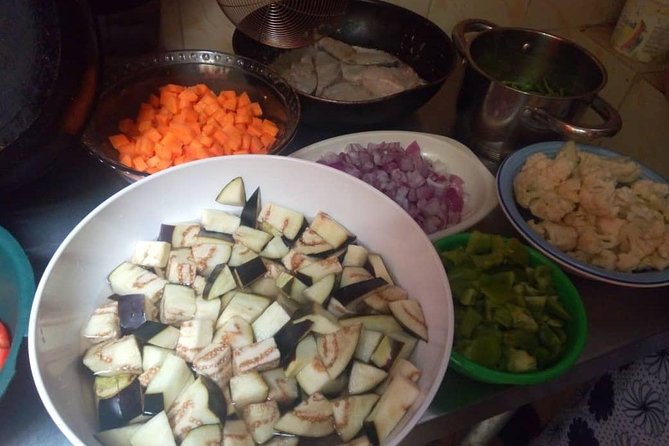
After the market, you move into the cooking lesson with an experienced Zanzibari chef. The goal is to learn the intricacies of Swahili cooking, including how spices—grown in Zanzibar—fit into dishes.
What I love about this part is that it’s not framed as just recipes. It’s instruction on how Zanzibarian-style cooking works: using what you bought, applying technique, and timing things so the meal comes together. When the class is small, the chef can correct your grip on the knife, your heat level, or your approach to ingredients instead of talking to a crowd.
In past sessions, the cooking team has included instructors named Hamza and Miram, and the teaching style shows up clearly in the results: people leave with the sense that they didn’t just watch, they participated. That’s the whole point of the six-person cap—time with the chef while your hands are busy.
One practical note: the tour includes use of a kitchen knife. So you don’t need to bring your own cutting tools. You will want to dress like you’re cooking: comfortable clothes and shoes you don’t mind getting a little warm.
Charcoal Brazier Cooking: The Taste Difference You Can Explain Later
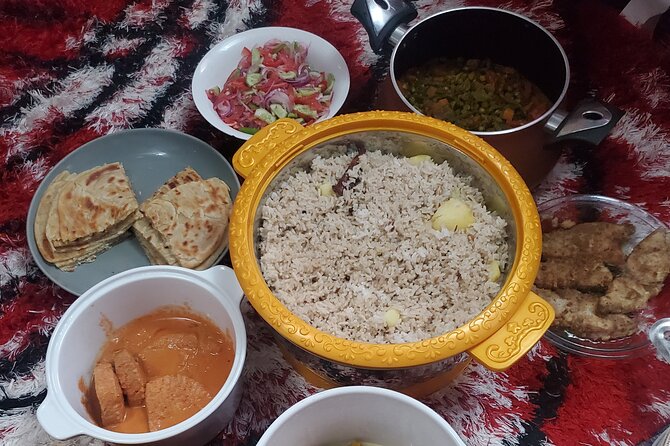
Lunch is included, and you eat what you made in class. A key feature is that cooking uses a charcoal brazier, and the class specifically includes the knife and charcoal brazier in the lesson.
Charcoal cooking changes the experience in two ways:
- It forces you to pay attention to heat control and timing, not just recipe steps
- It gives the food a flavor that’s harder to fake with a normal stove
If you’re the kind of traveler who likes to take home more than photos, this is the part you’ll remember. You’ll be able to explain why the meal tastes like Zanzibar, not just why it followed a recipe.
And because you’re cooking over a real setup (not a demonstration station), you also learn what it feels like when the heat is right. That’s one of those skills that doesn’t sound glamorous—until you realize you’re tasting it.
A few more Zanzibar tours and experiences worth a look
What You Eat: A Shared Lunch Built From Your Own Work
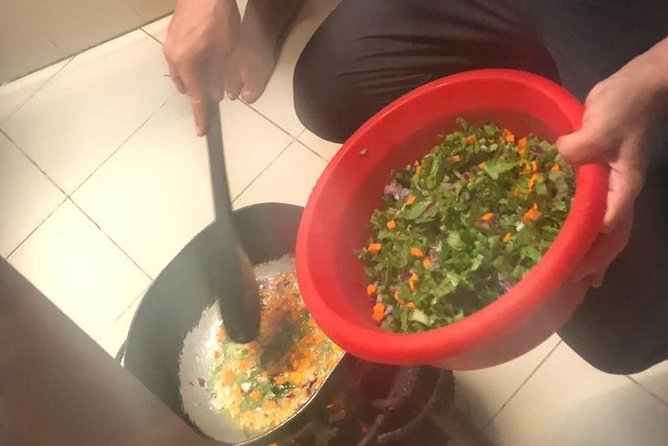
Once the food is ready, you dine together with your chef and discuss the day and the merits of Swahili foods. That last step is underrated. It turns the class into a conversation, not a transaction.
You’re tasting dishes you helped prepare, so you can connect:
- the ingredient choices from the market
- the spice decisions from the lesson
- the heat and timing from the charcoal cooking
That’s how knowledge sticks.
Also, if you need vegetarian options, this is where it matters that accommodation is mentioned ahead of time. The best scenario is that the meal you eat matches your needs because it’s planned in the same framework as everyone else’s cooking.
Price and Value: Is $90 Worth It in Zanzibar?
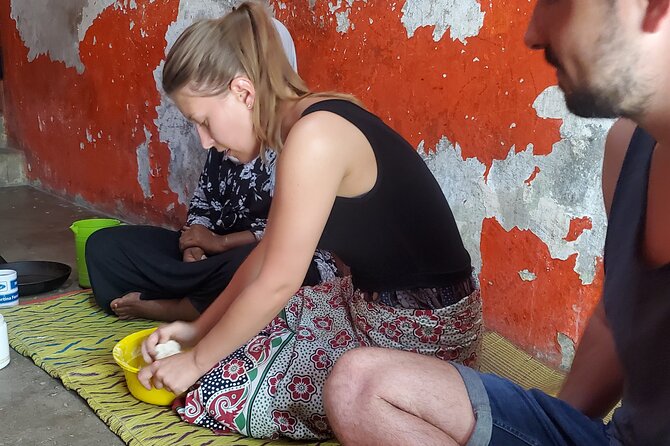
At $90 per person for about 5 hours, this class sits in the mid-range for food experiences. It’s not the cheapest activity in Zanzibar, but it also includes several cost items that add up fast if you pay for them separately: market ingredients, lunch, and cooking tools (knife and charcoal brazier) as part of the instruction.
Here’s what you’re really paying for:
- a local chef guiding the cooking in a small group
- market shopping tied directly to the meal
- time doing the work, not just observing
- lunch included, so you’re not building extra food costs on top
What you should budget for:
- private transportation (not included)
- tips (not included)
If you’re already spending time in Stone Town, this class is especially good value because the format is practical and self-contained. You’re not paying to shuffle between multiple stops without a payoff. You’re learning, cooking, and eating in one smooth block.
Who This Zanzibar Cooking Class Suits Best
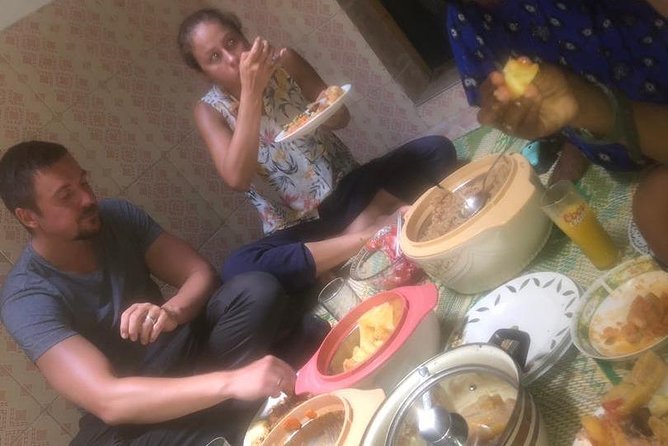
This is a strong match if you want hands-on cultural food time. It’s ideal for:
- food lovers who want spice technique, not just a tasting
- couples and small groups who prefer personal attention
- solo travelers who want a social setting with a capped group size
- vegetarians who need the class to adapt
If you’re someone who hates getting hands-on, you may feel frustrated. This tour is built around participation—knife work, stove time, and cooking as a shared task.
If you’re short on time, the duration is still manageable at about 5 hours, starting at 9:00 am. It’s also a good anchor activity because it returns you to the same meeting point.
Weather, Timing, and Real-World Planning
One honest consideration: it requires good weather. If it’s canceled because of poor weather, you’ll be offered a different date or a full refund. In plain terms, don’t schedule it as the only must-do on a day where the forecast looks rough.
Timing is straightforward: start at 9:00 am, run about 5 hours, and you’re back at the meeting point. That makes it easier to plan the rest of your day—especially in Stone Town, where midday wandering can be hit or miss with heat and crowds.
Also check how you’ll handle transportation. Pickup is offered, but private transport isn’t included. If you’re staying far from the meeting area, confirm what pickup means for your exact location when you book.
Should You Book This Cooking Class?
Yes, I think you should book it if your goal is to learn Zanzibar food in a real, usable way. The combination of market ingredient buying, guided Swahili cooking instruction, and eating the meal you made over a charcoal brazier is a solid recipe for a memorable experience.
Skip it only if weather risk would stress you out too much, or if you truly don’t want to cook. Otherwise, $90 for a small-group, hands-on class with lunch included is fair value—especially since the tour is designed to keep you involved from start to finish.
FAQ
How long is the Zanzibar cooking class?
It’s approximately 5 hours.
What time does the tour start, and where is the meeting point?
It starts at 9:00 am at Tembo House Hotel, Shangani Street near Forodhani Street, Zanzibar.
Is pickup included?
Pickup is offered, but private transportation is not included.
What’s included in the price?
Lunch is included, and you’ll use a kitchen knife and a charcoal brazier as part of the class.
Can vegetarians join?
Yes. Vegetarian accommodations are available.
How large is the group?
The group is capped at a maximum of 6 travelers.
What happens if the weather is poor?
The experience requires good weather. If it’s canceled due to poor weather, you’ll be offered a different date or a full refund.