REVIEW · ZANZIBAR
Jambiani Village Women at work and play
Book on Viator →Operated by Jambiani Tours · Bookable on Viator
Women’s work here is the real story. In Jambiani Village, you spend a few hours with local artisans making everyday items and sharing how village life works, led by a guide who comes from the community. I love that the focus stays on real households and real skills, not a performance for tourists.
I also really like how the tour mixes crafts with coastal food-farm work. You’ll watch women collecting seaweed on the beach and learn how it’s cultivated, then connect that to the materials used back at homes. Ameir is one village guide name that gets mentioned for explaining the community and the work clearly, and you’ll feel that same practical, matter-of-fact approach.
One drawback to plan for: you’ll be walking around village homes and paths, and it’s not recommended if you can’t walk more than about 2 km. If you’re tight on mobility, this may feel too active for comfort.
In This Review
- Key things to know before you go
- Jambiani Village women at work and play: why this tour feels different
- Getting to Jambiani and timing your expectations
- Seaweed on the beach: the first hands-on reality check
- Inside the women’s homes: rope-making, doormats, weaving, and sewing
- Coconut rope and doormats from husks
- Palm leaf and makuti weaving
- Traditional kofia sewing
- A practical reality: you may want to slow down
- Kanga and henna: culture you can actually try
- Wearing a kanga (and why that’s worth your time)
- Henna painting
- Lunch in one of the ladies’ houses: the option that needs planning
- Price and value: what $32.65 really buys you
- Who this tour suits best (and who should reconsider)
- Practical tips to help you have an easy, respectful visit
- Should you book Jambiani Village women at work and play?
- FAQ
- How long is the Jambiani Village women at work and play tour?
- Is pickup from Stone Town included?
- What is included in the price?
- Can I arrange lunch during the tour?
- Is this a private tour?
- What if it’s canceled due to poor weather, or I need to cancel?
Key things to know before you go
- A village guide: you’re led by someone who lives in Jambiani, so the context feels natural
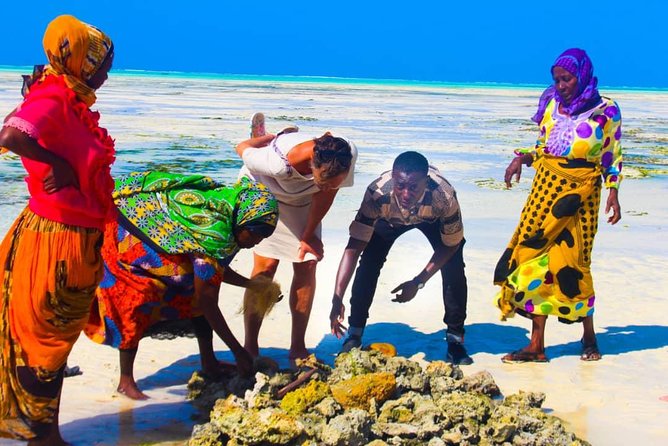
- Seaweed, rope, and floor mats: you see the supply chain start on the beach and end in usable products
- Try the traditions: kanga wearing practice and henna painting are part of the experience
- Hands-on craft viewing: you’ll watch (and in many cases try) coconut husk rope, doormats, weaving, and sewing
- Lunch is optional: it’s available for an extra fee, but you need 48 hours notice
Jambiani Village women at work and play: why this tour feels different

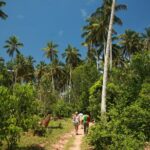
This isn’t one of those “stand and watch” village stops where you get rushed through photos. The heart of the experience is that you’re moving between women’s homes and work areas where skills are practiced daily. You’ll notice how relaxed the pace is, even when people are busy. That’s the big value: you get a sense of what life looks like when nobody is timing you.
I’m also drawn to how the tour links culture to materials. The tour starts with the beach side of village life and then follows the results into crafts: coconut husks become rope and doormats, palm leaves become woven items, and local sewing skills show up in headwear like the kofia. It’s not random “handicraft shopping.” It’s learning the logic of how products get made.
That authenticity comes through best when your questions are simple and respectful: What do you use this for? How long does it take? What do you do when it rains? Your guide helps you ask those in the right spirit.
You can also read our reviews of more tours and experiences in Zanzibar.



Getting to Jambiani and timing your expectations
Jambiani is outside Stone Town, so most people factor in travel time. A key detail: the tour does not include pickup from your Stone Town hotel. If you want it, pickup starts at $45 extra. If you’re already nearby, you may save money by arranging transport directly.
Plan on about 2 to 3 hours total. That time includes walking between homes, seeing multiple craft stations, and stopping at the beach area. The pace is flexible, because this is a private tour, so you can linger if something catches your interest. If you move quickly, you might finish closer to the shorter end of the range.
Also note that confirmation happens within 48 hours of booking, depending on availability. Since this tour is popular enough that people book it about 41 days in advance on average, don’t wait until the last minute.
Seaweed on the beach: the first hands-on reality check
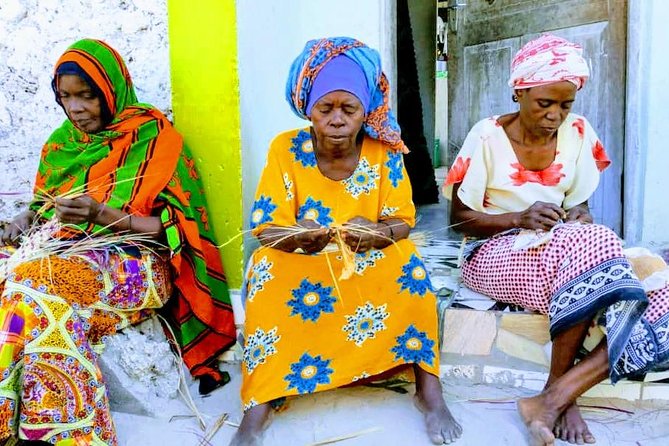
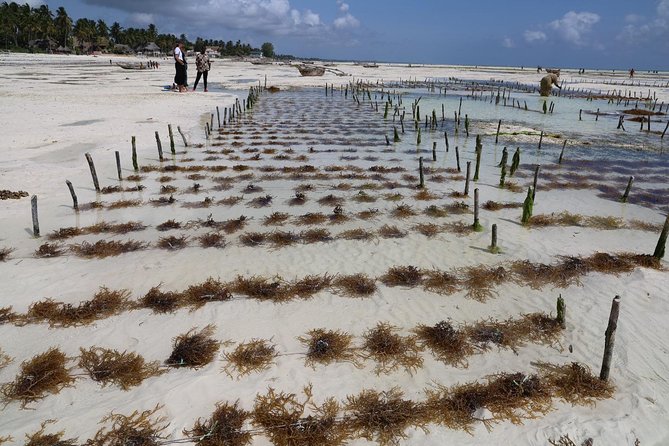
The tour begins with a walk that takes you to the beach area where women collect seaweed. This matters more than you might think. In a lot of Zanzibar tourism, the ocean becomes scenery. Here, the ocean becomes work.
You’ll see seaweed collection and learn about seaweed cultivation—how the process connects to feeding schedules and product needs. Seaweed is a huge part of coastal livelihoods, and watching it in action gives you a clearer picture of why the village economy works the way it does.
If you’re thinking about value, this first stop is a good sign: it sets the tone. You aren’t just seeing finished crafts. You’re seeing where the inputs come from.
Inside the women’s homes: rope-making, doormats, weaving, and sewing
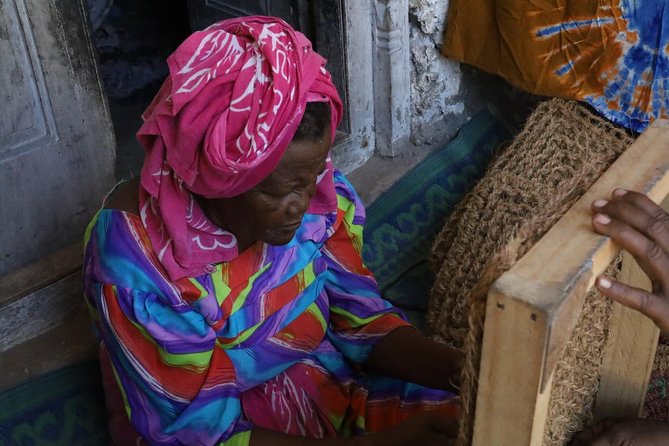
After the beach, the tour flows into a series of women-led craft and home visits. This is where you’ll appreciate the “local at every stop” feel.
Coconut rope and doormats from husks
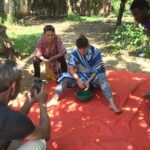
One of the most memorable elements is watching how coconut husks become useful products. You’ll see coconut husk rope making and doormat production. It’s a satisfying transformation: something that would be waste becomes sturdy household gear.
What you’ll likely notice is time and technique. These crafts are not random hand-waving. There’s a repeatable method behind the work, and your guide helps translate what you’re seeing into plain explanations.




Palm leaf and makuti weaving
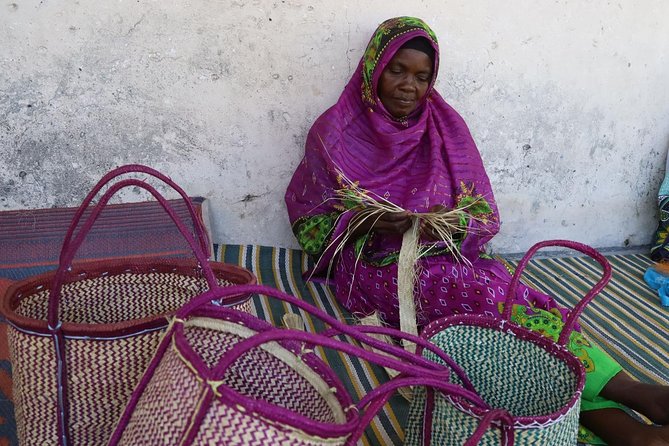
You’ll also encounter palm leaf weaving and makuti weaving. Makuti is often used in construction and roofing in the region, so again, this isn’t “decor craft only.” It’s material craft tied to how people build and maintain their homes.
Traditional kofia sewing
Another highlight is traditional handmade kofia sewing. You might think headwear is just an outfit detail. In village terms, it’s part of identity and daily practice. Watching sewing done by hand gives you respect for how much patience these skills require.
A practical reality: you may want to slow down
This section can feel busy because there are multiple craft types in one tour. If you’re easily overstimulated, choose one or two crafts you want to focus on. Otherwise, you’ll end up absorbing a little of everything without getting the satisfying “now I get it” moment.
Kanga and henna: culture you can actually try
The tour isn’t only about materials; it’s also about personal tradition. Two parts help with that: learning how to wear a kanga and trying henna painting.
Wearing a kanga (and why that’s worth your time)
A kanga is more than a colorful wrap. It’s worn in specific ways, and the guide shows you how it goes on and how to position it comfortably. When someone demonstrates it from within the culture, it stops being a costume and starts being something closer to everyday function.
Even if you’re not buying anything, this hands-on portion is a great way to understand how locals carry identity through clothing.
Henna painting
Henna is often treated as a quick photo moment elsewhere. Here, it fits the overall tone: you’re learning in a village context. The experience gives you a chance to slow down, ask questions, and interact without the pressure of “shop now.”
If you’re planning to wear light clothing after the tour, consider that henna can stain skin and sometimes fabric. Bring common sense: cover your best clothes.
Lunch in one of the ladies’ houses: the option that needs planning
Yes, lunch can be arranged. It’s available in one of the ladies’ houses for an extra fee, but it requires planning.
Here’s the practical part:
- You need 48 hours notice
- You also need to share any dietary requirements in advance
If you have food restrictions, this is a good moment to confirm details early so you’re not put on the spot. If you don’t have restrictions, still message or ask ahead of time. Lunch arrangements depend on what can be prepared.
The upside is obvious: eating in a household setting ties the whole experience together. The work you watched earlier becomes part of your meal setting.
Price and value: what $32.65 really buys you
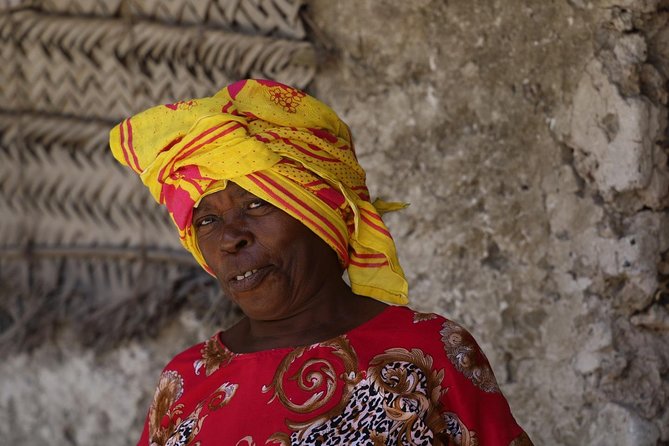
At $32.65 per person, this is priced like a budget-friendly cultural visit—but don’t judge it like a generic attraction. The value comes from three specific things you’re getting for that money:
- A private local guide included in the price
- Access to multiple women’s home stops and craft demonstrations
- Beach-to-craft context, including seaweed collection and cultivation
The private nature is important. In places where the group gets spread out or rushed, the village can feel like a backdrop. Here, your guide can adjust pacing so you can ask follow-ups or spend more time where your interest is strongest.
The main “hidden” cost to watch for is transport. If you need pickup from a Stone Town hotel, that’s extra starting at $45. If you can reach the meeting area in a cheaper way, your overall spend improves quickly.
Also, the tour uses a mobile ticket, which is handy if you’re juggling phones, SIM cards, or paper copies.
Who this tour suits best (and who should reconsider)
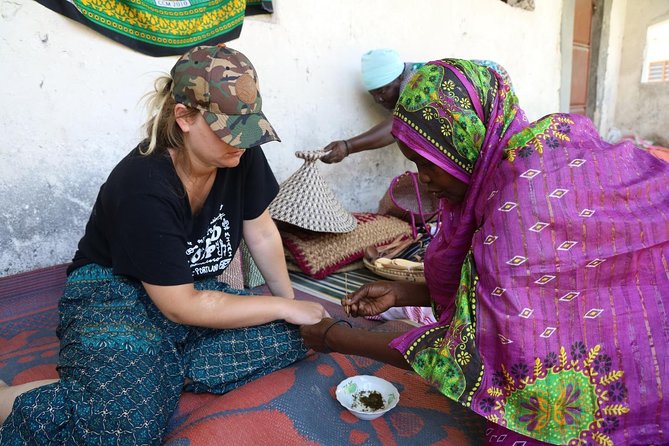
This is a strong choice if you want authentic, skill-based cultural time. It fits well with:
- travelers who like crafts and want context, not just buying
- people who enjoy meeting locals and understanding daily life
- anyone curious about how coastal livelihoods connect to materials
It’s less ideal if:
- you can’t walk more than about 2 km
- you’re looking for a big set of landmarks or long beach time
- you dislike structured cultural activities like kanga learning and henna practice
If you’re traveling with kids, it can be a meaningful educational stop. Just keep expectations realistic: the focus is the work and the village life, so it’s not a playground.
Practical tips to help you have an easy, respectful visit
- Wear breathable clothes and comfortable shoes. Village paths can be uneven.
- Bring a small amount of cash if you want to support purchases or tips, but confirm what’s possible with your guide.
- If you want lunch, plan it early. 48 hours goes fast when your trip schedule is packed.
- Come with one or two simple questions about each craft. You’ll get more out of the explanations that way.
- If you need special dietary meals, share it immediately so preparation is possible.
Weather matters too. The experience requires good conditions, and if it’s canceled due to poor weather, you’ll be offered a different date or a full refund. So build it on a day you can be flexible.
Also, service animals are allowed. If you travel with one, mention it during booking so everything is clear.
Should you book Jambiani Village women at work and play?
I’d book it if you want the kind of Zanzibar experience that’s about people, skills, and daily rhythm. This tour has strong value because it connects the beach economy (seaweed) to craft production (rope, doormats, weaving, kofia sewing) and then adds cultural learning (kanga) plus henna practice. That mix makes it more than a “nice cultural walk.”
Skip it—or think twice—if you’re not comfortable with walking around village homes or you hate hands-on cultural activities. And if lunch is a priority, don’t treat it as spontaneous. The 48-hour notice is part of the deal.
If you want a practical way to choose, ask yourself this: do you want to understand village life with a guide from inside the community? If yes, this is a smart use of your time in Zanzibar.
FAQ
How long is the Jambiani Village women at work and play tour?
The tour runs about 2 to 3 hours (approx.).
Is pickup from Stone Town included?
Pickup is not included. Pickup from your Stone Town hotel is available for an extra charge starting at $45.
What is included in the price?
The price includes a Jambiani private local guide. Admission ticket is free, and you receive a mobile ticket.
Can I arrange lunch during the tour?
Lunch can be arranged for an extra cost in one of the ladies’ houses, but you need to request it in advance with 48 hours notice. Dietary requirements should be shared when arranging lunch.
Is this a private tour?
Yes. This is a private tour/activity, and only your group will participate.
What if it’s canceled due to poor weather, or I need to cancel?
The experience requires good weather. If it’s canceled due to poor weather, you’ll be offered a different date or a full refund. You can also cancel for free up to 24 hours in advance for a full refund.