REVIEW · ZANZIBAR
Zanzibar: Spice Farm Tour with Traditional Cooking Lesson
Book on GetYourGuide →Operated by Zanzibar Local Experience · Bookable on GetYourGuide
Fresh spices hit different. This 3-hour Zanzibar spice farm visit takes you from plant rows to a real cooking lesson, with lunch on the farm at the end. Smell, touch, and taste spices straight from the growing plants, then get to use what you learned in the food.
I especially love how the guide connects spices to Zanzibar life—food, trade, and even how people traditionally use spices. The other big win is the lunch you help prepare, so you’re not just watching from the sidelines. One consideration: at 3 hours, the cooking can feel quick, and hands-on help may vary depending on the group flow.
In This Review
- Key highlights to look forward to
- The 9:00AM start from Stone Town makes the day feel efficient
- Why this spice farm tour feels authentic (not like a quick factory stop)
- The spice tasting part is the main event
- The fruit stop, including jackfruit, adds a real Zanzibar twist
- Cassava leaf harvest and coconut milk: the prep that makes the cooking lesson real
- Young coconuts from a coconut climber: quick, fun, and surprisingly memorable
- The cooking lesson and lunch you actually eat
- Buying spices at the end: what cash-only means for your trip
- Price and value: is $65 for 3 hours worth it?
- Tour length reality check: why the schedule can feel tight
- What to bring so you’re comfortable on the farm
- Who should book this tour, and who should skip it
- Should you book the Zanzibar Spice Farm Tour with Cooking Lesson?
- FAQ
- Where does the tour start in Stone Town?
- How long is the Zanzibar spice farm tour?
- How much does it cost?
- Is hotel pickup available if I’m not in Stone Town?
- What languages is the live guide available in?
- Is lunch included?
- Can I buy spices with a card?
- What should I bring to the farm?
- Is the tour suitable for everyone?
Key highlights to look forward to
- Stone Town pickup at the Old Fort area around 9:00AM
- Organic spice farm where you can smell and taste plant fresh spices
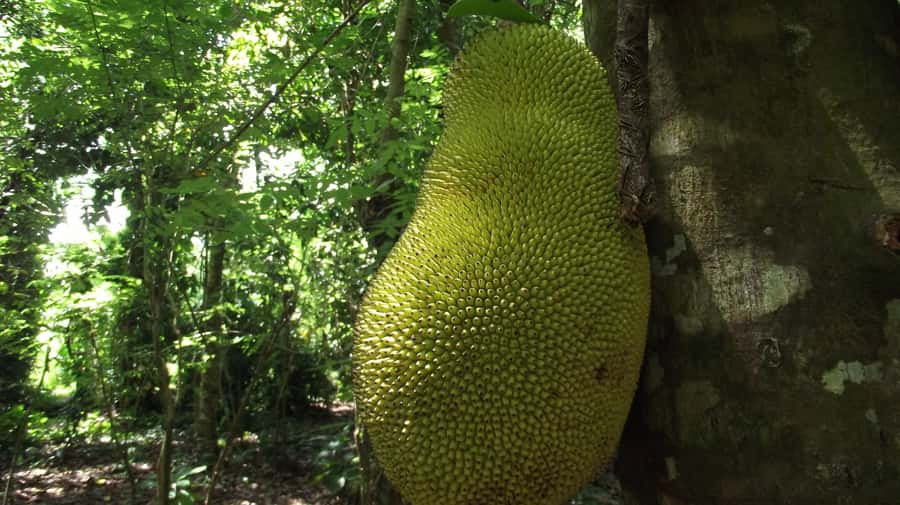
- Jackfruit tasting from the farm fruit lineup
- Cassava leaf harvest + coconut milk practice during the cooking build-up
- Coconut tree climber picks young coconuts for you to try
- Cash-only spice purchases at the farm shop
The 9:00AM start from Stone Town makes the day feel efficient
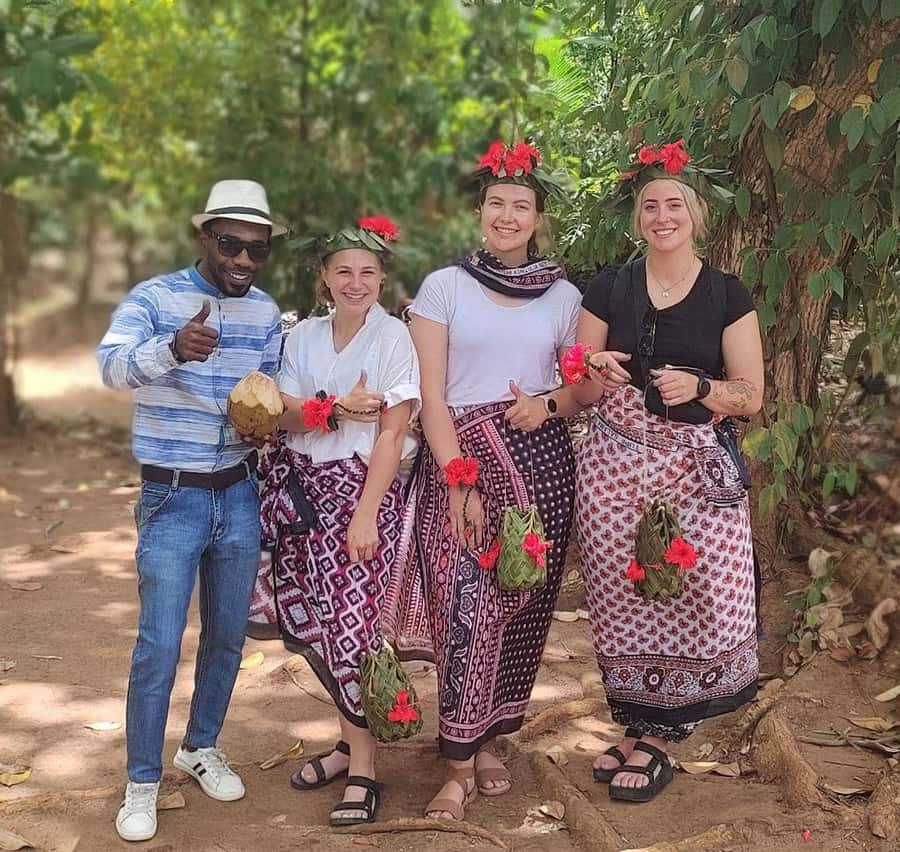
Your tour day begins in Stone Town at the Old Fort area. The meeting point is in front of the Old Fort on Mizingani Road, with pickup timing around 9:00AM. If you’re staying on the beach, pickup can also be arranged from your hotel anywhere in Zanzibar, which keeps the morning low-stress.
Because this is only 3 hours, the timing matters. You’ll get a full taste of the farm experience without losing your whole day, which is a big deal if you’re also planning Stone Town walking time, a beach afternoon, or a sunset dhow ride.
You can also read our reviews of more cooking classes in Zanzibar
Why this spice farm tour feels authentic (not like a quick factory stop)
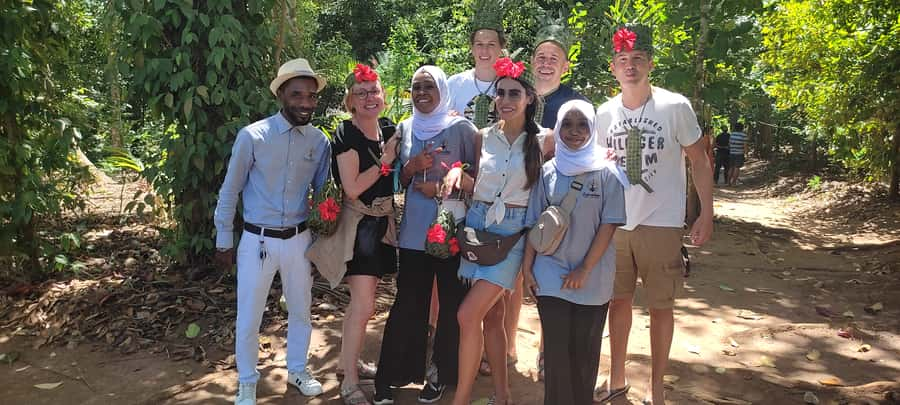
Zanzibar is famous for spices, but most visitors only meet them as jars in shops. Here, you meet them as living plants. The guide explains how spices are grown and what they’re used for—both in cooking and in traditional medicine-style thinking.
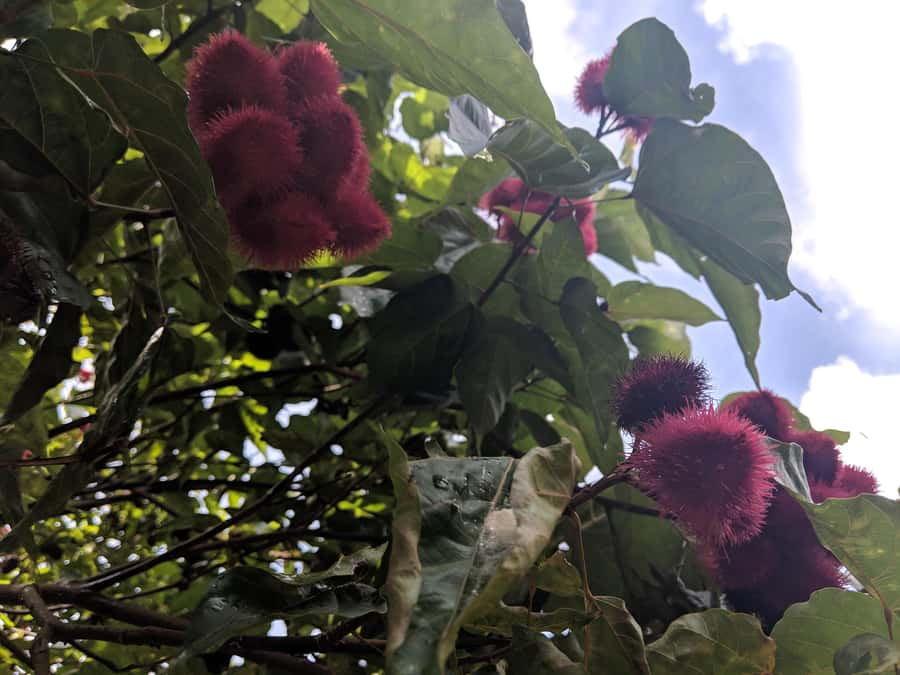
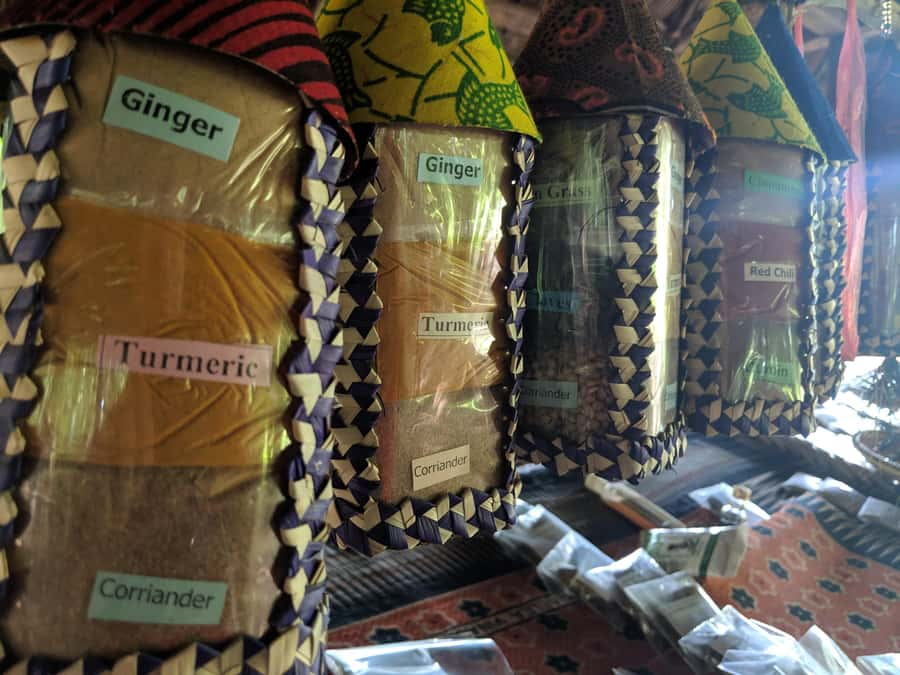
On the farm, you’ll see plants tied to Zanzibar’s spice identity: cloves, nutmeg, cinnamon, black pepper, plus other fragrant ingredients like vanilla, cardamom, and ginger. You can then touch, smell, and taste from the source plants, which is exactly why this tour lands. Dried spice in a kitchen can be great, but it’s not the same sensory world as a fresh plant you’re holding.
The spice tasting part is the main event
This is the section you’ll remember later when you try cooking at home. You’ll work through the farm’s spice and herb plants in a guided way, learning what each one is used for and how it fits into Zanzibar flavor.
Expect lots of sensory learning:
- Smell spices on the plant, not just from a jar
- Taste selected samples as guided
- Learn how some spices show up in everyday island dishes
In real practice, that plant-fresh smell changes how you understand flavor. You start noticing the difference between warm spices like clove and cinnamon, and sharper notes like pepper or ginger. It’s also a quick education in how spices and herbs work together, not just one ingredient at a time.
The fruit stop, including jackfruit, adds a real Zanzibar twist
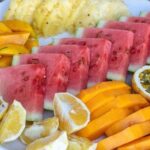
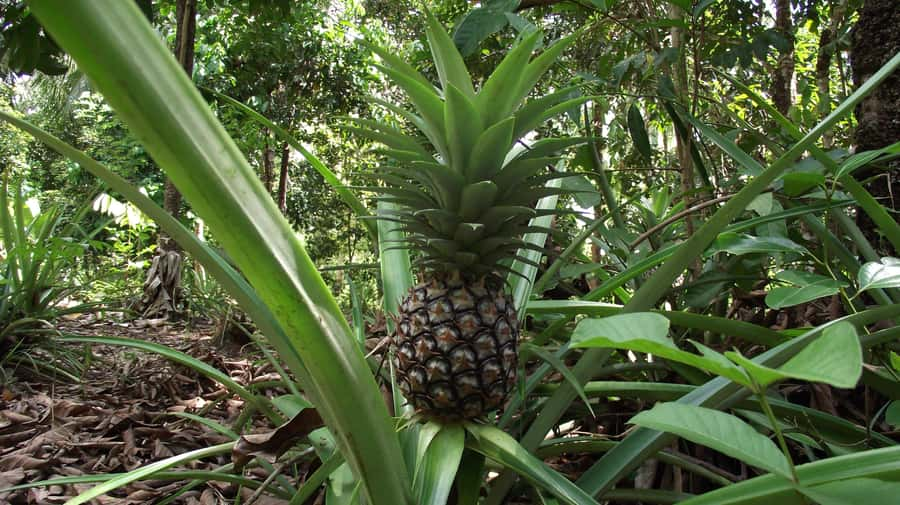
Spices get the spotlight, but the farm also grows and shares tropical fruits. You’ll have the chance to see and taste fresh fruit during your time there.
One standout is jackfruit, described as the largest fruit in the world. It’s a fun contrast to spices because it shows how Zanzibar agriculture isn’t just about exports—it’s also about local foods, textures, and everyday ingredients you might not think to try.
Cassava leaf harvest and coconut milk: the prep that makes the cooking lesson real
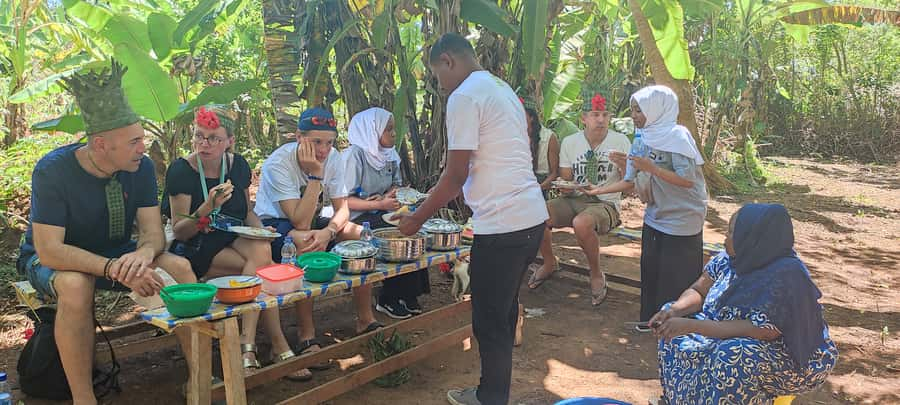
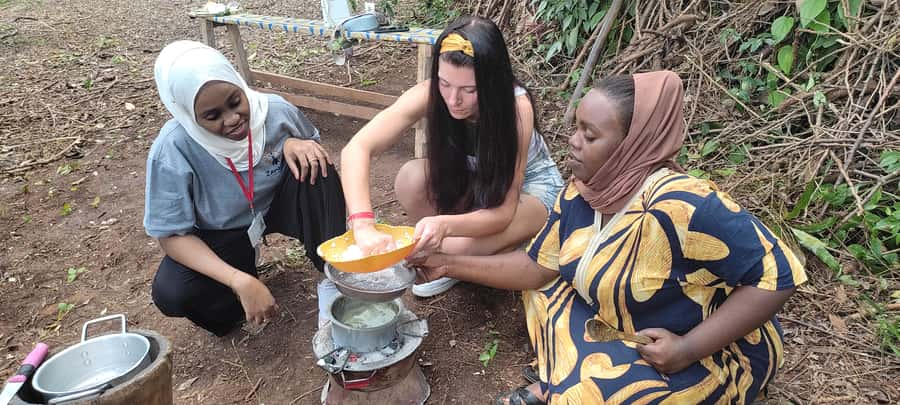
After the spice-and-fruit portion, the tour shifts into the kind of tasks that connect food to work. You’ll get involved with a cassava leaf harvest and learn about making coconut milk. Those steps matter because they explain why Zanzibar cooking tastes the way it does: coconut milk softens heat, cassava leaves bring greens and depth, and spices provide the aromatic backbone.
You’re not expected to become a kitchen expert in a single morning. But you do get practical participation, which helps the cooking lesson at the end feel grounded instead of staged.
A few more Zanzibar tours and experiences worth a look





Young coconuts from a coconut climber: quick, fun, and surprisingly memorable
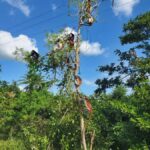
At some point you’ll also meet the next highlight: a coconut tree climber picks fresh young coconuts for you to try. This is one of those moments that feels both playful and very local—part fruit tasting, part glimpse of how island life handles food at the source.
It also balances the heavier spice learning. If spices can feel intense, coconut water and coconut fruit give your senses a reset before lunch.
The cooking lesson and lunch you actually eat

The tour ends with lunch at the spice farm, after you’ve learned through the cooking process. You’ll practice cooking and then eat what you helped make. Many visitors love this part because it ties everything together: the spices you smelled earlier aren’t just facts now—they’re the flavors in your meal.
Based on the experience style described, you should expect traditional Zanzibar cooking concepts, not just a generic demonstration. Dishes are typically local and built around island staples like coconut, cassava leaves, and spice-forward sauces or sides.
Two guide names kept coming up in feedback: Chiquito and Abdullah. People also mentioned Khamis and Juma in past experiences. If you get one of these guides, you’re likely to get humor and clear explanations, which makes a big difference when you’re trying to learn flavors quickly.
Buying spices at the end: what cash-only means for your trip
You’ll have the option to purchase fresh spices from the farm shop after lunch. One important detail: spices can only be purchased with cash.
So plan ahead. Bring enough small bills for what you want to take home. This is especially important if you’ve just come from paying for tours, boat rides, or Stone Town attractions. The farm shop is where your tasting experience turns into a souvenir you can actually use in cooking.
Tip: only buy what you’re confident you’ll use. Fresh spices can outperform dried ones, but they’re still an investment. Stick to blends or single spices you can name and cook with.
Price and value: is $65 for 3 hours worth it?
At $65 per person for a 3-hour experience, the value depends on what kind of traveler you are.
If you like food and want more than photos, it’s strong value. You’re paying for:
- Pickup from central Stone Town (or hotel pickup if arranged)
- Guided farm time with hands-on smell-and-taste
- Active participation in food prep like cassava leaves and coconut milk
- A full lunch included
- The chance to buy spices fresh at the end
This tour also works if you’re the type who enjoys learning through real steps. Smelling a spice plant is one thing. Helping prep ingredients and eating the results is where the experience justifies the price.
If you’re hoping for a long, slow, deep farm hike, 3 hours can feel short. The format is designed for a focused, efficient introduction.
Tour length reality check: why the schedule can feel tight
The farm-to-cooking portion moves at a practical pace. A few past experiences hinted that the tour can feel rushed, or that some groups may get less cooking time than expected. Another possibility mentioned was that you might do partial prep or help with specific parts rather than cook every step yourself.
So set your expectations: this is a short, structured lesson. You’ll participate, but it’s not a multi-hour cooking class with a full kitchen workflow. If you want the most hands-on cooking possible, ask your guide early how much participation your group will have.
What to bring so you’re comfortable on the farm
This tour is active enough to matter. Bring:
- Comfortable shoes
- Sun hat
- Sunscreen
- Water
- Cash for spice purchases
Wear something you don’t mind getting a little dusty. You’ll be out among plants, and Zanzibar sun can be strong even when the morning starts cool.
Who should book this tour, and who should skip it
I think this tour is a great fit for:
- Food lovers who like learning through senses (smell, touch, taste)
- People who want a short, meaningful add-on to Stone Town days
- Travelers who enjoy practical lessons tied to real ingredients
It may not suit you if:
- You’re pregnant (this experience is listed as not suitable)
- You need a very long, slow-paced excursion
- You dislike cash-only shopping requirements
If you’re traveling as a private group, the experience style also tends to feel more flexible. Some people enjoy that added comfort, especially for questions and pacing.
Should you book the Zanzibar Spice Farm Tour with Cooking Lesson?
If your goal is to understand Zanzibar spices in a way you can actually taste later, I’d book it. The strongest part is the fresh plant experience—the smell-and-taste sequence plus the feeling that the cooking uses what you learned. The lunch is included, so you’re not left hungry after a tour that feels incomplete.
Just go in with two practical expectations: it’s only 3 hours, so the cooking is part practice and part lesson, not a full kitchen marathon; and you’ll want cash ready for spice shopping. If you can handle that, this is a smart, flavorful stop that makes Zanzibar feel real beyond the Stone Town streets.
FAQ
Where does the tour start in Stone Town?
The meeting point is in front of the Old Fort on Mizingani Road in Stone Town, with the tour starting around 9:00AM.
How long is the Zanzibar spice farm tour?
The experience lasts about 3 hours.
How much does it cost?
The price is $65 per person.
Is hotel pickup available if I’m not in Stone Town?
Pickup can be arranged from Zanzibar beach hotels anywhere in Zanzibar, and Stone Town pickup is also included.
What languages is the live guide available in?
The live tour guide speaks English and Swahili.
Is lunch included?
Yes. Lunch on the spice farm is included.
Can I buy spices with a card?
No. Spices can only be purchased with cash.
What should I bring to the farm?
Bring comfortable shoes, a sun hat, sunscreen, water, and cash.
Is the tour suitable for everyone?
The tour is listed as wheelchair accessible, but it is not suitable for pregnant women.