One sniff and you get the point. This Zanzibar spice farm tour turns farm paths into a hands-on lesson, then caps it with a lunch built from those same flavors. It is simple, local, and very practical for anyone who wants more than a quick photo stop.
Two things I like a lot: you get a guided stroll through a village spice farm where the focus is on how spices and tropical fruits are grown and used, and the lunch ties everything together with spiced Pilau rice made by locals. One thing to consider: you may be asked for extra money on the spot, especially if you want to buy spices.
In This Review
- Key Points You’ll Care About
- Zanzibar Spice Farm at Jambo: What This Tour Really Is
- The 3-Hour Itinerary, Step by Step (And What Each Part Gives You)
- 1) Meeting at Jambo Spice Farm and Getting Started
- 2) The Village Spice Farm Walk: Plants, Uses, and Real Questions
- 3) Tropical Fruit Learning That Feels Connected, Not Random
- 4) Spiced Pilau Rice Lunch: How They Tie the Whole Tour Together
- 5) Back to the Meeting Point
- What You’ll Probably Learn (Without Needing a Botany Degree)
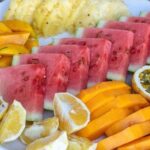
- Taste First: Why the Exotic Fruit and Lunch Matter
- Price and Value: Is $25 a Good Deal?
- Logistics That Make the Tour Feel Easy
- Shopping on the Farm: Spice Buys and Budget Tips
- Who This Tour Is For (And Who Might Skip It)
- Bottom Line: Should You Book This Zanzibar Spice Farm Tour?
- FAQ
- How long is the Zanzibar Spice Farm Tour & Exotic Fruit Lunch?
- What does the tour cost?
- Where does the tour start?
- Is this a private tour?
- Do I get a ticket on my phone?
- Is the lunch included?
- What happens if the weather is bad?
Key Points You’ll Care About
- A guided walk through a working village spice farm with explanations you can ask questions about
- Spiced Pilau rice lunch prepared using the flavors from the farm
- Tasting and fruit learning so you connect plants to real bites
- On-site spice shopping potential, so bring a little cash for small purchases
- Private tour format: only your group, so the pace stays on your side
- Good weather matters, since the experience depends on being outdoors
Zanzibar Spice Farm at Jambo: What This Tour Really Is
This is a 3-hour Zanzibar spice farm experience that stays close to everyday life in the village. You start at Jambo Spice Farm near the DoleDole soccer field, and you finish back at the same meeting spot. That round-trip simplicity matters because it keeps your day from turning into a logistics puzzle.
The heart of the tour is a stroll through a local village spice farm where you learn cultivation methods and how spices and tropical fruit trees are used. Zanzibar is famous for spices, but this tour explains the “why” at a level that feels grounded: plants, growing, uses, and stories tied to the farm setting.
Then comes the part that makes people happy: an exotic fruit lunch concept paired with a spiced Pilau rice meal. The idea is not just to feed you. It is to serve the flavors you just learned about while they are still fresh in your mind.
A few more Zanzibar tours and experiences worth a look



The 3-Hour Itinerary, Step by Step (And What Each Part Gives You)
Here is how the timing usually lands, and what each segment is best for.
1) Meeting at Jambo Spice Farm and Getting Started
You begin at Jambo Spice Farm DoleDole soccer field in Zanzibar. Because it ends back at the same meeting point, you do not need extra transport planning after lunch. That is a small thing, but in Zanzibar heat it is the kind of detail that makes a tour feel easier.
The tour is described as a private tour/activity, meaning only your group participates. That usually helps when you want to ask questions without waiting for a larger group to catch up.
2) The Village Spice Farm Walk: Plants, Uses, and Real Questions
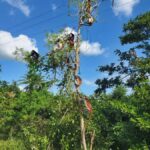
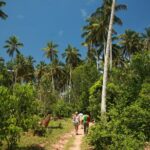
Once you are on the farm, you stroll through the spice area with a local villager guide. The focus is on cultivation, uses, and stories of spices, herbs, and tropical fruit trees.
This is where the best moments happen. In the reviews, people highlighted that the guide was friendly and willing to answer inquisitive questions. That matters because spice knowledge is not just facts. It is practical stuff like what parts are used, how people handle and work with the plants, and how the flavors show up in daily cooking.
You also get chances to taste most of what is on offer during the farm portion. That turns the experience into something you can actually remember. One of the common complaints about some tours is that you learn a lot and taste nothing. Here, the tasting element is part of the point.
3) Tropical Fruit Learning That Feels Connected, Not Random
Zanzibar fruit is not an afterthought here. The tour’s theme links tropical fruit trees to the spice story. Even if you do not know plant names, the guide’s explanations and the tasting help you build a real mental map.
If you like food travel, this is an efficient way to connect the dots: farm plant → flavor → local use. You get the learning without needing to do a separate fruit market detour.
A few more Zanzibar tours and experiences worth a look






4) Spiced Pilau Rice Lunch: How They Tie the Whole Tour Together
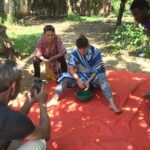
The lunch is the standout payoff. You get a spiced Pilau rice meal prepared by locals using the very spices you just learned about.
I like that the tour does not separate “education” from “food.” You learn about spices, then you eat something that uses them while the flavor is still in your head. That is why the lunch lands well in feedback. People specifically called out that the food incorporated the spices and fruits they learned about.
Pilau rice is also the right choice for a tour setting: it is filling, usually easy to serve in a straightforward environment, and it pairs naturally with the idea of spices and aromatic plants.
5) Back to the Meeting Point
You end where you started. That is great for planning. You can go right back to your hotel area, keep lunch from ruining the rest of your day, and avoid adding time buffers that you do not need.
What You’ll Probably Learn (Without Needing a Botany Degree)
Even without a long list of plant names in the basic description, you can expect the guide to cover core themes:
- How spices and herbs are cultivated in a village farm setting
- How spices are used in cooking and daily life
- How tropical fruit trees fit into the farm rhythm
- Stories tied to Zanzibar’s Spice Island reputation
The phrase Spice Island reputation can sound big and vague, but on the ground it becomes practical. You learn what people grow, what they pay attention to, and how they work with the plants. If you came to Zanzibar for flavor, this tour gives you the “why it tastes like that” angle.
Taste First: Why the Exotic Fruit and Lunch Matter
Food tours work best when they do two jobs at once: give you a meal and give you context. This one does both.
In reviews, people loved how the food was delicious and how it incorporated the spices and fruits from the farm portion. That is exactly what you want: you do not just eat because food is offered. You eat because you understand what you are tasting.
Also, the lunch is made by locals and prepared using the spices you learn about. Even if you are not a hardcore foodie, that turns your meal into a mini story you can tell later. It helps you remember the experience beyond the photos.
One note: the description mentions spiced Pilau rice and an exotic fruit lunch concept, but it does not spell out every fruit item in the meal. So keep expectations flexible. The core is the spiced Pilau and fruit tie-in.
Price and Value: Is $25 a Good Deal?
At $25 per person, this tour is priced like an affordable Zanzibar food-and-culture add-on. The value comes from what you actually get for that money:
- Around 3 hours of guided farm time
- A meal component built from the farm’s spices
- Private format for your group
- A visit to a working village spice farm rather than a distant showroom
For many visitors, paying a small amount to get a guided explanation plus a meal is the sweet spot. You save time versus trying to arrange a farm visit and a lunch stop separately. And you get a story-backed taste, which usually costs more when booked as a larger private experience.
If you are the type who hates paying for tours that feel like a shopping stop, you should still know one detail. One review mentioned a drawback: they seemed to ask for money onsite. That could be related to purchasing spices or other add-ons. If you want to avoid surprises, plan to carry a little cash and decide in advance what you might buy.
Logistics That Make the Tour Feel Easy
This experience has a setup that fits real travel days.
- Mobile ticket: you do not need to print anything
- Near public transportation: helpful if you are bouncing around Zanzibar without a private driver
- Confirmation at booking: you get confirmation when you reserve
- Most travelers can participate: it is not described as an extreme activity
Because it is listed as private, it also tends to feel smoother. The guide can adjust pacing to your group, which is a big deal on spice farms where walking and tasting happen together.
And yes, good weather matters. Since the tour is outdoors, rainy conditions can affect comfort and the ability to run the route as planned. If the operator cancels due to poor weather, you are offered a different date or a full refund.
Shopping on the Farm: Spice Buys and Budget Tips
One review explicitly mentioned that it is possible to buy spices on site. That is common on spice farm experiences, and it can be a good thing if you know what you want.
Here is how I’d approach it practically:
- Treat spice shopping as optional, not mandatory.
- Bring small notes for small purchases.
- If you buy anything, taste-check when possible and ask how they recommend using it.
The tour is built around learning, and the shopping opportunity is part of turning knowledge into something you can cook with later. Just keep an eye out for the “money asked on the spot” concern so you feel in control.
Who This Tour Is For (And Who Might Skip It)
This tour fits best if you want a food-focused Zanzibar experience with real local explanations. It is a great pick if:
- You enjoy guided explanations tied to tasting
- You want a simple plan for part of your day (about 3 hours)
- You like private tours where your group sets the pace
- You want a lunch that feels connected to what you learned
You might skip it if:
- You are looking for a long, full-day adventure and not just a focused farm-and-meal stop
- You dislike any form of on-site selling and want a strictly no-shopping experience
- Weather is shaky and you cannot be flexible on dates
Bottom Line: Should You Book This Zanzibar Spice Farm Tour?
If you want a Zanzibar experience that mixes farm walking, tasting, and a real meal without turning your day into a complicated schedule, I think it is a strong choice. Spiced Pilau rice, plus the chance to taste fruits and learn how spices are grown and used, gives you more than a basic look-see.
Just go in with your eyes open about two things: bring some cash in case you want to buy spices, and watch the weather since this is an outdoor farm visit. If those two points fit your travel style, booking this Jambo Spice Farm tour is an easy win.
FAQ
How long is the Zanzibar Spice Farm Tour & Exotic Fruit Lunch?
It runs for about 3 hours.
What does the tour cost?
The price is $25.00 per person.
Where does the tour start?
The meeting point is Jambo Spice Farm DoleDole Soccer Field, Zanzibar, Tanzania.
Is this a private tour?
Yes. It is listed as a private tour/activity, with only your group participating.
Do I get a ticket on my phone?
Yes, it includes a mobile ticket.
Is the lunch included?
Yes. The tour includes a spiced Pilau rice lunch prepared by locals using spices learned during the farm portion.
What happens if the weather is bad?
The experience requires good weather. If it is canceled due to poor weather, you will be offered a different date or a full refund.