REVIEW · ZANZIBAR
Private Stone Town Walking Tour
Book on Viator →Operated by COASTLINE TOURS AND TRAVEL · Bookable on Viator
Three hours in Stone Town can change your lens. This private walk in Zanzibar threads 7th-century streets to the House of Wonders and past doorways mixing African, Indian, and Arabic style. You’ll also spot mosques, churches, and temples almost side by side.
First, I love how the guide brings the place to life. Names like Osman, Said, Ousmane, and Mohammed show up again and again in guest feedback, and the common theme is clear explanations plus real local personality. Second, you get a practical hit list in one go: Old Fort, the former slave market area, two cathedrals, and a quick Freddie Mercury museum moment, so you don’t wander in circles.
One consideration: the stop connected to the slave trade is emotionally heavy, and the tour is mostly on foot through tight streets—so plan for comfort first.
In This Review
- Key Things to Know Before You Walk Stone Town
- Why This 3-Hour Private Stone Town Walk Fits Your First Day
- Entering Beit-el-Ajaib, the House of Wonders
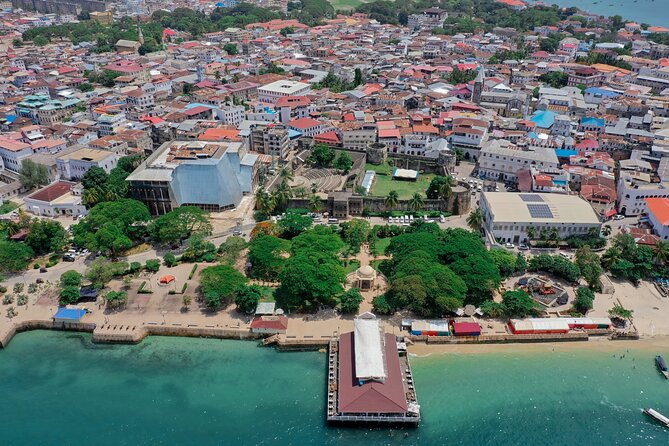
- Old Fort (Ngome Kongwe): A Portuguese-to-Omani-to-Cultural Center Story
- Christ Church Cathedral and the Slave Market Memorial: Know What You’re Walking Into
- St. Joseph’s Cathedral: French Mission Details and Twin Spires
- Freddie Mercury Museum Stop: Zanzibar’s Pop-Culture Link
- How the Street-Level Details Make It Worth Paying
- Price and Logistics: Is $43 Good Value?
- Timing, Weather, and What to Bring for a Comfortable Walk
- Who This Tour Is Best For (and Who Might Want a Different Plan)
- Should You Book This Private Stone Town Walking Tour?
- FAQ
- FAQ
- How long is the private Stone Town walking tour?
- What is the price per person?
- Is this tour private or shared?
- Where do we meet, and where does the tour end?
- What’s included in the tour price?
- Are entrance fees included for all stops?
- Do I need good weather for this experience?
- Are tips for the guide included?
Key Things to Know Before You Walk Stone Town
- House of Wonders (Beit-el-Ajaib) built in 1883 with reported modern features for its time
- Old Fort (Ngome Kongwe) with layers: Portuguese use, Omani rebuild, then cultural center
- Christ Church Cathedral’s setting at the former slave market site
- St. Joseph’s Roman Catholic Cathedral and its twin spires visible from the coast
- A Freddie Mercury museum stop tied to Zanzibar-born legend Queen
- Short, timed stops that still leave room for questions and photos
Why This 3-Hour Private Stone Town Walk Fits Your First Day
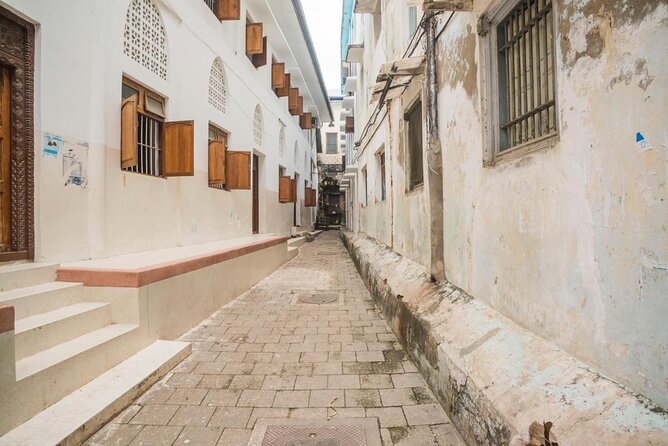
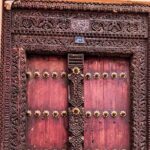
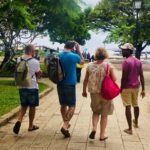
Stone Town is not a place you speed-run. It’s the kind of city where details matter: door carvings, worn stone steps, and streets that feel like they’re made for walking slowly. This tour hits the big landmarks while still moving at a human pace.
The sweet spot is the timing. At about 3 hours, you’ll cover several anchor stops without losing the thread of the story. If it’s your first day in Zanzibar, this format helps you understand what you’re looking at later—especially how Persian/Arab and Indian influences blend into local African design.
Also, it’s private, meaning your group sets the pace. That matters in Stone Town because you’ll want time for photos, short detours, and questions as you go.
You can also read our reviews of more walking tours in Zanzibar


Entering Beit-el-Ajaib, the House of Wonders
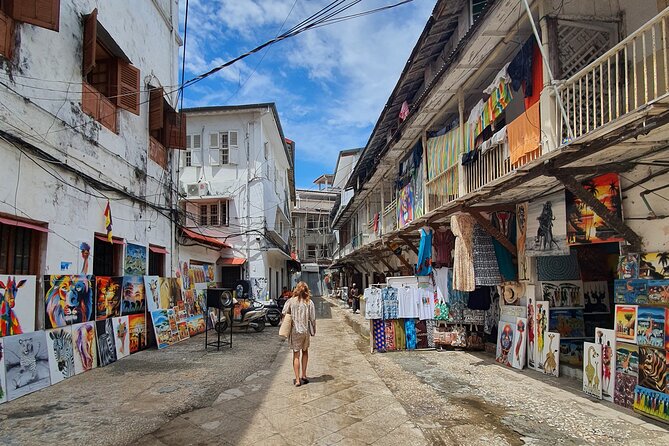
The House of Wonders, or Beit-el-Ajaib, is the tour’s first big architectural flex. It’s tied to Zanzibar’s third sultan, Barghash, with construction dated to 1883. The story that makes this stop interesting is the claim that it had features that were unusual for its era, including electricity, a water-tap system, and even an elevator.
Now, here’s the practical part for your expectations. This stop is about 30 minutes, and the goal is orientation—what the building is, why it was built, and what makes it different. You’re not going to become an expert historian in half an hour, but you will get the basics that help you read Stone Town’s architecture like a map.
If you’re the type who likes buildings with an origin story, this is one of the best places to start. It gives context for everything you’ll see afterward, from the fort’s shifting rulers to the religious mix across the old streets.
Old Fort (Ngome Kongwe): A Portuguese-to-Omani-to-Cultural Center Story
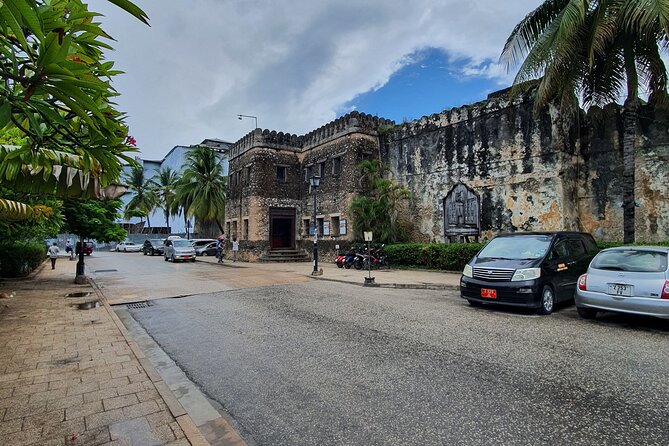
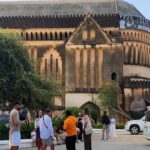
Next comes Ngome Kongwe, the Old Fort. This is one of those Stone Town sites where you feel the history stacked on top of history. The Old Fort’s background starts with the Portuguese in the 17th century, then shifts when the Omanis rebuilt it in the 18th century.
Later, it had other lives, including use as a train station before becoming a cultural center. Today, it’s tied to events and festivals, with examples like Sauti za Busara and the Zanzibar International Film Festival often associated with the space.
What I like about this stop is the contrast. Forts can feel like closed-off military objects in other cities. Here, the Old Fort becomes a public space again, so it’s not only about the past—it’s about how the area functions now.
The visit is around 30 minutes and the admission is listed as free. That makes it a low-stress stop in terms of logistics. If you’re trying to pack value into a short day, this is one of your easiest wins.
Christ Church Cathedral and the Slave Market Memorial: Know What You’re Walking Into
The most serious moment comes around the Anglican Cathedral of Christ Church, located where the biggest slave market of Eastern Africa once operated. Outside the cathedral area, there’s a stone monument described as showing four people enchained by their necks, meant to reproduce how enslaved people were presented to buyers.
This is not a quick photo stop. The tour spends about 40 minutes here, and for good reason. The trade is explained as a business link between Europeans—who used enslaved labor on Indian Ocean plantations—and African rulers, with Zanzibar’s strategic position in the Indian Ocean making it a major hub.
The numbers given are staggering: between 1830 and 1873, around 600,000 people were sold, with thousands more visiting temporarily. If you don’t know Stone Town’s role in the slave trade, this stop gives you that missing context fast.
A balanced tip: you don’t need to force yourself to feel anything in particular. But you should go in prepared for the mood. If you’re traveling with kids, you’ll want to talk about it beforehand and decide together how much detail you’re comfortable hearing.
St. Joseph’s Cathedral: French Mission Details and Twin Spires
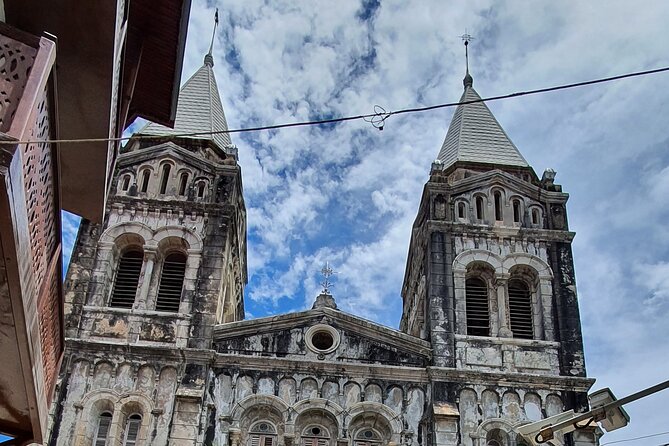
After the heavier stop, Stone Town’s mixed faith landmarks come back into focus. St. Joseph’s Roman Catholic Cathedral is built in the Baghani area, with construction dated 1893 to 1898 by French missionaries.
Here’s what makes this cathedral different from the typical quick church-and-go. The cathedral’s most visible feature is its twin spires, similar to those associated with Marseille’s churches, and they can be spotted from a distance off the coast. Inside, the walls include murals from the Old Testament. Even the building materials have a story: tiles and stained glass windows were reportedly imported from France.
The interior visit is short, about 15 minutes, but it’s enough time to catch the big visual elements and understand why it’s a signature part of Stone Town’s skyline.
This stop is listed with free admission. In practice, that means you can focus on looking instead of budgeting on the fly.
You can also read our reviews of more private tours in Zanzibar





Freddie Mercury Museum Stop: Zanzibar’s Pop-Culture Link
Stone Town also connects to modern fame. The tour includes a stop at the Freddie Mercury Museum, tied to the fact that Freddie Mercury was born in Zanzibar.
This is a short stop (around 20 minutes), and it’s not the same as a full museum immersion day. Think of it as a focused stop to connect a personal story to the city’s place in the wider world. If Queen fans are in your group, this moment can be the fun counterweight to the heavier history nearby.
The museum admission is listed as not included in the tour info provided, so plan on paying separately if you want to go inside. If your group wants more time here, this is also the kind of moment where a private guide can often adjust the pacing.
How the Street-Level Details Make It Worth Paying
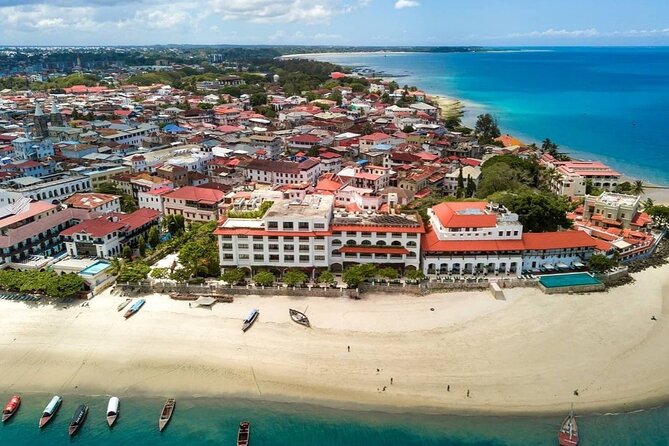
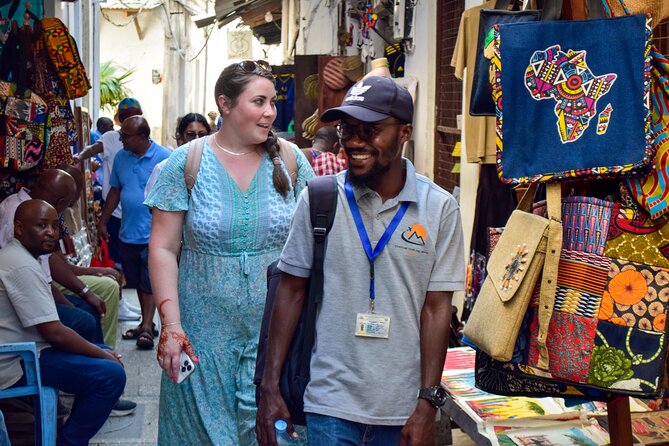
The marketing names landmarks, but what makes the tour feel real is what happens between stops. Stone Town’s streets are narrow, and the character comes from what’s squeezed into them—doorways that combine African styles with Indian and Arabic design, plus the close mixing of religious buildings.
The route also includes market time. You may pass through or near the main market, with side sections such as fish along the way. That’s the kind of experience you don’t get from a quick drive-by. It’s also a good moment to ask your guide how to read what you’re seeing: what’s local, what’s for tourists, and what’s practical to buy if you’re trying to take something home.
One more thing: your guide should be your translator for street life. If you’ve got questions about architecture, religion, or why certain buildings look the way they do, this is when you’ll get the best answers.
Price and Logistics: Is $43 Good Value?
At $43 per person for about 3 hours, you’re paying for three core things:
1) a professional guide,
2) a structured route through key landmarks,
3) and a smoother experience in a city where the street map isn’t obvious at first glance.
You also get a bottle of water. That sounds small, but on Zanzibar heat and walking, it’s the difference between enjoying your day and getting cranky.
Tickets are mixed, and this is worth planning for. The tour information says the entrance fee at the slave market is included, but the stop notes that the slave market/Christ Church cathedral area has admission not included. Because those details conflict in the material you provided, I strongly suggest checking your confirmation message before you arrive, so you know what you personally must pay on-site.
Other admissions are listed as:
- House of Wonders: free admission noted
- Old Fort: free to visit
- St. Joseph’s Cathedral: free admission noted
- Freddie Mercury Museum: admission not included
So the value equation depends on your group’s museum preferences. If everyone is comfortable with a shorter Freddie Mercury museum moment, you may spend less overall. If you want to go inside, that’s extra budget.
Group discounts are mentioned too. Since it’s private, the discount usually matters most when you’re traveling with more people.
Timing, Weather, and What to Bring for a Comfortable Walk
The experience requires good weather. Stone Town walking is better when the day is dry, since you’ll be moving between different outdoor areas and narrow streets.
For comfort, bring:
- comfortable walking shoes (Stone Town stairs and uneven surfaces are real),
- sunscreen and a hat,
- and a phone battery plan for photos.
The tour ends back at the meeting point, so you’re not dealing with a complicated drop-off logistics headache.
Also, since it’s near public transportation and includes a mobile ticket, you should feel fine about navigating around it before or after your tour. Still, you’ll get the least stress if you arrive a bit early so your guide can start smoothly.
Who This Tour Is Best For (and Who Might Want a Different Plan)
This tour works best if you:
- want a first-day orientation to Stone Town,
- like history but don’t want it in a lecture format,
- and prefer a guide who can tailor the pace to your interests.
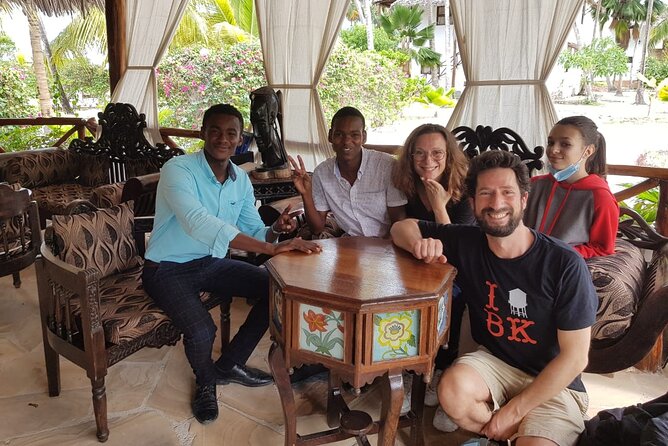
It also suits solo travelers and families. One pattern from the feedback: guides like Said, Osman, and Mohammed can adapt for different groups, including people traveling with kids, while still keeping the story coherent.
It might be less ideal if:
- you want zero walking and a purely indoor sightseeing day,
- your group can’t handle emotionally difficult topics,
- or you strongly prefer self-guided exploration with no guide involvement.
Should You Book This Private Stone Town Walking Tour?
Yes—if you’re trying to understand Stone Town quickly and respectfully. The tour’s biggest strength is that it connects the city’s standout architecture and places of worship with the darker history tied to the former slave market, all in a tight loop.
Book it if you value:
- a local guide with personality (names like Said and Osman show up repeatedly),
- a route that keeps you from getting lost in the maze,
- and the chance to ask questions as you see the doorways, markets, forts, and cathedrals.
I’d be cautious only if your group is sensitive to the slave trade topic or you’re unprepared for mostly on-foot walking in narrow streets. If that’s you, adjust the pace with your guide ahead of time, or choose a shorter, lighter-focused alternative.
FAQ
FAQ
How long is the private Stone Town walking tour?
The tour lasts about 3 hours (approx.).
What is the price per person?
It costs $43.00 per person.
Is this tour private or shared?
This is a private tour/activity. Only your group participates.
Where do we meet, and where does the tour end?
You meet at Old Fort, Mizingani Rd, Zanzibar, Tanzania. The tour ends back at the meeting point.
What’s included in the tour price?
The included items are a professional tour guide, a bottle of water, and an entrance fee at the Slave Market (as stated in the included section).
Are entrance fees included for all stops?
Not all of them. The slave-market entrance is listed as included in one section, but the stop details also note admission not included for the slave market/Anglican Cathedral area. House of Wonders and Old Fort are noted as free, St. Joseph’s is free, and the Freddie Mercury Museum is noted as not included. Check your confirmation to be sure.
Do I need good weather for this experience?
Yes. The experience requires good weather, and if it’s canceled due to poor weather, you’ll be offered a different date or a full refund.
Are tips for the guide included?
No. Tips/gratuities for the guide are not included.