REVIEW · ZANZIBAR CITY
Jozani Forest Kuza Cave The Rock Restaurant and Paje Beach
Book on Viator →Operated by KHAMIS TAXI DRIVER ZANZIBAR · Bookable on Viator
Red colobus monkeys meet mangrove boardwalk views.
This Zanzibar day trip blends Jozani Forest wildlife, Kuza Cave culture, and a slow finish on Paje Beach. I really like how the day is paced: enough time to enjoy animals and scenery without feeling rushed. I also like the private-ride feel, with guides such as Hassan and Abracadabra, and chauffeur Khamis getting you from spot to spot without stress.
One possible drawback: the Jozani forest portion is about 3 hours, so if you want maximum time in the park, you may wish it ran a bit longer. Lunch is also not included, so you’ll need to plan that part of the day (and you might want to reserve ahead at The Rock).
In This Review
- Key highlights you’ll feel right away
- Jozani Chwaka Bay: where the red colobus steals the show
- The mangrove boardwalk: wildlife viewing without trampling it
- Kuza Cave: culture, artifacts, and a Swahili timeline you’ll remember
- Michamvi and The Rock Restaurant: seafood with ocean views (plan for lunch)
- Paje Beach at the end of the day: white sand, calm water, sunset
- Price and logistics: what you’re really paying for
- Who this tour fits best (and who might want a different plan)
- Quick tips to make the day feel effortless
- Should you book this Zanzibar day trip?
- FAQ
- What time does the tour start?
- How long is the experience?
- Is pickup offered?
- Is lunch included?
- What’s included in the price besides transportation?
- Are admission tickets included for the main stops?
- Is this a private tour?
- Can I bring a service animal?
Key highlights you’ll feel right away
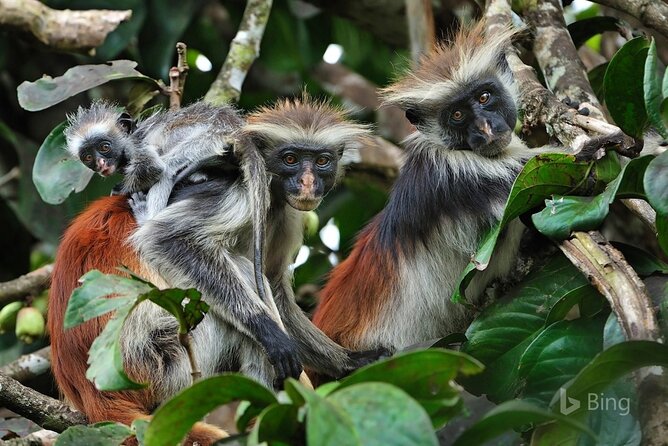
- Red colobus monkey sightings in the famous Jozani Chwaka Bay National Park
- Mangrove walk on a bridge designed to protect the wildlife area
- Kuza Cave artifacts + Swahili timeline focused on East African human origins
- The Rock Restaurant location with seafood lunch over the Indian Ocean water (lunch not included)
- Paje sunset and quiet beach time, with hills behind the sand
Jozani Chwaka Bay: where the red colobus steals the show
The day starts with a drive into Jozani Chwaka Bay National Park, Zanzibar’s standout for native forest wildlife. This is Zanzibar’s high, dense groundwater forest, and it feels different from the coastal bustle. It’s the kind of place where you stop thinking about schedules and start watching movement in the canopy.
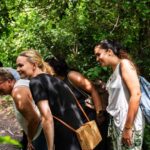
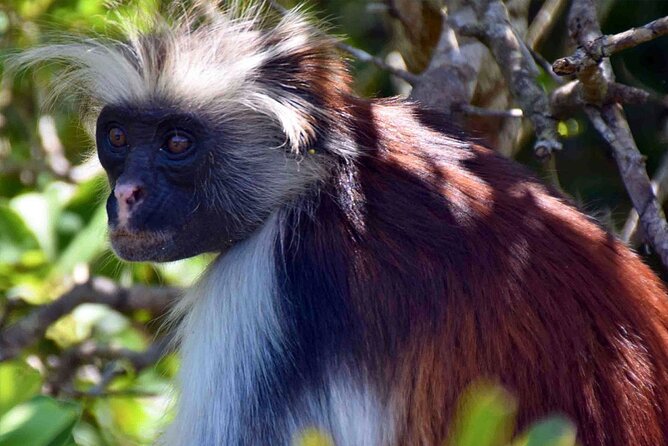
The main reason most people come is the red colobus monkey. You’ll get a real chance to see them up close as part of the forest experience, not just a quick glance from a distance. Blue monkeys may also be seen, and you might spot smaller forest characters like elephant shrews and bushbabies if you keep your eyes open and your walking pace steady.
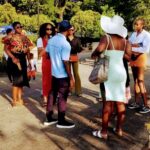
A good guide makes a big difference here. In the guides I’ve heard praised, Hassan stands out for being attentive and for connecting animal behavior to what you’re seeing. Abracadabra is another name that comes up, including for French-speaking visitors, and that matters if you want explanations you can actually follow.
Practical tip: wear light, comfortable clothing and shoes you don’t mind getting dusty. Forest paths can be uneven, and you’ll be happier if you don’t spend the whole time watching your feet instead of watching the monkeys.
A few more Zanzibar City tours and experiences worth a look

The mangrove boardwalk: wildlife viewing without trampling it
After the forest section, you’ll move into mangrove swamp scenery. The key detail: conservation authorities built a bridge so visitors can observe the mangroves without crushing the ground or disturbing the habitat. That design choice is why this part feels respectful and calm rather than chaotic.
Mangroves are living systems, not just pretty scenery. They’re full of small movement, and the water around them changes the way you hear wildlife—soft rustles, sudden splashes, and the feeling that something is always happening nearby. This is also where the day shifts from animal spotting to atmosphere.
The mangrove part is scenic enough that you’ll want to slow down, but it also stays functional. You’re not wandering alone; you’re moving with the flow of the visit, which keeps the experience smooth and focused.
If you hate crowds: this is one of the quieter segments, partly because it’s structured and partly because you tend to pause to look. The private nature of the tour helps too, since your group moves as one unit.
Kuza Cave: culture, artifacts, and a Swahili timeline you’ll remember
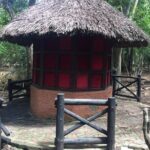
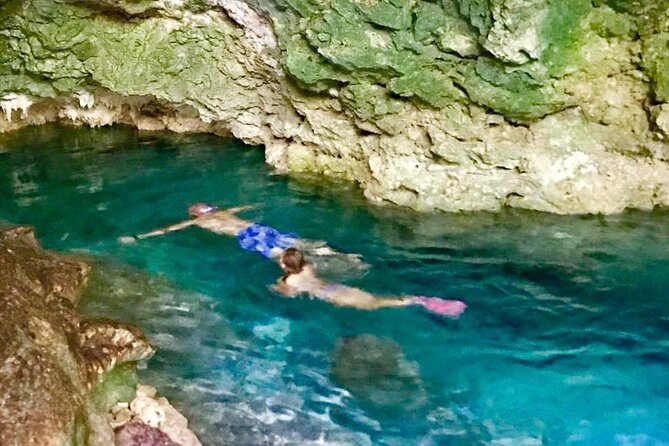
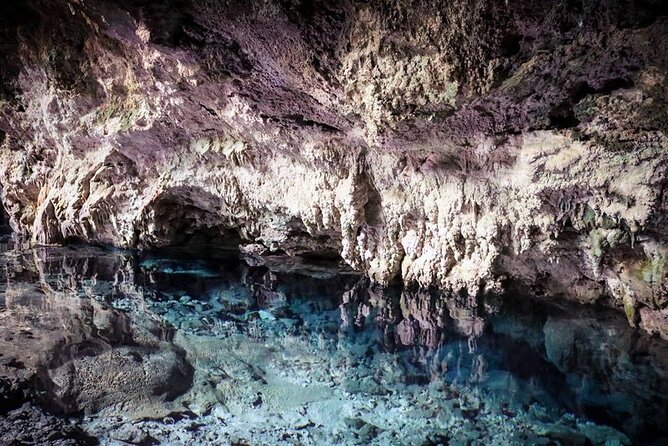
Next comes Kuza Cave, also described as a Zanzibar culture center. This is where the day adds a human story to the wildlife and beach visuals. Instead of only looking at nature, you’re walking into a place that explains how Zanzibar fits into broader East African human history.
Inside, you’ll see local artifacts and a timeline connected to Swahili history. The cave experience is framed to help you understand origins in East Africa and how time connects to the Swahili story you hear along the coast. Even if you’re not a museum person, it tends to land because it’s tied to the setting.
What I like about this stop is that it breaks up the “outside” rhythm of the day. After Jozani’s open-air forest walking, Kuza Cave feels like a reset. You also get context for the islands: why culture exists in the shape it does, not just what it looks like.
Possible drawback: the cave stop is about 2 hours. That’s enough for a full experience, but if you like reading every display and lingering, you may wish you had a little more time.
Michamvi and The Rock Restaurant: seafood with ocean views (plan for lunch)
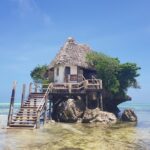
After the cave, the day heads toward Michamvi for panoramic sea views and a seafood lunch option at The Rock Restaurant. The defining feature is the setting: the restaurant is built in the Indian Ocean water, so you’re eating with sea all around you. It’s the kind of location that makes ordinary food feel like part of the memory.
Lunch itself is not included in the tour price, so you’ll need to decide what you want before you get hungry. One review tip that’s worth taking seriously: book lunch ahead at The Rock if you can. That helps you avoid waiting while your group is hungry and the ocean has already stolen your attention.
A note on bargaining: if you’re tempted by street sellers, keep your expectations realistic. The Rock is described as having the same pricing for everyone, and the experience is about convenience and atmosphere more than haggling. If you do want to reduce stress, treat the restaurant as your planned meal and let the rest of the vendors be a curiosity, not a mission.
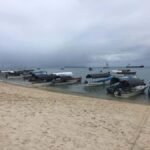
What to expect in the view department: you may also catch glimpses of local dhow life and the presence of women in the coastal scene. This makes the lunch hour feel anchored in everyday Zanzibar, not staged for tourists.
Paje Beach at the end of the day: white sand, calm water, sunset
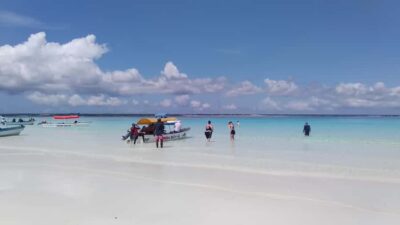
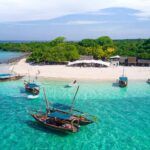
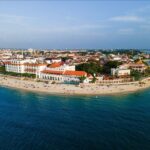
The final stretch lands at Paje Beach, where the mood shifts from “activities all day” to “slow it down.” Paje is known here for quiet beach time, clear water, and the feeling of open space. There are hills behind the sand, and that back-view detail makes the beach look less flat and more layered.
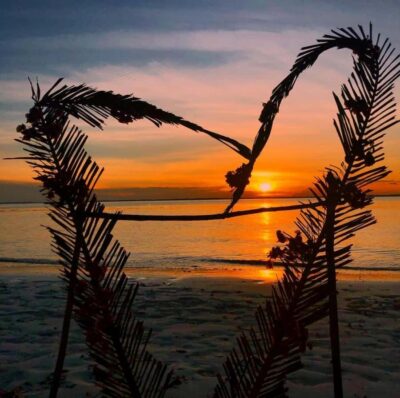
The best part is timing. This segment is set late enough for sunset viewing. When the day ends on a beach like this, it feels earned. You’ll likely spend time just sitting, walking the shoreline, and letting the ocean noises do their job.
Paje also works well because it isn’t only about one moment. You can enjoy the calm waves for a while before the sun drops, then settle in again when the light turns soft.
Practical tip: bring sun protection you’ll actually use. You’ll be in open light more than you think, and the ocean glare in Zanzibar can surprise you.

Price and logistics: what you’re really paying for
The tour is priced at $135 per person for an approximately 9-hour day, starting around 8:30 am. On paper, that’s a lot, but the value comes from what’s included: private transportation, bottled water, and all fees and taxes. Admission tickets for Jozani and Kuza Cave are also included, which matters because it removes the “add-ons” feeling you can get with some day trips.
Lunch not being included does change the total cost, so I treat it like this: the base price covers the structured day—wildlife, cave culture, transport, and entry fees—while you choose how you want to handle your meal. If you plan to eat at The Rock anyway, booking lunch ahead turns it into a smoother day.
Because it’s a private tour, you’re not fighting for space or waiting on strangers. That’s a real quality-of-life win when you’re moving between forest, cave, and coast.
Who this tour fits best (and who might want a different plan)
This day works best if you want a single, well-rounded Zanzibar taste—wildlife, culture, and beach time—in one go. It’s ideal for couples, friends, and small groups who don’t want the hassle of arranging separate rides for Jozani, Kuza Cave, and the Paje sunset.
I’d especially recommend it if you value a guide who can translate what you’re seeing. The strong guide feedback—Hassan’s attentiveness, Abracadabra’s French, and Khamis’s smooth driving—signals that the human side of this day is part of the package, not an afterthought.
If you’re the type who wants to spend all day in one place, you might feel the time limits. The Jozani stop is only about 3 hours, and you’ll still be ready to move afterward. That’s great for most people, but less great for hardcore bird-and-animal watchers who want hours of repeated scans.
Quick tips to make the day feel effortless
- If you plan to eat at The Rock, reserve lunch in advance so the meal doesn’t become a scramble.
- Bring a light layer and comfortable shoes for forest paths and cave walks.
- Aim to keep your phone charged. Mangrove and cave lighting can make it harder to capture good photos later.
- If you’re sensitive to street selling, treat it like background noise and stick to your planned stops.
Should you book this Zanzibar day trip?
If you want an efficient, high-impact day with Jozani’s red colobus, Kuza Cave’s cultural timeline, and a true wind-down on Paje’s sunset beach, this tour is a strong choice. The big reasons to book are the included entry fees, the private transportation, and the clear evidence that the guide experience matters—people specifically praise guides like Hassan and Abracadabra.
I’d hesitate only if you’re picky about spending lots of uninterrupted time in one location, especially Jozani. In that case, look for a longer forest-focused option or add extra time on your own. Otherwise, for a first Zanzibar trip or a “see a lot without juggling details” day, this is a smart buy.
FAQ
What time does the tour start?
The tour starts at 8:30 am.
How long is the experience?
It runs for about 9 hours.
Is pickup offered?
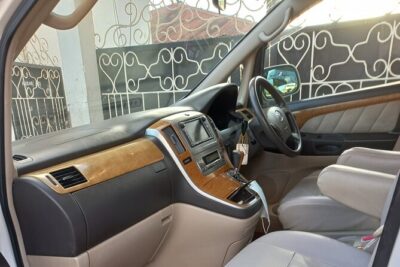
Yes, pickup is offered, and the tour uses private transportation.
Is lunch included?
No. Lunch is not included in the tour price. There is a seafood lunch option at The Rock Restaurant.
What’s included in the price besides transportation?
The tour includes bottled water and all fees and taxes.
Are admission tickets included for the main stops?
Yes. Admission tickets are included for Jozani Chwaka Bay National Park and Kuza Cave.
Is this a private tour?
Yes, it’s private, meaning only your group participates.
Can I bring a service animal?
Yes. Service animals are allowed.