REVIEW · ZANZIBAR CITY
Zanzibar: Stone Town City Tour and Spice Farm with Lunch
Book on GetYourGuide →Operated by AClass Travel · Bookable on GetYourGuide
Stone Town is a busy mix of cultures. This private tour strings together the main sights you’ll want in one day, then swings you into a working spice farm where you can smell, taste, and learn how the islands profit from plants. I like the way the stops connect the Arab, Persian, Indian, and European layers of Stone Town into something you can actually walk through.
What I love most is the hands-on spice experience: you’ll touch and taste spices on the plants, plus you’ll try young coconuts picked by a climber, and even snack on big island fruits like jackfruit. The one real drawback to plan for is extra cash and timing: entrance fees are not included, and pickup can run late depending on your hotel and route.
In This Review
- Key things to know before you go
- Stone Town on one private route: from UNESCO streets to the sea gate
- City Market and the fish auctions: where everyday life is the show
- Palace Museum, House of Wonders, and Old Fort: read the city like a map
- The spice farm experience: smell the plants, then cook with them
- Coconuts, jackfruit, and fruit that feels like a lesson
- Lunch at the farm: a satisfying finish that’s also part of the story
- Price and logistics: when $32 is a good deal, and when it isn’t
- Guide quality, tips, and how to avoid awkward moments
- What to bring so the day stays easy
- Who this tour suits best
- Should you book Stone Town and Spice Farm with lunch?
- FAQ
- FAQ
- Is this tour private?
- What’s included in the $32 price?
- Are entrance fees included?
- Do I need cash during the tour?
- Does the tour include transfers outside Stone Town?
- What happens on the Stone Town part of the tour?
- What happens at the spice farm?
- What language options are available?
- What should I wear or bring?
Key things to know before you go
- Smell-and-taste spice teaching at an organic farm, not just a quick demo
- Tree-picked young coconuts with a coconut climber
- Stone Town highlights in one route: Old Fort, Palace Museum, House of Wonders, and Freddie Mercury’s house area
- City Market stop with produce and fish auction action you can watch close-up
- Cash-only extras: farm/spice shop costs are separate from the $32 ticket
- Guides can vary in pacing and insistence on tips or purchases, so set expectations early
Stone Town on one private route: from UNESCO streets to the sea gate
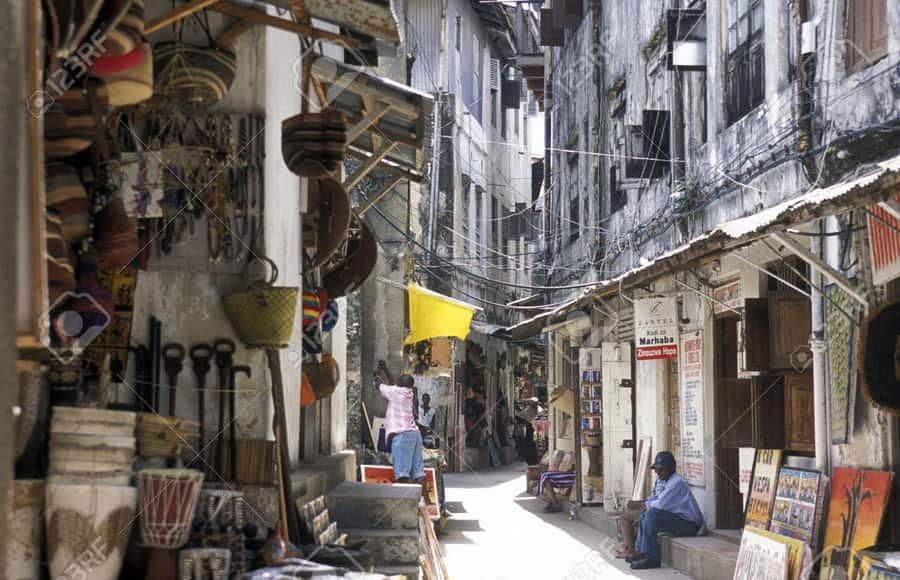
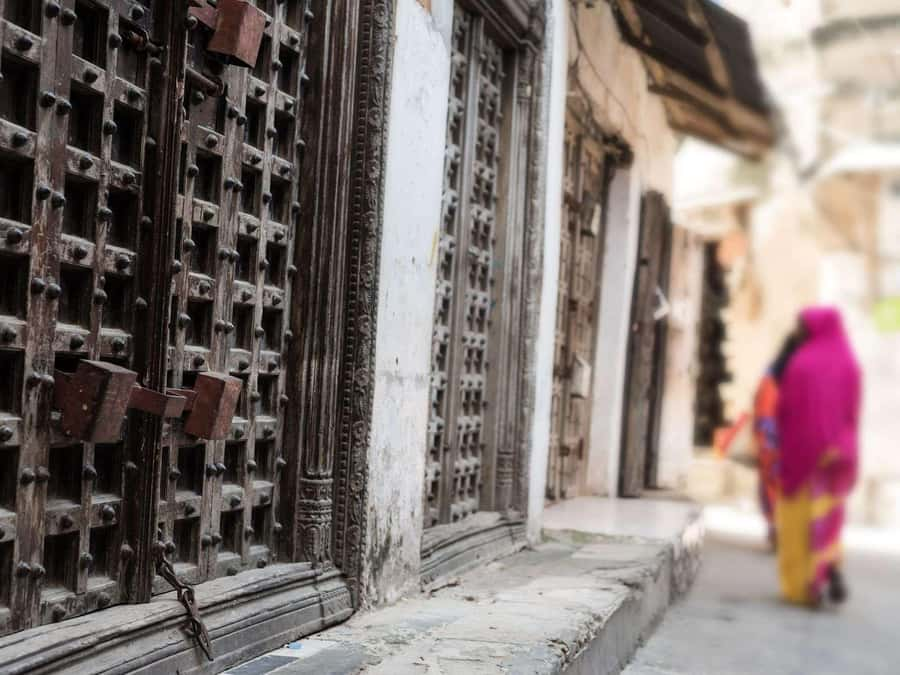
Stone Town’s appeal is that it doesn’t feel like a museum. The architecture still shows the city’s crossroads role, with Swahili culture blended with Arab, Persian, Indian, and European influences. Stone Town was designated a UNESCO World Heritage Site for its cultural and architectural mix, and the tour gives you the kind of route that helps you see why that matters.
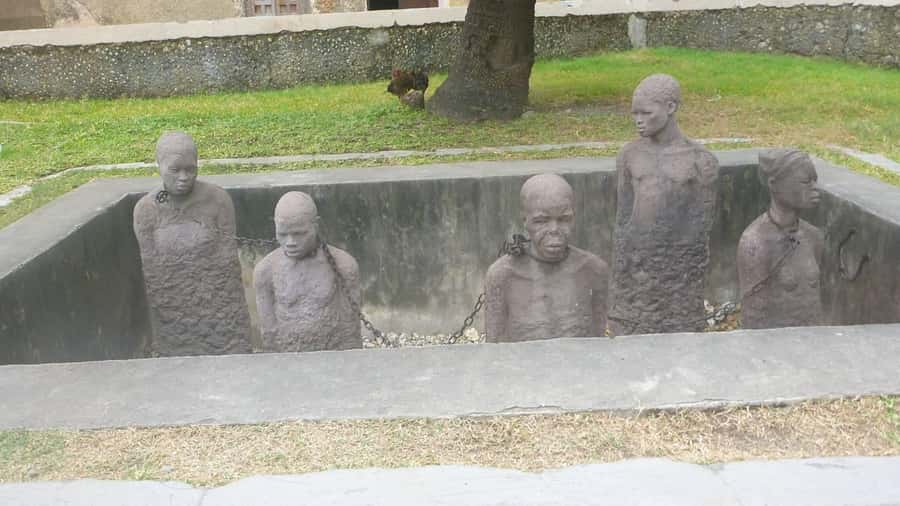
You start with the classic foundations: the Old Slave Market site and the Anglican Church. Even if you’re not a history superfan, these stops help you get your bearings fast. You’ll understand the city’s human story, and you’ll also learn to spot architectural clues as you move from street to street.
This part is best if you like walking that’s paced to your questions. It’s private, so you can go slower for photos or faster if you’ve already seen similar sites elsewhere. Just remember Stone Town streets can be tight and busy, so comfortable shoes matter.
You can also read our reviews of more city tours in Zanzibar City



City Market and the fish auctions: where everyday life is the show
One of the most memorable stops is the City Market. This is where Stone Town feels like a working port city, not a curated postcard. You’ll see fresh produce, and you’ll also have a front-row view of the fish auction energy.
What to look for: the patterns of trade. People buy and sell quickly, sellers respond to buyers, and the prices shift with what’s available that day. It’s a small window into how Zanzibar food and commerce work, and it pairs nicely with the later spice farm focus on agriculture and ingredients.
If you don’t love crowds, you can still enjoy it by positioning yourself slightly to the side. You’ll get the atmosphere without getting swallowed by it. Also, bring a watchful eye for what you buy here versus later at the farm shop, because the day can turn into a spending gauntlet if you’re not ready.
Palace Museum, House of Wonders, and Old Fort: read the city like a map
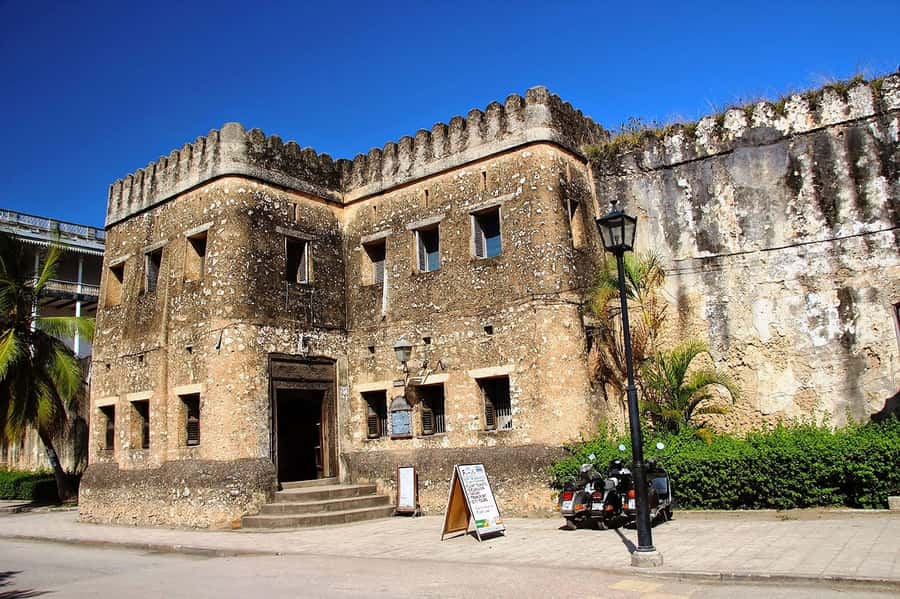
After the market, the tour goes into the main building circuit. You’ll visit the Palace Museum, the House of Wonders (Bait-al-ajab), and then continue to the Old Fort area plus several landmark homes.
Here’s how I’d frame these stops so they feel worth your time:
- Palace Museum: Think of it as your “why this city looks like it does” crash course. You’ll connect the architecture and status of past rulers to the way the city developed.
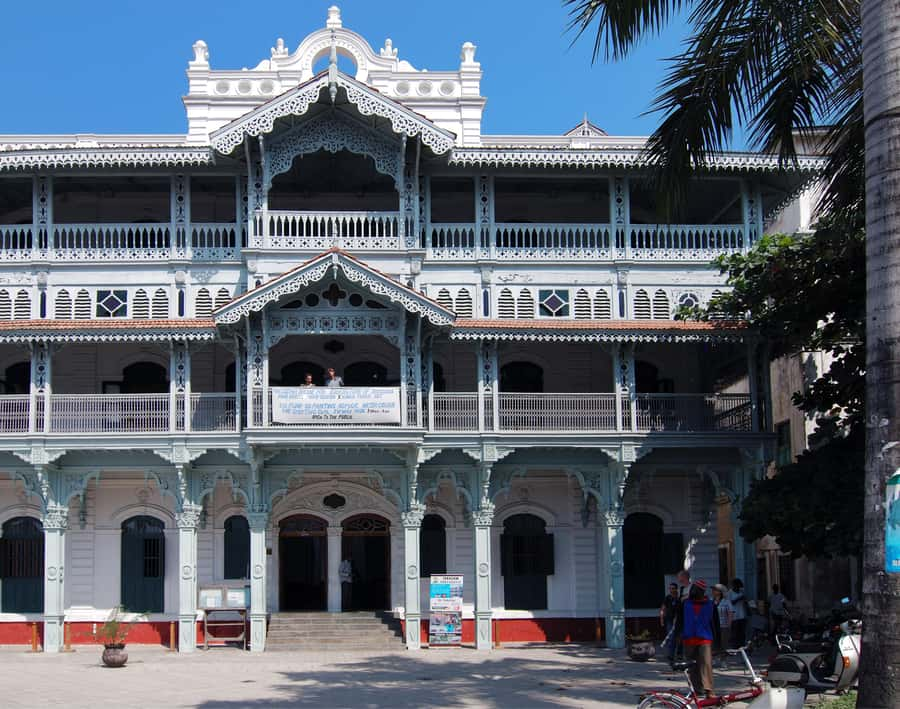
- House of Wonders (Bait-al-ajab): This building matters not just for its size claims, but because it signals how Zanzibar saw itself—ambitious, connected, and influenced by outside powers.
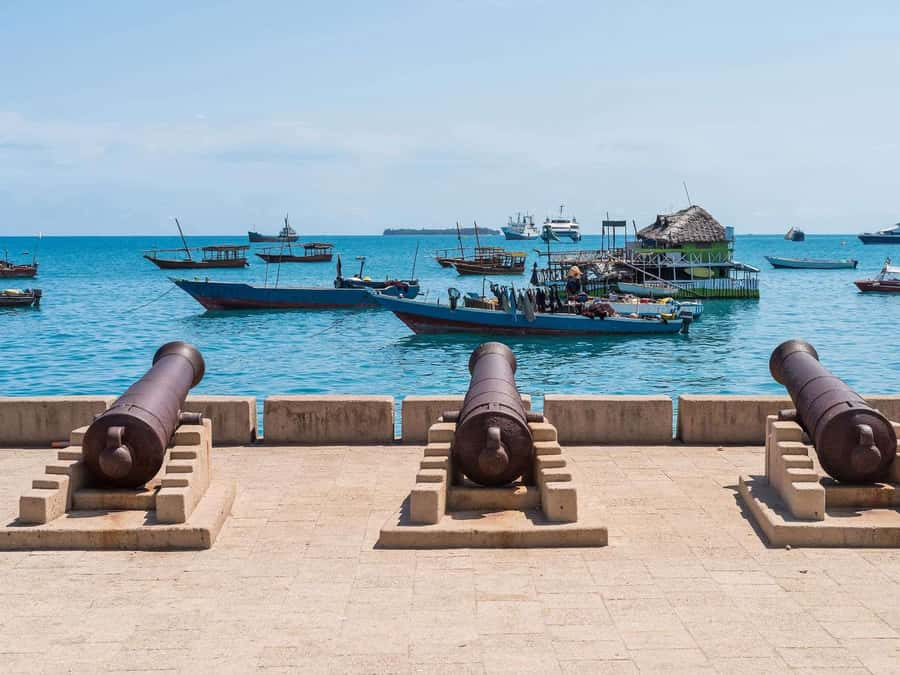
- Old Fort: Forts can be dry on paper, but in Stone Town they help you understand the city’s coastal defense and trading role.
You’ll also visit Tippu Tip’s House and the area around Freddie Mercury’s House. That’s a fun pivot for pop-culture travelers, but it works better when your guide ties it back to the city itself: Zanzibar isn’t just a footnote in global music. It’s also a place with its own story and built environment.
Depending on your guide, you might also see the Peace Memorial and the Natural History Museum. These add variety if you’re trying to balance architecture, human history, and daily life.
The spice farm experience: smell the plants, then cook with them
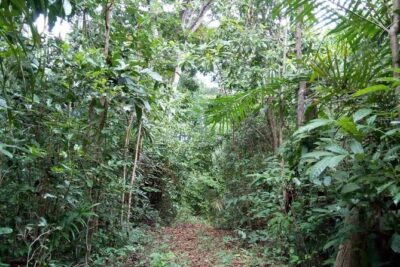
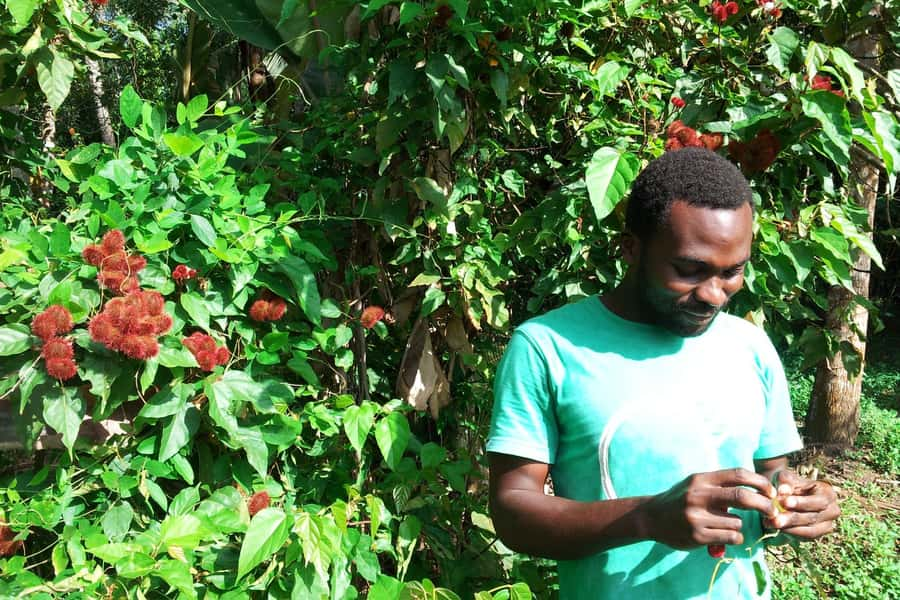
The day’s “wow” shift happens once you leave Stone Town and step into spice-country mode. The tour frames Zanzibar as the Spice Islands, explaining how crops like cloves, nutmeg, cinnamon, and black pepper fueled global trade and gave the archipelago its nickname.
At the organic spice farm, your guide should show you how spices grow and how they’re used. The emphasis is not just culinary. You’ll also hear about uses in medicine and everyday life. The big value here is the hands-on part: you should be able to touch, smell, and taste spices directly from the plants.
Then the itinerary gets practical. You may do a cassava leaf harvest, make coconut milk, and practice some cooking techniques. This is where the experience becomes more than sightseeing, because you’re working with ingredients instead of just looking at them.
If you’re wondering whether it’s touristy, here’s the honest way to judge it: look for actions that require participation. Harvesting, milk-making, and tasting from plants are real. If your day feels too sales-heavy, you can still enjoy it by focusing on the sensory learning and the cooking steps.
Coconuts, jackfruit, and fruit that feels like a lesson
Two of the standout “food memories” are tied to fruit and coconuts.
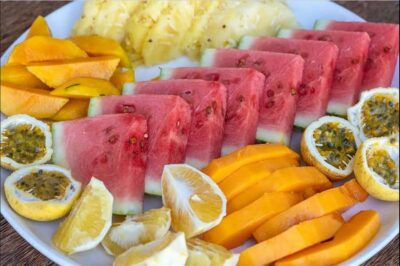
You’ll get to enjoy fresh young coconuts picked straight from the tree by a coconut tree climber. That matters because coconut drinks are often pre-packaged for tourists, while this is the real thing: picked young, served fresh.
You’ll also have the chance to sample jackfruit, which is known for being the largest fruit in the world. Even if you don’t love fruit snacks, it’s a great example of why Zanzibar’s spice identity also comes with serious agriculture.
One tip: pace yourself. If you’re tasting multiple spices and fruits, you’ll want water nearby and you’ll want lunch to feel like relief, not another round of sampling.
A few more Zanzibar City tours and experiences worth a look





Lunch at the farm: a satisfying finish that’s also part of the story
Lunch is included, and it typically lands at the end of the farm portion. This is not just a meal break. It’s the payoff moment where what you learned about spices can show up in real food.
If you’re sensitive to strong flavors, tell your guide what you prefer. The day’s theme is spices, so expect flavors that are more intense than what you might be used to at home.
After lunch, you usually have the option to purchase spices from the shop. Here’s the practical point: the shop is described as cash only, so plan ahead.
Price and logistics: when $32 is a good deal, and when it isn’t
On paper, this tour looks like solid value: $32 per person for a private Stone Town city circuit plus a spice farm day with guide, water, and lunch. For many travelers, that’s a fair trade when you’re comparing it to taxi costs and paying for entrances separately.
But the fine print changes the math. You should expect extra charges on the ground:
- Slave market and Spice Farm entrance: $10 per person, paid in cash on the spot
- Transfers from outside Stone Town: extra charge
So the realistic total can be closer to $32 + $10 per person, before any optional purchases. If you’re starting from a hotel far from Stone Town (for example, staying in Nungwi), transportation can also affect timing and how long you actually get for each segment.
Timing is the other big variable. Your pickup time may be scheduled early, but the day can run late. In practice, you should build buffer time into your schedule, especially if you’re catching a dinner, tour, or ferry connection afterward.
Guide quality, tips, and how to avoid awkward moments
This is a private tour, which is great—when it works. The flip side is that your experience can depend heavily on your guide’s style and communication.
Some guides are patient and do a good job answering questions. You’ll see praise for guides who stay kind and explanatory, with one guide named Capuchino specifically highlighted for being patient and great at questions.
Other issues that can pop up in the real world:
- Pickup delays and confusion around timing
- Pressure around tipping
- Pressure to buy souvenirs or additional items
- Confusion when the guide language doesn’t match what you booked
My practical advice is simple: message your hotel details early (hotel name and room number) so your pickup time is clear, and keep your expectations grounded. If tips come up, decide your plan before the day starts. If you don’t want to tip or buy extra items, it’s better to be calm and consistent than to improvise in the moment.
Also, confirm whether your guide will speak your requested language. Even if you’re flexible, language affects how much you learn in Stone Town and how much the spice farm actually clicks.
What to bring so the day stays easy
Keep it basic:
- Comfortable clothes (the day includes walking and farm time)
- Cash for $10 entrances and for the spice shop (cash only)
- Water helps; it’s included, but carrying a small bottle can ease nerves if things run long
- Comfortable shoes for Stone Town’s uneven surfaces and tight lanes
If you’re the kind of traveler who hates financial surprises, this tour is still doable. Just treat it like a day trip with extra cash planned, not a “what you see is what you pay” deal.
Who this tour suits best
This is a strong match if you want:
- A one-day structure that covers both Stone Town culture and Zanzibar agriculture
- A more active spice experience (tasting, smelling, cooking steps)
- A private guide where you can ask questions
It’s less ideal if:
- You hate walking or crowds in market areas
- You can’t carry cash
- You need strict timing with no buffer (late pickups can happen)
- You dislike souvenir pressure or tip talk
Should you book Stone Town and Spice Farm with lunch?
I’d book this if you’re coming to Zanzibar for both city character and real ingredient learning. The hands-on spice farm part is the reason most people remember the day: tasting from plants, making coconut milk, and trying young coconuts straight from the tree can feel genuinely different from a standard “see and leave” tour.
I’d also book it with one mindset: bring cash, add time buffers, and communicate early. If you do those three things, the tour is very likely to feel like good value for your day in Zanzibar.
FAQ
FAQ
Is this tour private?
Yes, it’s described as a private tour of Stone Town and the spice farm.
What’s included in the $32 price?
The price includes Stone Town visits, the spice farm visit, a professional guide, water, and lunch. Hotel pickup and drop-off are included if that option is selected.
Are entrance fees included?
No. The Slave market and Spice Farm Entrance cost $10 per person and are paid cash on the spot.
Do I need cash during the tour?
Yes. The entrance fee is cash on the spot, and the spice shop is described as cash only.
Does the tour include transfers outside Stone Town?
Transfer from outside the Stone Town city will be extra charged.
What happens on the Stone Town part of the tour?
You visit key sites such as the Old Slave Market site and the Anglican Church, then walk through the City Market with produce and fish auctions, and see landmarks including the Palace Museum and House of Wonders (Bait-al-ajab). You also visit the Old Fort, Tippu Tip’s House, and Freddie Mercury’s House area, plus other attractions.
What happens at the spice farm?
You learn how spices are grown and used, with hands-on tasting and smelling from the plants. The experience can include a cassava leaf harvest, making coconut milk, cooking practice, and trying young coconuts picked by a coconut climber.
What language options are available?
The tour languages listed are English, French, German, and Italian.
What should I wear or bring?
Wear comfortable clothes. It also helps to bring cash for the entrance fees and the spice shop.