REVIEW · ZANZIBAR CITY
Stone Town Guided Tour: Culture, Slave Market & Spice Market
Book on GetYourGuide →Operated by Chaby tours · Bookable on GetYourGuide
Stone Town feels like a puzzle box. On this guided walk, you get a clear path through UNESCO alleys and stops that explain Zanzibar’s Swahili, Arab, and colonial layers, including the Slave Market.
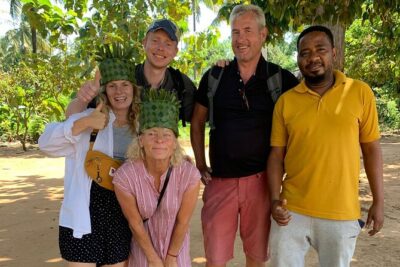
I love how the tour connects major landmarks, not just postcards, and how a local guide like Abdul (and sometimes Mundhir) points out the small architectural clues that most people miss. I also like that you can add time near the waterfront at Forodhani Gardens for night street food when the mood fits.
The main drawback is also the obvious one: it’s a lot of walking through narrow lanes, and the Slave Market stop is emotionally heavy, so go in with the right mindset and comfy shoes.
In This Review
- Key highlights to look for
- Stone Town’s narrow lanes are the real attraction
- Old Slave Market: history you’ll remember (and how to handle it)
- Anglican Cathedral and House of Wonders: seeing Zanzibar through buildings
- Old Fort and Sultan’s Palace Museum: power, governance, and culture
- Freddie Mercury’s House stop: pop culture in the middle of real history
- Darajani Market and the spice market angle: what you can learn without buying
- Forodhani Gardens at night: optional, but it can fix your whole evening
- Price and logistics: why $29 can feel fair
- What to wear, what to bring, and how to set yourself up
- Who this tour suits best
- Should you book this Stone Town culture tour?
- FAQ
- How long is the Stone Town guided walking tour?
- What’s included in the price?
- Where does pickup and drop-off happen?
- Is the tour in English?
- Is this tour wheelchair accessible?
- Should I plan to buy food during the tour?
- What should I bring, and what rules should I know?
Key highlights to look for

- UNESCO Stone Town walking route built around big, meaningful sites and the alley life between them
- Old Slave Market focus with context that helps the story land without getting lost in details
- Old Fort + Sultan’s Palace Museum stops that show how different cultures shaped the island
- House of Wonders visit plus door styles and city layout explained in plain language
- Freddie Mercury’s House area so music history fits naturally into the walk
- Market time near Darajani with a quick look at spices, crafts, and food options
Stone Town’s narrow lanes are the real attraction
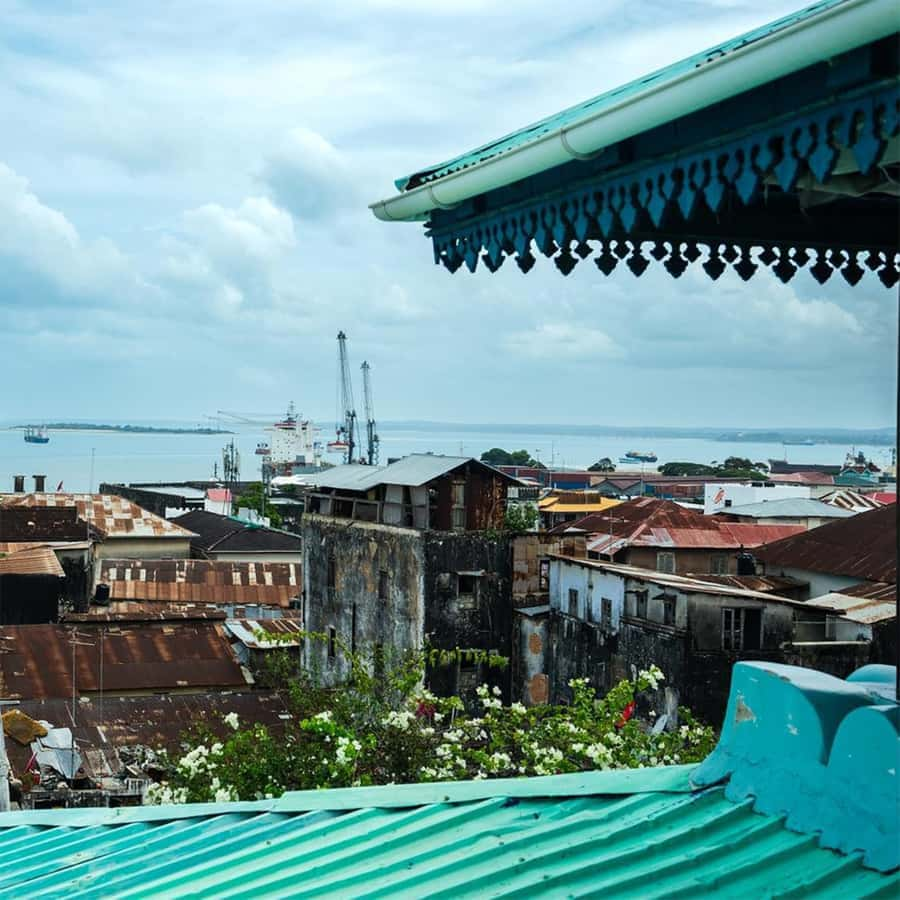
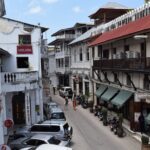
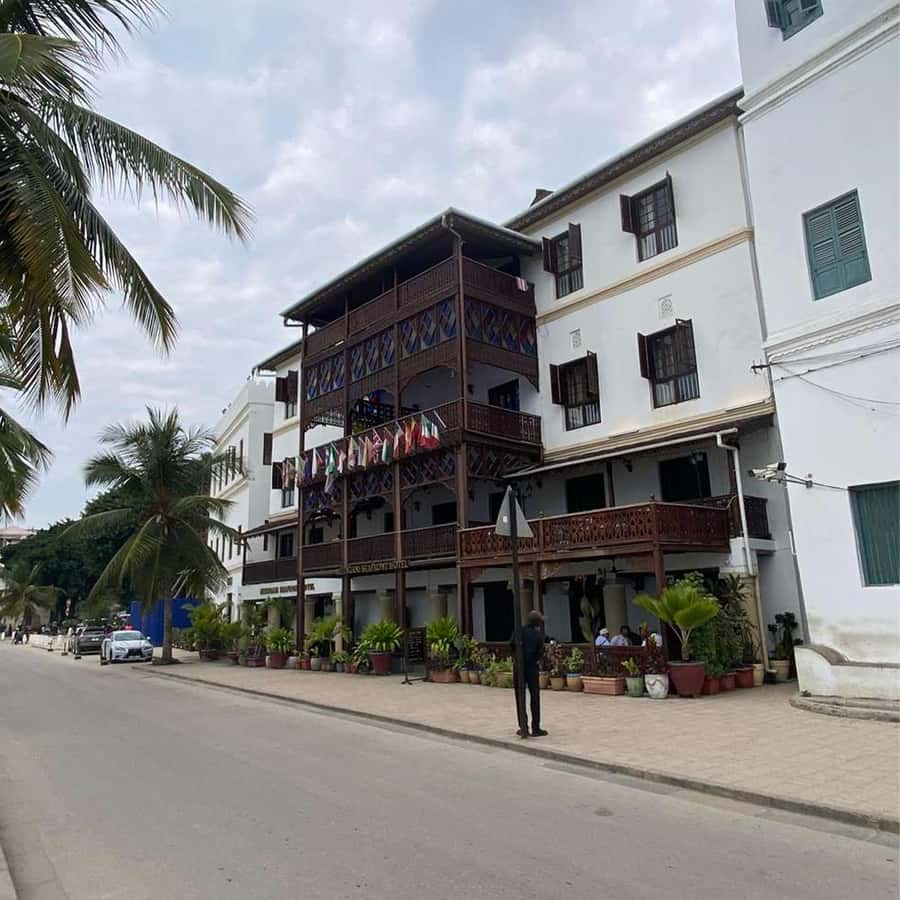
Stone Town works best on foot. The lanes twist, the buildings lean into each other, and the details are everywhere: carved doors, layered building styles, and small storefronts that disappear around corners. A guided walk turns that maze into something you can actually understand.
What I like most about this tour format is that it keeps you moving between “why this matters” stops. You’re not just checking boxes. You’re learning how Zanzibar’s history shows up in daily life: in architecture, in what people sell, and in how communities interact. And because you have a guide, you don’t need to guess what you’re looking at or worry about getting turned around.
You’ll also get hotel pickup and drop-off within Stone Town, which matters here. Stone Town is compact, but timing and navigation can still be annoying when you’re tired, jet-lagged, or carrying a camera and a couple of bags. This setup helps you start calmly and stay focused on the walk.
You can also read our reviews of more guided tours in Zanzibar City


Old Slave Market: history you’ll remember (and how to handle it)

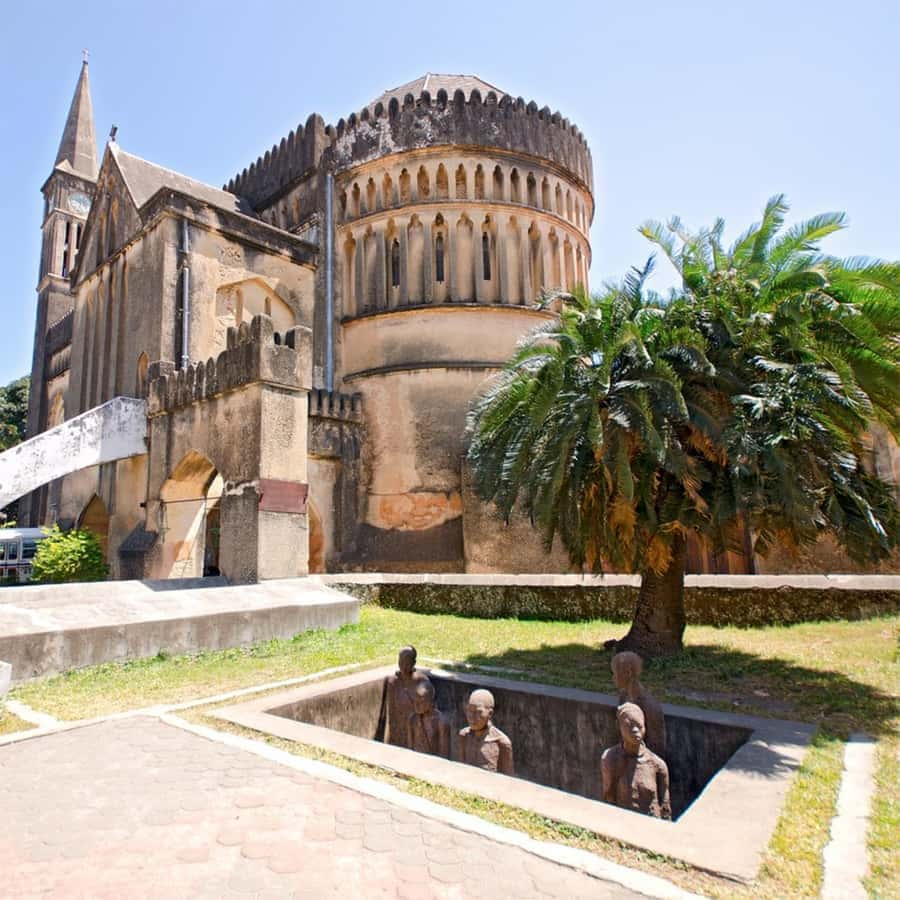
The tour begins at the Old Slave Market area, and that’s the emotional core of the experience. The slave trade story is tragic and complicated, and no one is going to soften it for you. The value of a local guide here is simple: they can explain the context clearly and help you interpret what you see without turning it into a blur of dates.
Here’s the practical part for your day:
- Bring a respectful, ready-to-listen mindset. If you’re sensitive to heavy topics, it helps to mentally brace for that before you show up.
- Take breaks if you need them. Stone Town doesn’t give you quiet “reset” spots every few minutes, so you’ll want to pause when the moment calls for it.
I also appreciate that this tour doesn’t jump past the hard stuff and rush you into shopping. It acknowledges the weight of the past, then moves on to other landmarks that show how Zanzibar’s multicultural present was built over time.
Anglican Cathedral and House of Wonders: seeing Zanzibar through buildings
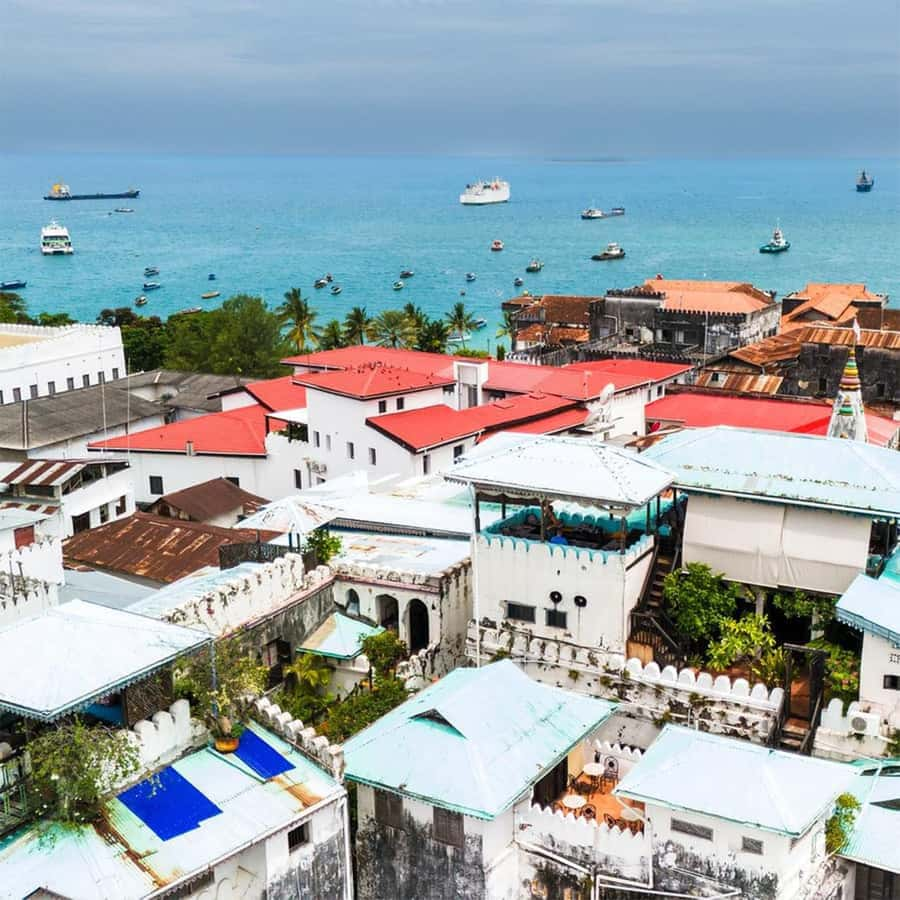
After the Slave Market, you’ll walk onward to key landmark areas like the Anglican Cathedral and the House of Wonders (often called Beit-el-Ajaib). This is where the tour shifts from tragedy toward layered identity—how different communities and eras shaped the island.
What you’ll gain here is a kind of “visual reading.” You’ll notice that Stone Town architecture isn’t one style. It’s a mix: Swahili influences, Arab and Islamic design elements, and European colonial-era touches that show up in how buildings were built, where they were placed, and what symbols they carried.
The guide’s role is especially helpful at the House of Wonders stop. Instead of you staring at walls wondering what you’re supposed to look for, you get pointed explanations—ways that the city’s history is built into the structures.
And if you like photography, this section of the walk is a goldmine. The cathedral area and the House of Wonders surroundings tend to offer strong angles for street-level shots, as long as you keep moving. Stone Town rewards quick, patient observation.
Old Fort and Sultan’s Palace Museum: power, governance, and culture
Next up are the Old Fort and the Sultan’s Palace Museum area. These stops help you understand Zanzibar not just as a trading port, but as a place where authority, wealth, and cultural exchange were concentrated.
The biggest value here is the way these sites connect to everyday Zanzibar life. Even if you’ve never studied Swahili, Arab history, or colonial administration, the tour helps you see the practical meaning behind it: who held power, what symbols they used, and how the city was organized around that.
Also, don’t underestimate the “walking in between” part. The route links these landmarks through the alley system, so the city feels like a whole instead of separate attractions.
If you’re the type who likes to learn by making comparisons—this building versus that one, this era versus that one—you’ll enjoy how the guide ties together the different cultural influences.
Freddie Mercury’s House stop: pop culture in the middle of real history
You’ll pass by Freddie Mercury’s House area. For many people, it’s the moment where the tour feels lighter without losing its context. It’s a familiar name dropped into a place with deeper roots.
The practical takeaway is that you shouldn’t treat this stop as the main event if your goal is history. It’s more like a recognizable waypoint. The tour’s strength is still the Stone Town story—trading, migration, architecture, and the mix of cultures that shaped the island.
If you’re a music fan, you’ll probably leave this section smiling. If you’re not, it still works because it keeps the walk varied and helps you pace the heavier content earlier.
You can also read our reviews of more shopping tours in Zanzibar City
Darajani Market and the spice market angle: what you can learn without buying
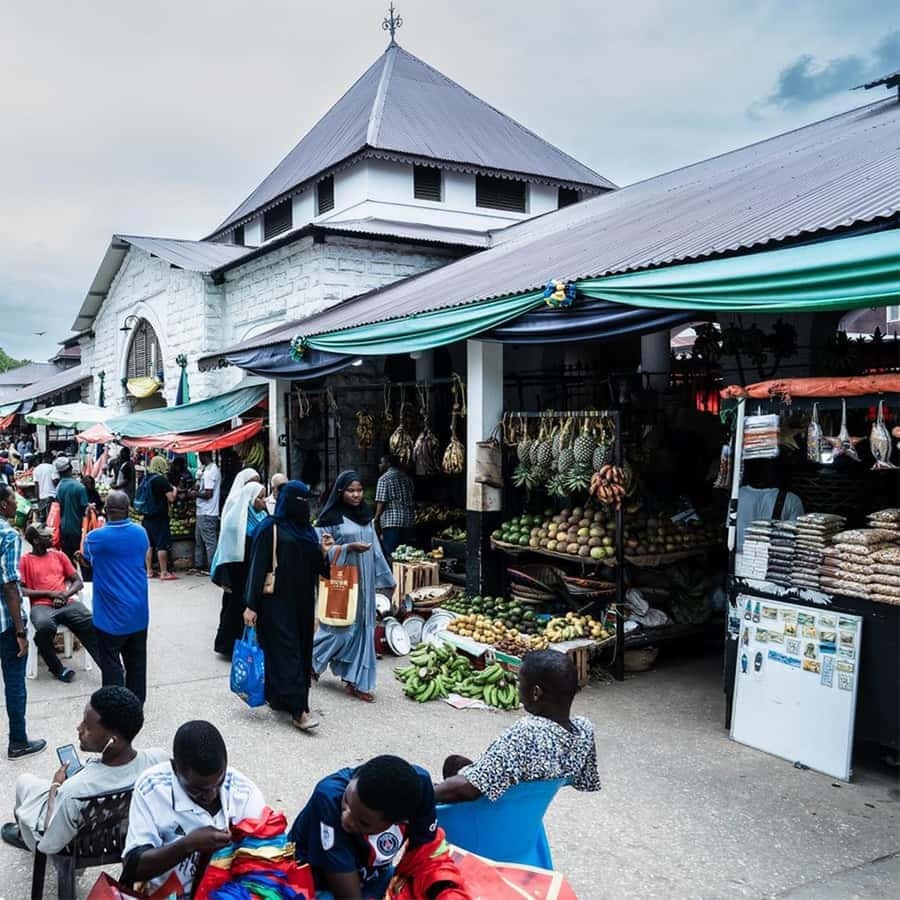
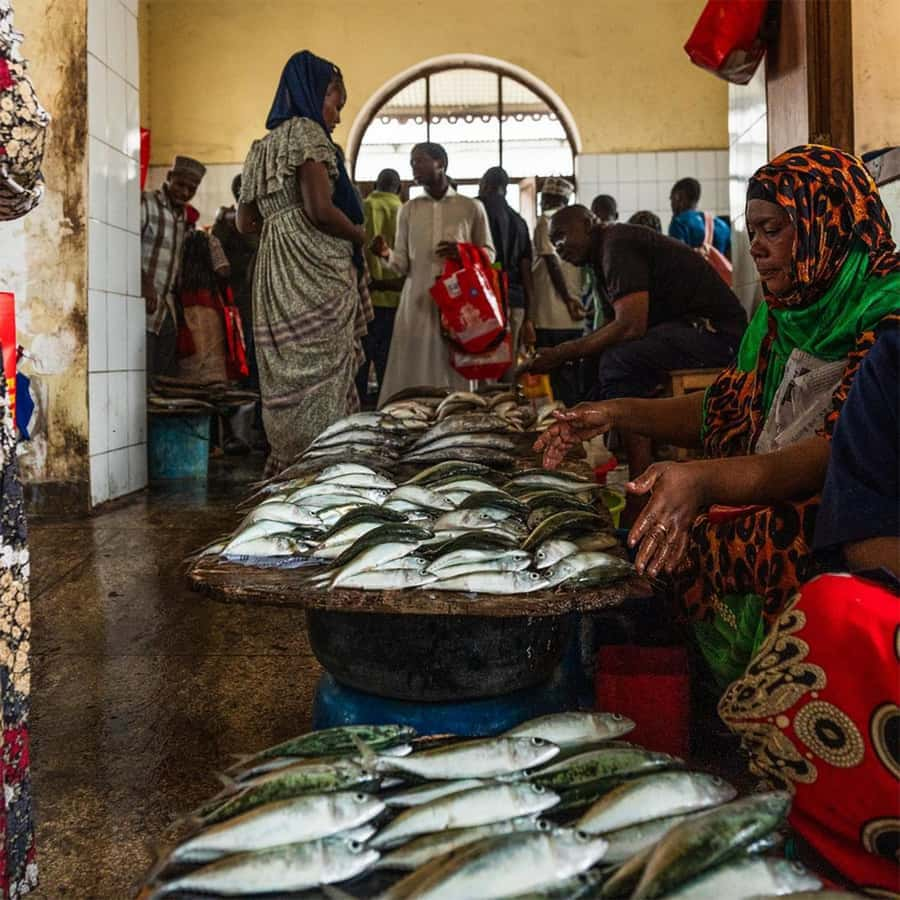
Later, you’ll head toward Darajani Market for a short market visit. You should expect a lively mix of stalls—food items, crafts, and everyday goods. The tour includes arts and crafts market visit plus a food market visit, and you get a brief window to experience the bustle.
This is also where “spice market” talk becomes real. Zanzibar is famous for spices, but the best way to understand that fame is to see how spices and food ingredients show up in normal buying and selling. Even during a quick stop, you can learn what people are using, how they package items, and how spice trade culture fits into daily life.
A helpful mindset here: don’t feel pressured to buy. Use this time to ask what things are used for and how locals think about ingredients. If you do buy, keep it small and easy to carry. You’ll likely be walking for hours after, and Stone Town stonework plus shop bags can turn into a “why did I do this” moment if you go overboard.
Forodhani Gardens at night: optional, but it can fix your whole evening
One of the smartest add-ons is finishing near Forodhani Gardens for street food or a sunset by the sea. The timing can make a big difference. Late afternoon and early evening tend to feel more social, and the waterfront energy is different from the alley sections.
This optional finish can be a great move if:
- You want a break from the museums and historical stops
- You like street food (and you’re okay keeping it simple)
- You want a natural end-point before you head back for dinner
In practice, this is also where your guide’s flexibility can matter. In the experience I drew from, Abdul accommodated a late start so someone could catch the evening food market. That’s the kind of detail that turns a standard tour into a day that actually fits your schedule.
Just remember: food isn’t included, so you’ll be deciding for yourself what to try.
Price and logistics: why $29 can feel fair
At about $29 per person for a 2–3 hour walking tour, this falls into the “good value if you want guidance” category. The reason isn’t just the duration. It’s the combination of:
- Local guide doing the heavy lifting on context
- Multiple high-impact stops packed into a walk
- Hotel pickup and drop-off within Stone Town
- Bottled water to keep you comfortable during the walk
If you were to self-tour, you’d still need to figure out routes, figure out what buildings mean, and spend time searching for the right places. Stone Town navigation can be frustrating, and you can lose momentum fast. A guide helps you avoid that “I’ll figure it out” spiral.
Also, because the tour is private group, the experience tends to feel calmer than a rushed group walk. You can ask questions, slow down when needed, and not feel like you’re constantly being pushed along.
What to wear, what to bring, and how to set yourself up
This tour is straightforward, but Stone Town needs a bit of respect.
Wear comfortable walking shoes. The streets are narrow and you’ll be on foot through alleyways. If you plan to take photos, you’ll want shoes that you trust for uneven surfaces and quick turns.
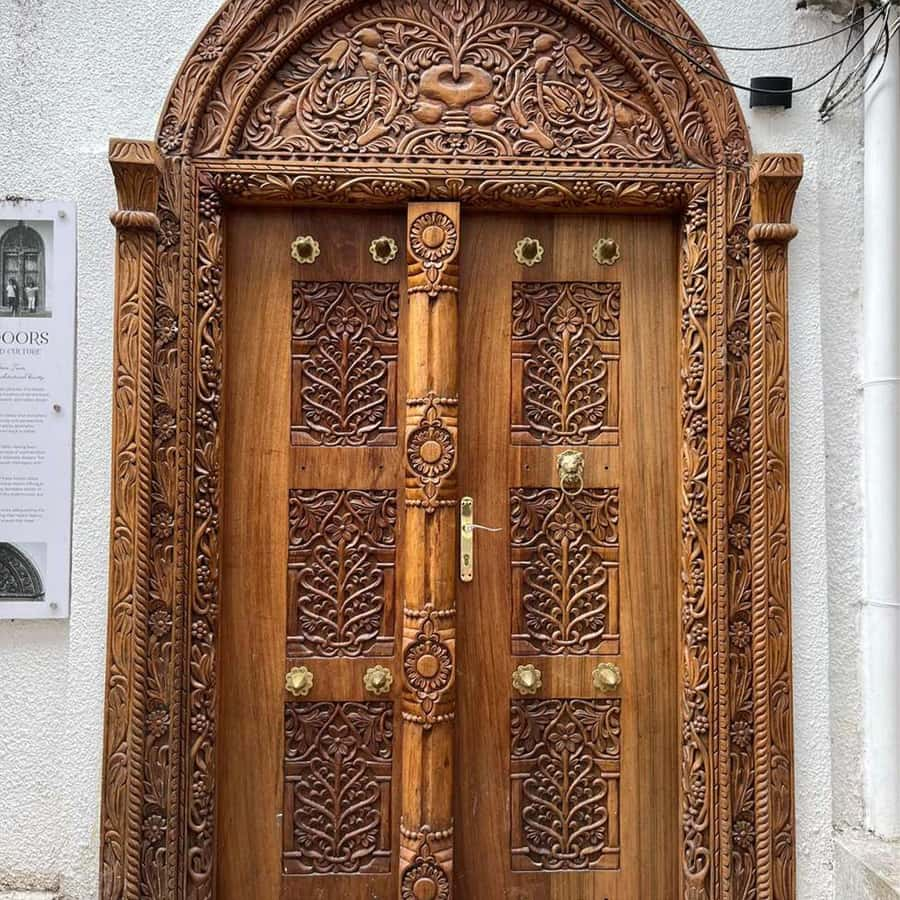
Bring a camera if you like street photography and architectural details. The tour visits areas where you’ll want to capture carved doors, courtyard-like views, and landmark exteriors.
Alcohol and drugs aren’t allowed on the tour, which is normal for a walking city experience focused on sites.
Who this tour suits best
This is a strong match if:
- You want an organized introduction to Stone Town with real context
- You enjoy history explained through places you can see
- You’re comfortable walking and don’t mind a couple of heavier moments
It also fits well for solo travelers. One of the practical reasons I’d recommend it is that a guide helps you move through confusing lanes and spot what matters. Plus, a good guide can help you feel more confident about where to go next afterward.
If you hate walking, this probably isn’t the best fit. You can still enjoy Stone Town, but this particular experience is built around being on foot.
Should you book this Stone Town culture tour?
If you have limited time in Stone Town—one day or only a half-day—this is the kind of tour that helps you get oriented fast. You’ll hit the big sites tied to the island’s identity: the Old Slave Market, Old Fort, Sultan’s Palace Museum, and House of Wonders, with a memorable mix of history and everyday city life.
I’d say book it if you want guidance, clear storytelling, and a practical way to experience more than one highlight without planning every turn yourself. Skip it only if you can’t handle the emotional weight of the Slave Market stop or if long walking through narrow streets is a deal-breaker for you.
FAQ
How long is the Stone Town guided walking tour?
It runs for about 2 to 3 hours.
What’s included in the price?
You get hotel pickup and drop-off in the Stone Town area, a tour guide, a walking tour, and bottled water.
Where does pickup and drop-off happen?
Pickup and drop-off are available in Stone Town. Pickup outside Stone Town isn’t included, and may require an extra fee if you request it.
Is the tour in English?
Yes, the live tour guide speaks English.
Is this tour wheelchair accessible?
Yes, the activity is listed as wheelchair accessible.
Should I plan to buy food during the tour?
Food and beverages aren’t included. If you choose the optional finish at Forodhani Gardens, you’ll pay for street food on your own.
What should I bring, and what rules should I know?
Bring comfortable walking shoes and a camera. Alcohol and drugs aren’t allowed.