REVIEW · ZANZIBAR CITY
Stone Town: Guided Walking Tour
Book on GetYourGuide →Operated by Zanzibar langentours · Bookable on GetYourGuide
Stone Town can feel like a maze until someone explains it. This guided walking tour threads the needle through UNESCO-listed streets and landmark stops, so you get the why behind the old buildings and the mix of cultures that made Zanzibar famous. You’ll walk among the limestone architecture, pass major churches, and learn how daily life, trade, and power shaped what you see today.
I especially like the way the route uses real landmarks to tell a story, from the Anglican Cathedral to the House of Wonders and on to the Palace Museum. The itinerary also leans into texture, not just monuments: you spend time around Darajani Market and at Hamamni Baths, where Stone Town feels like a living place rather than a postcard.
One thing to keep in mind: not every stop is guaranteed to be in full working order. Some sights may be closed or under renovation, and the quality of the guiding can vary—so it helps to pick a time and language option with confidence, and accept that Stone Town is a bit of a work-in-progress.
In This Review
- Key highlights that make this tour worth it
- Why a guided walk is the right way to see Stone Town
- Getting your bearings: Anglican Cathedral and the old-town spine
- House of Wonders and Palace Museum: architecture that explains the mix of cultures
- Old Fort, doors, and churches: how Stone Town shows identity
- Freddy Mercury House and the art of photo stops
- Darajani Market and Hamamni Baths: daily life in the same day
- Transfers, drop-offs, and why timing matters
- Price and value: what $40 buys you in Stone Town
- Language quality: English, German, French, Italian
- Who should book this tour, and who should skip it
- What to bring so the walk feels good, not exhausting
- A note about renovations and pacing
- Should you book Stone Town: Guided Walking Tour?
- FAQ
- How long is the Stone Town guided walking tour?
- Where does the tour start?
- What is the price per person?
- Which places will we visit?
- Is pickup included?
- What languages are available for the guide?
- Is food or drinks included?
- What should I bring?
- Is the tour suitable for wheelchair users or people with mobility impairments?
- What meeting time should I plan for?
Key highlights that make this tour worth it
- Stone Town UNESCO context: you’ll learn what the African, Arab, Indian, Persian, and European influences look like on the street
- House of Wonders + Palace Museum: history you can walk between, not a long bus ride
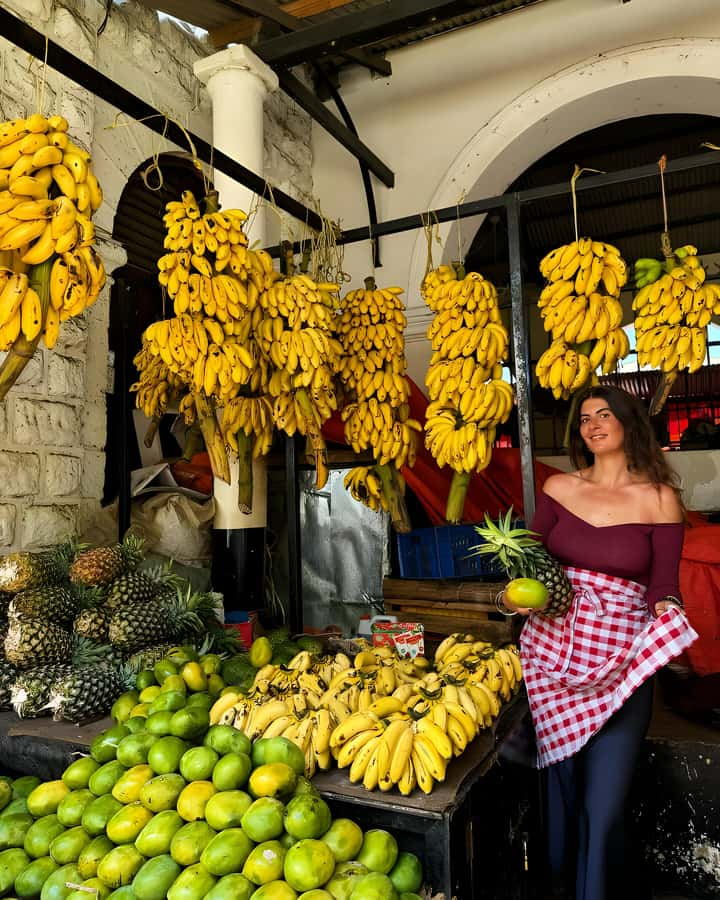
- Darajani Market street time: a hands-on feel for what locals buy and how the day moves
- Hamamni Baths stop: an easy way to see Zanzibar’s older bathing tradition
- Icons in walking range: Anglican and Catholic cathedrals plus the Freddy Mercury House
Why a guided walk is the right way to see Stone Town
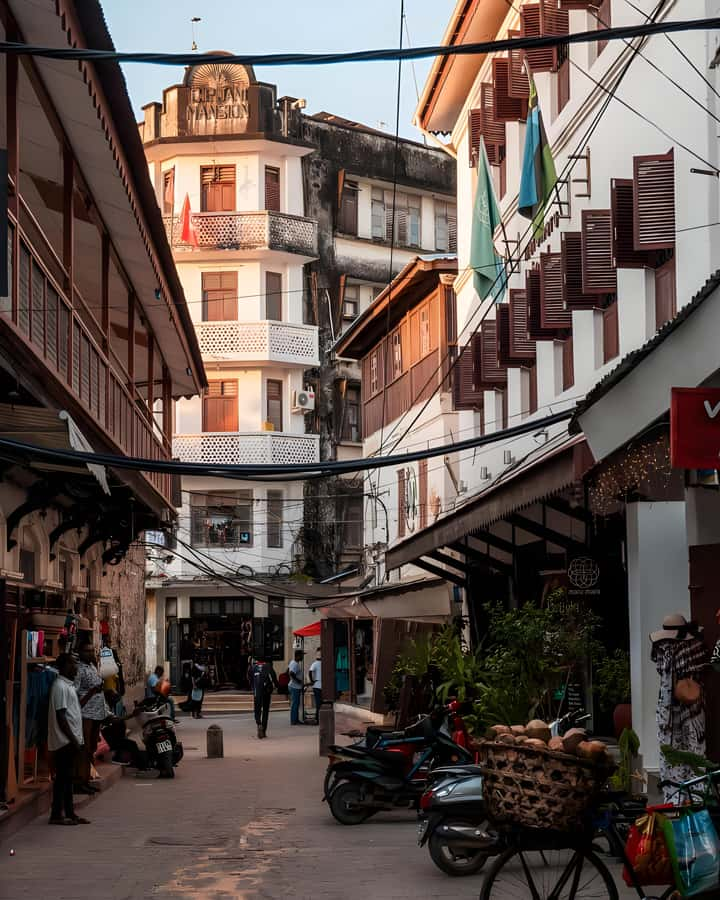
Stone Town is famous for narrow streets, tight corners, and buildings that all seem to connect—until you’re alone and wondering where to go next. A guided walk fixes that fast. You get a clear route, a timeline in plain language, and the meaning behind details you might otherwise ignore.
This tour is built for the way Stone Town works. You’re walking through areas where the architecture carries clues: the density of buildings, the heavy limestone walls, and the way different communities left marks on trade, religion, and daily life. You also get an official anchor point: Stone Town has over 2,000 limestone buildings spread across about 50 hectares, supporting a population of around 18,000. That scale is a big part of why the streets feel so packed and why guidance helps.
You can also read our reviews of more walking tours in Zanzibar City

Getting your bearings: Anglican Cathedral and the old-town spine
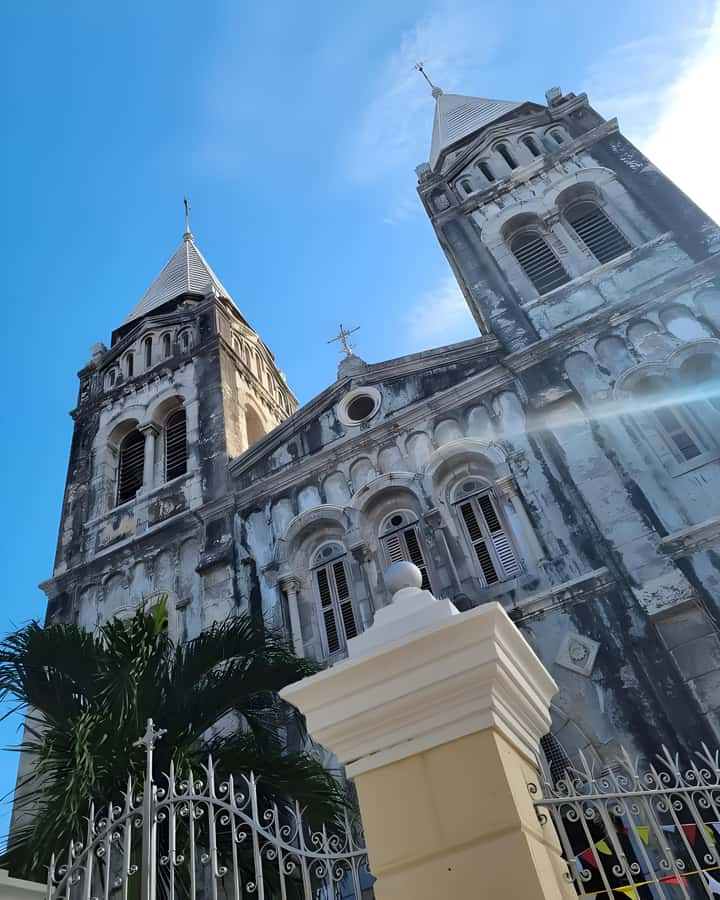
Your visit starts with key anchors that help you understand the town’s layout and past. The Anglican Cathedral is one of those spots that instantly gives your brain a reference point. Even if you’re not there for religious architecture, it’s useful for orientation: it helps you map where you are and how the older parts of town grew around major institutions.
From there, the walk moves into the layers that shaped Stone Town. You’ll also make time for the Old Fort, with a photo stop and guided info. Forts matter here because they reflect who held power and why Zanzibar mattered to regional routes. When you’re walking close to the structure, you can better feel the strategic logic than you can from far-away viewpoints.
If you like history that doesn’t feel like a lecture, this part helps. The tour uses big, recognizable sites early so the rest of the route lands with more meaning.
House of Wonders and Palace Museum: architecture that explains the mix of cultures
The House of Wonders is especially valuable because it’s both a landmark and a learning stop. It’s now the national museum, which means you’re not just looking at a building—you’re getting context for the era and the people connected to it. In Stone Town, a museum inside a historic structure is a big deal. It keeps the story tied to the walls instead of floating off into generic facts.
Then there’s the Palace Museum, which continues that approach. In a place like this, palace rooms and museum displays help you understand the “why” behind design choices and the social systems that created them. The tour’s bigger theme is the city’s cultural blend—African, Arab, Indian, Persian, and European influences—and these two stops translate that blend into something tangible.
You’ll also hear about important historical transitions, including the mention of the former slave market in the broader route. Even when you’re walking quickly, those references give you a clearer picture of what trade and forced labor meant for Zanzibar’s physical and cultural development.
Old Fort, doors, and churches: how Stone Town shows identity
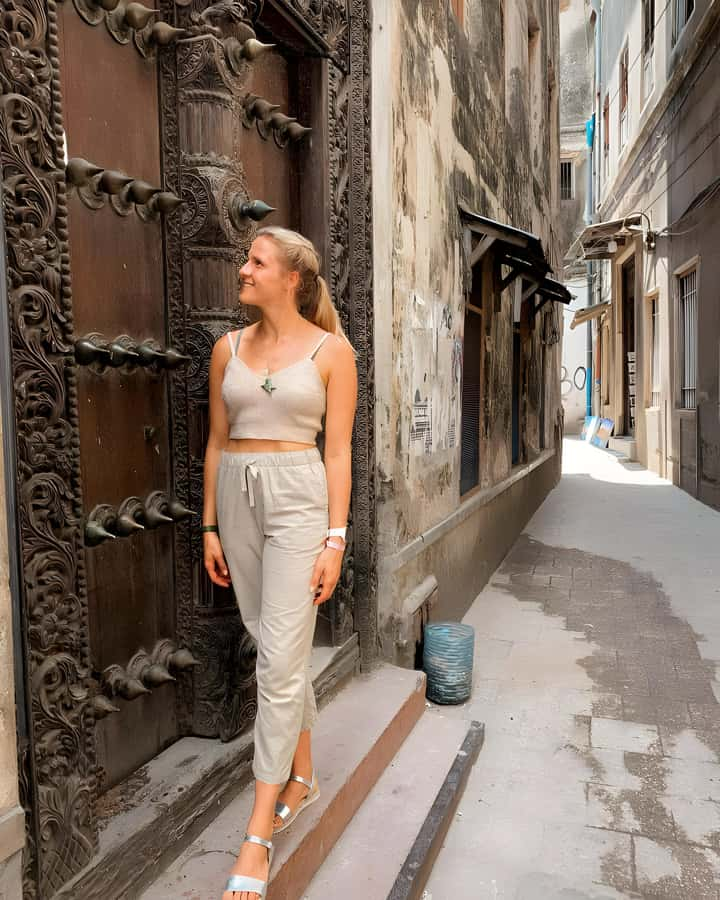
Stone Town’s famous for doors, and this tour leans into that. You’ll look at colorful Zanzibar doors, where craftsmanship and style carry identity. It’s easy to treat doorways like scenery, but up close they’re evidence of prosperity, family lineage, and cultural influence. If you’re the type who likes details, this is one of the best parts.
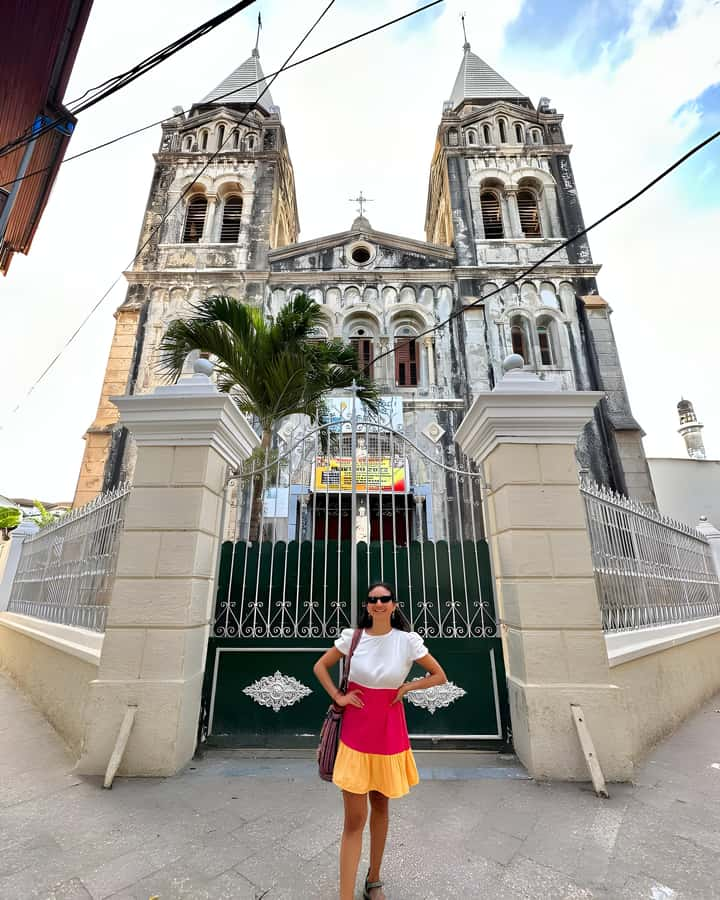
You’ll also visit the Catholic Cathedral after the earlier Anglican stop. Seeing both in one walking sequence helps you compare how different religions took root and how those communities shaped the town’s institutions over time.
This section has an added bonus if you enjoy variety: the walk is not only about “old stones.” You also get modern pop-culture touchpoints—like the Freddy Mercury House—that can make the history feel more personal, especially if you already know his music.
Freddy Mercury House and the art of photo stops
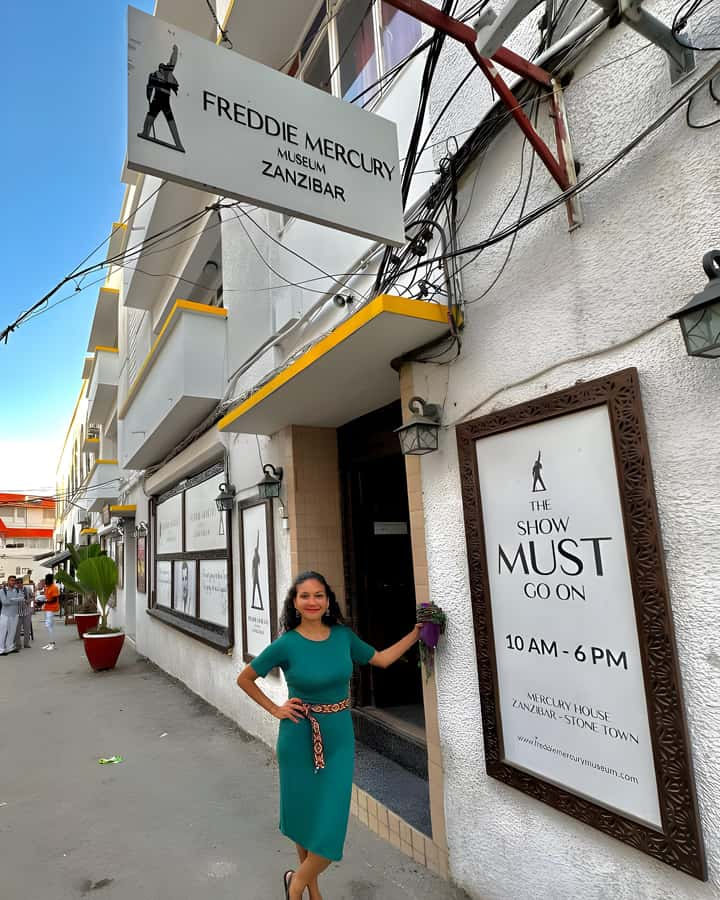
The Freddy Mercury House stop works best if you treat it as a quick context break, not the whole point. You’ll have a photo stop and guided time, and that’s useful because it gives you the right background to connect the site to the broader story of Zanzibar.
If you’re traveling with someone who likes music as much as history, this part usually goes over well. It’s also a good moment to slow down briefly, check your camera, and let your brain rest before you move into more crowded market streets.
You can also read our reviews of more guided tours in Zanzibar City



Darajani Market and Hamamni Baths: daily life in the same day

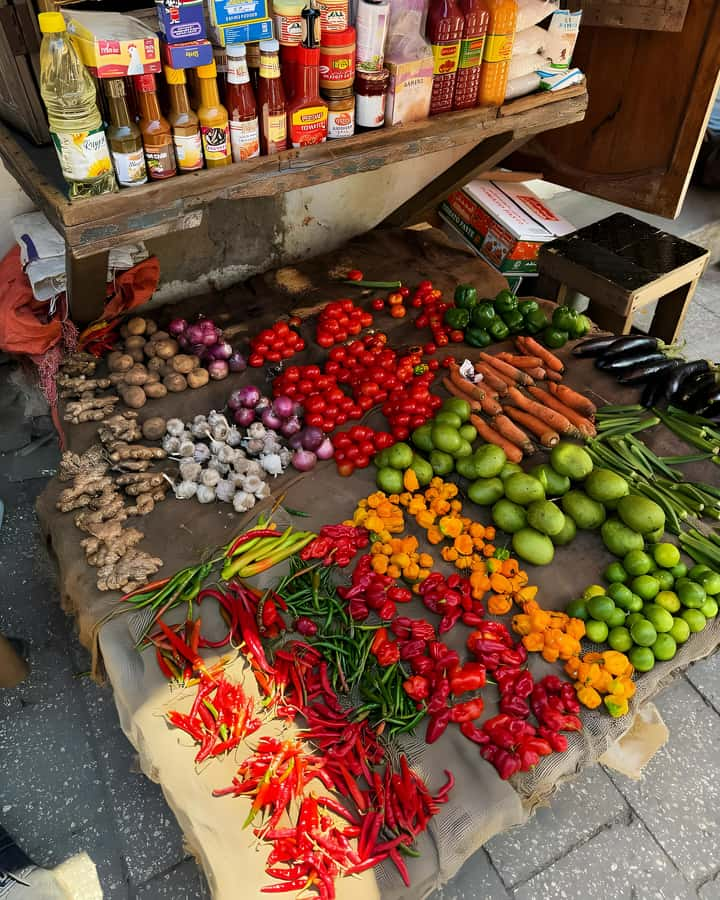
The tour’s most practical realism comes from the stops that feel like everyday Zanzibar. Darajani Market is where you see locals shopping for daily needs and where the street scene turns into color—especially around textiles and stalls.
A market stop can go two ways on tours: either it becomes rushed sightseeing or it turns into a useful window into how people live. This route gives you guided time plus walking and shopping browsing, which is ideal if you like to look, ask questions, and get your bearings before you bargain. You also get a simple benefit: after market streets, the landmarks you visited earlier feel less abstract.
Then comes Hamamni Baths, a very different vibe. You’re shifting from commerce to a tradition connected to daily routines and community life. Even if you don’t spend long there, it’s a memorable contrast that keeps the tour from being only about big buildings.
Transfers, drop-offs, and why timing matters

The tour is structured around a hotel pickup in Stone Town, then a bit of transport in a van before and after your walking block. The walk portion is roughly 3 hours, and the total experience runs 2 to 5 hours depending on the selected start time and how your group moves.
That matters because Stone Town walking is not just “steps.” It’s heat, narrow sidewalks, occasional crowding, and frequent turns. A timed walking window keeps you from burning out before the best sights. Also, the van transfers at the beginning and end make it easier for people staying outside the core sights.
You’ll also get drop-off access across many areas on the island—places like Paje, Jambiani, Nungwi, Kendwa, Kiwengwa, Pongwe, Matemwe, and others are listed as options. If you’re mixing this with beach time, that drop-off network can be a real convenience, since you’re not stuck figuring out the last mile yourself.
Price and value: what $40 buys you in Stone Town
At $40 per person for a guided walk that lasts a few hours, the value comes from what’s included. You’re not just paying for someone to point at buildings. The tour includes visits to multiple anchor sites and experiences: the Anglican Cathedral, the House of Wonders, the Palace Museum, the Old Fort, time at Darajani Market, Hamamni Baths, the Catholic Cathedral, the Freddy Mercury House, and even time focusing on Zanzibar doors.
Add in a professional guide and hotel pickup within Stone Town, and you’re essentially buying structure plus access. In a maze city like this, structure is worth real money. The difference between wandering and following a route is how much you actually learn and how much you enjoy.
Meals and drinks are not included, so budget for water and a snack if you expect to get hungry. Also, this tour starts in Stone Town, so if you’re staying elsewhere on Zanzibar, you’ll want to plan for the included transport route (or confirm how it fits your day).
Language quality: English, German, French, Italian
The guide language options include English, German, French, and Italian. This matters because Stone Town history is layered, and you’ll likely want the explanations, not just the photos.
One practical tip: if you’re selecting a German-speaking guide, it can be worth double-checking the guide’s comfort level with clear explanations in that language. I’ve seen how helpful a dedicated guide named Samuel can be when explanations are easy to follow. If your language choice is important to you, don’t treat it like a checkbox—treat it like part of the quality.
Who should book this tour, and who should skip it
This tour is a strong fit if you want:
- A guided Stone Town experience without the stress of mapping your own route
- Time spent in both landmark areas and more local-feeling spots like markets and baths
- A mix of architecture, religion, and culture rather than only one theme
You should skip or reconsider if mobility is an issue. It’s not suitable for people with mobility impairments or wheelchair users, since it’s a walking route through tight streets and older areas.
If you’re traveling with kids, it can still work, but only if they handle walking and don’t mind short stops. The tour is mostly structured around site visits and street walking, so keep expectations realistic.
What to bring so the walk feels good, not exhausting
Stone Town can be hot and sun-heavy, even when your walking time is only a few hours. Bring:
- Comfortable shoes (non-negotiable for uneven stone streets)
- A camera (doors, cathedrals, and market scenes are photo gold)
- Sunscreen
- Water
If you’re prone to getting overheated, bring extra water beyond the minimum. Also, wear something breathable. You’ll be glad you did when the shade ends and the streets open up.
A note about renovations and pacing
Stone Town changes. You might find that certain sights are temporarily closed or under renovation, which can affect what you see inside versus what you view outside. The best mindset is flexible: focus on the street story even if a specific door is shut.
Pacing is another factor. Some people move fast, others want more time to ask questions or linger on doors and details. This tour moves through multiple stops, so it’s worth choosing it when you want a solid overview rather than a slow crawl.
Should you book Stone Town: Guided Walking Tour?
If you have limited time in Zanzibar and you want a Stone Town walking route with real context, this is an easy yes. The combination of major landmarks, museum stops, market time, and culture-focused walking gives you a lot of return for a few hours.
Book it if you:
- Want a guided route so you don’t get lost in tight streets
- Like learning the “why” behind architecture and cultural mix
- Plan to shop lightly and take photos without rushing
Consider skipping or choosing a different option if:
- You need full certainty that every attraction will be open
- You’re sensitive to delayed starts or uneven guiding in your chosen language
- You want a slow, unstructured walk with lots of free time
FAQ
How long is the Stone Town guided walking tour?
The duration is listed as 2 to 5 hours, with about 3 hours allocated to the Stone Town visit and walking.
Where does the tour start?
The tour starts in Stone Town. Pickup is optional from Stone Town hotels, if you request it in advance.
What is the price per person?
The price is $40 per person.
Which places will we visit?
You’ll visit the Anglican Cathedral, the House of Wonders (national museum), the Palace Museum, the Old Fort, Darajani Market, Hamamni Baths, the Catholic Cathedral, the Freddy Mercury House, and you’ll also see beautiful Zanzibar doors.
Is pickup included?
Pickup from Stone Town hotels is included, but you need to request it and send a message in advance. The driver meets you at the hotel reception.
What languages are available for the guide?
The live tour guide is available in English, German, French, and Italian.
Is food or drinks included?
No. Meals and drinks are not included.
What should I bring?
Bring comfortable shoes, a camera, sunscreen, and water.
Is the tour suitable for wheelchair users or people with mobility impairments?
No. It is not suitable for people with mobility impairments or wheelchair users.
What meeting time should I plan for?
You should be ready at the hotel reception at least 5 minutes before the scheduled departure time.
If you tell me your travel dates and what language you prefer, I can help you decide whether this route fits your schedule and what to prioritize on the day.