REVIEW · ZANZIBAR CITY
A private half day spice farm with a cooking lesson
Book on Viator →Operated by Phenomenon Tours and Safari · Bookable on Viator
Spices grow where you can actually touch them. This half-day Zanzibar spice farm takes you north to see crops like vanilla and cardamom where they grow, then wraps it up with a cooking lesson.
I like that the day has two clear parts: a guided walk through the plantations, and then a practical class in a local home where you help make traditional food and taste it. The private feel also matters, and in past outings guides such as Machano and Mussa have explained the spices and fruit in a way that’s easy to follow.
One drawback to plan around: the experience depends on good weather, so if conditions are poor, you’ll be offered another date or a full refund.
In This Review
- Key highlights from this Zanzibar spice farm + cooking lesson
- Why a North Zanzibar spice farm cooking lesson is a great half-day plan
- Price and what you actually get for $90 per person
- Hotel pickup and the drive north: how the day starts
- The spice farm walk: vanilla, cardamom, nutmeg, and fruit in real gardens
- The farm-to-kitchen transition: why it matters for learning
- What you might cook: Zanzibar staples like coconut rice, pilau, and roasted plantains
- Eating what you made: portion expectations and the vibe of the meal
- Your guide can make or break the day (Machano and Mussa are a strong sign)
- Who this Zanzibar spice farm tour is best for
- Who might want to think twice
- Simple logistics that make the day smoother
- Should you book this Zanzibar spice farm cooking lesson?
- FAQ
- What time does the Zanzibar spice farm and cooking lesson start?
- Is hotel pickup and drop-off included?
- Is this a private tour?
- What spices and dishes are included in the experience?
- What’s included in the price?
- What isn’t included?
Key highlights from this Zanzibar spice farm + cooking lesson

- Real Zanzibar spice plants you can see on the ground (including vanilla, cardamom, and nutmeg)
- Farm-to-kitchen cooking class tied to what you just learned during the walk
- Hands-on food you eat, not just a demo
- Tropical fruit and spice tastings during the experience
- Guides like Machano and Mussa who explain uses of spices, including how they’re used as medicine
- Hotel door-to-door private transport for a half-day outing
Why a North Zanzibar spice farm cooking lesson is a great half-day plan
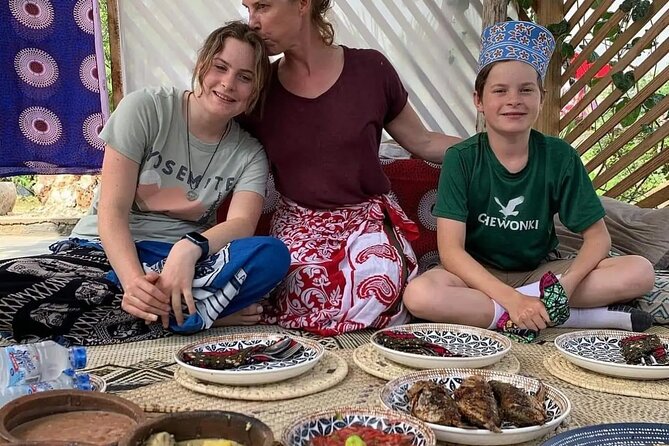
If you’re short on time but you still want something that feels authentically Zanzibar, this is a smart fit. You’re not just looking at spices in a shop display. You’re walking through them where they grow, then cooking with the flavors you learned about.
The timing also helps. You start in the morning after breakfast, leaving around 10:00am, and you’re back at your hotel within about 4 hours 30 minutes. That’s ideal if you want an experience without losing your whole day to logistics.
Finally, the concept is simple and effective: Zanzibar is known as the Spice Island, and this tour builds that story with plants first and cooking second. By the time you reach the kitchen, the spices stop being abstract.
You can also read our reviews of more private tours in Zanzibar City
Price and what you actually get for $90 per person
At $90 per person, this isn’t the cheapest way to do Zanzibar’s spice theme. But it includes a lot of what usually costs extra when you book piecemeal: private transportation, all fees and taxes, and the core activity of the spice farm walk plus a cooking lesson.
For many people, the value shows up in the comfort and flow. Hotel pickup and drop-off means you’re not trying to coordinate rides on a tight schedule. You also have a private group experience, so you can ask questions without waiting your turn.
One small consideration: alcoholic beverages aren’t included. If you like a drink with your meal, plan on skipping it here or budgeting for it separately.
Hotel pickup and the drive north: how the day starts
This tour begins and ends at your hotel, which is a big deal for a half day. You meet up with the team after breakfast and head out toward North Zanzibar. The experience is designed around that morning rhythm, so you get a full adventure window without feeling rushed late at night.
You’ll be in private transportation, which keeps things calm and straightforward. It also helps if your group has people who get tired easily—your schedule stays compact, and you’re not stopping for lots of other pickups.
Practical tip: wear comfortable shoes. The farm part is a walking experience, and you’ll want to move freely while your guide points out the different plants.
The spice farm walk: vanilla, cardamom, nutmeg, and fruit in real gardens
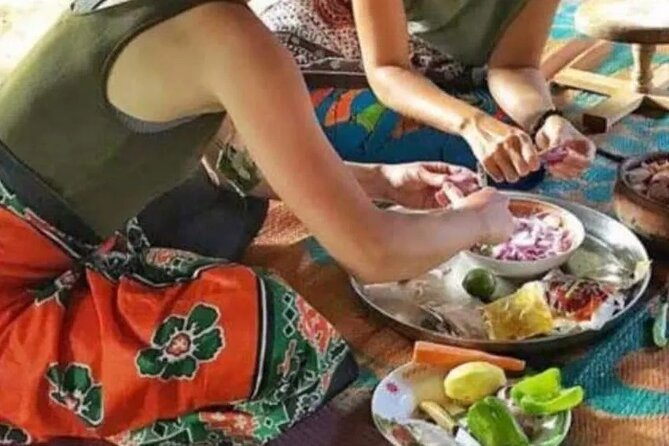
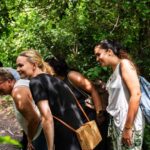
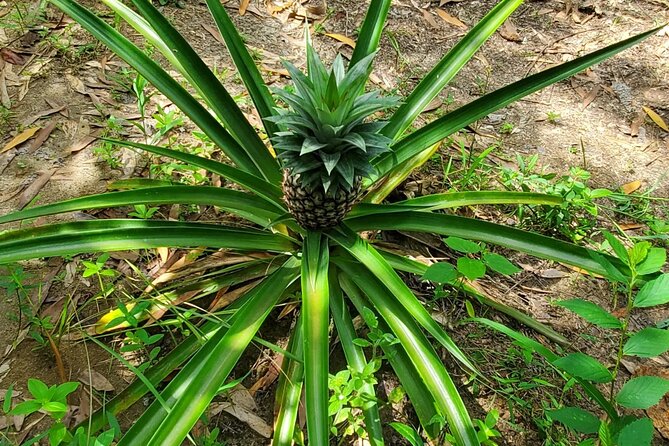
The heart of the morning is the guided walk through the plantations. This is where you see Zanzibar’s spice reputation in a literal way. You’ll look at plants right where they grow—vanilla, cardamom, and nutmeg are specifically mentioned—plus other tropical species and fruit.
What I like most here is the way the tour connects the spice to the plant. It’s one thing to taste a spice in food later. It’s another to see how it grows, what it looks like, and how it fits into the farm ecosystem.
You also get to interact with the experience through tastings. In the feedback, people highlighted tasting fresh fruits from the farm, and that small moment often makes the learning stick. Spices are strong. Fruit is bright. Together, they give your senses a full Zanzibar workout.
A neat detail from past guests: guides didn’t limit themselves to flavor. They also explained how certain spices are used as medicine. That turns the tour into more than a culinary stop. It becomes a practical look at why people have valued these plants for generations.
The farm-to-kitchen transition: why it matters for learning
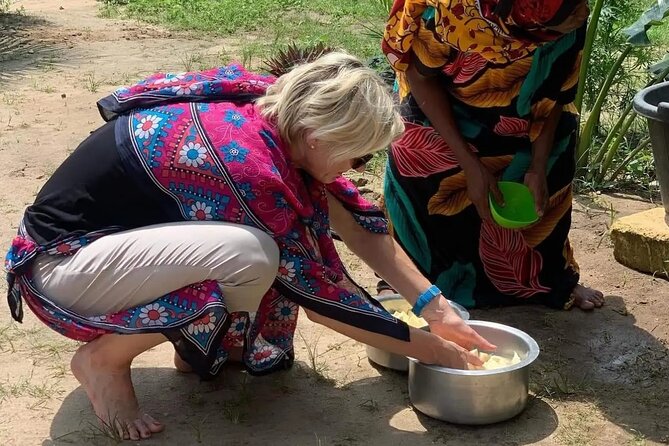
A lot of tours show you spices and then cut away to a generic meal. Here, the sequence is part of the value. After the farm walk, you go to a local house for the cooking lesson. That means the kitchen is not a random separate act—it’s the payoff to what you just studied outdoors.
I also like that you’re not just watching. The setup is described as a cooking lesson where you learn how to prepare a traditional Zanzibar dish. And then you get to enjoy what you make. That’s the difference between memorizing information and actually understanding how flavors combine.
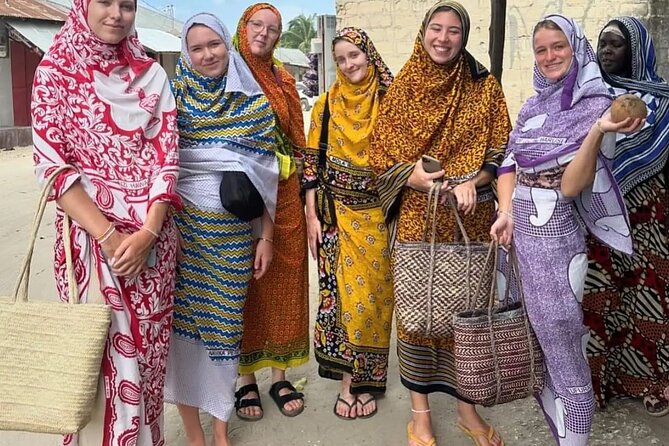
There’s also a cultural element to this part. People specifically called out the local house setting and the feeling of learning in a real home environment, not a staged restaurant-style class.





What you might cook: Zanzibar staples like coconut rice, pilau, and roasted plantains
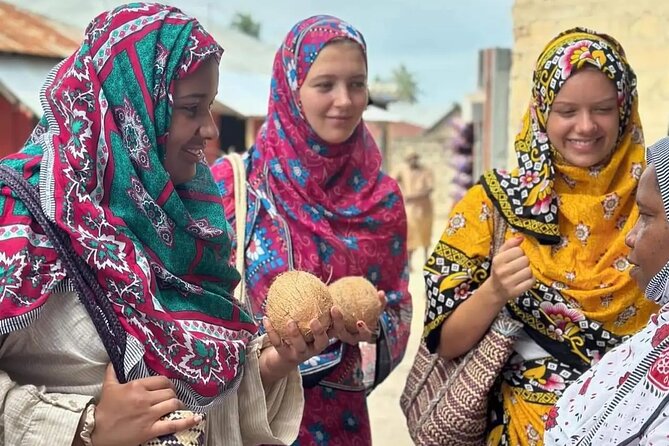
The tour includes a cooking lesson focused on traditional Zanzibar dishes. The exact menu can vary, but the experience description highlights options such as:
- plain rice roasted with coconut milk
- pilau (spiced rice)
- roasted plantains
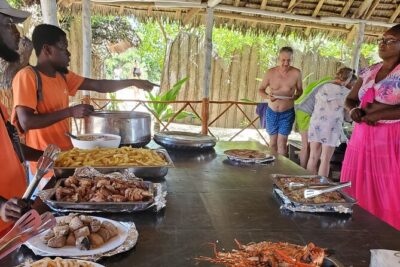
You can expect the class to be hands-on and structured enough to make you feel like you understand the steps, not just the ingredients. Since you’ll also be able to eat the foods, you get immediate feedback on how the spice blend tastes in real life.
This is where the farm learning becomes practical. When you’ve just seen cardamom or nutmeg growing, it’s easier to connect the scent to the final flavor. It also helps you remember what you liked. For example, one guest called out vanilla as a favorite spice after the guide explained it clearly.
Eating what you made: portion expectations and the vibe of the meal
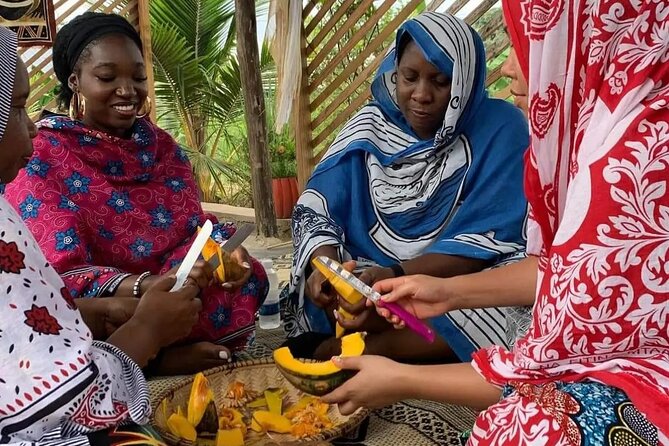
One of the simplest pleasures here is that the lesson ends with you eating the food. You’ll enjoy the dishes during the experience, and that makes the cooking class feel like a full activity rather than a short stopover.
The experience description is clear that you can eat the foods you help prepare, and the reviews back that up with repeated mentions of good food and Swahili-style meals. If you’re the kind of traveler who likes a hands-on meal rather than hunting for dinner plans later, this is a real win.
What’s not included: alcoholic beverages. So if your ideal meal includes a drink, plan to handle that separately.
Your guide can make or break the day (Machano and Mussa are a strong sign)
This tour leans heavily on the guide for the best results. The spice farm part works best when someone can explain what you’re seeing in plain language and tie it to cooking.
Names show up in the feedback, and they’re consistently linked to excellent explanations and friendly service. Machano is specifically praised for having perfect language so the group understood the information, and he was described as very interested and proud of what he does. Mussa and Messa are also mentioned positively for service and for explaining things in a way that made guests feel they learned a lot—especially about how spices can be used beyond cooking.
So here’s my practical take: if your guide is talkative and patient, you’ll get more than a walk—you’ll get real context. And based on the overall satisfaction shown in the feedback, that’s often the case here.
Who this Zanzibar spice farm tour is best for
This is a strong match if you want:
- a morning activity that doesn’t drain your entire day
- a private experience with hotel pickup and drop-off
- a cooking lesson that includes what you eat afterward
- a chance to see core spices like vanilla, cardamom, and nutmeg on a working farm
It’s also great for couples, since private tours usually feel easier to manage and more personal. One review mentioned a husband-and-wife visit with beyond-expectation service, which fits the overall private setup.
If you’re traveling with kids, the “most travelers can participate” note is encouraging. Still, keep expectations realistic: you’re doing a farm walk plus a cooking lesson, so younger kids may need patience during the walking parts.
Who might want to think twice
This tour is geared toward people who genuinely want to learn and cook. If you’re just chasing a quick photo stop, you may find the learning-focused pace slower than you want.
Also, because it’s weather-dependent, you should be flexible. If your trip is tightly scheduled with no flexibility at all, any weather delay could mess with your plans. The good news is you should be offered a different date or a refund if the experience can’t run due to poor conditions.
Finally, if you dislike cooking lessons or hands-on food preparation, you might prefer a simpler spice market or tasting-only option instead.
Simple logistics that make the day smoother
A few practical details help you get more out of the experience:
- Wear comfortable shoes for the farm walk.
- Plan to go hungry enough for the cooking and meal. You’ll get to eat what you prepare.
- Bring a small mindset of curiosity. The tour is built around explanation, tasting, and hands-on practice.
- Alcohol isn’t included, so treat the meal as food-focused rather than drink-focused.
And because your pickup and drop-off are at the hotel, you don’t have to solve transport puzzles mid-vacation. That alone can save mental energy for other Zanzibar plans.
Should you book this Zanzibar spice farm cooking lesson?
I’d book it if you want a half-day Zanzibar experience that’s both hands-on and rooted in how spices are grown. The combination of a guided spice farm walk plus a cooking lesson where you eat what you make is the core reason it works. You’re not left with just memories of smells—you leave with understanding you can taste.
It’s also a good value choice if you compare what’s included: private transportation, fees and taxes, bottled water, and the actual lesson. At $90 per person, it makes sense when you factor in the door-to-door setup and the fact you’re getting two linked experiences in one morning.
Skip it only if you want a purely passive activity or you can’t handle weather-based changes. If you can be flexible and you like real food experiences, this one is a dependable Zanzibar bet.
FAQ
What time does the Zanzibar spice farm and cooking lesson start?
The tour starts after breakfast at around 10:00am. The total duration is about 4 hours 30 minutes.
Is hotel pickup and drop-off included?
Yes. The activity begins and ends at your hotel.
Is this a private tour?
Yes. It’s a private tour/activity, and only your group participates.
What spices and dishes are included in the experience?
You’ll see spices growing such as vanilla, cardamom, and nutmeg. The cooking lesson may include dishes like rice roasted with coconut milk, pilau (spiced rice), and roasted plantains.
What’s included in the price?
The tour includes bottled water, a spoon of cooking, all fees and taxes, and private transportation.
What isn’t included?
Alcoholic beverages are not included, and bicycle use is not included.