REVIEW · ZANZIBAR CITY
Zanzibar: Walking Spice Tours with Guide
Book on GetYourGuide →Operated by Riser Tours and Safaris Zanzibar limited · Bookable on GetYourGuide
Spice farms make your nose do the sightseeing. On this Zanzibar spice walking tour at Tangawizi Shamba, I love the hands-on way you smell and taste herbs and tropical fruits, and I also like how you walk the gardens with a guide who explains what grows where. One thing to keep in mind: the tour can feel sales-leaning at the end, and the spice stall is cash-only—so plan a little spending money.
You’ll get picked up in Stone Town and brought out to the farm, usually giving you enough time to enjoy the walk without feeling rushed. The tour is practical and family-friendly for most people, but it is not for everyone—if you have back issues or limited mobility, you’ll want to think twice because it involves walking around the shamba.
In This Review
- Key things that make this spice tour worth your time
- From Stone Town to Tangawizi: the 3-hour rhythm that works
- Walking the shamba: what the guide actually helps you notice
- Smell-and-taste time: clove, lemongrass, nutmeg, and the rest
- The fruit side of spice: why it’s not just spices
- Organic farm setting: what the tour promises and what you should watch for
- Ending at the spice stall: cash-only and how to handle it
- Price and value: is $35 for 3 hours a fair deal?
- Who this Zanzibar spice tour fits best
- Practical tips so you enjoy every minute
- Should you book this Zanzibar walking spice tour?
- FAQ
- How long is the Zanzibar walking spice tour?
- Where does the tour start?
- Is hotel pickup and drop-off included?
- How much does it cost?
- What’s included in the price?
- Are food and drinks included?
- What spices and fruits will I encounter?
- Is there a place to buy spices at the end?
- What languages are available for the guide?
- What should I bring?
- Is cancellation free?
Key things that make this spice tour worth your time
- Smell-and-taste stops instead of just watching from a distance
- Tangawizi Spice Farm shamba walk with guided explanation of plants and cultivation
- A long list of spices and fruits you can name, sample, and connect to what you see
- Organic farm focus with a variety of plants grown across the year
- Ends at a spice stall where packaged spices are sold (cash only)
- Hotel pickup in Stone Town plus an on-the-ground guide in multiple languages
From Stone Town to Tangawizi: the 3-hour rhythm that works
This tour is designed as a half-day reset. It starts with pickup in Stone Town (from hotels anywhere in the area) and then you head out to the Tangawizi Spice Farm for the walking portion.
The total time is about 3 hours, and that includes transfers plus the farm visit. In real life, the drive can add some slack depending on where you’re staying, so I’d plan your morning or afternoon with the expectation that you’ll be out and back within that window rather than treating it like a 90-minute quick stop.
You’re not just dropped off and left to wander. The experience includes a tour guide and the entrance fee, which matters because the farm walk is the point. You also don’t have to worry about navigating the basics—your pickup and return are part of the package.
You can also read our reviews of more walking tours in Zanzibar City



Walking the shamba: what the guide actually helps you notice
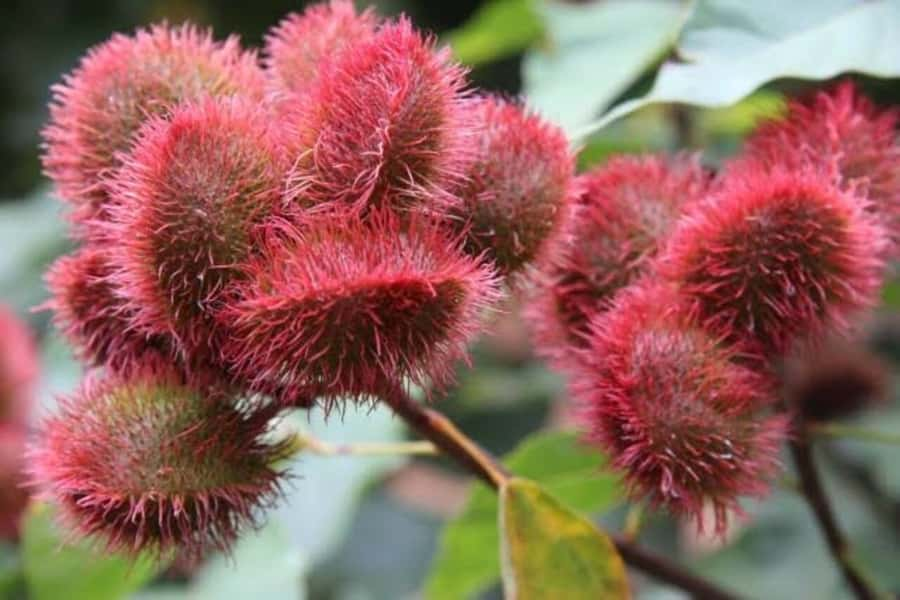
A spice tour can be either educational or vague. This one works best because the walk is paced so you can stop, look closely at plants, and get explanations as you go.
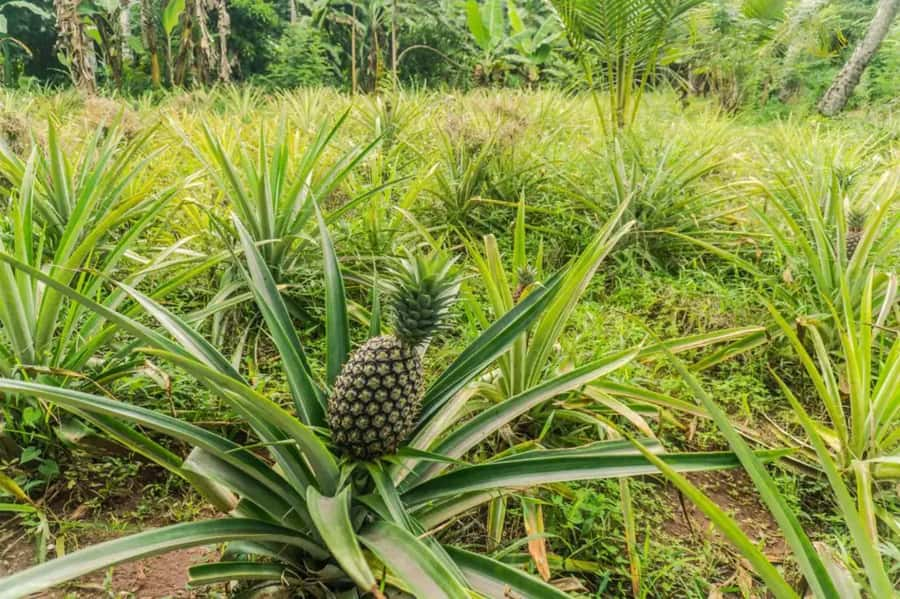
On the farm, you’ll see how spices, herbs, and fruits are grown and cultivated, not in a museum way, but in a working-plot way. That means you’ll spend time looking at plants where they actually grow and then connecting that to what you taste later.
The guide is also a big part of how smooth the tour feels. The experience runs with live interpretation in English, German, French, and Italian, so you’re not stuck with a one-language fit-all approach. On some tours, guides are supported by additional local help, and that’s where you’ll often get extra attention around the smelling and tasting moments.
Smell-and-taste time: clove, lemongrass, nutmeg, and the rest
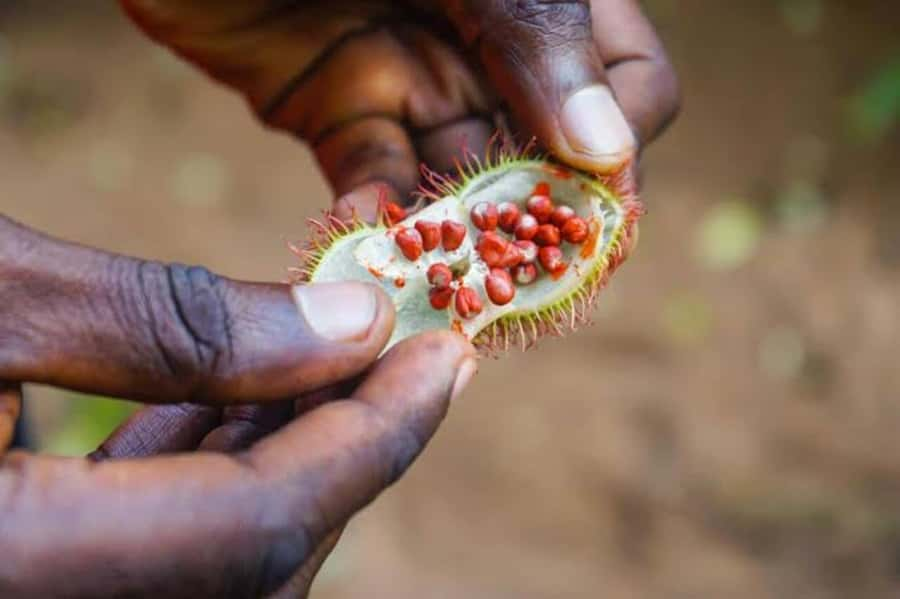
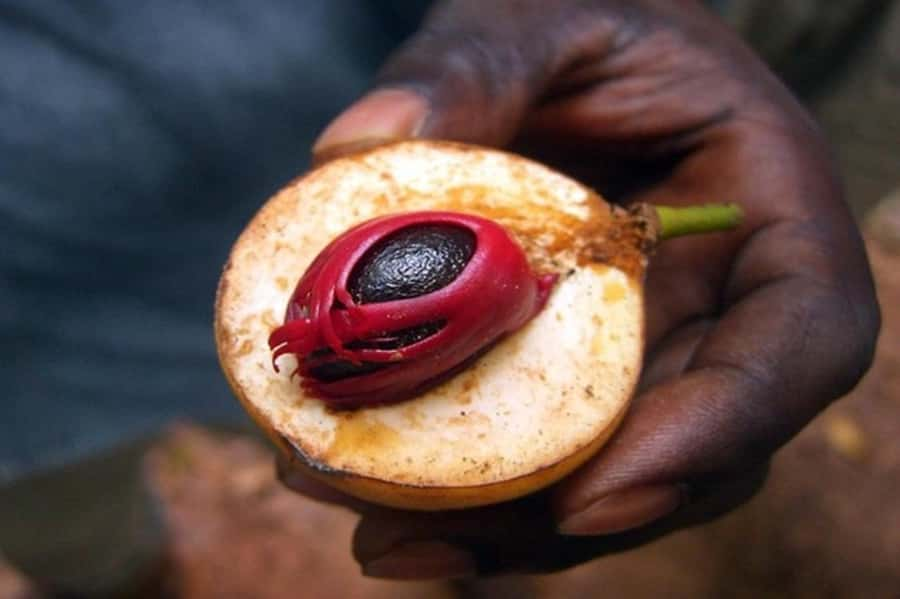
If your favorite part of Zanzibar is food, perfume-like aromas, and the idea that spices are more than labels on a shelf, you’ll like this format. The walking tour includes moments where you can smell and taste what’s growing in the shamba.
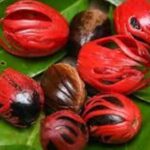
Here’s the kind of lineup you should expect to encounter during the walk and tasting: clove, lemongrass, nutmeg, cinnamon, turmeric, vanilla, coconuts, papaya, chili, black pepper, jackfruit, cardamom, cassava, and oranges. That list is impressive because it spans sweet, hot, herbal, and citrusy flavors—so it feels like a full Zanzibar sampler rather than only the famous names.
What I like about tastings in a farm setting is the context. You’re not just being told that something is turmeric—you’re looking at the plant and learning why it’s used and how it’s handled in daily cultivation. Even if you don’t become a spice scientist by the end, you’ll come away with clearer instincts for what each spice smells and tastes like in real form.
The fruit side of spice: why it’s not just spices
Spice farms get treated like one-note attractions. This one avoids that trap by leaning into fruits and herbs too, which is a big reason it stays interesting even when you’ve already heard the clove-and-nutmeg story before.
You’ll see tropical fruits and aromatic crops that grow alongside spices, so the farm walk becomes a snapshot of how mixed planting works. That’s especially helpful because Zanzibar’s spice identity isn’t only about one crop—it’s about a working ecosystem of plants that can grow and be harvested in different ways.
In one case, I learned the value of paying attention to the plant you’re tasting and not jumping ahead to what you already know. When you stop and match aroma to leaf or fruit, spices suddenly feel less abstract and more like a set of real ingredients with real sources.
Organic farm setting: what the tour promises and what you should watch for
The tour is described as taking place on an organic farm with a wide variety of plants grown around the year. In practice, that means you should expect variety and repeated opportunities to see different plant types rather than a single themed row.
Still, I’d set expectations realistically. A guided shamba walk is a guided experience, not a full production plant tour. You’re going to get lots of sensory learning—smells, tastes, and what grows where—but you may not see every single step of processing from start to finish unless the guide chooses to emphasize it.
One more practical note: the route includes walking on farm grounds. So comfortable shoes matter. If the ground is uneven or you’re not used to getting around on foot, this is the part where you’ll feel it.
You can also read our reviews of more guided tours in Zanzibar City





Ending at the spice stall: cash-only and how to handle it
The tour finishes with a stop at a spice stall that sells fresh packaged spices. The important detail here is that purchases are cash only, so don’t rely on card or you’ll be stuck watching other people shop.
This is also where the experience can feel different depending on your taste. If you want purely plant-focused sightseeing, this section may feel more like retail time than sightseeing time. If you enjoy bringing home spices and you like the idea of buying directly from a farm-related stall, this can feel useful—especially because you’ve just tasted and sniffed the items on the walk.
One thing I recommend: bring a small amount of cash for the stall so you have the option, not the stress. That way you can browse and decide on the spot without having to scramble.
Price and value: is $35 for 3 hours a fair deal?
At $35 per person for about 3 hours, you’re paying for three things: guided interpretation, entrance to the farm area, and hotel pickup and drop-off in Stone Town.
That’s a solid value structure because the logistics are handled. Without pickup, you’d be working out transport yourself, and spice farm visits can turn into a time-drain if you end up waiting on taxis or figuring out directions. Here, the tour’s main cost is really the paid guide time plus access.
Now, value also depends on how you handle tipping and the stall stop. The tour description says the price already includes tips for farm workers, which is great if you want the experience to feel straightforward. At the same time, experiences can still include multiple people doing different roles around the tour, and in real settings you might be offered chances to tip the guide or assistants. My practical advice: keep a small amount of extra cash aside just in case, so you’re not caught unprepared.
Food and drinks are not included. That’s normal for short tours, but it affects value if you planned to eat during the experience. I’d treat this like a sampling-focused walk and plan your actual meal before or after.
Who this Zanzibar spice tour fits best
This is a good fit if you want an active, sensory outing rather than a sit-down lecture. You’ll enjoy it most if you like learning by doing—looking at plants, then smelling and tasting them right there.
It’s also a nice option if you’re staying in Stone Town and want something easy to schedule. Pickup and drop-off mean you don’t have to coordinate getting out to the farm area on your own.
On the other hand, it’s not a match for people with back problems, wheelchair users, or babies under 1 year, and it’s also not designed for people over 95 years. If any of those apply, the walking component is the deal-breaker to consider.
Practical tips so you enjoy every minute
Bring comfortable shoes. Even if the pace feels gentle, farm paths can be uneven, and you’ll be standing and walking in a warm outdoor environment.
Have a camera ready—there’s plenty to photograph, but remember the tasting moments matter more than perfect shots. You don’t want to miss the aroma-and-ingredient matching because you were busy filming.
Also, come with a simple mindset: you’re here for a guided shamba walk, not a full spice-processing factory tour. If you accept that and focus on the plant-to-smell-to-taste connection, the experience clicks.
Finally, keep your expectations about the ending flexible. The stall is part of the program, it’s cash-only, and it can tilt the vibe toward buying. If you go in knowing that, you’ll enjoy the earlier farm part even more.
Should you book this Zanzibar walking spice tour?
I’d book this tour if you want a straightforward 3-hour spice-farm experience with pickup in Stone Town and real sensory learning—especially if you like spices and tropical fruits enough to taste them, not just hear about them.
Skip it—or rethink it—if you’re hoping for a purely “walk and learn” experience with no retail stop, or if you’re concerned about walking on farm paths. Also, if you’re not comfortable carrying some cash, the cash-only stall is a small but real issue.
The rating is strong, and the most consistent praise comes from the guided learning and the fact you can smell and taste what’s growing. The only recurring criticism is that the day can feel a bit sales-driven at the end, plus some tours run slightly shorter than the full schedule once transfers and walking are factored in.
If that trade-off sounds fine to you, this is one of the more efficient ways to experience Zanzibar’s shamba side without juggling transport or timing.
FAQ
How long is the Zanzibar walking spice tour?
The tour lasts about 3 hours.
Where does the tour start?
It starts with pickup in Stone Town.
Is hotel pickup and drop-off included?
Yes. Pickup and drop-off are included, and pickup works for any hotel in Stone Town.
How much does it cost?
It costs $35 per person.
What’s included in the price?
The price includes hotel pickup and drop-off, an entrance fee, and a tour guide.
Are food and drinks included?
No. Food and drinks are not included.
What spices and fruits will I encounter?
You’ll see and may smell and taste items such as clove, lemongrass, nutmeg, cinnamon, turmeric, vanilla, coconuts, papaya, chili, black pepper, jackfruit, cardamom, cassava, and oranges.
Is there a place to buy spices at the end?
Yes. The tour ends at a spice stall selling packaged spices, and purchases are cash only.
What languages are available for the guide?
The live tour guide is available in English, German, French, and Italian.
What should I bring?
Bring comfortable shoes and a camera.
Is cancellation free?
Yes, you can cancel up to 24 hours in advance for a full refund.