Zanzibar tells its story in four stops. This tour strings together spices, Prison Island’s giant tortoises, Stone Town’s UNESCO lanes, and the Slave Market Museum into one smooth day. I love that it hits both the fun stuff and the heavy stuff, and I like the private transportation + guided storytelling that keeps everything organized.
My favorite part is the sensory spice experience—touch, smell, and taste—then ending with guided context so Stone Town makes sense. A practical consideration: it’s an 8-hour schedule with a lot of walking in Stone Town, so wear shoes you trust.
In This Review
- Key things to know before you go
- Jambo Spice Farm: smells, flavors, and real shopping time
- Prison Island (Changuu): tortoises, boat views, and a hard name
- Stone Town walking: UNESCO lanes, doors, and layers of culture
- Old Slave Market and the Anglican Cathedral area: what to expect in the museum
- The 8-hour flow: how the timing works and how to plan your day
- Guide quality: why the story is as important as the sites
- Price and value: what $110 covers for a full Zanzibar day
- Who should book this tour (and who might skip it)
- Should you book the Spice, Prison Island, Stone Town and Slave Market tour?
- FAQ
- What is the tour duration and start time?
- How much does the tour cost per person?
- Does the tour include pickup and transportation?
- Are admission tickets included?
- What is included in the package besides admissions?
- What is not included?
- Is this tour private?
- What languages is the guide available in?
- Is the tour okay for most people?
Key things to know before you go
- Taste-and-touch spice farm at Jambo Spice Farm, with time to shop at a spice stall
- 30-minute boat ride to Changuu (Prison Island) and skyline views of Stone Town
- Stone Town UNESCO walking through narrow streets, carved doors, and mixed cultural influences
- Slave Market Museum focus on slave trade history plus slave chambers and monuments
- Private group experience with pickup and an in-person multilingual guide
- $110 value for a full day including admissions, bottled water, fees, taxes, and transport
Jambo Spice Farm: smells, flavors, and real shopping time
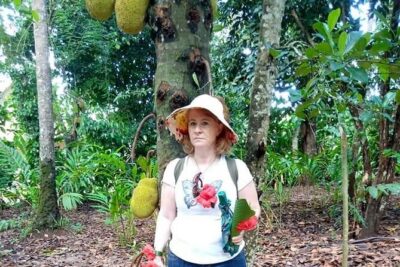
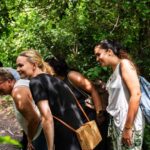
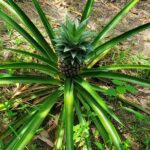
Your day starts at Jambo Spice Farm, and it’s a great opening because it gives you Zanzibar’s “why” before you see the “what.” You’ll visit an organic farm where herbs and tropical fruits grow year-round, including lemongrass, nutmeg, cinnamon, turmeric, vanilla, coconuts, jackfruit, cardamom, oranges, and cloves (plus more). The emphasis isn’t on standing and watching—it’s hands-on: you’ll touch, smell, and taste as your guide explains how spices are used locally.
What makes this stop especially useful is how it connects plants to daily life. Cloves and nutmeg aren’t just souvenirs here; your guide can explain what people use them for and why the island became famous for them. If you’ve only seen spices in jars at home, this part helps you understand what fresh spices actually smell like.
One more thing I’d plan for: the tour ends with a stop at a spice stall where you can buy packaged spices, essences, and organic soaps. The info you’re given matters—this stall is cash only—so bring cash if you want to shop. It’s also a good moment to decide what’s worth buying, because you’ve already learned what each product is.
You can also read our reviews of more shopping tours in Zanzibar City

Prison Island (Changuu): tortoises, boat views, and a hard name
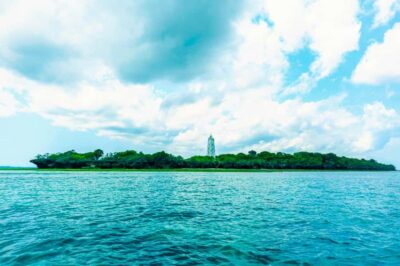
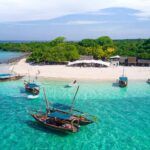
After the farm, the mood shifts to Prison Island (Changuu Private Island), known for giant tortoises and its complicated past. The island’s name comes from a prison history connected to the slave trade, but you’re taught that it later served as a quarantine hospital and is now home to tortoises that were banned from Stone Town.
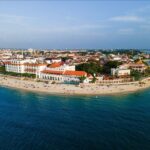
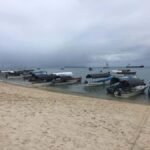
You’ll take a 30-minute boat ride and get a view of the Stone Town skyline from the water. That short ride is part of the value here: it breaks up the day and gives you a different angle on the city before you learn what happened here. Then your guide introduces you to the tortoises and shares the island’s story in a way that’s easier to follow than reading it alone.
This is a family-friendly stop on the surface—big animals, open space, and time to relax—but don’t expect it to feel like a pure beach day. The history is part of the tour flow, and that’s a good thing. If you like tours that respect context instead of skipping it, this one does that.
Stone Town walking: UNESCO lanes, doors, and layers of culture
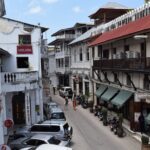
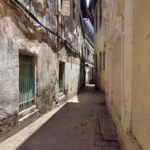
Next comes Stone Town, the historic district of Zanzibar’s capital. You get around two hours walking, and your guide frames it as a UNESCO World Heritage Site since 2000, shaped by British, Portuguese, Indian, Omani, and Swahili influences.
Stone Town can be disorienting if you’re wandering without a plan. The tour approach helps you get your bearings fast: narrow streets, fragrant markets, and street-level details like carved doors and architecture that signal different eras. This is where the earlier spice stop pays off. When you understand the island’s spice economy, it’s easier to connect why certain buildings, trades, and neighborhoods developed the way they did.
There’s also a practical mindset to keep: Stone Town is best explored on foot, and two hours moves at a real walking pace. If you tire easily, plan for that. But if you enjoy walking in old cities—ducking into side streets and noticing details—this stop is the heart of the day.
Old Slave Market and the Anglican Cathedral area: what to expect in the museum
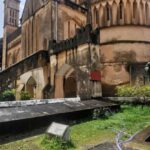
The final major cultural stop is the Old Slave Market / Anglican Cathedral museum visit. This is the most serious part of the route. You’ll learn about the slave trade in Zanzibar, visit slave chambers, and see slave monuments, with a professional guide guiding you through what you’re seeing.
This portion matters because it puts names and systems behind a place. Stone Town’s beauty can trick your brain into thinking history is only about architecture, trade, and spices. The museum brings you back to the human cost—important for anyone who wants to understand Zanzibar beyond postcards.
A good tip here is emotional preparedness. If you’re sensitive to heavy history, go in knowing the tone is direct. You don’t need to force yourself to feel a certain way; just be mentally ready that this stop is not meant to be light entertainment.
The 8-hour flow: how the timing works and how to plan your day
This tour runs for about 8 hours, starting at 8:30 am. The stops are timed in a way that balances concentration and break points: three hours for the spice farm, two hours on Prison Island (including the boat ride), two hours walking Stone Town, and one hour at the slave market museum.
The order is smart. You start with sensory context (spices), shift to a short boat-and-tortoise break (Prison Island), then walk through the city with a guide who can tie what you see back to the island’s trade and cultural history, and finally close with the museum for clarity and accountability.
What you should plan for is your own energy. Stone Town involves walking on older streets and around markets, and you’ll want comfy shoes. Also, bring cash if you want to buy from the spice stall, because the tour states the stall is cash only. For hydration, you’re provided bottled water, which is a nice inclusion.



Guide quality: why the story is as important as the sites
The biggest deciding factor in tours like this is the guide. This one includes an in-person English, Spanish, French, German, and Italian speaking guide, and you’re supported throughout each stop with guided explanations.
One example from recent experiences is a guide named Hassan, praised for giving clear stories and answering questions in detail with good English. That kind of on-the-spot explanation is exactly what makes Stone Town and the slave trade museum land harder in a good way. With a strong guide, you’re not just ticking boxes—you’re understanding what you’re looking at.
If your preferred travel style is Q&A and real explanations (instead of silent sightseeing), this tour fits that. If you want total independence and minimal talking, you might find any guided format a bit structured. But from the design of the day, the storytelling is the point.
Price and value: what $110 covers for a full Zanzibar day
At $110 per person, the price is meant for a full day with real inputs included: private transportation, bottled water, all fees and taxes, and admission tickets for the stops. That’s important because this itinerary has multiple booked components—spice farm, Prison Island, Stone Town, and the Slave Market museum—and admissions can add up fast if you buy separately.
So the value question is simple: are you buying convenience and guided context, not just access? In this case, yes. Private transport reduces the “how do I get there?” stress in Zanzibar City, and admissions being included means you can focus on the day instead of paperwork.
Two small notes that affect value: alcoholic beverages are not included, and because the spice stall is cash only, you may want to budget a little extra for souvenirs and gifts. Still, compared to piecing together four separate experiences with separate tickets, the package pricing looks like it’s designed to keep costs predictable.
Who should book this tour (and who might skip it)
This tour is a strong fit if you want a one-day way to understand Zanzibar: spices, the city’s street-life, and the island’s most difficult chapters, all with guided context. It also works well if you’re short on time but hate the feeling of leaving places confused.
You should consider skipping (or swapping stops) if you don’t like heavy history content. The museum visit is part of the experience, and it isn’t treated like an optional add-on. Also, if walking for hours makes you miserable, plan ahead for comfort in Stone Town.
It’s also a good choice for couples, small groups, and anyone who likes the idea of a private group rather than joining a large crowd.
Should you book the Spice, Prison Island, Stone Town and Slave Market tour?
I’d book it if you want a day that mixes senses, scenery, and meaning—starting with spice knowledge, moving to Prison Island’s tortoises and history, then finishing with a focused museum visit. The structure makes it hard to get lost, and the included admissions and private transport make the day feel planned rather than improvised.
If you’re unsure, ask yourself one question: do you want Zanzibar explained, not just photographed? If yes, this is a very practical way to get a full picture in about 8 hours.
FAQ
What is the tour duration and start time?
The tour lasts about 8 hours and starts at 8:30 am in Zanzibar City.
How much does the tour cost per person?
The price is $110.00 per person.
Does the tour include pickup and transportation?
Yes. Pickup is offered, and the package includes private transportation.
Are admission tickets included?
Yes. Admission tickets are included for the spice farm, Prison Island, Stone Town, and the Old Slave Market/Anglican Cathedral museum stop.
What is included in the package besides admissions?
Bottled water, all fees and taxes, private transportation, and an in-person guide are included.
What is not included?
Alcoholic beverages are not included.
Is this tour private?
Yes. It’s a private tour/activity, meaning only your group participates.
What languages is the guide available in?
The guide is available in English, Spanish, French, German, and Italian.
Is the tour okay for most people?
Most travelers can participate, and it’s listed as near public transportation.