REVIEW · ZANZIBAR
Welcome Zanzibar : A Journey through time for the Old Town
Book on Viator →Operated by Funbeach Zanzibar Tours · Bookable on Viator
Stone Town can feel like time travel. This guided walk through Zanzibar’s UNESCO streets focuses on the sights you’ll miss if you wander alone, with a guide named Ally/Ali who stitches it all together. You’ll see the intricate wooden doors and key landmarks in a route that works even when the lanes get twisty.
What I really like: I enjoy how the tour turns architecture into a story you can picture, not just facts. I also like that you get real local context around places tied to trade, power, and everyday life.
One consideration: it’s still a walking tour. You’ll be navigating narrow lanes and lots of looking up, so bring comfortable shoes and expect some uneven ground.
In This Review
- Key highlights at a glance
- How Your Forodhani Start Sets the Tone for Stone Town
- The Streets of Stone Town: UNESCO, Doors, and the Art of Looking Up
- Old Fort: Where Portuguese and Omani Stories Collide
- Darajani Bazaar Shopping: Souvenirs, Spices, and Real Everyday Noise
- Old Slave Market: Facing History Without Turning Away
- Main Sights You Can Expect: Sultan’s Palace, House of Wonders, and More
- Price and Value: Why $20 Works Here (and What Might Cost Extra)
- Pace, Comfort, and What to Bring for a Smooth Walk
- Private and Personal: Safety, Questions, and a Guide Who Adjusts
- Should You Book This Stone Town Time-Travel Walk?
- FAQ
- What’s the duration of the Stone Town walking tour?
- How much does it cost?
- Is pickup included?
- What’s included in the price?
- Are there any entrance fees?
- What is the cancellation policy?
Key highlights at a glance
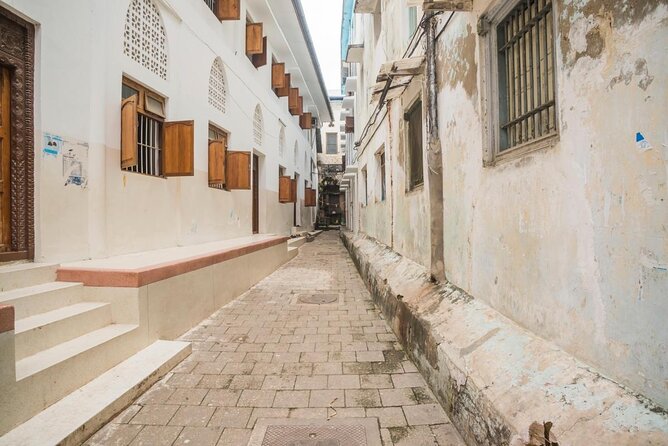
- UNESCO Stone Town walking route built for slow, street-level exploring
- Looking up at carved wooden doors that define the look of the Old Town
- Old Fort and its Portuguese-to-Omani history in a 17th-century setting
- Darajani Bazaar shopping and spice browsing as you pass through
- Old Slave Market context you shouldn’t skip, with the option to manage how you experience it
- A friendly, patient guide who can answer questions and adjust pacing
How Your Forodhani Start Sets the Tone for Stone Town
The tour begins in Forodhani, and that matters more than you’d think. Starting where you’re already likely to be moving around in the area helps you drop into Stone Town without a long preamble. Then it’s straight into the lanes—tight, busy in spots, and full of visual details.
This is a private experience, so you’re not stuck marching in a big group rhythm. I like private tours in historic centers because you can pause when something catches your eye—like a door pattern, a crumbling arch, or a sign that tells you a trade used to live there.
Also, the guide offers pickup, but only if you’re already in or near Stone Town. If you’re somewhere else, you’ll want to message ahead, because the tour info specifically notes that you may need to arrange it for locations outside Stone Town.
You can also read our reviews of more tours and experiences in Zanzibar.



The Streets of Stone Town: UNESCO, Doors, and the Art of Looking Up

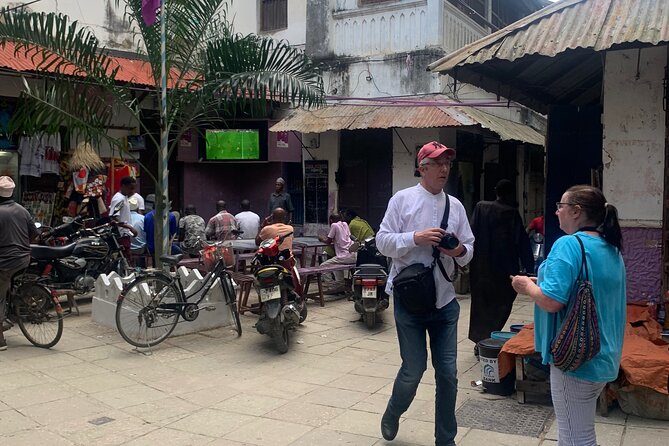
Stone Town is famous for feeling like a living puzzle. You’ll move through narrow streets and alleyways where shops and homes sit close together, and the most rewarding part often happens above street level. The tour encourages you to look up at carved wooden doors, which is exactly where Stone Town’s identity shows.
These doors aren’t just pretty. They’re part of the city’s history of wealth, trade connections, and craftsmanship. When you have a local guide pointing out what you’re seeing, you start noticing patterns and details you’d normally walk right past.
You’ll also get time to wander and get a little lost on purpose. That’s not a failure of navigation; it’s the way Stone Town works. A good guide keeps you oriented so you don’t lose the storyline while you explore the lanes.
Old Fort: Where Portuguese and Omani Stories Collide

One of the most solid historical anchors on this walk is the Old Fort. You’ll learn how it was built in the 17th century by the Portuguese, and later used by the Omani Arabs—a change that reflects how Zanzibar’s power and trade routes shifted over time.
The fort is worth your attention because it’s not just a backdrop. It helps you understand why Stone Town developed the way it did: coastal cities don’t grow in isolation. They grow because someone can control shipping, collect goods, and protect interests when the winds and politics change.
If you’re the type who likes “why this place looks like this,” the fort is a great stop. Even if you’re not into forts in general, the story connects the architecture to real historical turns.
Darajani Bazaar Shopping: Souvenirs, Spices, and Real Everyday Noise
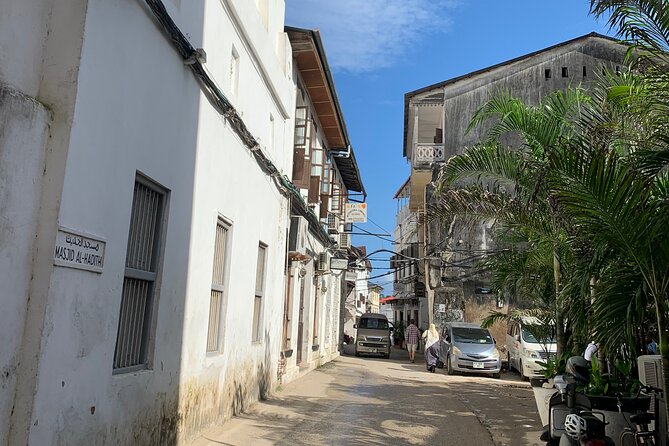
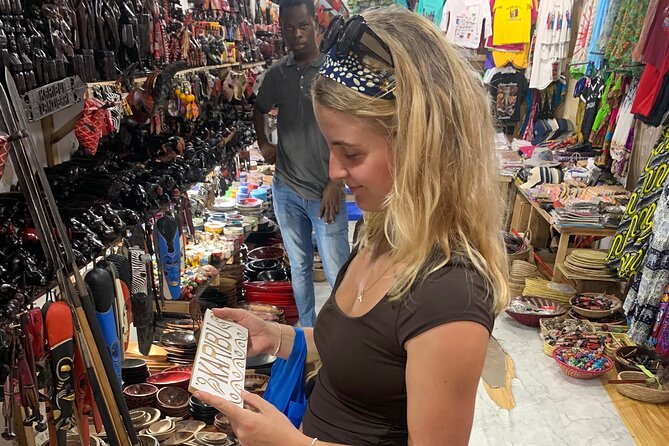
As you work your way through the city, you’ll pass Darajani Bazaar, a busy market where you can browse spices and shop for souvenirs. This is one of the stops that adds texture to the tour. You’re not only looking at history—you’re seeing how people still live, trade, and bargain in the same general area.
Practical tip: markets can overwhelm you fast if you’re unsure what you want. Since this is a guided experience, you can ask questions about what you’re seeing before you start buying. That’s also a smart way to avoid ending up with something you don’t actually like.
I also like that the tour gives you a reason to interact with the market without forcing a hard sell. You’re there to understand the role of trade in Stone Town’s identity, not to speed through a photo stop.
Old Slave Market: Facing History Without Turning Away
The walk includes the Old Slave Market, and the tour specifically notes an entrance fee for that stop (so check your budget). This is the kind of place where a guide’s framing helps. You need context to understand what happened here and why it matters.
What I’d advise: decide ahead of time how you want to experience it. Some people prefer to read slowly and absorb. Others need to move on quickly. A good guide can keep you supported either way—especially if you want to ask questions.
If you’re sensitive to heavy topics, plan your pace. The tour lasts 2 to 3 hours, so you still have time afterward to see lighter parts of Stone Town, including architecture and markets. It’s a balanced way to cover the truth and then keep exploring without shutting down.






Main Sights You Can Expect: Sultan’s Palace, House of Wonders, and More
Stone Town’s famous landmarks show up in this tour style, including the Sultan’s Palace and the House of Wonders—the kinds of sites that many people list first when they plan a visit.
You’ll also pick up details about what makes the Old Town look the way it does: carved doors, older buildings that served different communities, and places connected to different faiths. One review highlights churches being part of the experience, which fits the broader story of cultures meeting in Zanzibar over centuries.
A standout from the reviews is how much the guide talks about these places in a way that stays clear. People describe Ally as explaining with great detail, covering all the main highlights, and answering questions without brushing you off. That quality matters because Stone Town rewards curiosity. If you ask why something changed, or what a building tells you, the tour is set up to respond.
Price and Value: Why $20 Works Here (and What Might Cost Extra)

The price is $20 per person for about 2 to 3 hours. For a private tour, that’s a strong value—especially in Stone Town, where the “cost” of exploring without guidance can be wasted time and missed context.
Here’s the practical breakdown based on what’s included and what isn’t:
- Included: a local tour guide, Zanzibar history, and passing to major historical sites.
- Not included: tips, food and drink, any personal expenses, and key entrance costs.
Two specific paid add-ons are mentioned:
- Old Slave Market entrance fee
- Swahili house rooftop old town view admission fee (noted as the Swahili House rooftop view)
Also, if you’re hoping for pickup beyond Stone Town, you’ll need to message earlier. The tour notes pickup is offered, but outside Stone Town may need arrangements.
My take: if you want the story behind what you see—especially around the heavy historical stops—this price is fair. You’re paying for time, guidance, and interpretation.
Pace, Comfort, and What to Bring for a Smooth Walk
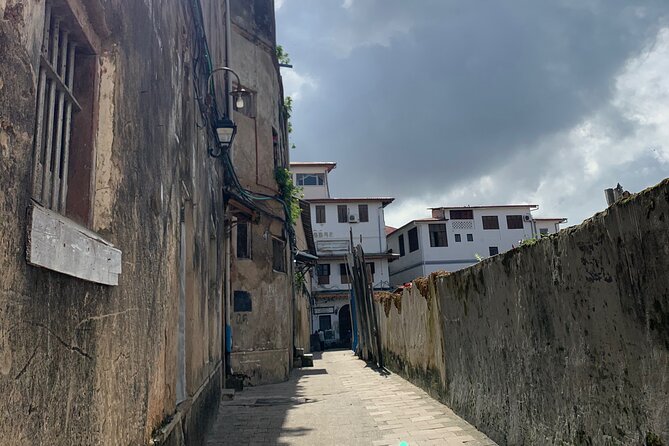
This is listed for moderate physical fitness. Stone Town walking can be slow-but-steady: uneven ground, tight turns, and lots of stopping to look. Even if you consider yourself fit, you’ll likely feel it in your legs and neck from looking up constantly.
What to bring:
- Comfortable walking shoes (with grip)
- Water (food and drink aren’t included)
- Sun protection, since you’ll be outside for much of the tour
- A light layer if you’re out late or if it rains
One practical plus from the experiences shared: the guide can handle weather surprises well. There’s at least one report of umbrellas being provided during rain, which is the kind of small readiness that saves your day.
Also note: English may not be the guide’s first language for some participants, but multiple reviews say everything was still understandable. So if you’re comfortable communicating normally, you should be fine.
Private and Personal: Safety, Questions, and a Guide Who Adjusts
A big part of why this tour earns a 4.8 rating from 39 reviews is the guide personality. Many comments highlight that Ally feels patient, welcoming, and attentive to questions. People also mention feeling safe and secure.
That matters because Stone Town can be confusing for first-time visitors. You want someone who watches the pace, pauses when you need time, and doesn’t steamroll your curiosity. Reviews mention stopping when needed and answering extra questions with strong detail, which is exactly what you want in a place where there are dozens of things to notice in a single block.
There’s also a human side. One review mentions the guide showing his school, and another points out how he’s willing to help with Swahili practice. If you like learning more than just the “tour script,” this kind of guide interaction makes the difference between seeing Stone Town and actually feeling like you understand it.
Should You Book This Stone Town Time-Travel Walk?
Book it if you want:
- A guided Stone Town route that helps you make sense of what you’re seeing
- A strong focus on major landmarks plus street-level details like wooden doors
- Support for heavier stops like the Old Slave Market, with context you can understand
Skip it (or at least consider another format) if:
- You hate walking on uneven, narrow streets
- You want only quick “see it, move on” sightseeing with minimal story
Overall, this is the kind of tour that fits well as your first serious Stone Town outing. You’ll come away with better orientation, clearer context, and a mental map of the city’s themes—trade, architecture, and history—without turning the visit into a rush.
FAQ
What’s the duration of the Stone Town walking tour?
The tour runs for about 2 to 3 hours.
How much does it cost?
The price is $20.00 per person.
Is pickup included?
Pickup is offered, but the tour notes you should message earlier if you need pickup from a place outside Stone Town. The meeting point listed is Forodhani, Zanzibar, Tanzania.
What’s included in the price?
You get a local tour guide, Zanzibar history, and passing to major historical sites. Entrance fees and food/drink are not included.
Are there any entrance fees?
Yes. The tour info lists entrance fees for the Old Slave Market and the Swahili house rooftop old town view.
What is the cancellation policy?
Cancellation is free up to 24 hours in advance for a full refund. If you cancel less than 24 hours before the start time, you won’t get a refund.