REVIEW · ZANZIBAR CITY
Spice Farm Tour -Half Day
Book on Viator →Operated by Zanzibar Treasure Tour & Safaris · Bookable on Viator
A spice tour in Zanzibar is never just about plants. You get history at Kidichi Persian Baths, then a shamba walk where you smell and taste Zanzibar’s everyday flavors. It’s a fun, sensory half-day with the kind of guide-led pacing that keeps it relaxed, not rushed.
What I like most is the combination of culture + crops. One moment you’re looking at domed bathhouses from the 1800s, and the next you’re learning why cloves, nutmeg, turmeric, vanilla, and even black pepper are grown here and how they’re used. The other win is the tasting focus—spices and herbs are part of the experience, not an afterthought.
One thing to consider: it involves walking on farm paths and you’ll want a moderate fitness level. Also, there’s no mention of onboard restrooms, so plan ahead for comfort.
In This Review
- Key highlights at a glance
- Kidichi Persian Baths: the 1850 stop that sets the mood
- Entering the shamba: what your senses learn in a walking tour
- The spice lineup: flavors you’ll recognize, plus how they grow here
- Kidichi to the countryside: why the pacing works for a half day
- Price and value: what $50 gets you (and what to watch)
- Spice shopping tips: what to do with your newfound spice knowledge
- Optional cooking class: if you want the next step after tasting
- Who this tour suits best (and who should plan differently)
- Should you book the Spice Farm Tour – Half Day?
- FAQ
- How long is the Spice Farm Tour – Half Day?
- Where is this tour located?
- Does the tour include hotel pickup and drop-off?
- What’s included in the ticket price?
- What can I taste during the spice farm part of the tour?
- Is there a cooking class option?
- How big are the groups?
- What if the weather is bad?
- Can I cancel for free?
Key highlights at a glance
- Kidichi Persian Baths first: a striking historical stop on Zanzibar’s highest ground.
- A real spice farm shamba walk: you’ll see plants growing, not just photos.
- Tasting-led education: spices, herbs, and seasonal fruits get you learning with your senses.
- Small-group feel: up to 20 people, with hotel pickup and air-conditioned transport.
- Perfect timing for spice shopping: you’ll understand what you’re buying before you buy it.
- Cooking class can be added: available on request if you want the next step.
Kidichi Persian Baths: the 1850 stop that sets the mood
Most spice tours jump straight to the farm. This one starts with a history lesson that actually makes the rest of the day click.
Your first stop is Kidichi Persian Baths, built in the 1800s by Sultan Seyyid Said for his Persian wife, Princess Sheherezade (granddaughter of the Shah of Persia, Fatah Ali). The site sits on Zanzibar’s highest point, and that elevation shows—this is a great place to look out over greenery before you get into the spice-growing areas.
Inside, you’re not just passing by walls. You’ll see a series of domed bathhouses with deep stone baths and massive seats, along with Persian-style ornamental stucco work. Even if you’re not a hardcore history person, it’s the kind of place that makes you slow down and pay attention.
There’s also a neat contrast built into the visit. Nearby, there are plainer baths at Kizimbani that were constructed within Said’s clove tree and coconut plantation. It’s a reminder that Zanzibar’s spice economy wasn’t separate from daily life—it shaped land use, farming, and even how architecture was placed.
Practical note: the site includes an admission ticket, and it’s part of the tour’s time plan, so expect this to be more than a quick photo stop.
A few more Zanzibar City tours and experiences worth a look



Entering the shamba: what your senses learn in a walking tour
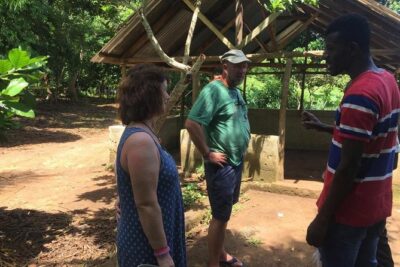
After Kidichi, you’ll head into the countryside scenery and then into the spice farm experience on foot. This isn’t a bus tour with occasional stops. It’s designed as a walking tour of Zanzibar spice farms and plantations, which matters because you’re moving through the growing environment instead of standing beside it.
That walking format gives you two advantages:
- You see plants in context—how different crops occupy different spots in the farm.
- Your guide can point out textures, scents, and uses while you’re standing close to the source.
You should expect the tour to feel hands-on. You’ll be smelling and tasting spices, herbs, and tropical fruits as your guide explains how the crops are cultivated and what they’re used for.
And yes, it’s also relaxed. One of the best compliments this tour earns is that it feels enjoyable while still teaching you a lot. That balance is important on Zanzibar tours where schedules can sometimes feel chaotic.
The spice lineup: flavors you’ll recognize, plus how they grow here
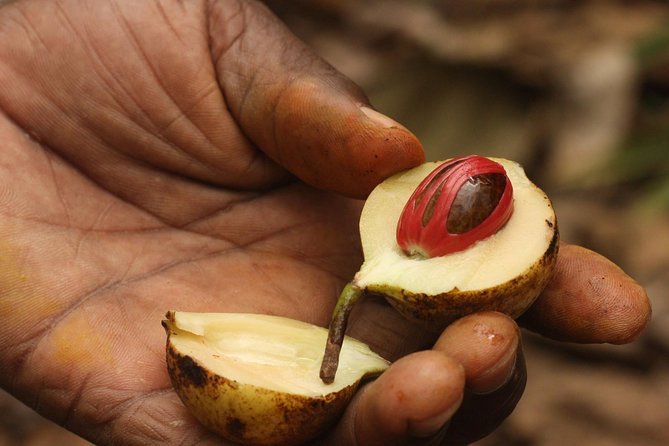
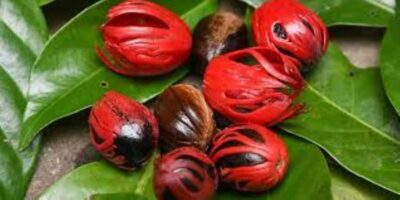
The spice farm portion is the main event, and it’s built around specific crops you can actually connect to everyday cooking smells.
Here’s the kind of spices, herbs, and plants you can expect to encounter during the walk:
- clove
- lemongrass
- nutmeg
- cinnamon
- turmeric
- vanilla
- cardamom
- black pepper
- cassava
- chili
- coconuts
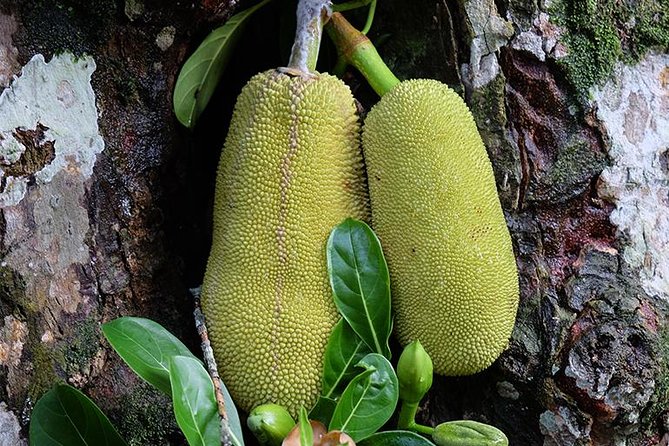
And you’ll also taste and learn about tropical fruits such as:
- papaya
- jackfruit
- oranges
- plus other seasonal fruits you may be offered along the route, including pineapple, banana, green coconut juice, dourian, love apple, and litche.
What makes this list useful isn’t just the variety. It’s that your guide ties each item to why it matters here—how people use it, and what to look for when you buy it later. For example, tasting spices in the farm setting helps you understand the difference between something that smells strong in a bottle and something that’s aromatic right where it’s grown.
A small warning: tasting is part of the format, so if you have dietary restrictions or sensitivities, you’ll want to tell your guide at the start. The tour description doesn’t list “no tasting” as an alternative, so communication helps you enjoy it safely.
Kidichi to the countryside: why the pacing works for a half day
This experience runs about three hours total, and that time window influences everything.
You’ll start with Kidichi Persian Baths, then move through the countryside—getting a drive through greenery—before spending your core time in the spice farm on foot. That mix is a smart half-day formula:
- You get cultural depth early, when your energy is high.
- Then you shift into sensory learning without feeling like the day has to be planned around a long journey.
The transport also helps. You’ll have private comfortable air-conditioned transport with hotel pickup and drop-off. That means you’re not spending your morning (or afternoon) hunting for a meeting point while other travelers crowd around a single taxi.
A couple details you should keep in mind:
- The tour includes a bottle of water, but coffee or tea isn’t included.
- There’s no mention of a restroom on board, so it’s smart to handle your needs before you depart.
If you’re thinking about your schedule, this half-day structure is ideal for people who want a memorable Zanzibar activity without sacrificing the rest of the day for beaches, markets, or a second tour.
Price and value: what $50 gets you (and what to watch)
The price is $50 per person for roughly three hours, and at that rate you’re paying for more than entry fees.
Here’s what you’re getting for the money:
- an experienced professional tour guide
- hotel pickup and drop-off
- the included admission ticket with the Kidichi Persian Baths stop
- a bottle of water
- the core value: guided tasting and a walking shamba experience
It’s also capped for a small group experience: maximum of 20 travelers. When tours are bigger, you often lose time with the guide and get rushed. A smaller group generally means you can ask questions and actually pay attention to what you’re smelling and tasting.
Two watch-outs for value:
- Lunch isn’t included. If you’re doing this earlier in the day, you’ll want a plan for food afterward.
- If you want the cooking class option that’s available on request, expect extra time and possibly extra cost depending on how it’s arranged. (The key point: it’s an add-on, not automatically included.)
Overall, for the combination of cultural architecture + farm tastings + guided interpretation, the cost feels reasonable—especially because it’s designed to teach you what to look for when you shop for spices afterward.





Spice shopping tips: what to do with your newfound spice knowledge
One of the quietly useful parts of this tour is that it prepares you for shopping. Zanzibar spices are a big draw, but without context it’s easy to end up with items that look impressive yet don’t match your cooking needs.
After walking the farm and tasting the crops, you’ll be able to make better choices because you’ll know what the aromas should be like and which spices are commonly grown locally. That makes shopping feel less like guesswork and more like matching ingredients you actually understand.
My practical advice:
- Use the tour to ask what’s best for everyday cooking versus special dishes.
- If you’re buying gifts, think about dried spice forms that travel well, and confirm how you should store them for freshness.
Optional cooking class: if you want the next step after tasting
If you like food experiences, there’s a bonus possibility: a cooking class option in the spice farm available on request.
The tour itself is already tasting-forward, but cooking pushes you from recognition into skill. If you’re the type who learns by doing, consider adding it—just remember it’s not listed as automatic, so ask in advance.
Who this tour suits best (and who should plan differently)
This is a great fit if you:
- want a half-day activity that mixes culture and hands-on learning
- enjoy sensory travel—smell, taste, and guided explanation
- like small-group pacing and hotel pickup convenience
- plan to shop for spices and want to buy with confidence
It may be less ideal if you:
- have trouble with walking on farm paths (moderate fitness is recommended)
- need long restroom breaks (onboard restrooms aren’t mentioned)
- dislike tasting during tours (tasting is core to the format)
For most people, though, it hits a nice sweet spot: not too long, not too complicated, and built around real Zanzibar experiences rather than a rushed checklist.
Should you book the Spice Farm Tour – Half Day?
If you want one memorable Zanzibar activity that feels both meaningful and fun, I’d book it. The Kidichi Persian Baths start gives the tour depth, and the shamba portion is where you get the practical value: you’ll understand the crops, you’ll taste them, and you’ll be better at choosing spices when you shop.
Book it if you’re curious, flexible, and okay with a bit of walking. Skip or plan carefully if walking is an issue or if you’re not comfortable with tasting.
If your goal is to leave Zanzibar knowing more than you started—and smelling and tasting your way into better cooking back home—this one is a strong choice.
FAQ
How long is the Spice Farm Tour – Half Day?
It runs for about 3 hours.
Where is this tour located?
It’s in Zanzibar City, Tanzania.
Does the tour include hotel pickup and drop-off?
Yes. Hotel pickup and drop-off are included.
What’s included in the ticket price?
The tour includes an experienced professional guide, hotel pickup and drop-off, and a bottle of water. The admission ticket for the Kidichi Persian Baths stop is also included.
What can I taste during the spice farm part of the tour?
You’ll smell and taste spices and herbs, plus tropical fruits. Items mentioned include clove, lemongrass, nutmeg, cinnamon, turmeric, vanilla, coconuts, papaya, chili, black pepper, jackfruit, cardamom, cassava, and oranges.
Is there a cooking class option?
Yes. A cooking class option in the spice farm is available on request.
How big are the groups?
The tour has a maximum of 20 travelers.
What if the weather is bad?
This experience requires good weather. If it’s canceled due to poor weather, you’ll be offered a different date or a full refund.
Can I cancel for free?
Yes. You can cancel up to 24 hours in advance for a full refund. Changes within 24 hours aren’t accepted.