REVIEW · ZANZIBAR CITY
Stone Town and Spice Farm Private Tour
Book on Viator →Operated by The Sultan Tours · Bookable on Viator
Stone Town changes the pace in a hurry. This private tour bundles the old-city walk with a spice farm visit, so you get Zanzibar culture and that famous farm-to-cup flavor in one day. I like the clear structure: you start in the oldest trading quarter, then shift to smells, samples, and fruit.
What I really like is the mix of big landmarks and street-level detail in Stone Town, from the House of Wonders to Darajani Market. I also love that the second half is practical, not just scenic—at Big Body With Tatata Spice Farm, you learn about spices, smell herbs, and taste fresh fruits. One possible drawback: the transport and water setup can be inconsistent, and at least one past rider noted non-working seat belts and no water supplied—so I’d plan ahead.
In This Review
- Key Points You’ll Care About
- Stone Town: getting your bearings in Zanzibar City
- The Stone Town sights that actually help you understand the city
- Spice Farm time: learning spices the practical way
- Spices, herbs, and fruits you’ll meet face-to-face
- The coconut-tree moment (and Jambo Bwana)
- Fresh fruit and snacks included
- Timing and transport: how to protect your comfort on a 5–6 hour day
- Price and value: is $59.99 a fair deal?
- Who this Stone Town and Spice Farm tour is best for
- Should you book this private Stone Town and Spice Farm tour?
- FAQ
- How long is the Stone Town and Spice Farm private tour?
- Is hotel pickup and drop-off included?
- Is this tour private or shared?
- What does the $59.99 price include?
- What is not included in the tour price?
- Are the Stone Town entrances included?
- What can I expect to taste at the Spice Farm?
- Do I learn about specific spices at the farm?
- What is the cancellation policy?
- How far in advance is this tour usually booked?
Key Points You’ll Care About

- Stone Town highlights without rushing: you’ll hit major sites like the House of Wonders and Palace Museum.
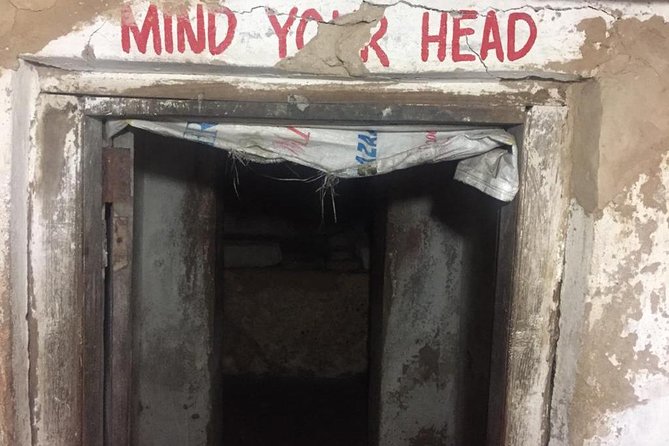
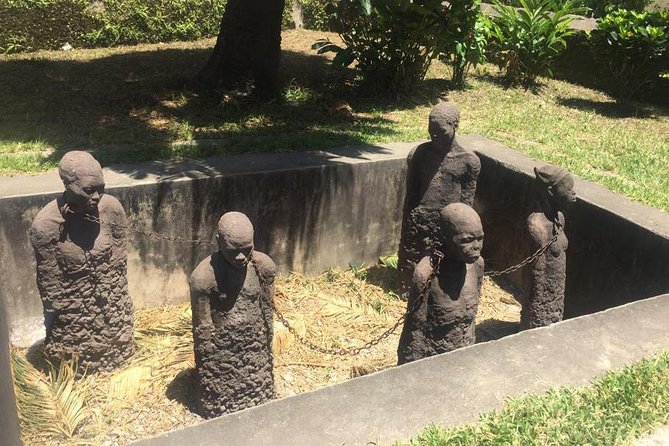
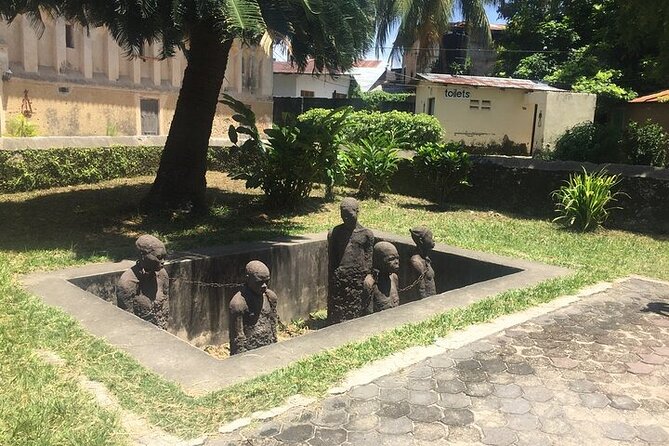
- Slave-trade context included: you’ll cover the history tied to markets and the old fort area.
- Big Body With Tatata Spice Farm is hands-on: you’ll explore plants, smell herbs, and taste fruits.
- Coconut tree moment: you may see a climber go up the tree while singing Jambo Bwana.
- Snacks and fruit included: plus spice-farm admission is covered.
- Small add-ons in Stone Town: some sites carry entrance fees (notably $5).
Stone Town: getting your bearings in Zanzibar City
Stone Town is the kind of place where details matter. The streets twist, buildings show layers of influence, and the stories behind them are not shy about the darker parts of Zanzibar’s trading past. On this tour, you’re not just snapping photos—you’re building a mental map of how the city functioned as a crossroads.
I love that your Stone Town time is focused and timed—about two hours—so you can still enjoy the rest of the day without feeling steamrolled. You also get a private guide approach, which helps in a maze like Stone Town where signage and routes can get confusing fast.
If heat affects you, keep it in mind. Zanzibar’s sun can be intense, and the tour doesn’t list sunscreen as included. Bring your own or you’ll pay later in discomfort.
You can also read our reviews of more private tours in Zanzibar City



The Stone Town sights that actually help you understand the city
Stone Town is packed with places that sound famous on paper, but the value is in how they connect. Your route includes the architecture and narrow streets, plus several key stops that anchor the city’s culture and history.
Here’s what to expect from the most prominent sights on your list:
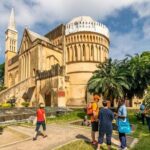
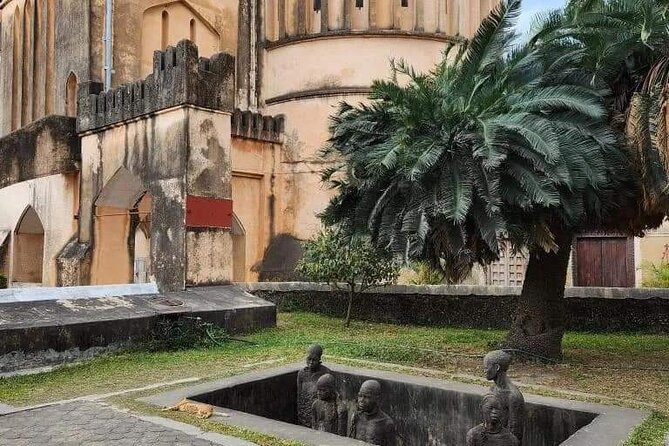
Anglican Cathedral (linked with slave-trade history)
This site is tied to the former slave market area, and your guide covers that context as you go. Note that the entrance fee for the old slave market/Anglican Cathedral is $5, and it isn’t included.
House of Wonders (National Museum in Zanzibar)
You’ll visit the House of Wonders, which is central to understanding Zanzibar’s past. It’s one of those stops that makes the rest of the city click—especially if you’re wondering why the buildings look the way they do.
Palace Museum
This is another anchor point for Swahili-era power and daily life. If you like history that feels grounded in rooms and objects, this tends to land well.
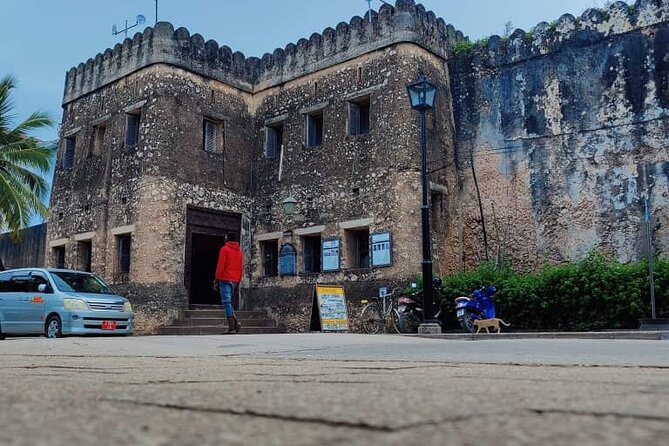
Old Fort
Your guide includes the old fort area as part of the broader story of trade and control. Even if you don’t do extra museum time, the fort setting helps you picture how the city guarded its interests.
Hamamni Baths
This stop adds texture. The baths are a reminder that Zanzibar wasn’t only about commerce—it also had routines and community spaces shaped by local needs.
Catholic Cathedral
You’ll see more than one religious landmark, which helps explain how Zanzibar’s community evolved over time.
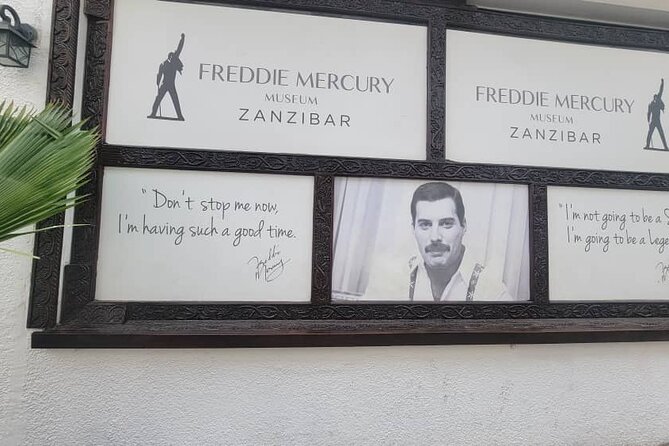
Freddie Mercury House
This is a pop-culture stop, but it also works as a quick pivot between eras. If you like music history, it’s a fun moment that breaks up the heavier themes elsewhere.
Darajani Market
Markets are where the city feels real. Darajani Market helps shift you from history into what everyday life looks like now. If you’re sensitive to crowds or intense smells, keep your expectations flexible and move at your guide’s pace.
Tip: Wear shoes you can trust. Stone Town is a walking experience with uneven surfaces and tight turns, and you’ll be happier if you’re stable and comfortable.
Spice Farm time: learning spices the practical way

After Stone Town, you head to a spice farm that focuses on living plants and everyday uses. Zanzibar gets called the Spice Island for a reason, and the best spice education is the kind you can smell and then taste.
Your farm stop is about two hours at Big Body With Tatata Spice Farm. Admission is included here, so you’re not juggling extra ticket lines while you’re trying to enjoy the experience.
Spices, herbs, and fruits you’ll meet face-to-face
You can expect to explore and learn about a long list, including clove, lemongrass, nutmeg, cinnamon, turmeric, vanilla, coconuts, papaya, chili, black pepper, jackfruit, cardamom, and cassava. The tour approach matters: it’s not just a lecture. You’re meant to smell and taste, so you understand what you’re looking at.
The coconut-tree moment (and Jambo Bwana)
One of the most memorable elements is the chance to watch someone climbing up a coconut tree while singing traditional songs. You’ll likely hear Jambo Bwana, which adds a lively cultural thread to what could otherwise be a purely agricultural visit.
A few more Zanzibar City tours and experiences worth a look






Fresh fruit and snacks included
You’ll also enjoy fresh fruits, and the tour includes fruit snack time. Expect things like coconut juice, bananas, watermelon, pineapple, and mango. This is a great “reset” after Stone Town—different sights, different pacing, and plenty of shade compared with street walking.
If you’re the type who buys spices to cook at home, this is where you’ll decide what you actually want. It’s much easier to choose after you’ve tasted and smelled the real plant, not just a jar.
Timing and transport: how to protect your comfort on a 5–6 hour day
This is a half-day private tour, typically 5 to 6 hours. That range matters because Zanzibar days can stretch—Stone Town walking is time-consuming, and farm time needs to stay unhurried for the tastings to feel relaxed.
Pickup and drop-off are included, and you travel in an air-conditioned vehicle. For comfort, that’s a win. But keep expectations realistic: in one noted experience, the vehicle had seat belts that were not working and no water was supplied. You can’t assume that will happen to you, yet it’s smart to plan like it might.
What I’d do:
- Bring a small bottle of water just in case.
- Carry a light layer or sunscreen, since sun exposure is real across both locations.
- Ask your driver about a good stopping point if you’re wearing swimwear or have a bag you’ll want to manage.
Also, while this is a private tour, it can still feel like a shared logistics day because you’re moving across two busy zones. The guide’s job is to keep you on track, and the reviews consistently praise that kind of guidance, so choose a time slot where you’re not rushing to dinner afterward.
Price and value: is $59.99 a fair deal?
At $59.99 per person, this tour isn’t trying to be the cheapest option—it’s priced for a private, two-part experience with real inclusions. The key question is: what do you get that you’d have to pay for separately otherwise?
Here’s the value math that matters:
- Hotel pickup and drop-off saves you time and hassle, especially if you don’t want to figure out transport during the day.
- You get air-conditioned private transportation, not just a group bus.
- Fruit snacks are included, and the spice farm provides admission included.
- Stone Town includes several major sites, but some entrances are extra (notably the $5 fee for old slave market/Anglican Cathedral).
So where does it land? If you’d otherwise hire a guide for Stone Town and then pay for a farm visit, this “bundle” price starts to look reasonable. If you already plan to self-guide Stone Town and only want the farm, it may feel more expensive—but you’d lose the tight context between the two halves.
Booking tip: the tour is often reserved about 40 days in advance on average, which suggests availability can tighten. If your travel dates are fixed, book earlier rather than later to lock in the pickup time you want.
Who this Stone Town and Spice Farm tour is best for
This is a strong fit if you want two of Zanzibar’s most requested experiences, without turning your day into a mess of separate tickets and meeting points.
You’ll likely enjoy it if you:
- Want a private guide approach in Stone Town instead of wandering blind.
- Care about understanding Zanzibar beyond postcard scenery—especially the trading and slave-trade context tied to key sites.
- Prefer learning spices by smell and taste, not just photos and labels.
- Like a half-day format that doesn’t swallow your entire day.
It’s also a good choice for couples and small groups, since “private” here means only your group goes along.
If you hate any walking at all, this may be harder. Stone Town’s charm comes from movement through narrow streets, and even with a guide, you’ll still be on your feet.
Should you book this private Stone Town and Spice Farm tour?
I’d book it if you want a one-day plan that covers both the history-heavy part of Zanzibar City and the hands-on spice learning part—without leaving gaps. The structure is practical: Stone Town first for context, then the spice farm to reset with senses, snacks, and fruit.
The biggest reasons to feel good about booking are the guided Stone Town sights and the hands-on spice farm experience where you can smell and taste. The main caution is simple: bring your own water and sunscreen, and accept that some Stone Town entrances cost extra.
If your priority is purely minimizing cost, you may find cheaper ways to visit each area. But if you want the day to flow and you value having someone explain what you’re seeing, this one makes sense.
FAQ
How long is the Stone Town and Spice Farm private tour?
It runs about 5 to 6 hours.
Is hotel pickup and drop-off included?
Yes. Hotel pickup and drop-off are included.
Is this tour private or shared?
It’s private, meaning only your group participates.
What does the $59.99 price include?
Included items are fruit snacks, an air-conditioned vehicle, private transportation, and hotel pickup and drop-off. Spice farm admission is included as well.
What is not included in the tour price?
Entrance fees for the old slave market/Anglican Cathedral are not included (listed as $5). Sunscreen is also not included.
Are the Stone Town entrances included?
Not fully. The tour notes that admission for the old slave market/Anglican Cathedral is an extra $5, and other listed Stone Town sights may not include admission.
What can I expect to taste at the Spice Farm?
You’ll enjoy fresh fruits such as coconut juice, bananas, watermelon, pineapple, and mango, plus fruit snack time.
Do I learn about specific spices at the farm?
Yes. The tour includes many spices and herbs, including clove, lemongrass, nutmeg, cinnamon, turmeric, vanilla, coconut, papaya, chili, black pepper, jackfruit, cardamom, and cassava.
What is the cancellation policy?
You can cancel for a full refund up to 24 hours before the experience starts. If you cancel less than 24 hours before, there’s no refund.
How far in advance is this tour usually booked?
On average, it’s booked about 40 days in advance.