REVIEW · ZANZIBAR CITY
Stone town, Spice Farm and Prison Island
Book on Viator →Operated by Ntonji Tours and Safaris · Bookable on Viator
One day in Zanzibar can change your pace fast. This tour strings together Stone Town’s maze streets and Prison Island’s giant tortoises with a hands-on shamba spice stop. I like how the mix of Arabic, African, Indian, and European influences shows up street by street, and how the day shifts from city alleys to open air on the islands.
One heads-up: it’s not a sit-and-watch day. Between narrow streets, walking on uneven ground, and the fact that the outing depends on good weather, you’ll want comfortable shoes and a flexible attitude.
In This Review
- Key Highlights You’ll Actually Notice
- Stone Town’s Car-Free Alleys and Cultural Mix
- House of Wonders, Old Fort Sunset, and the Market Mood
- Prison Island’s 1893 Prison Story Meets the Tortoise Sanctuary
- Spice Farm (Shamba) Taught Like a Real Local Skill
- Timing and Logistics: How the 5 Hours Plays Out
- Price and Value: $130 for Lunch, Tickets, and Private Transport
- Who Should Book This Tour (and Who Might Skip It)
- Should You Book Stone Town, Prison Island, and the Spice Farm?
- FAQ
- How long is the Stone Town, Prison Island, and spice farm experience?
- Is pickup included?
- What’s included in the tour price?
- What happens at Prison Island?
- Do I need to pay separate entry fees?
- Is this a private tour?
- What should I know about timing and when it runs?
- Is weather important?
Key Highlights You’ll Actually Notice

- Private, just your group: pickup is offered and the plan runs for your schedule, not a crowded bus format.
- Stone Town stops that make sense: you’ll see major landmarks like the House of Wonders, plus time in the Old Fort area for sunset.
- Prison Island’s 1893-to-tortoise-story: the island started as a prison built in 1893, and now it’s a tortoise sanctuary.
- Over-100-year tortoises: you’re not just seeing big shells; you’re seeing animals with real age behind them.
- Spice shamba learning you can use: you’ll walk a local spice farm and connect plants to flavor and everyday uses.
Stone Town’s Car-Free Alleys and Cultural Mix

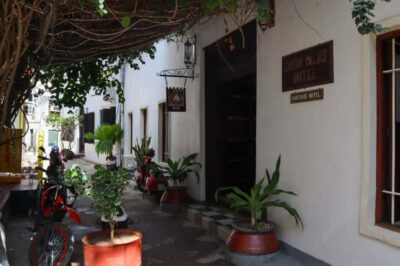
Stone Town is one of those places where the city seems to run on foot. Streets are narrow enough that cars can’t follow, so you feel the rhythm of human-scale travel: turning corners, catching glimpses of courtyards, and hearing bits of daily life as you pass.
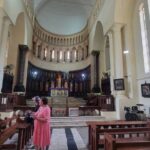
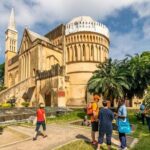
What I like most is how the culture isn’t stored in a museum box. It’s right there in the built environment. You’ll spot mosques, churches, and temples side-by-side, and the architecture carries influences from Africa, Arabia, India, and Europe. It gives you a practical sense of how Zanzibar became a crossroads for trade and people.
If you’re the kind of traveler who likes to understand the “why,” Stone Town helps you connect it quickly. It was a key port, and those trade links show up in the city layout and in what you’ll find in the markets. Even when the streets feel chaotic, you’re not wandering blind—your guide will point out what matters and what to ignore.
A few more Zanzibar City tours and experiences worth a look



House of Wonders, Old Fort Sunset, and the Market Mood
The Stone Town portion typically includes time for major landmarks, plus market atmosphere. Expect guided walking through winding alleys where the scale can catch you off guard at first—small lanes, sudden openings, and buildings close enough that you feel the street “wrap” around you.
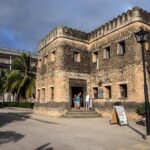
You’ll also get time around the Old Fort area, where the sunset timing is a big part of why this stop feels special. The light changes fast there, and it’s one of those moments that makes Stone Town feel cinematic without trying too hard.
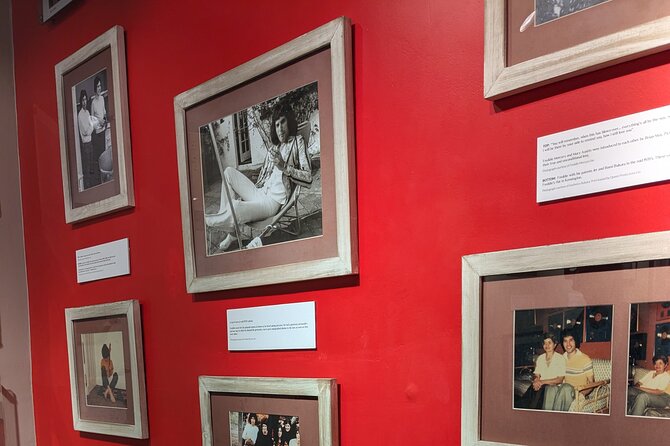
From the experiences I’ve been hearing, guides also do a good job of making the historic sites feel understandable. For example, the Freddie Mercury Museum is a common highlight on this route, along with the Old Fort and areas linked to the island’s former slave trade. You’ll see these spots in a way that doesn’t just list names; it ties them to what Zanzibar was built on—trade routes, power, and human stories that still shape the city.
Shopping-wise, the tone tends to be fair. People often want to show you spices, clothing, and local treats like cashews, but the best part is having someone with you who can help you judge what’s reasonable and where to focus. If you like bringing home practical souvenirs (not just dust-collecting magnets), this is usually where you’ll feel the most value.
Prison Island’s 1893 Prison Story Meets the Tortoise Sanctuary

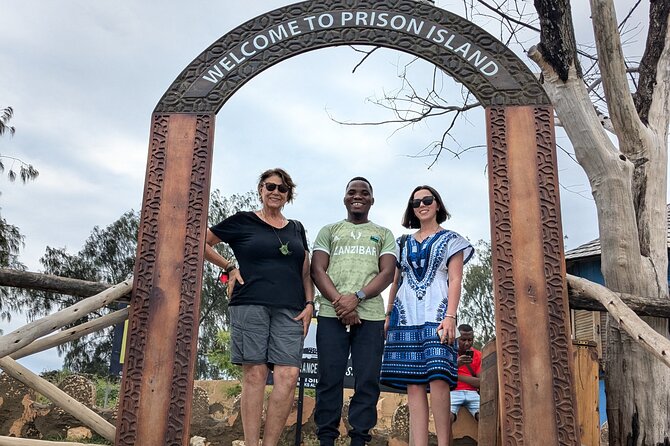
Then the day shifts from Stone Town’s tight lanes to a completely different pace. Prison Island is built on a strong contrast: it was a prison in 1893, and today it’s known for the giant tortoise sanctuary.
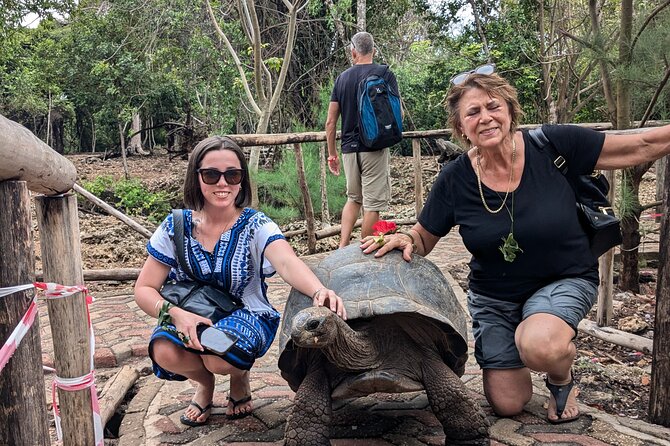
Here’s the key detail: these tortoises weren’t just living there by chance. They were brought from Seychelles in the late 19th century, and many have been living on Zanzibar for generations. In this sanctuary, you may see individuals said to be over 100 years old. That’s not a small talking point—it changes how you experience the place. You slow down because the animals are the center of the story.
The island layout also makes it feel more relaxed than you might expect from the word prison. Yes, you’ll hear the historical background, but your eyes mostly land on the tortoises—especially the way they move slowly through their space, turning the visit into something calmer than a typical sightseeing stop.
Practical note: bring sun protection. Islands can have stronger light than Stone Town, and you’ll likely spend time outdoors.
Spice Farm (Shamba) Taught Like a Real Local Skill
The spice portion is the part that many people remember the longest, mostly because it connects smells to knowledge. Zanzibar’s spices and herbs connect to older trade routes—Portuguese traders are described as playing a role in bringing certain spice traditions through their colonies in South America and India. That backstory matters, because it explains why so many of these crops are tied to everyday life on the island.
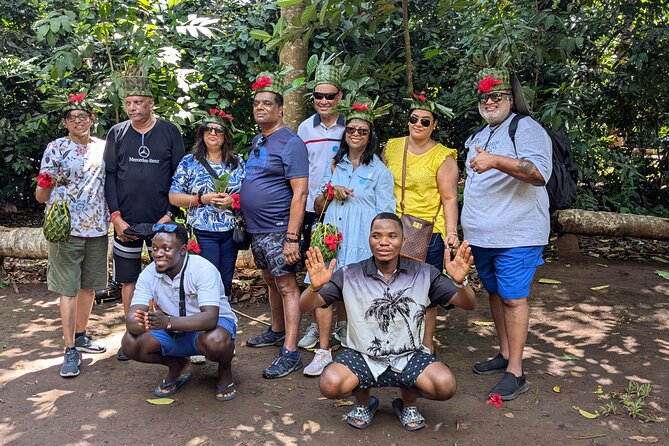
On the shamba, you’ll take a guided walk through a local spice farm. This is where you learn what’s grown, how spices are cultivated, and what different plants are used for. It’s not just “this is cinnamon, this is clove.” It’s more about understanding how the farm supports Zanzibar’s culinary style and how people use these ingredients in real cooking and household life.
Expect your senses to work harder. You’ll see plants at different stages and get guided explanations for their purpose. Even if you’re not a “plant person,” this section tends to click because Zanzibar spices are about flavor, and Zanzibar meals are built around that.
Timing and Logistics: How the 5 Hours Plays Out
This is about a 5-hour experience. In practice, that matters because you’re doing three distinct settings in one stretch: Stone Town walking, island time, and then the shamba.
Stone Town usually takes around an hour on the schedule, while Prison Island and the spice stop make up the rest. That’s enough time to see the main points and not enough time to overdo everything—so you’ll want to pay attention early. If you start sleepy, Stone Town will wake you up fast. If you start rushing, Stone Town will punish that with sore legs and a harder time noticing details.
Pickup is offered, and the operating window listed is 7:00 AM to 6:00 PM, Monday through Sunday. So you’re likely choosing a morning or midday start that fits your other plans on Zanzibar.
Two small planning tips that make a difference:
- Wear shoes you don’t mind getting a little dirty or uneven. Stone Town paths can be tricky.
- Bring a layer or scarf if you want it for religious sites and strong sun, even if you won’t need it the whole time.




Price and Value: $130 for Lunch, Tickets, and Private Transport
At $130 per person for about 5 hours, the big question is value. Here’s what’s included: lunch, private transportation, and all fees and taxes, plus admission tickets.
That package can make sense if you’d rather avoid piecing the day together yourself (boat + entry fees + a guide + transport). Island days in Zanzibar can add costs quickly, especially when you’re trying to cover Stone Town and an island stop in one trip.
Also, the tour is private—only your group participates. That affects value in a real way. It means you’re not stuck waiting for a large group to finish photo stops or bargaining. You can ask questions, set a pace, and keep the day from feeling like a checklist.
In the experiences I saw, guides like Michael, Mohamed, and Juma came through as attentive hosts—on time and focused on making sure you hit the highlights you care about. That kind of guide attention often matters more than people expect, especially in Stone Town, where it’s easy to get turned around.
Who Should Book This Tour (and Who Might Skip It)
This tour is a good fit if you want:
- A focused Stone Town day without stressful planning
- A classic Zanzibar wildlife stop (giant tortoises) tied to real history
- A spice farm experience that teaches you how Zanzibar flavor is built
- A private guide and transport so your day feels efficient
It may be less ideal if you:
- Hate walking or have mobility limits, because Stone Town and island grounds can involve uneven paths and sun exposure
- Want a long, unhurried day at one place only. This is a three-stop sampler designed to cover the main story beats in 5 hours
If you’re traveling with kids or older relatives, you can still ask for pacing that works for everyone. But you should still plan for outdoor time and some uneven surfaces.
Should You Book Stone Town, Prison Island, and the Spice Farm?
I’d book this if you want the simplest way to get the “three big Zanzibar themes” in one day: Stone Town culture, Prison Island’s tortoise sanctuary history, and shamba spice knowledge. The inclusion of lunch, private transport, and admission tickets makes the price feel more predictable than doing it piece by piece.
I would hold back if you’re very sensitive to sun and uneven walking, or if you’re arriving during a stretch of uncertain weather. Since the experience requires good weather, you’ll want a date where the forecast gives you a real chance of a smooth day.
If your goal is a smart, guided route that hits the right places without dragging, this is one of those days that tends to leave people smiling in their photos—and thinking in their heads as they connect the island’s trade history to what they see in front of them.
FAQ
How long is the Stone Town, Prison Island, and spice farm experience?
It runs for about 5 hours.
Is pickup included?
Yes, pickup is offered.
What’s included in the tour price?
Lunch, private transportation, and all fees and taxes are included. Admission tickets are included as well.
What happens at Prison Island?
You visit the historic prison island built in 1893 and see the tortoise sanctuary, including giant tortoises brought from Seychelles in the late 19th century (some are described as over 100 years old).
Do I need to pay separate entry fees?
No. Admission tickets are included in the tour.
Is this a private tour?
Yes. It’s private, meaning only your group participates.
What should I know about timing and when it runs?
The experience operates Monday through Sunday from 7:00 AM to 6:00 PM.
Is weather important?
Yes. The experience requires good weather, and if it’s canceled due to poor weather, you’ll be offered a different date or a full refund.