REVIEW · ZANZIBAR CITY
A Half Day Private Stone Town Tour
Book on Viator →Operated by Zanzibar Crystal Tours & Safaris · Bookable on Viator
Stone Town feels like a living puzzle. This half-day private tour through Zanzibar City focuses on coral-stone streets built in the 19th and 20th centuries, now a World Heritage Site. I like it because you get a real guide to read the architecture as you walk—carved wooden doors, balconies, loggias, and verandas make instant sense when someone points them out.
I also love the packed-and-practical plan in about 3–5 hours: the Former Slave Market Site, Darajani Town Market, Zanzibar Coffee House, Sultan’s Palace, and the Old Arab Fort. The only drawback is time—if you want slow browsing and lots of shopping stops, you may feel a bit rushed and will likely want a follow-up visit later.
In This Review
- Key Things to Know Before You Go
- Stone Town in Half a Day: Why This Timing Works
- Coral-Stone Streets and the Architecture You’ll Actually Notice
- Former Slave Market Site: One Stop That Changes the Tone
- Darajani Town Market: A Good Place to Watch Life Happen
- Zanzibar Coffee House: The Map Marker for a Local Break
- Sultan’s Palace and the Old Arab Fort: Where the Past Feels Built-In
- Price and Logistics: What $78 Buys You in Real Terms
- A Quick Reality Check: Who This Tour Fits Best
- What to Watch For During the Walk
- Should You Book This Half-Day Stone Town Tour?
- FAQ
- How long is the Stone Town tour?
- Is this tour private?
- Do I get pickup and transportation?
- What’s included in the $78 price?
- What is not included?
- What stops are included during the tour?
- Is there a mobile ticket?
- Does the tour require good weather?
- What is the cancellation policy?
- When will I get confirmation after booking?
Key Things to Know Before You Go
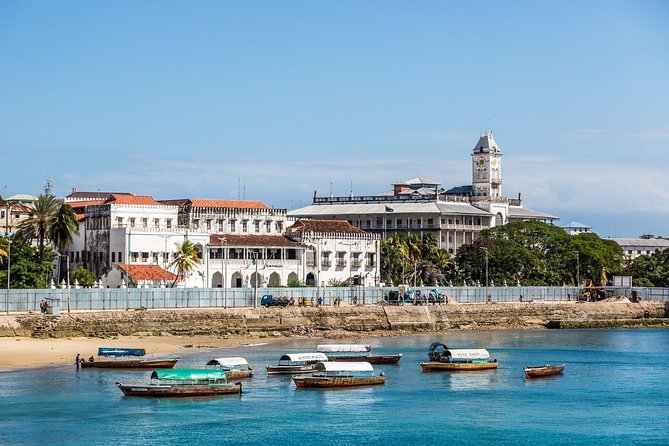
- World Heritage focus, not a random tour: you’ll spend your time where the coral-stone streets and historic buildings actually tell the story.
- A guided walk that makes doors and balconies readable: carved details and architectural design stand out more with an expert pointing them out.
- Cultural mix you can see instantly: Arabic, African, Indian, and European influences show up as you move through narrow lanes.
- Not just pretty scenery: the Former Slave Market Site adds a serious, reflective stop to balance the lively streets.
- Markets and coffee are built in: Darajani Town Market and Zanzibar Coffee House are part of the route, so you get the everyday Zanzibar flavor too.
- Private format keeps the pace workable: you’re not sharing your day with strangers, which is a big deal in a maze-like place.
Stone Town in Half a Day: Why This Timing Works
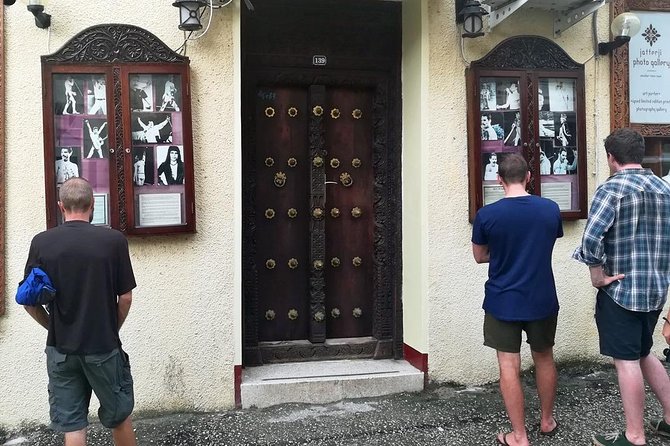
Stone Town is the kind of place where every turn can change the scene—old stonework, religious buildings side by side, and streets so narrow you won’t see cars even if you try. That’s exactly why a half-day plan works better than a full-day “see everything” fantasy. You’ll get a guided overview that helps you get your bearings fast, without burning your whole day.
This tour is designed for a 3 to 5 hour window, which is also practical in Zanzibar City. You can still use your remaining time for a second pass on the spots that grab you most. And because it’s private, you can ask questions as you go rather than trying to catch up with a big group.
The private setup also matters here: Stone Town’s lanes can be confusing, and having someone handle the navigation keeps you focused on the sights—like the distinctive coral-stone street setting and the historic architecture that comes with it.
You can also read our reviews of more private tours in Zanzibar City



Coral-Stone Streets and the Architecture You’ll Actually Notice
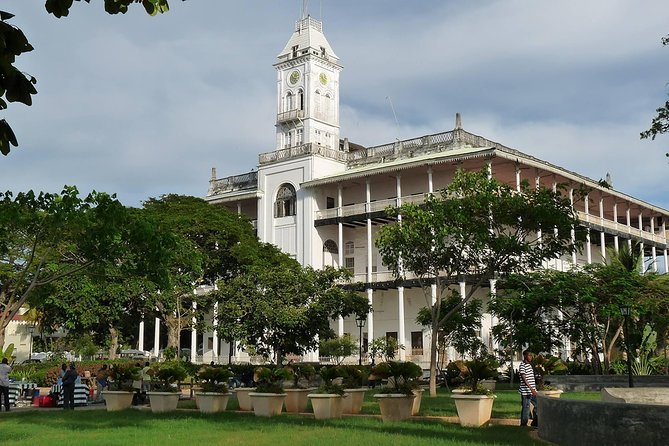
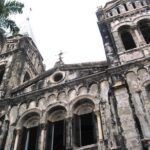
The heart of the experience is a guided walk through Stone Town’s historic core, with the emphasis on coral-stone construction from the 19th and 20th centuries. Even if you’ve seen photos, in-person details are what make it click: carved wooden doors, shaded balconies, and veranda-style spaces that look both functional and ceremonial.
What I like about this kind of tour is that you’re not just ticking off landmarks. You’re learning to look. A good guide helps you notice how different cultural influences show up in design choices—Persian, Indian, Arab, and European influences are described as being mixed with local African tradition, and you can feel that layering as you pass buildings.
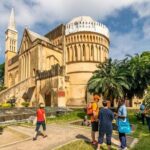
You’ll also see how religious life sits close to everyday street life. The tour route is set up so you’re moving past mosques, churches, and temples in the same walk. That tight proximity is one of Stone Town’s defining features, and it’s hard to catch it all on your own without getting lost or missing context.
One small practical tip: wear shoes that handle uneven stone and keep your pace steady. These lanes are walkable, but they’re not smooth like a promenade.
Former Slave Market Site: One Stop That Changes the Tone
Most Stone Town tours include the “wow” buildings. This one also includes the Former Slave Market Site, and that matters because it shifts the day from sightseeing to memory and meaning.
You can treat this part of the tour like a reset button. The surrounding streets still feel lively, but this stop gives you the context you’d otherwise skip. It’s not about turning your trip gloomy—it’s about balancing the experience so the architecture and the culture you’re seeing have their full weight.
I’d suggest you slow down mentally here. Take a moment before you move on. Let it land. Then when you return to the busier parts of the route—market streets and coffee—you’ll understand why the contrast exists.
Darajani Town Market: A Good Place to Watch Life Happen

After the serious stop, you shift into the energy of the city at Darajani Town Market. This is where the day becomes more than architecture. Markets are where you see how people live, trade, and socialize, even when you’re only there for a short window.
For me, the big value of having the market included is timing. If you arrive in Stone Town without a plan, it’s easy to spend your best hours circling the same area. With a guide keeping you moving, you get market life without it turning into an all-day wandering project.
What to expect: you’ll be in a busy public space with plenty of activity. Keep your phone secured, stay aware of your surroundings, and don’t try to rush the photos. The point is to experience what’s in front of you, not just capture it.
Zanzibar Coffee House: The Map Marker for a Local Break
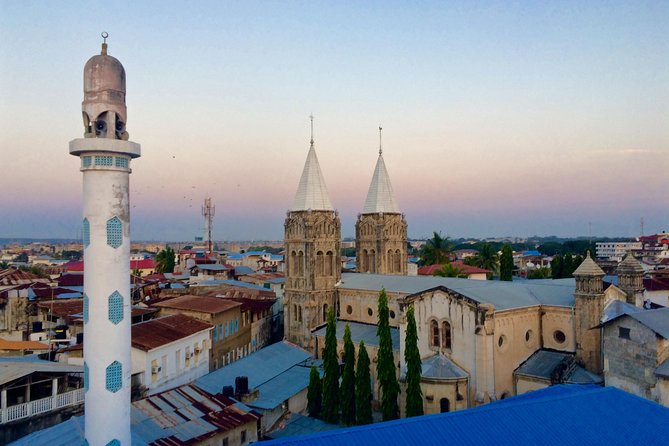
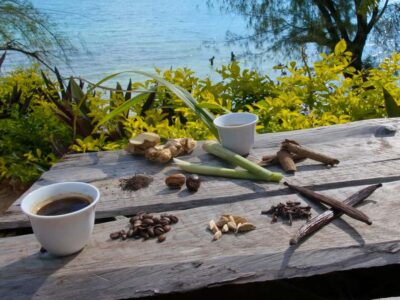
Between sightseeing stops, the route includes Zanzibar Coffee House. On paper it might sound like just another check-in, but it’s actually useful. It gives you a built-in pause so you can breathe, reset your legs, and keep your energy up for the remaining historic structures.
Even if you’re not a “coffee stop” person, this break is about more than the drink. It’s your chance to take in the setting and step away from the constant walking rhythm for a few minutes. A half-day tour can feel intense if every hour is movement—this stop helps avoid that.
If you’re planning to buy anything from the market area, this is also a good mental checkpoint. You can decide what you still want to see before you commit your remaining time.





Sultan’s Palace and the Old Arab Fort: Where the Past Feels Built-In
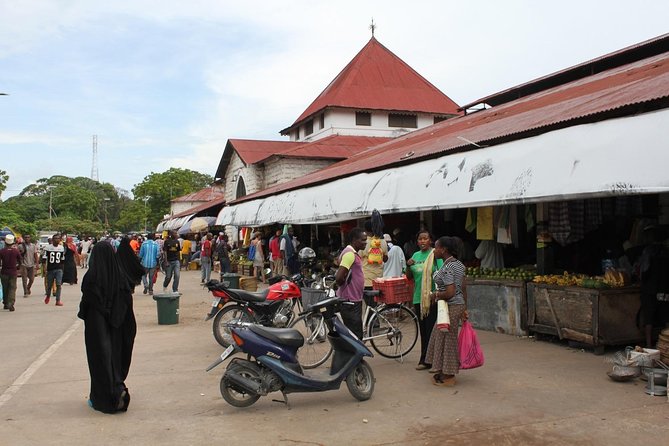
The later stops are the architectural anchors of the day: Sultan’s Palace and the Old Arab Fort. Together, they help you connect what you saw earlier—doors, balconies, street form—with more formal power centers and defensive structures.
These are the kinds of places where a guide’s narration is especially helpful. When you’re short on time, you don’t want to stand in front of a landmark reading it like a textbook. You want the highlights: why it mattered, what to notice, and how it fits into the broader picture of Stone Town as a cultural crossroads.
This is where the “labyrinth of streets” effect pays off. Because you’ve already walked through the narrow lanes and seen the layered cultural influences, the palace and fort stops feel like logical chapters instead of random sightseeing stops.
Price and Logistics: What $78 Buys You in Real Terms
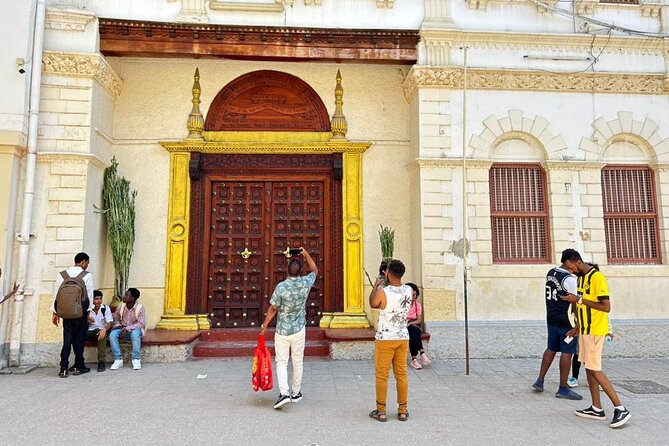
The price is $78 per person, and the value is strongest when you look at what’s included. You get an experienced professional tour guide, bottled water during the tour, private transportation, and all fees and taxes. The admission ticket is noted as included as well.
That’s a lot bundled into one cost, which matters in Stone Town. The area is walk-focused and taxi-focused, but navigating it efficiently can cost time. By having private transportation and a pickup option, you reduce the stress of coordinating your own route while you only have a half day.
Two other practical perks: the tour offers a mobile ticket, and you can get group discounts (useful if you’re traveling with others). Also, it’s private, so only your group participates, which keeps the experience more flexible for your interests and pace.
Timing note: it’s commonly booked around 16 days in advance on average. If you have fixed plans, booking ahead helps lock in the time window you want.
A Quick Reality Check: Who This Tour Fits Best
This is a great fit if you:
- want a guided orientation to Stone Town without spending your whole day wandering
- like architecture and cultural context, not just taking photos
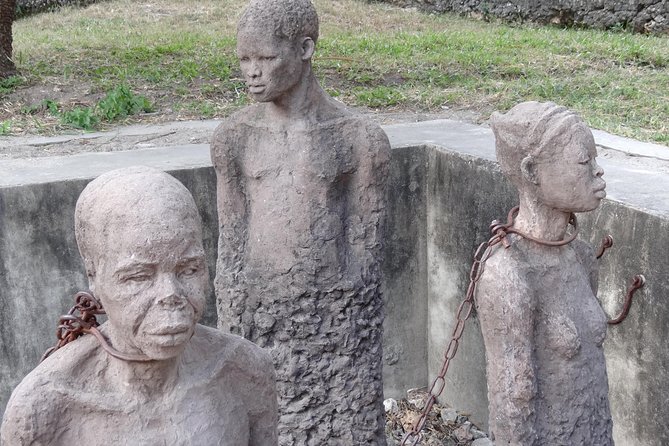
- appreciate a route that balances lively streets with a serious stop like the Former Slave Market Site
- prefer private pacing, especially in a place with narrow lanes
It may be less ideal if you:
- want a totally unstructured day for shopping and long stops
- need lots of time at a single museum-style location (this route is built for momentum)
For best comfort, plan for walking time, bring water (you’ll get bottled water on the tour), and wear something with support for uneven streets.
What to Watch For During the Walk
Here are the moments that tend to make this tour feel worth it:
- Carved wooden doors and balcony details: don’t rush these; they’re the visual payoff of coral-stone architecture.
- Religious buildings side by side: notice it as you walk, since Stone Town’s layout makes contrast unavoidable.
- Market energy without losing focus: the route keeps you moving, but you’ll still get time to feel the public-life vibe at Darajani.
- Switch in tone at the Former Slave Market Site: if you’re mentally prepared, the contrast feels meaningful instead of jarring.
Also, pay attention to the guide style. In the feedback you’ll see a strong theme around Issa—people praise him for being phenomenal, resourceful, and effective even for larger first-time groups. If your guide has that kind of clarity, the whole day clicks.
Should You Book This Half-Day Stone Town Tour?
If your goal is to understand Stone Town quickly—its coral-stone streets, layered cultural influences, and key landmarks—then this tour is a smart use of time. The route makes a real effort to balance architecture, everyday life, and a reflective historical stop, all while keeping you moving in a manageable 3 to 5 hour window.
I’d book it if you value structure and guidance more than free-form wandering. I’d think twice if you want hours of shopping downtime or you plan to linger deeply at just one location. For most first visits, though, this is the kind of half-day that helps you enjoy the rest of Zanzibar City with better context and less guesswork.
FAQ
How long is the Stone Town tour?
It runs for about 3 to 5 hours.
Is this tour private?
Yes. It’s a private tour/activity, and only your group participates.
Do I get pickup and transportation?
Pickup is offered, and the tour includes private transportation.
What’s included in the $78 price?
The price includes an experienced professional tour guide, bottled water during the tour, private transportation, and all fees and taxes (and admission is noted as included).
What is not included?
Medical insurance (if needed) and expenses of personal nature are not included.
What stops are included during the tour?
The tour covers Stone Town and includes stops such as the Former Slave Market Site, Darajani Town Market, Zanzibar Coffee House, Sultan’s Palace, and the Old Arab Fort.
Is there a mobile ticket?
Yes, the tour includes a mobile ticket.
Does the tour require good weather?
Yes. This experience requires good weather. If it’s canceled due to poor weather, you’ll be offered a different date or a full refund.
What is the cancellation policy?
Free cancellation is available up to 24 hours in advance for a full refund. If you cancel less than 24 hours before the start time, you won’t receive a refund.
When will I get confirmation after booking?
Confirmation is received at the time of booking.