REVIEW · ZANZIBAR CITY
Spice Farm and Jozani Forest Private Tour
Book on Viator →Operated by The Sultan Tours · Bookable on Viator
Smell the Spice Island in one morning. This private tour bundles guided spice tasting at Jambo Spice Farm with a walk in Jozani Chwaka Bay National Park, where you can try to spot the red colobus monkeys found only in Zanzibar.
I love how the day is built around an easy start—your hotel pickup handles the logistics—and how your guide helps you touch, smell, and taste the herbs and fruits that made Zanzibar famous.
One thing to plan for: the Jozani park fee isn’t included in the $89.99 price, so you’ll pay that separately at the park.
In This Review
- Spice Farm + Jozani Forest: The Value of a Private, Time-Saving Day
- Key Highlights You’ll Feel Immediately
- From Zanzibar City to Jambo Spice Farm: Comfort First
- Jambo Spice Farm: Spices, Fruits, and the Stories Behind Them
- Jozani Chwaka Bay National Park: Red Colobus and the Forest Mood
- Mangrove Boardwalk: A Coastal Lesson After the Monkeys
- Price and Logistics: What’s Included, What You Pay Separately
- Private Tour Perks: Why Your Guide Matters Here
- Snacking, Timing, and What to Expect in 5–6 Hours
- Best Fit: Who This Tour Works For (and Who Might Want Something Else)
- Should You Book This Spice Farm and Jozani Forest Tour?
- FAQ
- What time does the tour start?
- How long is the Spice Farm and Jozani Forest private tour?
- What’s included in the price?
- Do I need to pay anything for Jozani Forest National Park?
- Is this tour private?
- What should I expect at the spice farm?
Spice Farm + Jozani Forest: The Value of a Private, Time-Saving Day
If your Zanzibar plan is short, this is the kind of tour that respects your time. You’re not bouncing between tickets, buses, and meeting points. You get picked up, driven in an air-conditioned vehicle, fed with fruit snacks and bottled water, then guided through two major stops—first the spice farm, then the forest and mangroves.
The price is $89.99 per person, and it’s designed for convenience: private transportation, hotel pickup and drop-off, and a mobile ticket. There’s also private touring for just your group, so you’re not squeezed into someone else’s pace.
What makes it good value is that you’re not only sightseeing—you’re learning. At the spice farm you explore and taste a long list of spices and tropical fruits. At Jozani you get a guided chance at wildlife viewing, plus an extra mangrove boardwalk that explains how this ecosystem protects the coast.
The one practical catch is budgeting for the park entry. The Jozani park fee is $12 for non-residents (or $7 for residents in local terms). The spice farm admission is included for the stop at Jambo Spice Farm, so your biggest separate cost is that national park entry.
Key Highlights You’ll Feel Immediately
- Hotel pickup and drop-off keep the day smooth from the first minute
- Hands-on spice and fruit tasting at Jambo Spice Farm (touch, smell, and taste)
- Red colobus monkey chances in Jozani Chwaka Bay National Park, Zanzibar’s only national park
- Mangrove boardwalk education on coastal erosion and the role of mangroves
- Fruit snacks and bottled water so you don’t run out of energy mid-tour
- Private group format for a calmer, more flexible pace
You can also read our reviews of more private tours in Zanzibar City
From Zanzibar City to Jambo Spice Farm: Comfort First
The tour starts at 8:30 am, which is smart. You get moving while the morning is still friendly, and you’re more likely to catch active wildlife later when you’re heading into the park.
You leave your Zanzibar hotel in an air-conditioned vehicle. That matters in the heat—especially when your first stop involves walking around an outdoor farm and spending time listening to guide explanations. Even if your plans include other activities later, starting early gives you a cleaner rhythm for the full day.
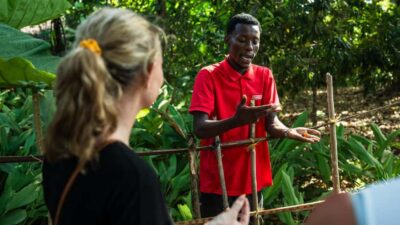
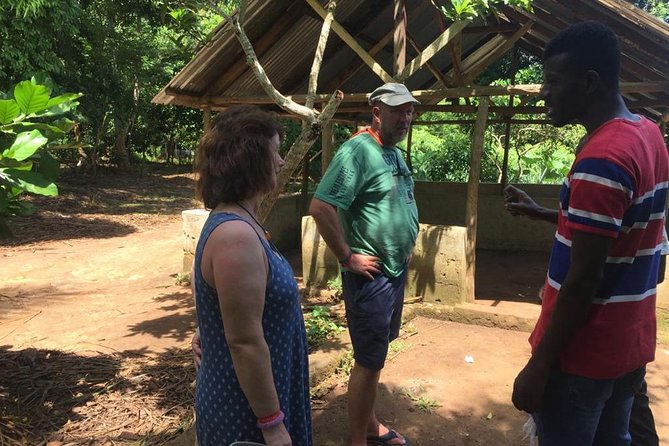
At Jambo Spice Farm, you’re not just looking at plants behind a fence. You’re guided through a tasting-style experience: you’ll explore and interact with spices and fruits, learning what they are and what they’re used for. The structure is built for first-time visitors who want more than postcard facts.
And there’s a cultural moment here too. The experience includes watching someone climb a coconut tree while singing traditional songs (Jambo Bwana). It’s not only entertainment—it helps you see how closely everyday life connects to the island’s crops and traditions.
Jambo Spice Farm: Spices, Fruits, and the Stories Behind Them
Jambo Spice Farm is where Zanzibar’s nickname—Spice Island—stops being a slogan and starts feeling real.
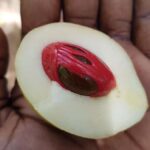
Your guide walks you through a range of spices, herbs, and tropical fruits. You can expect to encounter staples like clove, lemongrass, nutmeg, cinnamon, turmeric, vanilla, and black pepper, plus other ingredients tied to everyday Zanzibar cooking and local knowledge. There are also fruits such as coconut (including coconut juice), bananas, watermelon, pineapple, and mango, along with other items mentioned as part of the farm’s tasting lineup like chili, cardamom, jackfruit, and cassava.
What I like about this format is that it’s sensory. You’re invited to touch and smell, then taste. Spices aren’t just names on a label. You learn how they smell when they’re fresh, and you can connect the flavor to what you’ve likely tasted in Zanzibar restaurants before.
Practical note: the spice tasting is guided, but you still control how adventurous you want to be. If you’re curious, ask questions about what you’re tasting and why it’s used. If you prefer low-key sampling, you can focus on the spices and fruits you enjoy most.
A possible consideration is that farm stops are outdoors and involve walking around. Wear comfortable shoes and plan for sun. You’ll have water with you, but you’ll still want to be ready for a warm morning.
Jozani Chwaka Bay National Park: Red Colobus and the Forest Mood
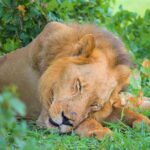
After the spice farm, you shift from cultivated plants to Zanzibar’s protected forest world at Jozani Chwaka Bay National Park. This park is the only national park on the island, and it’s famous for red colobus monkeys, which are described as only found in Zanzibar.
This is where a guide earns their keep. Wildlife sightings aren’t guaranteed, but you’ll have a real chance because your guide knows where to look and how to read the forest. Expect a slower pace—more listening, scanning treetops, and watching movement than rushing from point to point.
You may also come across other species mentioned as possible in the park, including Sykes monkeys, bush babies, and lots of nature activity beyond mammals. The tour notes mention more than 50 species of butterfly and 40 species of birds. One useful detail: butterflies and birds are more likely when conditions are right—especially early morning or in the evening. Since this tour starts at 8:30 am, you’re in a timeframe that can help.
There’s also a human side to the forest education. The tour highlights that the park contains different types of plantation that can be used as medicine, or for construction and furniture, along with other practical uses. That kind of explanation helps you see the forest as something people depend on, not just a backdrop for photos.
One more timing reality: Jozani plus the mangroves boardwalk is included in the same overall 5 to 6 hour tour. If you love wildlife watching, you’ll want to bring patience. The goal here is guided spotting and learning, not a marathon trek.
Mangrove Boardwalk: A Coastal Lesson After the Monkeys
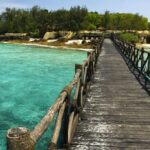
Right after the forest portion, you’ll go to a mangrove boardwalk. It’s a nice change of pace. Instead of focusing on monkeys and treetops, you shift to a different ecosystem—one that lives at the edge between land and sea.
You’ll learn how mangroves help prevent coastal erosion. That’s not just a science fact; it’s also one of those Zanzibar lessons that connects nature protection to livelihoods. Mangroves act like a buffer, and understanding that makes your walk feel more purposeful than a simple stroll.
If you’re wondering about timing, the tour keeps the flow simple: forest experience first, then boardwalk. Since the tour overall runs about 5 to 6 hours, the boardwalk is likely a shorter, guided experience rather than a long exploration. Still, it’s a strong add-on because it gives you variety in one morning window.
A few more Zanzibar City tours and experiences worth a look


Price and Logistics: What’s Included, What You Pay Separately
Let’s talk money the way you’ll actually feel it on the day.
Your base cost is $89.99 per person. Included are:
- Hotel pickup and drop-off
- Air-conditioned vehicle
- Private transportation for your group
- Fruit snacks (like watermelon, pineapple, bananas, mangoes, and more)
- Bottled water
- Admission ticket included at Jambo Spice Farm
- Mobile ticket
Not included is the Jozani park fee:
- $12 (non-residents)
- $7 (residents, with the equivalent based on local rules)
So in practice, you’re paying for a “guided day bundle.” The spice farm portion is already handled. The only separate cost you need to plan for is the national park entry.
Value-wise, this tour makes sense if you care about convenience and interpretation. If you’re comfortable navigating on your own, you could reduce costs by arranging transport and buying tickets separately. But if you want a single organized plan—especially with hotel pickup, comfort, and a guide explaining what you’re seeing—this is a fair trade.
Private Tour Perks: Why Your Guide Matters Here
A private tour isn’t only about not sharing space. It’s also about not feeling rushed.
Here, the guide plays a central role at both stops:
- At the spice farm, your guide helps you understand what you’re smelling and tasting.
- In Jozani, your guide helps you focus on the most promising wildlife viewing moments—especially for the red colobus monkeys.
One name that stands out from prior feedback tied to this experience is Casey, mentioned as an outstanding guide. That matters because spotting monkeys in a forest isn’t just luck—it’s attention to detail, movement, and timing.
Also, this is operated by Sultan Tours, and there’s appreciation specifically for how their team stays organized when schedules get messy—like disembarking from a cruise at a busy port. If you’re arriving by ship or you like knowing the crew can handle stress, that reassurance is worth something.
Snacking, Timing, and What to Expect in 5–6 Hours
This tour is designed for a half-day window: about 5 to 6 hours total.
You spend about 2 hours at Jambo Spice Farm, which includes the tasting-style exploration and the admission being covered. After that, you head into Jozani Chwaka Bay National Park, then finish with the mangrove boardwalk. The forest part and boardwalk are part of the same day flow, so you’ll want to plan for a steady, guided pace rather than long independent wandering.
You’ll stay fueled with provided fruit snacks and bottled water. That’s a small detail that actually makes a big difference. When you’re mixing heat, walking, and wildlife scanning, energy dips can happen. The snacks keep you from needing to find food somewhere mid-tour.
If you want to get the most out of it:
- Eat something light before pickup if you tend to get hungry early.
- Bring a light layer if you run cold in air-conditioning.
- Wear shoes you’re comfortable in for outdoor walking and boardwalk surfaces.
Best Fit: Who This Tour Works For (and Who Might Want Something Else)
I’d steer you toward this tour if you:
- Want a guided introduction to Zanzibar’s spices plus a wildlife-focused park visit
- Prefer hotel pickup and the ease of an organized route
- Like learning in a practical way—what spices are, what they taste like, and how forests connect to daily life
- Have limited time and want to cover spice farm + Jozani + mangroves in one go
It may be less ideal if you’re hoping for a long, slow, unstructured nature experience. This is built as an efficient, guided day, so the pace won’t be leisurely. And remember: even in a good wildlife park, sightings depend on conditions. You’re going for a strong chance—not a guaranteed checklist.
Should You Book This Spice Farm and Jozani Forest Tour?
If you want a smooth, beginner-friendly Zanzibar morning that combines culture (spices), nature (red colobus monkey chances), and a strong educational add-on (mangroves), I think this is a solid booking. The standout value is the pairing: spice tasting at Jambo Spice Farm plus a guided walk in Jozani Chwaka Bay National Park—all wrapped in air-conditioned comfort and hotel pickup.
I’d say book it if you like the idea of learning through your senses and you’d rather pay a guided package price than handle transport and timing on your own.
Hold off only if the extra Jozani park fee makes your budget tight, or if you want more hours in the park than this tour’s half-day format offers.
FAQ
What time does the tour start?
The tour starts at 8:30 am.
How long is the Spice Farm and Jozani Forest private tour?
It runs about 5 to 6 hours.
What’s included in the price?
Included are snacks (fruit snacks), bottled water, an air-conditioned vehicle, private transportation, and hotel pickup and drop-off. Jambo Spice Farm admission ticket is included.
Do I need to pay anything for Jozani Forest National Park?
Yes. The Jozani park fee is not included. It’s listed as $12 for non-residents, or $7 for residents (equivalent in TZS).
Is this tour private?
Yes. This is a private tour/activity, so only your group participates.
What should I expect at the spice farm?
You’ll learn about Zanzibar’s spices and fruits by exploring and using your senses—touching, smelling, and tasting different spices and tropical fruits—plus a cultural moment that includes someone climbing a coconut tree while singing traditional songs.