REVIEW · ZANZIBAR CITY
Stone Town Guided Tour from Zanzibar
Book on Viator →Operated by ARP Travel Group · Bookable on Viator
Stone Town can feel like a maze with stories. This guided 3-hour walk brings order to the walled lanes, and I love that you get a professional guide plus included entrance fees so you spend your time looking, not figuring it out. You’ll also get a smart mix of places tied to everyday life (the market) and big moments in Zanzibar’s past (fort defenses and the slave-market site). One possible drawback: it’s a walking tour in heat, and the stops move at a steady pace, so plan on comfortable shoes and a light, patient attitude.
Here’s the value angle that matters: hotel pickup and drop-off means you’re not wrestling with taxis or missing the start time. I also like that you can choose a morning or afternoon departure, which helps you match the tour to your day. The tour isn’t about long stays in each spot, though, so if you want super slow wandering or deep museum-style reading, you might want extra time in Stone Town after.
In This Review
- Key things to know before you go
- How the Stone Town tour runs in about 3 hours
- Darajani Bazaar: Main Market for real Zanzibar life
- Old Fort (Ngome Kongwe): Omanis, Portuguese, and curio-shop views
- Anglican Cathedral and the Old Slave Market site
- Entrance fees, hotel pickup, and what you still need to budget for
- The 30-minute shopping break: buy smarter in Stone Town
- Who this tour is best for (and who should rethink it)
- Should you book the Stone Town Guided Tour?
- FAQ
- How long is the Stone Town Guided Tour?
- Is hotel pickup and drop-off included?
- What is included in the tour price, and what is not?
- Which key places will I visit during the tour?
- How much time do I get for shopping?
- Can I choose a morning or afternoon departure?
- What should I wear for Stone Town?
- What is the cancellation policy for a full refund?
Key things to know before you go
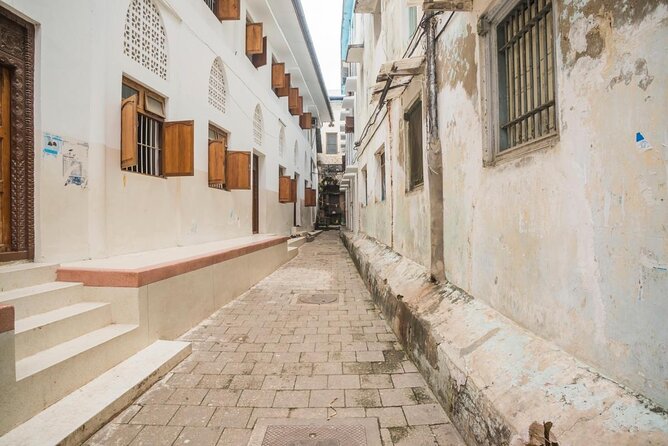
- UNESCO Stone Town on a short timetable: about 3 hours, with a guide to connect the dots fast
- Darajani Bazaar first: start with a real market, not a staged stop
- Old Fort (Ngome Kongwe) as a living cultural center: curio shops and an open-air amphitheater setting
- Old Slave Market / Anglican Cathedral site: active church, plus cellars tied to the former slave market
- 30-minute souvenir window: enough to shop, not enough to burn your whole budget
- Dress code matters: conservative clothing in a working religious-and-historic area
How the Stone Town tour runs in about 3 hours
This is a private, half-day style guided tour in Zanzibar City that runs for roughly 3 hours. It’s designed to be efficient: you get picked up from your hotel, then you’re taken through key areas on foot, with a guide doing the heavy lifting—explaining architecture, landmarks, and why the places matter.
Because it’s private, your group sets the pace a bit more than on big group tours. Still, Stone Town is compact but not flat, and you’ll be walking through narrow lanes where shade can come and go. Zanzibar heat can hit hard, so I’d treat this as an active tour even if it doesn’t feel like a workout.
You’ll also want to know what kind of guide help you’re buying. The tour lists a professional guide, and it may be operated by a multilingual guide. From what I’ve heard on the ground, some people end up with guides or drivers like Said Faki (often praised for being excellent throughout the stay) or Seif Ali (with strong spoken English). Another name that shows up is Omar. Those are not guaranteed, but they’re good examples of the kind of clear, practical storytelling you want in a place like Stone Town.
You can also read our reviews of more guided tours in Zanzibar City



Darajani Bazaar: Main Market for real Zanzibar life
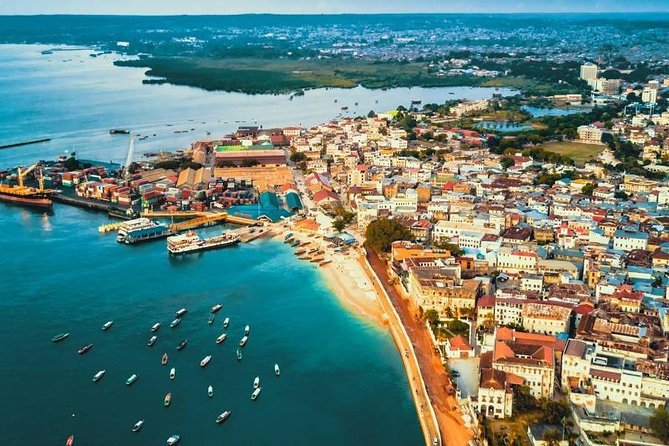
Darajani Bazaar is the first stop, and it’s the kind of place that instantly changes the tone of the day. This is Zanzibar’s main market area around Darajani Road near the Anglican Cathedral of Christ. It’s mainly a food market—seafood, meat, fruits, grains, and spices—so you’ll see daily commerce, not just tourist scenery.
You might hear it called Estella Market (after Countess Estella, sister of Lloyd Mathews), or in Swahili Marikiti Kuu, meaning main market. The market’s structure dates to 1904, built by Bomanjee Maneckjee for Sultan Ali bin Hamud, and it was later extended and restored. That timeline matters because it explains why the market feels both old and still functional.
What I like about starting here: you learn how Stone Town’s economic heartbeat works before you jump into major monuments. You’ll also see shops side-by-side with the market’s food stalls. That mix helps you understand Zanzibar’s cross-cultural influences in a concrete way—goods, spices, and everyday needs moving through the same streets as stories of empires and trade.
Practical note: this is a crowded sensory stop. If you’re the type who hates tight spaces, go slow and keep water handy. Also, for shopping later, it helps to get your bearings here first so you know what prices feel like.
Old Fort (Ngome Kongwe): Omanis, Portuguese, and curio-shop views
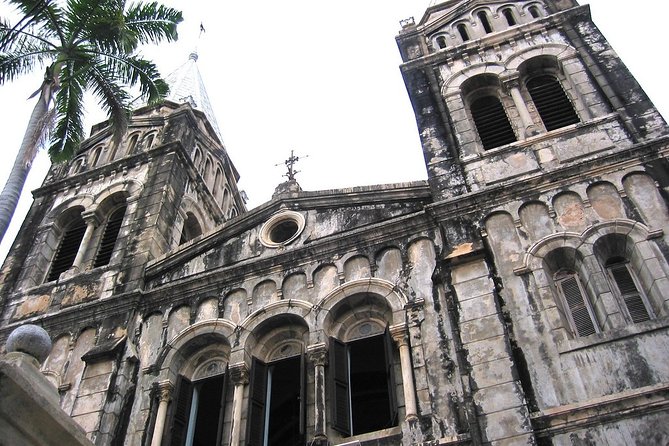
Next comes the Old Fort (Ngome Kongwe). This is an iconic Stone Town landmark: high brown walls, multiple entrances, and classic fort-style stonework. Even if you don’t linger, the shape tells you it was built for defense.
Historically, the fort was built by the Omanis in the 17th century as a defense against the Portuguese. Today, it’s been converted into a cultural center with curio shops inside, and there’s also an open-air amphitheater where performances may be held. That change—from military function to community and commerce—makes the place feel less like a dead artifact.
What’s useful for you on a guided visit: you’re not just seeing walls. You’re learning how a structure like this fits into Portuguese–Omani rivalry and the broader Indian Ocean power struggles that shaped Zanzibar. The fort being described as the oldest standing structure in Stone Town adds weight, but the real value is how quickly a guide connects those details to what you can see with your eyes.
If you’re short on time, this is a good stop because it’s both visually distinct and easy to navigate. The shops can make it feel a bit like a tourist market once you’re inside, but that’s also where you can pick up traditional handicrafts in a setting that still reads as Stone Town’s historic core.
Anglican Cathedral and the Old Slave Market site
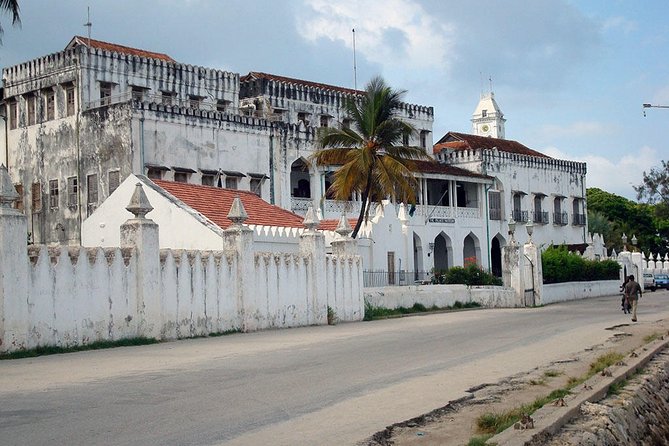
This stop is often the most emotionally heavy part of the tour, and it’s also one of the most important to understand. The Anglican Cathedral of Christ and the old slave market site are linked in place and context.
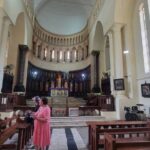
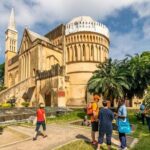
The cathedral is described as a coral stone Canterbury-style church built on the site of the former slave market under the British-supported Muscat and Oman Sultanate period. It was built between 1873 and 1883. You’ll hear about the altar location being believed to stand at the place of the old whipping post. The site also has an active bell tower with a clock and a cross made from the tree connected to the story of David Livingston’s heart burial in 1873.
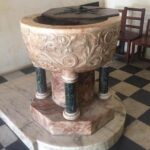
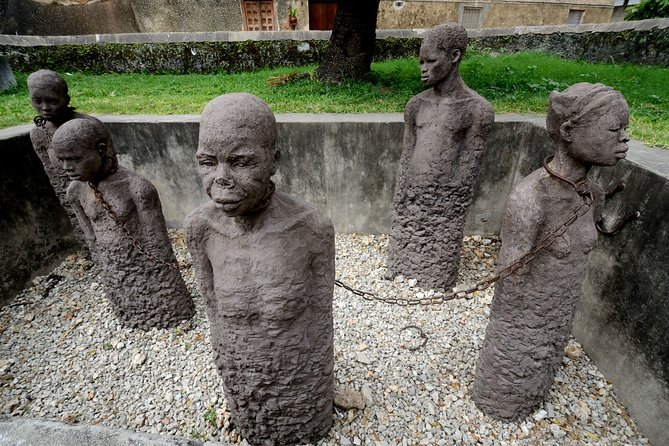
In the surrounding area, there’s a connection to former slave chambers. Next to the church, you can enter slave chambers in the cellars of the old Anglican Mission House, which is now a hostel. There’s also mention of a concrete sculpture in the churchyard showing slaves exiting a holding cell made by a Swedish sculptor.
For your experience, the biggest value of this stop is pacing and context. Without a guide, it’s easy to see a striking cathedral and miss the deeper layers. With a guide, you get a clearer explanation of why this building was placed here and how the memorial shapes the way people move through the space today.
Tip: if you want photos, do it respectfully and ask yourself if the moment is about documentation or understanding. Also remember the dress code applies here—cover shoulders and wear long skirts or trousers.
Entrance fees, hotel pickup, and what you still need to budget for
The price is $85 per person, and the tour includes a professional guide, hotel pickup and drop-off, and entrance fees. That package matters because Stone Town can include small entry charges across sites, and those add up fast if you’re piecing together visits yourself.
What’s not included is just as important: food and drinks aren’t covered. There’s also no mention of souvenir photos being included, and those can be purchased separately. Plan to bring water, and decide early whether you’ll stop for snacks before or after the tour.
Another small but real planning detail: this is listed as a mobile ticket experience. That can be helpful when you’re coordinating with your driver and meeting point, especially in a maze-like city where landmarks can blend together quickly.
Also keep expectations realistic about time. The tour is about 3 hours, and the stops are short. If you’re the type who wants to read every plaque, you’ll need more time in Stone Town beyond this guide-led route.





The 30-minute shopping break: buy smarter in Stone Town
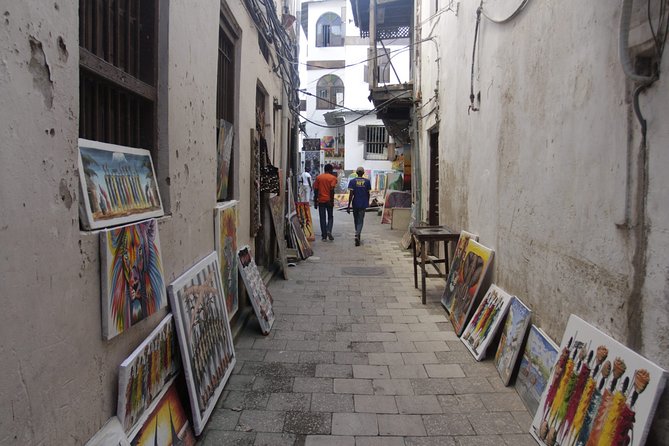
One of the highlights is a 30-minute shopping break. This is the part where you can turn history into practical souvenirs—things like carved wooden items, tingatinga-style art, spices, and other local crafts.
Here’s the practical way to shop without getting pressured: set a rough budget before the market or fort shops pull you in. Then pick a category first. For example, spices are easier to compare when you’ve already seen the spice vibe at Darajani Bazaar. If you want art or crafts, the fort area can be a convenient spot because it’s compact and focused.
Also, treat this shopping window as optional. If you’d rather spend that time walking a quieter lane or resting in shade, you can. A good guide can often help you prioritize what fits your interests rather than dragging you through every stall.
One more note from the way the tour is structured: the shopping break comes after you’ve seen the sites. That order is good. You’ll know why the souvenirs you’re shopping for belong in Stone Town, not just in a tourist shop.
Who this tour is best for (and who should rethink it)

This tour fits best if you want a guided overview that covers major sights in a short window. It’s especially good for first-timers to Stone Town who need help reading the streets and understanding what’s connected to what.
You should also consider it if you value structure: you get pickup, a planned route through key landmarks, and entrance fees handled. The tour is private, so you won’t be stuck in a group that moves too fast for you.
What to watch for: moderate physical fitness is suggested. That doesn’t mean it’s hard, but it is walking in uneven, historic lanes. If you have mobility limitations, or if you hate heat and crowds, you may find parts uncomfortable. Also, the tour dress code is conservative, so plan outfits that cover shoulders and use long skirts or trousers.
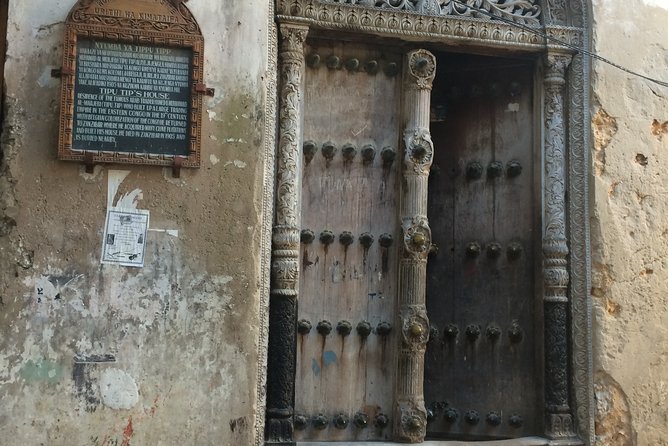
If you’re coming for photos only, this tour can still work, but you might get more satisfaction by adding extra free time afterward to revisit the doors, balconies, and viewpoints at your own pace.
Should you book the Stone Town Guided Tour?
I’d book it if you want the fastest way to understand Stone Town without juggling tickets, directions, and timing. At $85, the included guide and entrance fees make it a solid value, especially with hotel pickup and drop-off. For me, the biggest win is the guide-led context—Darajani Bazaar sets the everyday scene, Old Fort gives you defensive architecture and cultural center atmosphere, and the cathedral/old slave market stop adds the kind of historical meaning you don’t get from just wandering.
I’d skip or reconsider if you’re chasing long, slow museum time or if you dislike walking in heat. Also, if your priority is a full day of shopping, this tour only gives you about 30 minutes for that.
If you do book, be ready with conservative clothing, comfortable shoes, and a short list of what you want to buy. Then enjoy the part that makes Stone Town special: the way a few streets can carry centuries of trade, faith, conflict, and daily life.
FAQ
How long is the Stone Town Guided Tour?
It runs for about 3 hours.
Is hotel pickup and drop-off included?
Yes. Pickup and drop-off are included at Zanzibar hotels.
What is included in the tour price, and what is not?
The tour includes a professional guide, hotel pickup and drop-off, and all entrance fees. Food and drinks are not included, and souvenir photos are available to purchase.
Which key places will I visit during the tour?
You’ll visit Darajani Bazaar, the Old Fort (Ngome Kongwe), and the Old Slave Market/Anglican Cathedral area.
How much time do I get for shopping?
You get a 30-minute shopping break.
Can I choose a morning or afternoon departure?
Yes, you can choose either a morning or an afternoon departure.
What should I wear for Stone Town?
Dress conservatively: cover your shoulders and wear long skirts or trousers.
What is the cancellation policy for a full refund?
You can cancel up to 3 days in advance for a full refund. If you cancel less than 3 full days before the experience starts, the payment is not refunded.