REVIEW · ZANZIBAR CITY
Zanzibar Cooking Class [Swahili food test ] and Spice farm Private tour
Book on Viator →Operated by mango travel & tours ltd · Bookable on Viator
Spices hit different when you meet the plant. This Zanzibar cooking class and Tangawizi Spice Farm private tour turns the Spice Islands story into hands-on learning, with real tasting and a Swahili cooking finale.
I especially like that you get both sides of the experience: the farm walk where you touch, smell, and taste fresh spices from the growing areas, and then the cooking time that connects those ingredients to everyday Swahili dishes. I also like that the day includes lunch at the farm, so you’re not scrambling for food after the work in the kitchen.
The one thing to plan for is cash. You may want to tip several people during the day, and purchases (including spice shop buys) may not accept cards—so bring enough Tanzanian shillings or cash in small amounts.
Key highlights at a glance
- Tangawizi Spice Farm: organic spice education with hands-on tasting
- Mama Africa’s Swahili cooking: cassava leaf harvest, coconut milk making, and a cooking practice
- Young coconuts: fresh tasting picked for you by a coconut tree climber
- Lunch included: eat at the spice farm instead of fitting in another meal
- Private tour setup: only your group participates, with pickup and private transportation included
In This Review
- Why Zanzibar spices feel real on this farm-to-kitchen day
- Tangawizi Spice Farm: learn the Spice Islands plants up close
- Swahili cooking with Mama Africa: cassava leaves and coconut milk
- Lunch at the spice farm, plus the shop where spices actually matter
- Price and value: what $59 buys you on this Zanzibar food day
- The practical side: timing, pickup, and how to tip without stress
- Who should book this private spice farm and cooking class?
- Should you book this Zanzibar cooking class and spice farm private tour?
- FAQ
- How long is the Zanzibar Cooking Class and Spice Farm Private Tour?
- What time does the tour start?
- Where does this experience take place?
- Is pickup included?
- Is lunch included?
- What does the tour include besides the spice farm visit?
- What spices and ingredients will I see or taste?
- Is alcohol included?
- Is this a private tour?
- What if I need to cancel?
Why Zanzibar spices feel real on this farm-to-kitchen day
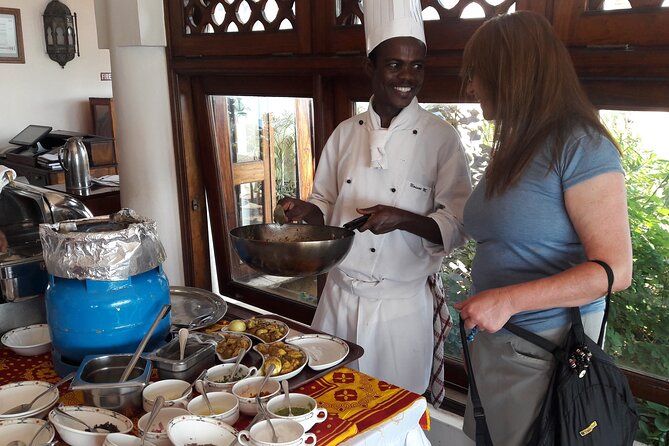
Zanzibar earns its Spice Islands nickname for a reason. Here, spices are not just souvenirs in little jars. They’re living crops you can sniff straight from the plant, and they show up in meals in ways you can actually taste right after learning the basics.
This is built as a full cultural-food day: first you spend time on the organic spice farm, then you move into a cooking session guided by Mama Africa. In between, you gather ingredients and learn how they’re used as both flavor and traditional medicine. That mix matters because it gives you more than trivia. It gives you a mental map you can use later when you cook at home or shop for spices in Zanzibar.
You also get a “show, don’t tell” approach. If you’ve ever tasted cardamom powder that’s been sitting on a shelf for years, you already know how different fresh material can be. This day is designed to make that difference obvious, fast.
Tangawizi Spice Farm: learn the Spice Islands plants up close
The day starts with a guided visit to Tangawizi Spice Farm, focusing on how Zanzibar grows and uses its major spice crops. You’re there long enough to do it properly—about three hours—with a guide leading you through the farm and explaining what you’re seeing.
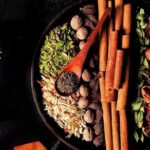
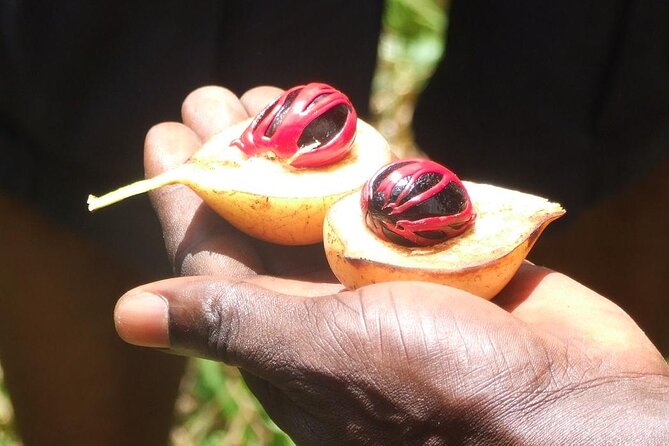
You’ll encounter the core spice lineup that made Zanzibar famous: cloves, nutmeg, cinnamon, and black pepper, plus other fragrant plants such as vanilla and cardamom. What makes this stop especially useful is the direct sensory component. You’re able to touch, smell, and taste spices and herbs straight from the growing area, rather than relying only on dried samples.
That sensory part is not just fun. It helps you understand why quality matters. Fresh spices often smell stronger and taste cleaner, with sharper aroma before the flavors turn muted. When your guide describes how spices are used as medication and as flavor in dishes, you’ll be able to connect the claim to your own senses right there on the farm.
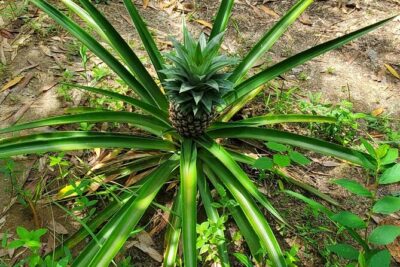
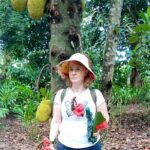
You’ll also see tropical fruits alongside the spice plants. It’s a nice reminder that Zanzibar flavor isn’t only about spices. The islands grow a lot of produce that supports meals beyond the spice cabinet—sweet, fresh, and bright in a way that pairs naturally with coconut and cassava later in the day.
What to pay attention to during the farm walk
- Ask what parts you’re smelling or tasting (bark, seed, pod, etc.), since that’s what translates to cooking at home
- Notice which spices feel strong and which feel warm or floral, then match that to the dishes you’ll cook later
- If you’re buying spices, take a minute to compare aroma while you’re still fresh from the plant tasting
You can also read our reviews of more food & drink experiences in Zanzibar City
Swahili cooking with Mama Africa: cassava leaves and coconut milk
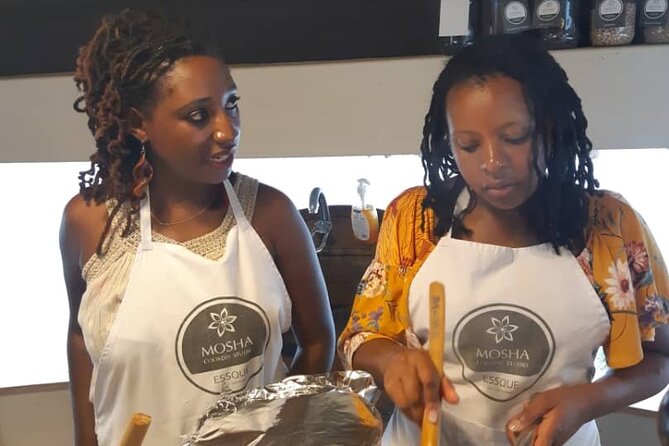
After the farm time, the program shifts into hands-on Swahili cooking with Mama Africa. This part runs about two hours and is where your farm learning turns into a practical food experience.
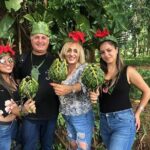
Here’s what you can expect to do: you’ll meet with Mama Africa, then you’ll take part in a cassava leaf harvest, make coconut milk, and practice cooking. The day also includes a fresh young coconut tasting, with a coconut tree climber picking coconuts for you to try.
This section matters because it shows how Zanzibar dishes get their structure. Cassava leaves bring a distinct green, slightly earthy character, while coconut milk adds body and a soft sweetness that balances heat. Spices are the bridge: they connect what you smelled on the farm to what you’re eating in the kitchen.
It’s also a good cultural pacing choice. Instead of rushing straight from farm to meal, you do the work first—harvest and preparation—then you cook and eat. That makes the flavors feel earned, not just consumed.
Some days like this can turn very scripted. This one has the feel of a shared activity rather than a lecture. One highlight from the day is how the cooking is tied to the spices you collected earlier, so you’re not learning two unrelated stories. You’re building one Zanzibar flavor path, step by step.
Lunch at the spice farm, plus the shop where spices actually matter
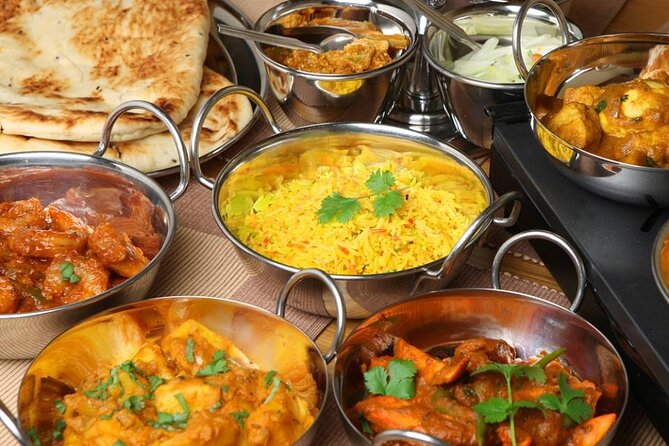
Lunch is included, served at the end of the farm day. That’s a smart setup because you’re already in the right place to eat what you helped prepare and learn how the dishes come together with the ingredients from the farm.
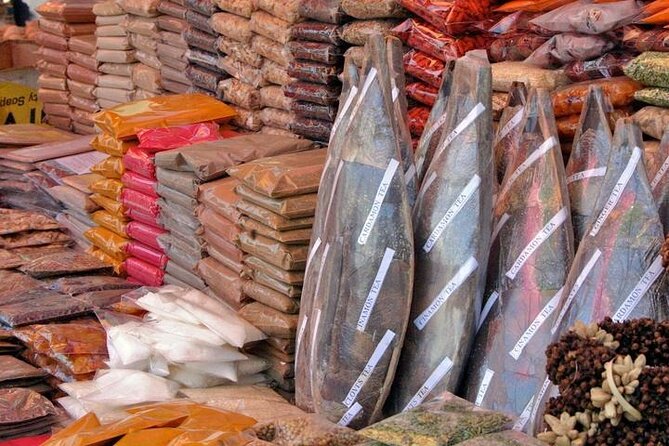
You’ll also have the chance to purchase spices from the shop. This is where I’d be practical: don’t buy on impulse. Smell is your friend. Compare aromas with what you tasted earlier on the farm, and think about how you’ll use the spice at home. If you know you cook stews, rice dishes, sauces, or chicken, you’ll find spices here that match those habits.
Cash planning is important. One recurring tip from people who did the experience is to bring plenty of change or cash in shillings for tipping and for purchases. Card payments may not be accepted, especially at small points like the shop or for extra add-ons during the day. If you want the freedom to buy what you like, show up ready with cash.
Alcoholic beverages are not included, so if that’s part of your lunch routine, plan to budget separately.
Price and value: what $59 buys you on this Zanzibar food day
At $59 per person, this isn’t just a short sightseeing activity. It’s a coordinated, private half-day experience (about five hours) built around three things that usually cost extra when they’re separated: transportation, guided farm entry, and the cooking program with food preparation.
You get private transportation and all fees and taxes included. Pickup is offered, and you get a mobile ticket. Then you add the biggest value drivers: you’re not only touring the farm—you’re also cooking with Mama Africa, harvesting cassava leaves, making coconut milk, tasting young coconut, and eating lunch.
The private format is part of the math too. This is designed so only your group participates, which typically makes the experience feel less rushed and more adjustable to your pacing. If you’re traveling with friends or family, the private setup can make the day feel smoother without waiting around for strangers.
Booking tends to happen in advance—on average about 29 days ahead—so if you’re aiming for a specific day, don’t wait until the last moment.
The practical side: timing, pickup, and how to tip without stress
Start time is 9:00 am in Zanzibar City, and the experience runs about five hours. That means you’ll likely still have the rest of your day for beach time, Stone Town wandering, or a slow sunset—if your schedule allows.
Because pickup is offered and private transportation is included, you’re not left arranging how to get to the farm and back. That alone is worth something, especially if you’d rather spend your Zanzibar time on food, not logistics.
The other practical issue is tipping. People noted you may want to tip multiple parts of the operation—guide, cooking portion, coconut drink, and the driver. Since cash-only situations can pop up, bring enough bills and small change. It keeps the day pleasant and avoids the awkward end-of-tour scramble.
If you like planning with clarity, this tour is structured enough to follow easily: farm learning first, then cooking and hands-on preparation, then lunch and shop time.





Who should book this private spice farm and cooking class?

This is a great fit if you want Zanzibar flavor in a real-world way. You’ll enjoy it most if you care about food culture, enjoy hands-on activities, or like learning why ingredients work—especially when you can smell and taste them from the source.
It also fits well for first-timers who want a compact introduction to Zanzibar’s signature industry. You cover the farm side of spice production and the kitchen side of Swahili cooking in one day, without needing to piece together multiple stops.
Because the tour says most travelers can participate and service animals are allowed, it’s a practical option for a lot of visitors. It’s also near public transportation, which can help if you end up making your own way or need backup plans.
One more reason it works: it’s a private experience. If your group values conversation with the guide and hands-on participation, private usually feels more comfortable than crowded group tours.
Should you book this Zanzibar cooking class and spice farm private tour?
Yes, I think you should book it if you want more than a quick spice demo. The combination of Tangawizi’s organic farm time, the guided explanation of how Zanzibar spices are used, and the active cooking session with Mama Africa creates a day that stays memorable after you leave.
Book it especially if you’re the kind of person who likes to return from a trip able to use what you learned—like knowing how spices you bought will actually taste when cooked, not just how they look in a bag.
Just go in prepared for the cash/tipping reality, since that’s the main friction point. Bring enough shillings and small change, and you’ll be able to enjoy the day without last-minute stress.
If you’re craving Zanzibar flavors, this is one of the more practical ways to get them—plant to plate, in about five hours.
FAQ
How long is the Zanzibar Cooking Class and Spice Farm Private Tour?
The total duration is about 5 hours.
What time does the tour start?
The start time is 9:00 am.
Where does this experience take place?
It takes place in Zanzibar City, Tanzania.
Is pickup included?
Yes, pickup is offered, and private transportation is included.
Is lunch included?
Yes, lunch is included.
What does the tour include besides the spice farm visit?
You’ll meet Mama Africa for Swahili cooking, harvest cassava leaves, make coconut milk, and practice cooking. You’ll also taste young coconuts picked for you.
What spices and ingredients will I see or taste?
You can expect to see and learn about spices such as cloves, nutmeg, cinnamon, black pepper, vanilla, and cardamom. You’ll also work with cassava leaves, coconut milk, and tropical fruits.
Is alcohol included?
No. Alcoholic beverages are not included.
Is this a private tour?
Yes. It is a private tour/activity, and only your group participates.
What if I need to cancel?
You can cancel for a full refund if you cancel up to 24 hours in advance of the experience start time.