REVIEW · ZANZIBAR CITY
Private Spice Tour in Zanzibar with Pick Up
Book on Viator →Operated by Abdi Suleiman · Bookable on Viator
Spices tell stories, and this one works. In Zanzibar City, this private spice farm visit turns spice production into something you can smell, taste, and point at in real time, not just hear about. You’re guided through a working garden setting where spices and produce grow side-by-side.
I especially like the hands-on interaction: your guide has you crush leaves, smell herbs, and try to guess what you’re learning. I also love the mix of kitchen spices and everyday Zanzibar plants, including cosmetics crops like henna, perfume tree, and lipstick tree.
One thing to consider: it’s not set up like a neat, landscaped “spice theme park.” It’s a working farm with paths and lots of different plants, so if you want rows for easy photos, this style may feel less tidy.
In This Review
- Key highlights worth planning for
- Jambo Spice Farm: a working garden, not a museum
- The spice tasting lesson: how you learn cinnamon, cardamom, and more
- Beyond the kitchen: henna, perfume tree, and lipstick tree
- Fruits in the mix: rose apple, guava, and the chance to sample
- The coconut and monkey moments (small, but memorable)
- Guide + pickup: why the morning flow matters
- Price and what you actually get for $81
- What to expect from the walking pace and format
- Who should book this private spice tour
- Should you book this private spice tour with pickup?
- FAQ
- How long is the private spice tour?
- What time does the tour start?
- Is pickup included?
- Where does the tour take place?
- What will I taste or smell during the visit?
- What’s included in the price?
- What is not included?
- Is this tour private?
- Is free cancellation available?
Key highlights worth planning for
- Scent and taste games with cinnamon, cardamom, nutmeg, vanilla, and black pepper
- Cosmetics plants you may only recognize from bottles—henna, perfume tree, lipstick tree
- Fresh fruit tastings like rose apple and guava
- A private format with only your group plus pickup in Zanzibar City
- Includes food, water, fruits, entrance fees, and transport
- About 2–3 hours, with a relaxed walking pace on the farm
Jambo Spice Farm: a working garden, not a museum

This tour is built around one simple idea: spices feel more real when you meet the plant. Your stop is Jambo Spice Farm, and you’ll walk through a garden packed with aromatic species, fruits, and vegetables. Instead of standing in one spot, you move from bush to bush while your guide explains what each plant is used for and how locals use it.
What makes this tour click for me is the texture of it. You’re not only learning names. You’re getting close enough to notice the difference between leaves, pods, bark, and seeds. It’s the kind of experience that makes you understand why Zanzibar spices have such strong reputations: they’re not abstractions here.
You’ll also notice the tour leans “practical” instead of “poetic.” Many of the spices are tied to daily cooking, but you also hear medicinal uses that still matter locally. That blend helps you connect the scent you love in food to the plant that produces it.
You can also read our reviews of more private tours in Zanzibar City



The spice tasting lesson: how you learn cinnamon, cardamom, and more
Expect plenty of direct interaction. Guides hand you the moment-to-moment learning: they’ll crush leaves, invite you to smell, and encourage you to guess what spice you’re encountering. It’s fun, but it also teaches you faster than watching someone point from across a walkway.
Here’s what you can look forward to tasting and smelling:
- Cinnamon
- Cardamom
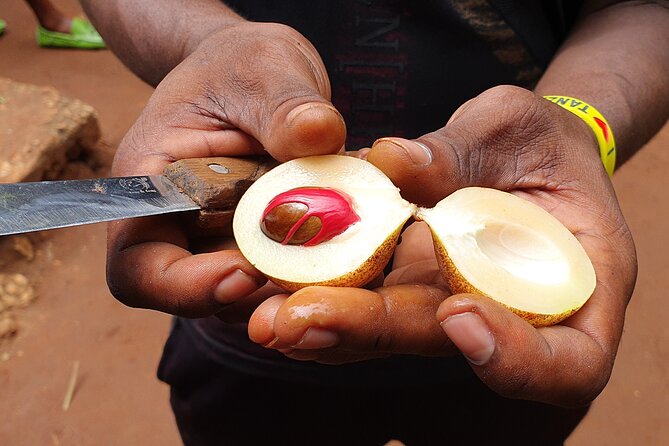
- Nutmeg
- Vanilla
- Black pepper
You’ll also run into other common spice-rack ingredients grown in the garden, such as turmeric, garlic, ginger, chilies, cloves, and more. The list changes slightly depending on what’s in season and what’s in the garden that day, but the aim stays the same: you should leave with stronger recognition than you arrived with.
If you end up with a guide like Ibrahim Latutu, you’ll probably get extra personality and humor layered on top of the education. In one group, Ibrahim was described as kind and entertaining—and that matters because it keeps the pace light while you’re doing a lot of sensory work.
Beyond the kitchen: henna, perfume tree, and lipstick tree

One reason this tour gets high marks is that it doesn’t limit itself to what you’d buy at a supermarket. Along the way, you’ll spot plants that are used for cosmetics, including henna, perfume tree, and lipstick tree. Seeing these crops in place helps you understand that the island’s plant knowledge isn’t only about food.
This part also tends to stick with you because it surprises people. Most of us can picture cinnamon or black pepper in a dish. But cosmetics plants feel more mysterious until you learn how they’re used and why certain parts of the plant matter.
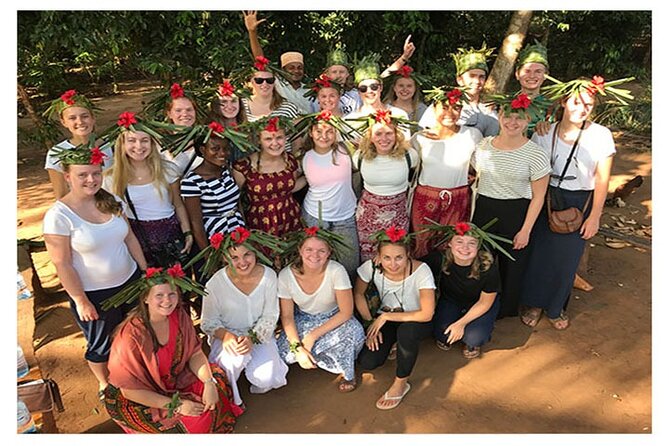
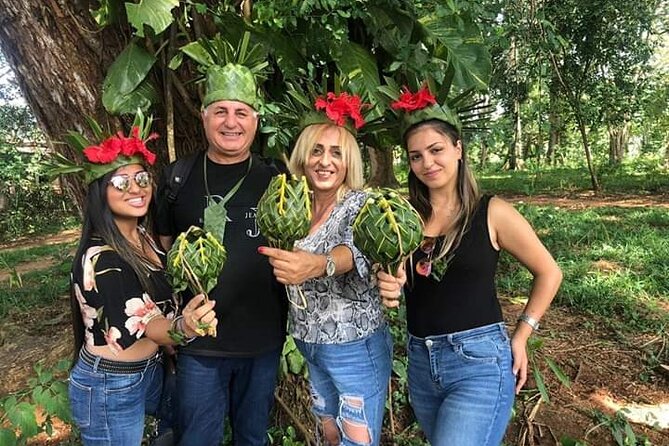
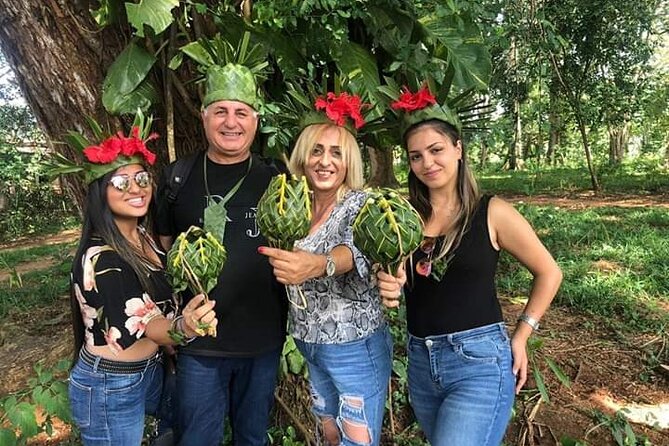
And yes, this tour’s guides usually make it hands-on. One helper made items out of palm leaves and flowers—like a purse, ring, necklace, and a crown of palms. Even if you don’t care about souvenirs, it’s a good reminder that the same plants you smell can also be used for craft and daily life.
Fruits in the mix: rose apple, guava, and the chance to sample
A good spice tour should feed you, and this one does. You’ll get to enjoy fresh fruits during the walk—reported favorites include rose apple and guava. It’s not just a snack break. The fruits add a new flavor contrast so you can notice how spices and sweet produce interact in real eating.
One practical perk: tasting fruits at the farm often feels more satisfying than tasting them in a restaurant later. You’re still in the “source” atmosphere, so it’s easier to connect flavor to place.
You might also see other produce options depending on what’s available in the garden. The overall message is that Zanzibar growing isn’t one crop at a time—it’s a whole system of spices, fruits, and vegetables.
The coconut and monkey moments (small, but memorable)

Some tours are all lesson, no surprise. This one has room for light detours that make photos worthwhile.
In past experiences, a guide climbed a coconut tree, then the group was able to drink from their own individual coconut. It’s not a long segment, but it breaks up the tasting and gives you a real “island” moment.
You may also spot monkeys playing in the forest area. The exact timing isn’t guaranteed, but if you do catch them, it adds a playful natural background to the farm setting. I like these little interruptions because they keep your brain from going into “class mode.”





Guide + pickup: why the morning flow matters
This is a private tour, so you’re not stuck with other people’s pace. Your group only participates, and that makes it easier to ask questions and adjust if you want extra time smelling or tasting certain plants.
Pickup is offered, and transport fees are included. You’re starting at 9:30 am, so you’ll likely get a more comfortable morning rhythm—less heat, less rushing, and more calm for a walking experience.
The guides also seem to be a key ingredient. In different groups, names like Abdi (the guide), Ibrahim Latutu (the guide), and Seif (the guide) came up with praise for attentiveness, professionalism, and lighthearted storytelling. One driver, Hussein, was noted as friendly and punctual, and that matters because getting there smoothly lets you enjoy the experience instead of burning energy on logistics.
Price and what you actually get for $81

At $81 per person, the cost can feel like a question until you look at what’s included. This tour covers:
- Transport fees
- Local food
- Water
- Fruits
- Entrance fees
- Professional guide
It does not include:
- Guide tip
- Personal expenses
So you’re not only paying for “someone to walk with you.” You’re also getting farm access, tastings, and included refreshments. If you value guided explanation and want the convenience of pickup, this price is easier to justify.
The practical value here is that the tour squeezes a lot of recognizable plants into one time block—about 2–3 hours—with interaction that helps you remember. If you’re the type who likes taking home a skill (like identifying cinnamon vs. cassia by smell, or recognizing vanilla pods), you’ll feel like this was worth it.
If you’re expecting a long, full-day excursion with multiple stops, you may find the duration a touch short. But for a morning activity that teaches you something real, it’s a solid fit.
What to expect from the walking pace and format

The experience is described as a walking tour of the spice farms at Kizimbani or Kidichi. Expect paths through mixed plant areas where your guide points things out and then pulls you into tasting or smelling.
Most people can participate, so it’s not positioned as a high-intensity hike. Still, you are walking on farm terrain, so wear something you can move in comfortably.
Another small “expectation check”: it’s not presented as perfectly uniform rows of spices. One person noted that they expected rows but found the layout different—and that actually makes sense. Spice farms grow in mixed systems, and part of the charm is seeing plants grown the way locals cultivate them.
Who should book this private spice tour
This tour is a strong choice if:
- You like hands-on learning (smell, taste, guess)
- You want Zanzibar beyond the beach—still local, still practical
- You’re curious about how spices connect to medicine and cosmetics
- You want a private morning activity with pickup
It’s also good for couples and small groups who’d rather ask questions freely than share a guide with strangers. The private format means your guide can slow down for one person’s questions without derailing the whole experience.
You might want to consider another kind of tour if:
- You want a long itinerary with multiple major stops
- You’re only interested in shopping and not in tasting/learning
- You’re set on a highly structured, photo-perfect garden layout
Should you book this private spice tour with pickup?
I’d book it if you want a short, morning-friendly Zanzibar experience with real sensory learning. The combination of included transport, guide, entrances, water, fruits, and local food makes it feel less like a “pay-to-enter” stop and more like a guided, all-in farm visit.
You’ll get the most out of it if you show up curious and let the guide do the interactive part. If you end up with a guide like Seif, Abdi, or Ibrahim Latutu, you’re likely to get both knowledge and a good mood.
If you’re only chasing a quick photo and don’t care about tasting, it may feel too “slow” compared to flashier tours. But if you like learning from the source—plants in the ground—this one is a very sensible pick.
FAQ
How long is the private spice tour?
It lasts about 2 to 3 hours.
What time does the tour start?
The start time is 9:30 am.
Is pickup included?
Yes, pickup is offered, and transport fees are included.
Where does the tour take place?
The tour is in Zanzibar City, and the spice farm walk is at Kizimbani or Kidichi.
What will I taste or smell during the visit?
You’ll taste and/or smell spices such as cinnamon, cardamom, nutmeg, vanilla, and black pepper, and you may also experience other spices and fruits during the walk.
What’s included in the price?
The price includes transport fees, local food, water, fruits, entrance fees, and a professional guide.
What is not included?
Guide tips and personal expenses are not included.
Is this tour private?
Yes. It’s a private tour/activity, and only your group will participate.
Is free cancellation available?
Yes. You can cancel for a full refund up to 24 hours in advance of the experience’s start time.