REVIEW · ZANZIBAR CITY
Spice tour and cooking class (local food)
Book on Viator →Operated by Nungwi adventures and safari · Bookable on Viator
Bananas come in 11 types on Zanzibar. This spice tour and cooking class in Nungwi turns everyday ingredients into a real meal you can recreate later. I especially like the spice farm walking tour, where you can smell and taste what you’re learning about, and I love that the cooking focuses on a local spice rice with coconut sauce style of food.
You’ll also get the fun, practical ingredient-selection part, so it feels less like a lecture and more like you’re shopping and cooking like you live there. One thing to think about: the experience runs outdoors for much of the day, so plan for heat and the fact that it requires good weather.
Because it’s a private setup (just your group) and the pacing includes step-by-step guidance—often with an interpreter—you’re not left guessing. You’ll finish with food you made, and a cooking style that’s hard to find in a normal restaurant menu.
In This Review
- Key highlights that make this cooking class worth your day
- From spice market finds to cooking your own Zanzibar meal
- What happens on the spice farm walk
- The cooking lesson: more than chopping, real Zanzibar flavors
- Ingredient selection: the market piece you’ll actually use
- The meal: eating together like the class is the party
- Timing and how to plan your day in Nungwi
- Who this is best for (and who might want a different kind of tour)
- Value check: is $155 per group up to 2 a good deal?
- Should you book this spice tour and cooking class?
- FAQ
- FAQ
- How long is the spice tour and cooking class in Nungwi?
- What is the price for this experience?
- Is pickup offered?
- Is the experience private?
- Where does the experience take place?
- What do you do when you arrive at the spice farm?
- Do you cook, or do you only watch?
- What dish or cooking focus is included?
- What happens if the weather is bad?
- What is the cancellation policy?
Key highlights that make this cooking class worth your day
- Spice farm walk with smell-and-taste learning, not just photos and names
- Hands-on cooking with a guided lesson and local explanations
- Spice rice + coconut sauce focus, a Zanzibar style you’ll want to repeat
- Private group experience for a more relaxed pace
- Local porch/home-style cooking atmosphere, where you can see how it’s done for real
From spice market finds to cooking your own Zanzibar meal
This is the kind of tour that scratches two itches at once: you learn what’s in the food, and then you cook it. In Zanzibar, spices aren’t just souvenirs. They’re the backbone of everyday flavor, and this class helps you connect the plant you saw to the dish you end up eating.
The day starts with pickup offered and a mobile ticket, so you don’t have to fuss with paper or last-minute searching. You’re also traveling with a small footprint: it’s a private activity, only your group participates. That matters because a cooking class works best when you can ask questions without waiting your turn.
A big reason I like this format is that the learning isn’t stuck in one lane. You’re not only looking at spices on a farm. You’re also doing the next step—picking ingredients and cooking them—so the knowledge actually sticks.
You can also read our reviews of more food & drink experiences in Zanzibar City
What happens on the spice farm walk
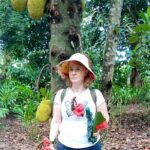
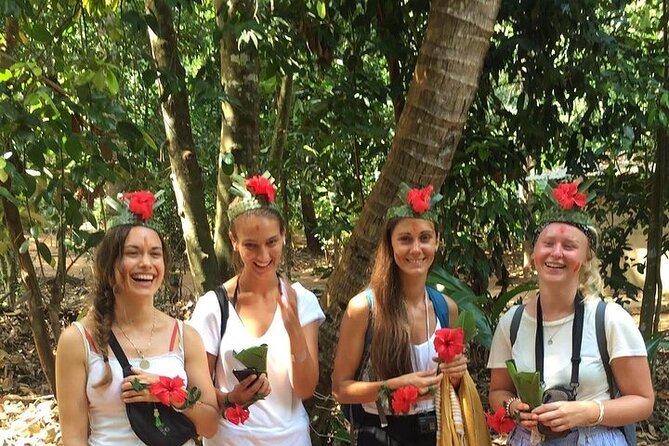
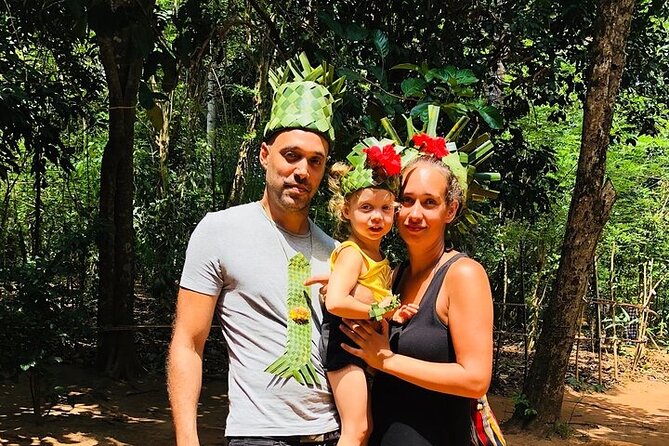
After you arrive at the farm, the schedule shifts into a slower, sensory mode. You’ll take a walking tour of the farm, where you move through the plants and learn the basics of what grows there and how people use it.
This is the part where spices stop being abstract. You can see how they’re grown, catch the smells while you’re standing close to the source, and taste along the way if the guide offers it. One review also highlighted that there are multiple banana types—yes, 11 types came up—which is the sort of detail that makes you realize this is local knowledge, not generic travel talk.
Expect the guide to explain in plain language as you walk. In several descriptions, an interpreter played a key role, which helps if your Swahili is still in vacation mode. You’ll get time to process what you’re being taught, instead of speeding through a checklist.
Practical tip: wear shoes you can handle on uneven ground, and bring a light layer. Even when it’s warm, farm paths can feel cooler in the shade.
The cooking lesson: more than chopping, real Zanzibar flavors
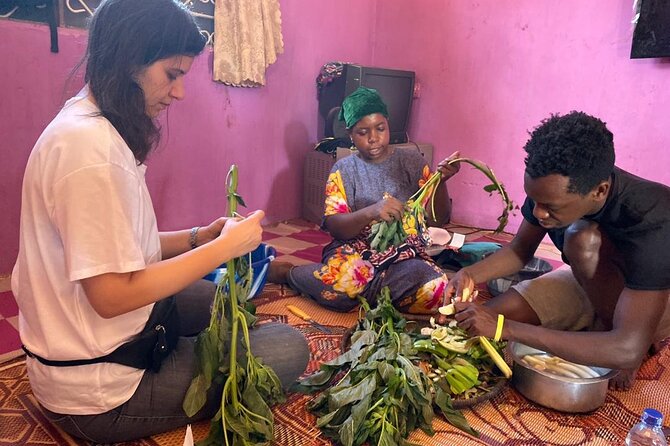
Once the farm walk is done, the cooking starts. The lesson is hands-on and structured. You’ll follow instructions as you work, and you’ll get to enjoy the food at the end.
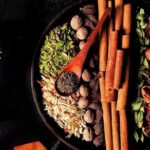
The dish anchor here is local spice rice with coconut sauce. That’s a great choice for a cooking class because it’s both flavorful and learnable. You can understand how spice affects aroma, color, and the way coconut rounds everything out. It’s also a style you won’t easily get in a random home-cooking cookbook, so it gives you something specific to take home.
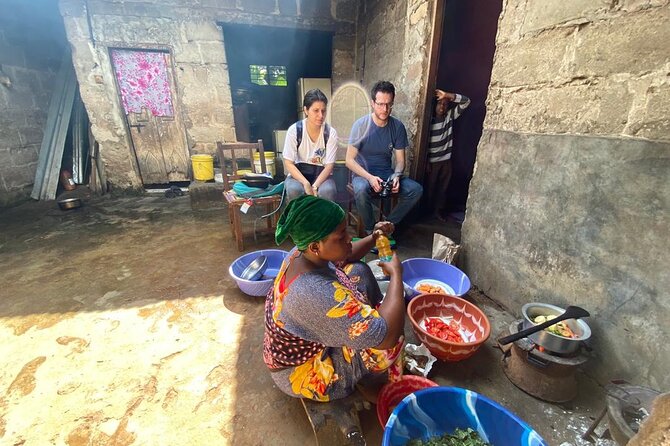
In a review, the cooking setup was described as home-style, with cooking happening right on a cook’s front porch while an interpreter explained the steps. That’s a big plus for me. When you cook in an actual everyday space, you pick up small habits—how ingredients are handled, the pace of stirring, and what the cook watches for while cooking.
What I think you’ll like most is that you’re not just passive. You’re doing the work: prepping ingredients and participating in the lesson. Even if you come in with zero cooking confidence, this kind of class tends to be forgiving because the guide can adjust the task and explain clearly.
Also, the spice learning isn’t only about heat. It’s about balance. Many Zanzibar spice flavors aren’t meant to punch you in the face. They build a foundation.
Ingredient selection: the market piece you’ll actually use
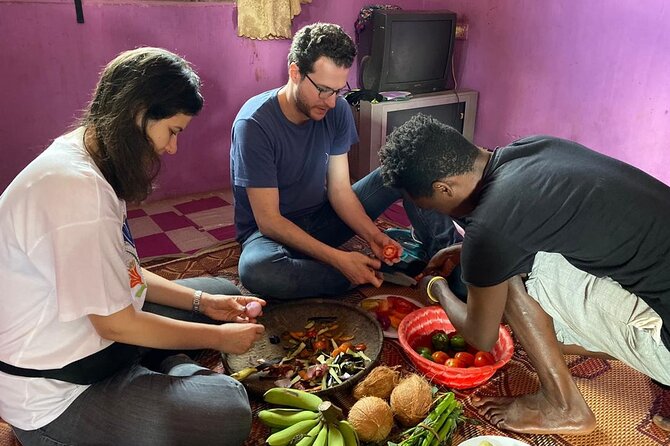
The overview mentions selecting ingredients at a local spice market, which is one of the most valuable parts of a cooking class like this. Here’s why it matters: most people can follow a recipe, but fewer people know what to look for in the first place.
When you pick ingredients yourself, you learn what matters—freshness, aroma, texture, and what’s actually available locally. That makes it easier to reproduce the flavors later, because you’ll remember the reason you chose that spice or that ingredient.
If you’re hoping to bring Zanzibar flavors home without turning your kitchen into an expensive guessing game, this market step is your shortcut. You’ll leave with mental reference points, not just a dish memory.
The meal: eating together like the class is the party
At the end, you sit down and eat what you made. That sounds simple, but it changes the tone of the whole day. Cooking classes where you don’t get a satisfying meal can feel like homework. This one is built for the full arc: learn, cook, share.
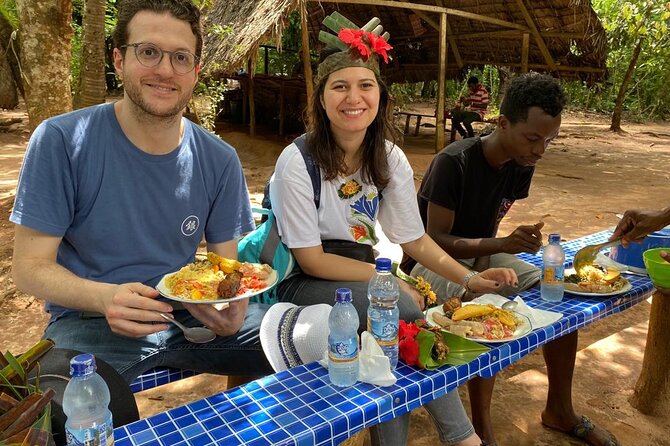
One review summed it up well: the group cooked a variety of dishes, then ate together, and everything was delicious. That matches the practical goal of a good cooking class—by the time you’re done, you’re not hungry and you’re not bored.
Another thing to note: because the cooking setup can be open-air and porch-style, the meal often feels relaxed and social. You’re part of the process, so the food doesn’t taste like a performance. It tastes like lunch you made with new friends.




Timing and how to plan your day in Nungwi
This experience is about 8 hours (approx.). That’s a full day. You’ll want to treat it like one main activity rather than something to squeeze in between beach stops.
If you’re staying in Zanzibar City, you’ll probably spend time getting to Nungwi and back. Pickup is offered, which helps. But plan for the day to be mostly dedicated to the class and farm time, plus eating.
Practical pacing advice:
- Eat a light breakfast if you can. You’ll likely want energy for the walk and prep work.
- Bring water. You’ll be moving and learning outdoors.
- Plan your evening after the class to be low-stress. You’ll likely be tired in a good way—full and satisfied.
Who this is best for (and who might want a different kind of tour)
This cooking class and spice tour is a strong match if you love food, want a hands-on cultural experience, and enjoy learning by doing.
You’ll especially enjoy it if:
- you like cooking or want a new style you can repeat
- you want more than photos—real ingredient knowledge
- you’re tired of restaurant fatigue and want flavors with a story
- you enjoy small-group energy (this is private, only your group)
It might be less ideal if:
- you hate outdoor time or long days in the sun
- you want a super-short activity (this is a full block)
- you’re looking for a sightseeing-heavy day with lots of monuments (this is food-first)
Value check: is $155 per group up to 2 a good deal?
At $155 per group (up to 2), this isn’t a budget snack tour. But it also isn’t just a “watch someone cook” experience. You’re paying for several things that add up:
- a full 8-hour day that includes farm walking plus cooking instruction
- a guided learning setup with interpreter support described in reviews
- ingredient selection at a spice market
- hands-on cooking and then eating the meal you made
- a private format, so you aren’t sharing the class with strangers
For two people, the price often feels more reasonable than when you compare it to private transfers plus separate market visits plus a standalone cooking class. The real value is the specificity: spice knowledge tied to an actual cooking method you’ll remember.
If you love food learning and want to take home a skill—not just a dish—this price can make sense fast.
Should you book this spice tour and cooking class?
Book it if you want a day that feels practical and different. The farm walk gives you the ingredient foundation, and the cooking lesson gives you the payoff: you end up eating what you made, learning a Zanzibar cooking style (spice rice with coconut sauce) along the way.
Skip it only if you’re short on time, don’t handle outdoor activities well, or you want something purely sightseeing-driven. If you’re a food person, though, this is exactly the kind of experience that turns travel into skills you can use long after you leave Zanzibar.
FAQ
FAQ
How long is the spice tour and cooking class in Nungwi?
It lasts about 8 hours (approx.).
What is the price for this experience?
The price is $155.00 per group, up to 2 people.
Is pickup offered?
Yes, pickup is offered.
Is the experience private?
Yes. It’s a private tour/activity, and only your group will participate.
Where does the experience take place?
It takes place in Nungwi, Tanzania (Zanzibar area).
What do you do when you arrive at the spice farm?
You start with a walking tour of the farm.
Do you cook, or do you only watch?
You cook as part of the lesson. You’ll get instructions and then enjoy what you made.
What dish or cooking focus is included?
The class includes local food preparation, including spice rice with coconut sauce.
What happens if the weather is bad?
The experience requires good weather. If it’s canceled due to poor weather, you’ll be offered a different date or a full refund.
What is the cancellation policy?
You can cancel for free up to 24 hours in advance for a full refund.