REVIEW · ZANZIBAR CITY
Spice Tour of Zanzibar
Book on Viator →Operated by Cruzeiro Safaris Kenya · Bookable on Viator
Spices here smell like a history lesson. This 3-hour Zanzibar City tour takes you from Stone Town roads out to working spice farms, where you learn how common aromatics grow and get used in everyday life.
What I like most is that it is not just a photo stop. You get a guided route through rural plantations, plus hands-on tasting time, so the smells and stories actually stick.
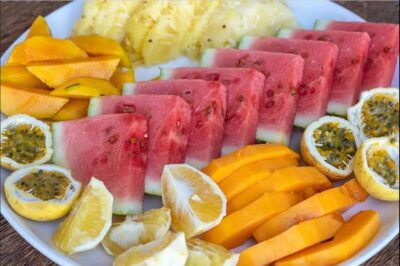
My second favorite part is the fresh fruit sampling from trees during the farm visit. It feels simple, but it makes the whole tour more fun and more real.
One thing to consider: it is a walking farm experience, so wear shoes you do not mind getting dusty, and come ready for a little uneven ground.
In This Review
- Key things I’d mark on your Zanzibar plan
- Spice Island 101: what this 3-hour tour covers (and why it matters)
- Starting in Zanzibar City and getting to the farms without hassle
- Walking a spice farm: clove, nutmeg, cinnamon in real life
- Fresh fruit from the trees: the tasting part that actually teaches
- Local life from a professional guide: what makes the tour feel personal
- The lunch reality: what is included vs what you pay for
- Price and value: how $101.54 per person makes sense (or not)
- Who should book this spice tour (and who might skip it)
- Should you book the Spice Tour of Zanzibar?
- FAQ
- What time does the Spice Tour start?
- Where does the tour meet?
- How long is the tour?
- How many people are on the tour?
- What’s included in the price?
- What is not included?
- Is there a minimum number of people required to book?
- Can children join the tour?
- Is the tour physically demanding?
- How does cancellation work?
- Who is the experience provider?
Key things I’d mark on your Zanzibar plan
- Small group size (max 12) means your guide can slow down when questions come up.
- Hotel pickup and drop-off keeps your morning stress low, especially in Stone Town.
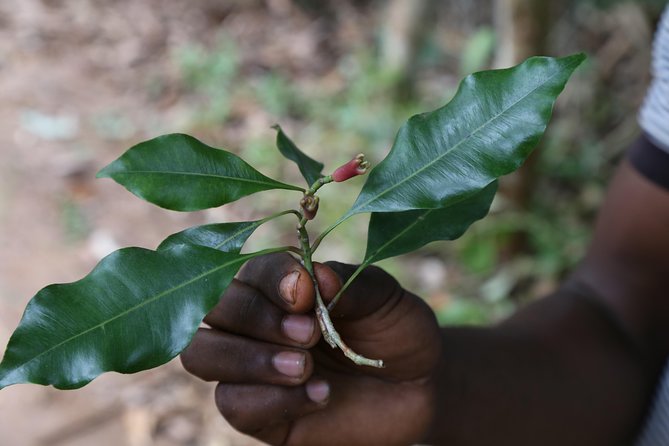
- Clove, nutmeg, and cinnamon farm talk connects what you smell to how it is grown and used.
- Fresh fruit from the trees is included as part of the farm experience, not just a marketing snack.
- Typical lunch is prepared on-site, but not included so you can budget ahead.
- Optional shopping after the tour may be your chance to bring spices home without rushing.
Spice Island 101: what this 3-hour tour covers (and why it matters)
Zanzibar has a reputation that comes from trade routes, but this tour brings that story down to something you can see with your own eyes: spice plants growing on real farms. The core of the experience is a guided walk in a spice farm area, paired with explanations about the lifecycle of spices and the ways locals use them.
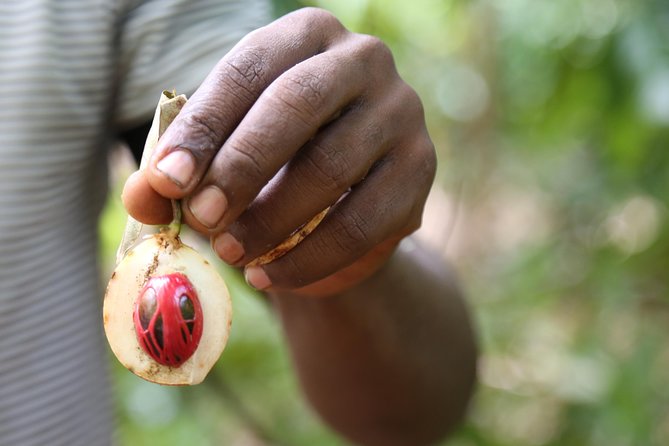
Clove, nutmeg, and cinnamon are the big names you will hear about here. And it is not just trivia. When you learn what conditions these plants need, when you understand how they are harvested, and how people use them in cooking and everyday routines, the flavors feel less random. You start to connect the dots between the island’s famous aromas and the daily reality of farming.
The tour runs about three hours. That is a useful length because it is long enough to feel like you did something meaningful, but short enough to still keep your day open for Stone Town wandering, beach time, or another activity.
You can also read our reviews of more tours and experiences in Zanzibar City.



Starting in Zanzibar City and getting to the farms without hassle
The day starts at 9:00 am, with pickup from your hotel in Zanzibar City. From there, you ride through Zanzibar’s Stone Town streets on your way to the spice farms.
That pickup piece is more important than it sounds. Stone Town can be a maze, and morning logistics can eat time fast. Having round-trip transport included means you can focus on the experience, not on navigating and regrouping with your group.
One more detail that helps: the tour group is kept to a maximum of 12 people. In practice, that tends to keep the pace comfortable. Your guide can point out plants, explain what you are seeing, and answer questions without the tour turning into a rapid line-walk.
Walking a spice farm: clove, nutmeg, cinnamon in real life
On this tour, you are not stuck at a lookout. You walk through a working spice farm and get a guide who explains how the plants grow and how people use them. You will also hear about why Zanzibar earned its nickname as the Spice Island.
Here is what I’d pay attention to while you walk:
- Look for how different spice trees or shrubs are spaced and cared for. Plant structure tells you a lot about how they are harvested.
- Listen for lifecycle explanations. Even a simple timeline (how plants develop, when parts are collected) makes the final product feel more tangible.
- Tie the smell to the story. When you learn why a spice is fragrant and how it gets processed, you will recognize the scent patterns better later in a kitchen.
Clove is the one people often think of first, but nutmeg and cinnamon matter too. The guide’s job is to show you that the flavors come from specific plants with different growth habits. You end up with more than a memory of smell—you leave with an understanding of where the aroma originates.
Fresh fruit from the trees: the tasting part that actually teaches
A spice tour can be dry if it turns into pure lecturing. This one adds a hands-on moment: you tour rural farms and sample fruits fresh from the trees.
That tasting time is not just about trying something sweet. It gives you a sense of what farming looks like beyond spice products. You see how the farm environment supports multiple crops, and you get a better feel for how locals think about seasonal picking.
If you have ever tried spice-only tours where everything feels staged, this farm fruit component is a real balance. It breaks up the walking and makes the tour feel more relaxed and personal.
Also, it is practical advice for shopping later. When you have tasted fruit and heard about spice uses, you can buy with more confidence. You will know what you actually like, not just what sounds impressive on a label.
Local life from a professional guide: what makes the tour feel personal
The tour includes a local guide, and that matters. A professional guide can turn a farm walk into something you can follow: what you are looking at, how it is maintained, and how people use it in everyday cooking and routines.
You will be moving through rural plantation areas and hearing about village life along the route. That is where the experience becomes more than a checklist. You start understanding why the spices matter to Zanzibar beyond tourism—because they are part of local work and local food.
Small group size again helps here. With a max of 12 travelers, the guide can actually talk to you, not just speak at you. In a tour like this, that difference is huge. You come away with answers, not just facts.





The lunch reality: what is included vs what you pay for
You will hear about a typical lunch prepared with fresh spices at the farm. Here is the key point: food and drinks are not included, and lunch is also not included.
So you should plan your budget accordingly. In many spice tours, lunch is either a fancy included meal or a quick stop. In this case, it sounds more like lunch is prepared on-site with the spices you learned about—meaning it fits the theme—but you will pay separately.
What I recommend:
- If you are doing this early in the day, plan on buying lunch afterward or budgeting for the farm lunch option.
- If you prefer to keep meals simple, use the tasting time as your main food moment and keep lunch light.
Either way, knowing it is own expense prevents the common surprise of thinking lunch is covered when it is not.
Price and value: how $101.54 per person makes sense (or not)
The price is listed at $101.54 per person for about three hours. At first glance, that can feel like a lot for what is basically a farm walk and a tasting.
Here is why it can be good value:
- You get hotel pickup and drop-off, which saves time and helps you avoid Stone Town navigation headaches.
- You get a guided experience with a local guide, not just entry to a property.
- The farm part includes walking time, education about spice growth and use, and fresh fruit sampling.
- The small group size (maximum 12) is the kind of detail that usually improves quality.
Where it may not be value for you: if you dislike guided tours and prefer to wander independently. If you want to skip the explanations and just browse, you might feel like you are paying for someone else’s pacing. In that case, you might prefer a self-guided spice shop visit later.
But if you like learning while you walk—especially when it connects what you smell to how it grows—this price can feel fair.
Who should book this spice tour (and who might skip it)
This tour fits best if you want:
- A morning activity that teaches you something real and practical.
- A farm experience that includes tasting, not just sightseeing.
- A guided route that explains Zanzibar’s spice reputation in plain terms.
It may be a poor match if you:
- Want an all-in-one package where food is fully included. Lunch and drinks are not included.
- Do not handle walking on uneven paths well. The tour asks for moderate physical fitness.
- Prefer very free-form travel. This is guided and structured, with a set start time at 9:00 am.
If you are traveling with kids, they must be accompanied by an adult. Keep that in mind if your group needs a flexible pace, since the experience is set for a shared schedule.
Should you book the Spice Tour of Zanzibar?
I think you should book this tour if you want a high-signal Zanzibar morning. You will learn about clove, nutmeg, and cinnamon in a way that connects plants to everyday use, and you get fresh fruit tasting during the farm visit. Add hotel transport and a small group size, and it becomes an easy, well-supported way to spend a few hours without getting stuck on logistics.
I’d reconsider if you are mainly craving a long beach day, you hate guided walking, or you cannot or do not want to pay extra for lunch. In that case, it may feel like money spent on structure rather than freedom.
If you do book, wear comfortable shoes and come curious. The payoff is in the guide’s explanations and in how the smells and tastes line up with what you learn.
FAQ
What time does the Spice Tour start?
The start time is 9:00 am.
Where does the tour meet?
You meet your guide at your hotel in Zanzibar City for the pickup.
How long is the tour?
The tour lasts about 3 hours.
How many people are on the tour?
The tour has a maximum of 12 travelers.
What’s included in the price?
The tour includes a local guide and hotel pickup and drop-off.
What is not included?
Food and drinks are not included, and lunch is not included.
Is there a minimum number of people required to book?
Yes. A minimum of 2 people per booking is required.
Can children join the tour?
Children must be accompanied by an adult.
Is the tour physically demanding?
It is best suited for people with a moderate physical fitness level.
How does cancellation work?
Free cancellation is available. You can cancel up to 24 hours in advance of the start time for a full refund.
Who is the experience provider?
The provider is Cruzeiro Safaris Kenya.