REVIEW · ZANZIBAR CITY
Zanzibar Spice Tour
Book on Viator →Operated by Mody Zanzibar Tours & Safaris · Bookable on Viator
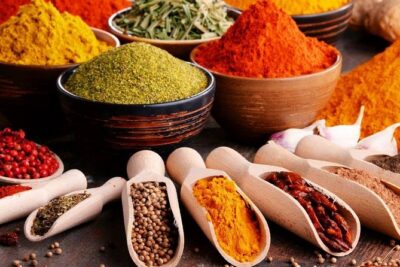
Spices here smell like a time machine. On this Zanzibar spice farm tour in Zanzibar City, you’ll get a guided look at classic island spices, plus tropical fruits, herbs, and plants tied to Zanzibar’s trading history. I like how the experience is built around hands-on tasting and serious smelling, so you don’t just hear about aromas, you experience them.
I also love the private format, since you’re with your own group instead of being mixed into a crowd. When I read about guides like Barak and Mody, the pattern is clear: you get a person who can match the pace to your questions and interests.
One drawback to keep in mind: the tour depends on good weather, so if conditions are poor, plans can shift or you’ll be offered a different date or a full refund.
In This Review
- Key things that make this Zanzibar Spice Tour special
- Zanzibar City spice farm: why this tour hits differently
- The 3-hour flow: what you’ll actually do
- Stop 1 in Zanzibar City: the meet-up point that keeps it easy
- Spices you’ll meet: the scents and uses you can bring home
- The Omani connection: why these spices became Zanzibar’s story
- Medicinal plants: what you’ll hear about neem and the iodine tree
- Private guide energy: why it matters more than you think
- Price check: does $76.93 per person make sense?
- What to expect from the farm visit (and a quick reality check)
- Who should book this Zanzibar Spice Tour
- Should you book it? My simple decision rule
- FAQ
- How long is the Zanzibar Spice Tour?
- Where does the tour start?
- Is hotel pickup and drop-off included?
- Is this a private tour?
- What’s the tour cost?
- What spices and plants will I learn about?
- Is bottled water provided?
- What’s included in the price besides the guide?
- What if the weather is poor?
Key things that make this Zanzibar Spice Tour special

- You’ll see Zanzibar’s spices and fruits growing on a real farm, not just in a showroom
- Classic spices get explained in plain language, from cloves to vanilla
- Traditional medicinal uses are part of the walk, including neem and the iodine tree
- Hotel pickup and drop-off are included, with bottled water during the tour
- Private means personal attention, which matters when you want details for cooking or shopping
Zanzibar City spice farm: why this tour hits differently

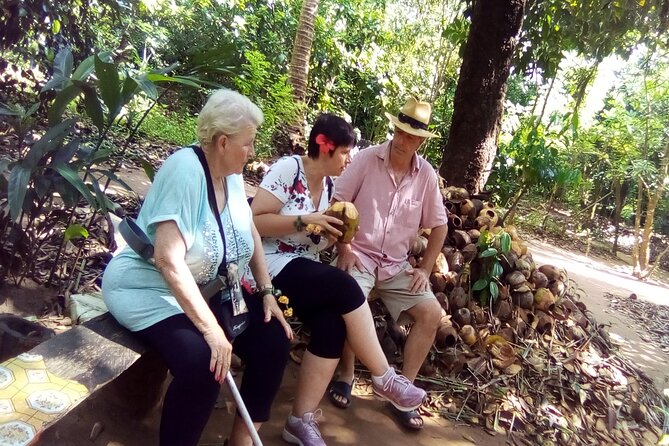
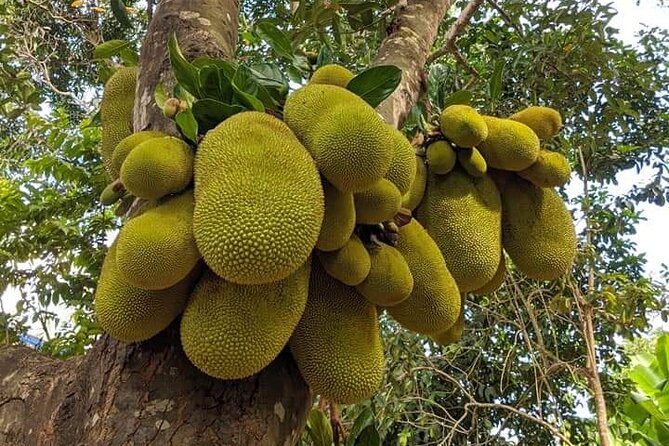
Zanzibar’s nickname is well earned, but it can sound like marketing until you’re actually standing among the plants. This tour takes you to a local farm where spices don’t live in glass jars. They’re on trees, vines, and shrubs, and the guide connects what you see to how people use them.
What makes it work for real life is the mix of senses and context. You get both the aromatic side and the practical side: you’ll learn what spices are used for in cooking, and you’ll also hear how certain plants were traditionally used for medicine. That combo helps you remember what you tasted and smelled, not just what you were told.
And the price makes more sense when you look at what’s bundled. At $76.93 per person, you’re not only paying for a guide. You’re also covered for pickup/drop-off, bottled water, and all entrances and taxes, so you’re not hunting for extra fees mid-trip.
You can also read our reviews of more tours and experiences in Zanzibar City.



The 3-hour flow: what you’ll actually do
This is a 3-hour guided tour that starts in Zanzibar City, with pickup and drop-off from your hotel included. The rhythm stays simple: you travel to the farm, then spend the main time walking through plant rows and getting explanations as you go.
At the farm, the experience centers on three layers:
- Spices and herbs you already know in the kitchen
- Tropical fruits grown in the same environment
- Other vegetation the guide links to Zanzibar’s wider plant world
The guide keeps the “why” attached to the “what.” For example, you won’t just learn that cloves or cinnamon exist; you’ll hear how these spices were brought from other lands and became part of Zanzibar’s culture as trade routes developed.
Stop 1 in Zanzibar City: the meet-up point that keeps it easy
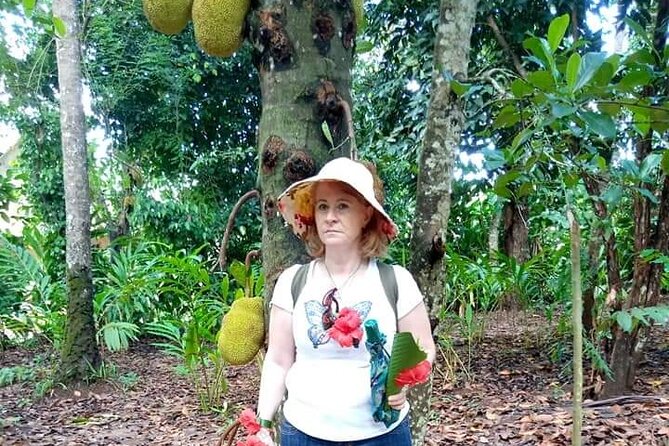
Stop 1 is Zanzibar City, and the big win here is that your day doesn’t start with complicated logistics. Pickup is included, so you avoid figuring out transport on your own right before a short tour.
Once you’re gathered, the guide sets the theme: Zanzibar as the Spice Island. Expect that the walk will focus on the plants and what they’ve been used for, not just general sightseeing.
You can also think of the start time as a framing tool. With only about three hours total, you’ll want that early guidance so the farm visit makes sense fast. The tour is designed to get you moving quickly and learning as you go.
Spices you’ll meet: the scents and uses you can bring home
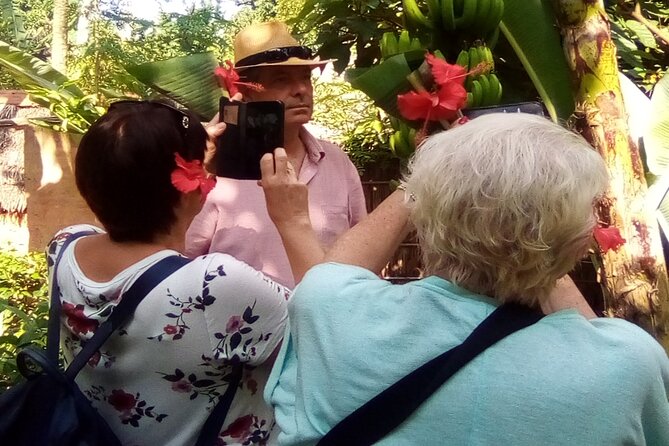
This is the part you’ll remember with your nose. The tour includes a guided look at a wide set of spices and herbs, including cloves, cinnamon, nutmeg, vanilla, cardamone, curry, pepper, tamarind, ginger, and menthol, plus other plants.
Here’s how this matters in the real world. In the market, many spices look similar once they’re dried. On the farm, they become specific. You can connect:
- what the plant looks like
- what the aroma is like
- what the guide says it’s used for
That makes shopping less random. One review notes buying chicken masala and black pepper after seeing and learning about spices—exactly the kind of outcome this tour is built for. If you want to cook with what you buy, you’ll come away with a better sense of match-ups like pepper for heat, ginger for warmth, or tamarind for sour depth (based on the guide’s explanations during the visit).
Also, smelling is not a side show here. The farm setting turns aromas into a learning tool. You’re getting repeated cues as you move from one plant to the next, so the experience sticks.
The Omani connection: why these spices became Zanzibar’s story
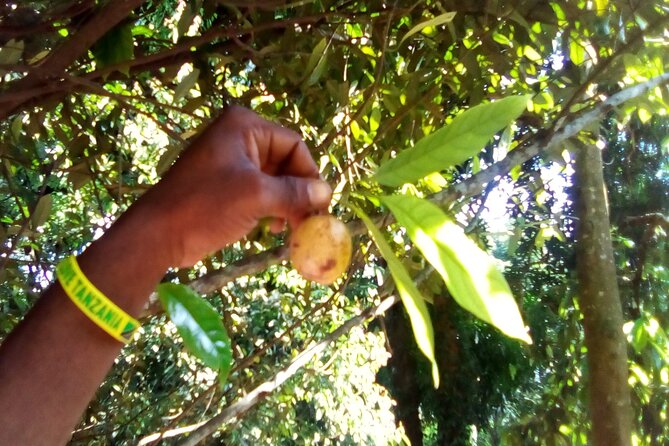
A memorable part of the tour is the historical thread tied to where the spices came from. The guide connects many of the spices to arrivals across the Indian Ocean, specifically pointing to the role of sultans of Oman in bringing spices and herbs that later became part of Zanzibar’s identity.
You don’t need a textbook to get it. The practical approach works: you see the spice plant, then you hear the story of how it became common there. That “plant + origin” pairing makes the trading history feel grounded instead of abstract.




Medicinal plants: what you’ll hear about neem and the iodine tree
Not all plants are presented as food. A key part of the tour includes how some are used for medicine and traditional remedies.
Two examples mentioned in the tour materials stand out:
- The neem tree leaves, traditionally used as a cure for malaria and indigestion
- The iodine tree, which produces a deep red sap used to fight infection and wound
Here’s the balanced way to think about this. You’re learning traditional uses, not getting medical advice. Still, it’s valuable in two ways: it shows how deeply spices overlap with daily life, and it gives you cultural context for why people cared so much about growing certain plants.
If you enjoy hearing how communities used plants before modern pharmaceuticals, this section can be a highlight. If you’re expecting a science lecture, you may find it more story-driven than lab-like. Either way, it adds a layer beyond cooking.
Private guide energy: why it matters more than you think
The tour is private, meaning only your group participates. That sounds like a comfort perk, but it also affects what you learn.
With a small group, you can ask:
- which spices are best for your cooking style
- how to recognize what you see in a shop later
- why certain plants are used medicinally
Reviews back up this “extra mile” feel. People mention guides being friendly, reliable, and on time, and they highlight personal engagement—especially with guides like Mody and Barak. In plain terms, you’re more likely to get answers instead of rushing through a scripted route.
You also benefit from pickup and drop-off. That removes one of the most common friction points on short tours. For a 3-hour experience, every minute counts.
Price check: does $76.93 per person make sense?
At $76.93 per person, this tour isn’t the cheapest thing in Zanzibar. But it can be good value because several cost items are included:
- experienced professional guide
- pickup and drop-off from your hotel
- bottled water during the tour
- all entrances fees, taxes, fuel surcharges, and service fees included
- transport waiting charge
That matters because spice farm tours often become “cheap” on paper and then get padded by extras. Here, you’re told up front that the major on-the-ground costs are covered.
The main trade-off is what you’re not getting. Medical insurance is not included, and travel items like flights, visa, and airport taxes are also not included. And like most activities, personal expenses aren’t covered.
If you want a short, guided, no-surprises experience where the logistics are handled and the guide work is the product, this price can feel fair—especially if your group is small and you value private attention.
What to expect from the farm visit (and a quick reality check)
The farm experience is designed to be sensory and educational. Expect to move around and look at different plants, then get descriptions of what they’re used for.
You’ll likely also have time for tasting and shopping cues. One review specifically points to tasting spices and then buying items like chicken masala and black pepper. That suggests the tour doesn’t treat tasting as a gimmick; it’s part of the learning loop.
Reality check: because the focus is plants, spices, and herb uses, this isn’t a beach or city-view tour. If you’re craving dramatic scenery, you may find the farm setting less visually dramatic. But if you’re into food, aromatics, and how people use plants, this is exactly the point.
Also, the tour requires good weather. Since it’s a farm, you’ll want conditions that let the visit run as planned.
Who should book this Zanzibar Spice Tour
This is a strong fit if you:
- want a guided, practical introduction to Zanzibar spices
- care about cooking and want spice shopping with context
- like learning how plants are used for both food and traditional remedies
- prefer private guiding over crowded group tours
Most travelers can participate, so it’s generally friendly to a range of needs. If you’re traveling as a couple or solo and want an individualized pace, private can be a big win.
If you’re short on time, this is also one of the more efficient choices: about three hours and you’re done. Just make sure you’re not planning it on a day when you expect heavy schedule stress.
Should you book it? My simple decision rule
Book it if you want spice knowledge you can use: you’ll learn what you’re smelling, what you might cook with, and why Zanzibar became the place for these plants. The private guide format plus hotel pickup makes it easy to commit, and the inclusions help the cost feel controlled.
Skip or reconsider if you only want photo sightseeing and don’t care about cooking or plant-based stories. This tour earns its keep through aromas, explanations, and traditional uses—so lean into that.
If you’re also interested in other activities with the same provider, reviews mention the guides doing additional trips beyond the spice farm. That can be a bonus if you want one reliable team for multiple days.
FAQ
How long is the Zanzibar Spice Tour?
It’s about 3 hours.
Where does the tour start?
It starts in Zanzibar City.
Is hotel pickup and drop-off included?
Yes. Pickup and drop-off from your hotel are included.
Is this a private tour?
Yes. It’s private, and only your group participates.
What’s the tour cost?
The price is listed at $76.93 per person.
What spices and plants will I learn about?
The tour includes spices such as cloves, cinnamon, nutmeg, vanilla, cardamone, curry, pepper, tamarind, ginger, menthol, and other spices and herbs, plus tropical fruits and other plant species.
Is bottled water provided?
Yes, bottled water is included during the tour.
What’s included in the price besides the guide?
Entrance fees, taxes, fuel surcharges, and service fees are included, and there’s also a transport waiting charge.
What if the weather is poor?
The tour requires good weather. If it’s canceled due to poor weather, you’ll be offered a different date or a full refund.