REVIEW · ZANZIBAR
Stone Town Walking Tour with Female Guides
Book on GetYourGuide →Operated by Explore with local guide francophone 🇲🇫🇨🇭🇨🇦🇩🇿🇰🇲🇲🇦🇹🇳🇼🇫🇳🇨🇮🇪🇨🇩🇧🇪🇧🇫 · Bookable on GetYourGuide
Stone Town has a way of pulling you in—one narrow street at a time. This walking tour is interesting because it doesn’t treat Zanzibar like a postcard. You get the street-level feel of Stone Town’s alleyways, plus context for the slave-trade story and modern pop-culture stops like Freddie Mercury.
I especially like that the tour is led by a female guide, and the experience clearly benefits from that human, approachable style (Damtu was called out as both friendly and highly informative). I also like that you’re not just herded from one photo spot to the next—you get a guided walk with chances to browse, shop, and pause for coffee.
One thing to consider: key indoor stops may cost extra and sometimes aren’t available. The tour includes a Freddie Mercury photo stop, but the Freddie Mercury Museum and the former East Africa slave market site have separate entry fees (and some big-name buildings can be closed for renovations depending on the date).
In This Review
- Key things you’ll notice on this Stone Town walk
- Getting your bearings: Stone Town on foot
- Pickup, private group, and what the guides bring
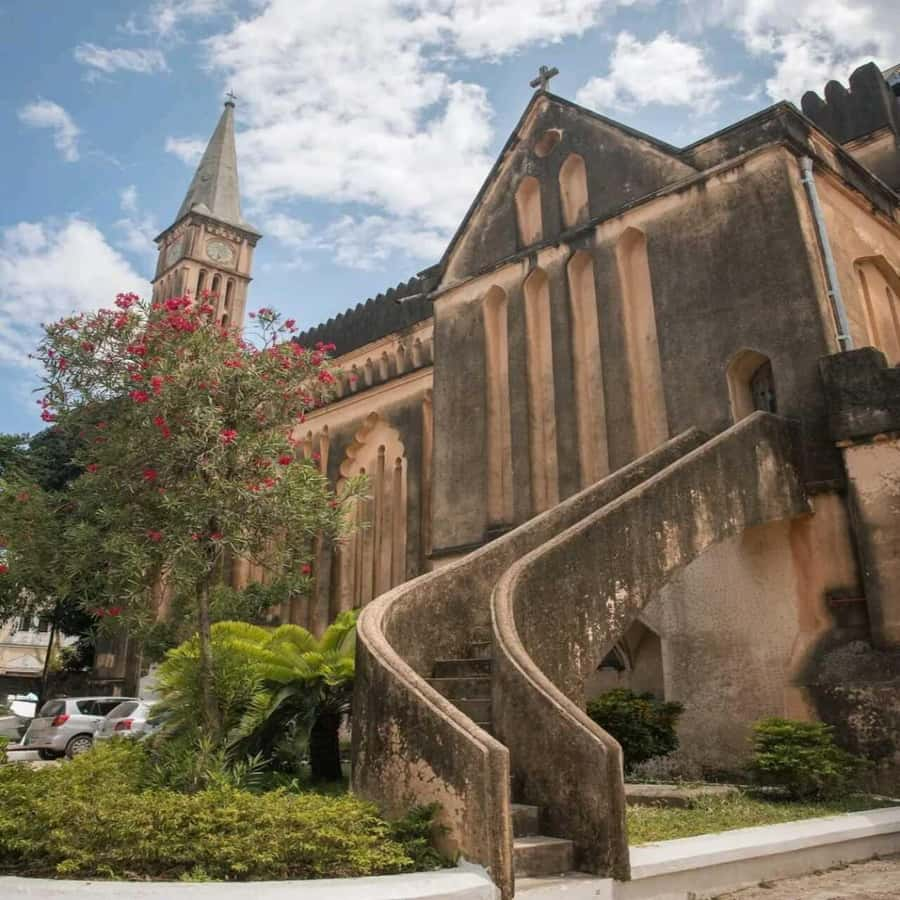
- Slave-trade context at the former slave market (now the Anglican Church)
- Darajani Market: spices, seafood, and real Zanzibar food life
- Coffee at Zanzibar Coffee House: a good reset between stops
- Sultan’s Palace area and the mood of the Sultanate
- Forodhani Gardens: where the evening energy starts (even on a walk)
- House of Wonders (Bait el-Ajab): the tall landmark with mystery
- Old Arabic Fort and the “Portuguese/Arabic” layers you can spot on the ground
- Freddie Mercury stops: photo included, museum costs extra
- Notre-Dame de Zanzibar: sculpted church time and the final alley loop
- Timing and walking pace: the 2h45 reality check
- Price and value: $19 is the base, tickets may add up
- Who should book this Stone Town walking tour
- Should you book it?
- FAQ
- How long is the Stone Town Walking Tour?
- Where does the tour start?
- Is this tour private or shared?
- What’s included in the price?
- What entry fees should I expect?
- Do I need cash?
- What languages are the guides available in?
- Are there age discounts or free entry for kids?
- What’s the cancellation policy?
Key things you’ll notice on this Stone Town walk
- Hotel pickup in Stone Town keeps the start easy, with the guide meeting you at your hotel reception.
- Damtu-style guiding means you get real stories, not just dates and directions.
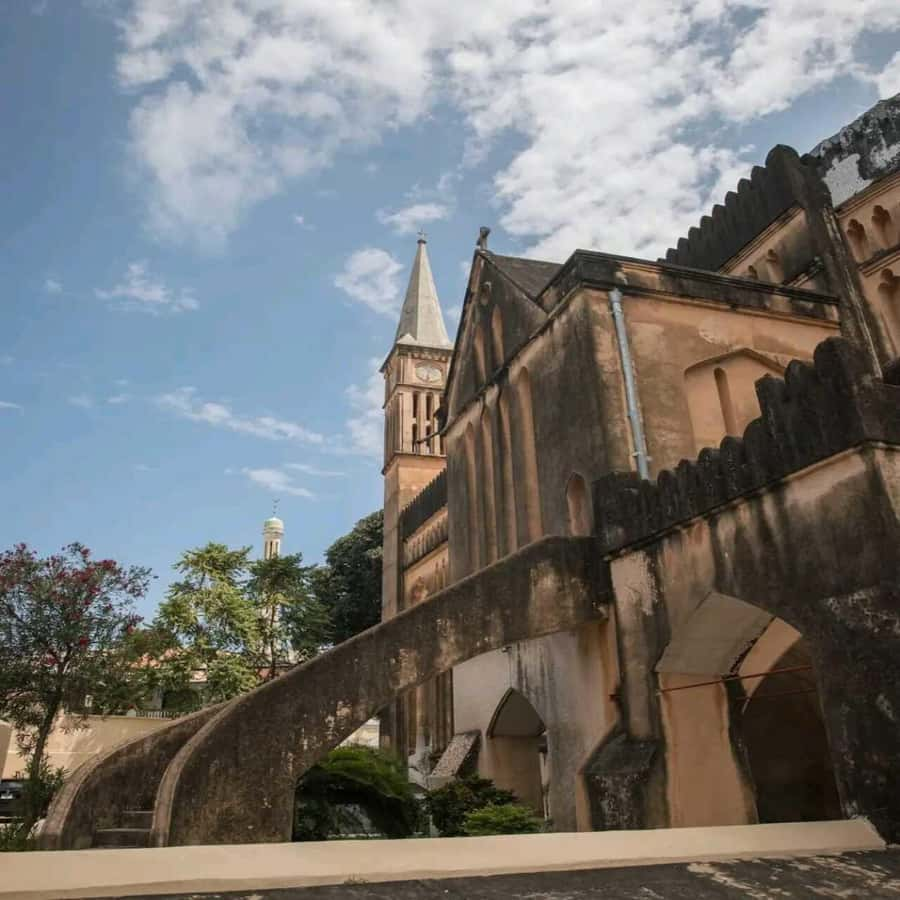
- Former slave market location (now the Anglican Church) anchors the tour with a heavy, important timeline.
- Darajani Market time is for shopping, sampling, and watching daily life unfold.
- Freddie Mercury childhood home photo stop is included, while the museum itself costs extra.
- A slower pace works well for narrow streets and photo breaks, but it also means you’ll do fewer stops than you might expect.
Getting your bearings: Stone Town on foot
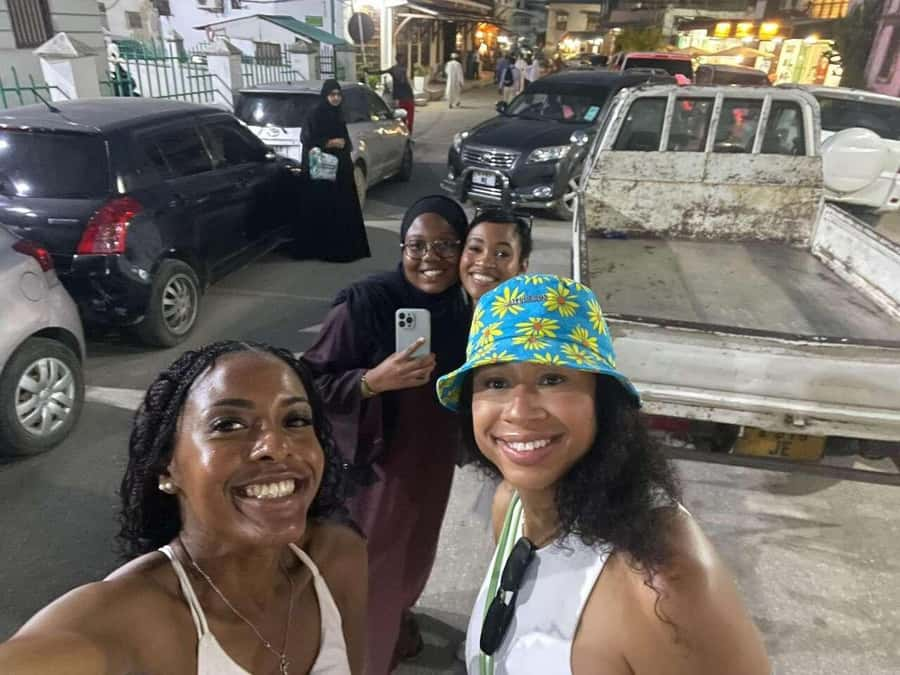
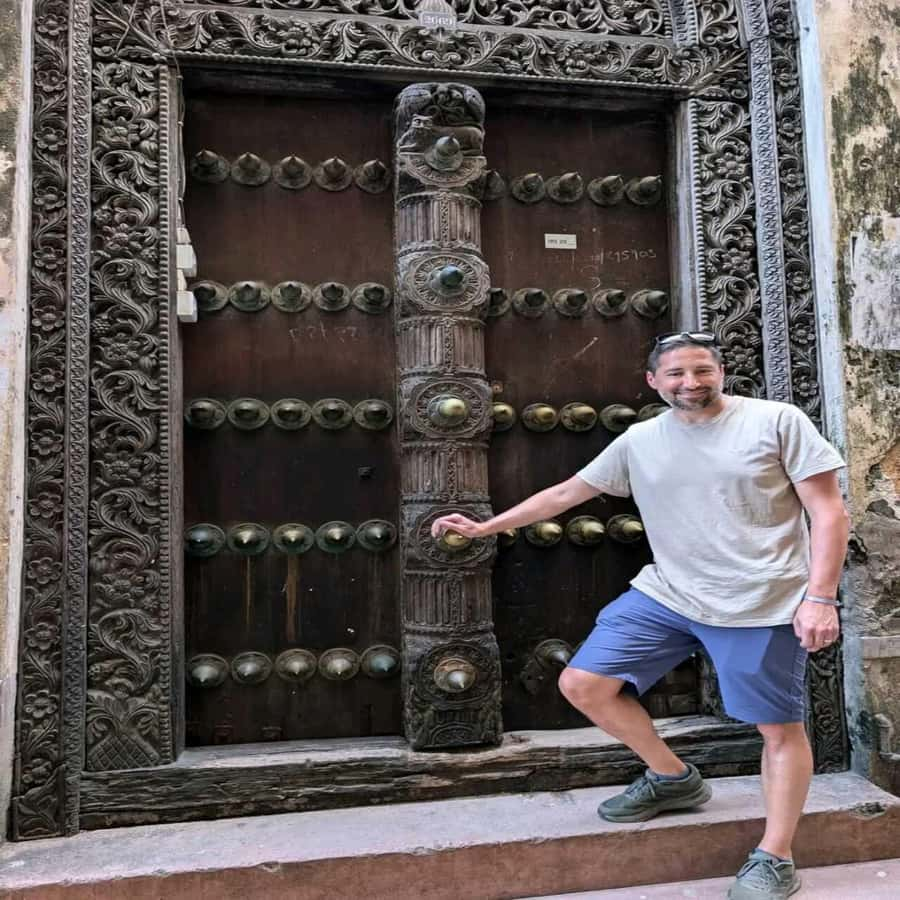
Stone Town is the kind of place where walking makes sense because the streets twist, narrow, and bend like they were built to slow you down on purpose. With a 3-hour tour window, you’re not trying to “cover everything.” Instead, you’re getting a guided route that helps you understand what you’re looking at: gates, balconies, carved doors, and the layered mix of cultures that shows up in everyday design.
The tour is described as a walk with guided time, and you should expect comfort to matter. You’ll want comfortable shoes because you’ll be on uneven pavement and stepping around crowds at markets. A camera is essential if you like architecture and street scenes, and cash helps for small purchases at markets and souvenir shops.
This is also the kind of tour where your guide’s tone affects the whole day. A friendly guide makes the walk easier, especially when you hit heavier subjects like the slave-trade sites later on.
You can also read our reviews of more walking tours in Zanzibar

Pickup, private group, and what the guides bring
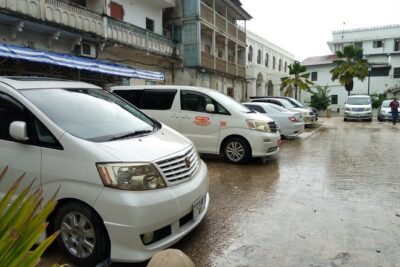
The practical win here is the hotel pickup and drop-off in Stone Town. The guide comes to your hotel, and you wait at the reception—simple and low-stress. At the end, you’re returned either to your pick-up location or your hotel, with the driver waiting.
This is a private group tour, which can be a big deal in Stone Town. Instead of being lost in a crowd, you can ask questions and slow down when you want a better photo angle. It’s also helpful if your group has different interests—some people want architecture, some want markets, and some want Freddie Mercury details.
Language options include French, English, German, Italian, and Swahili. If you’re choosing between languages, pick the one where you’ll be comfortable asking follow-up questions. That’s where a good guide really earns their place on the route.
Slave-trade context at the former slave market (now the Anglican Church)
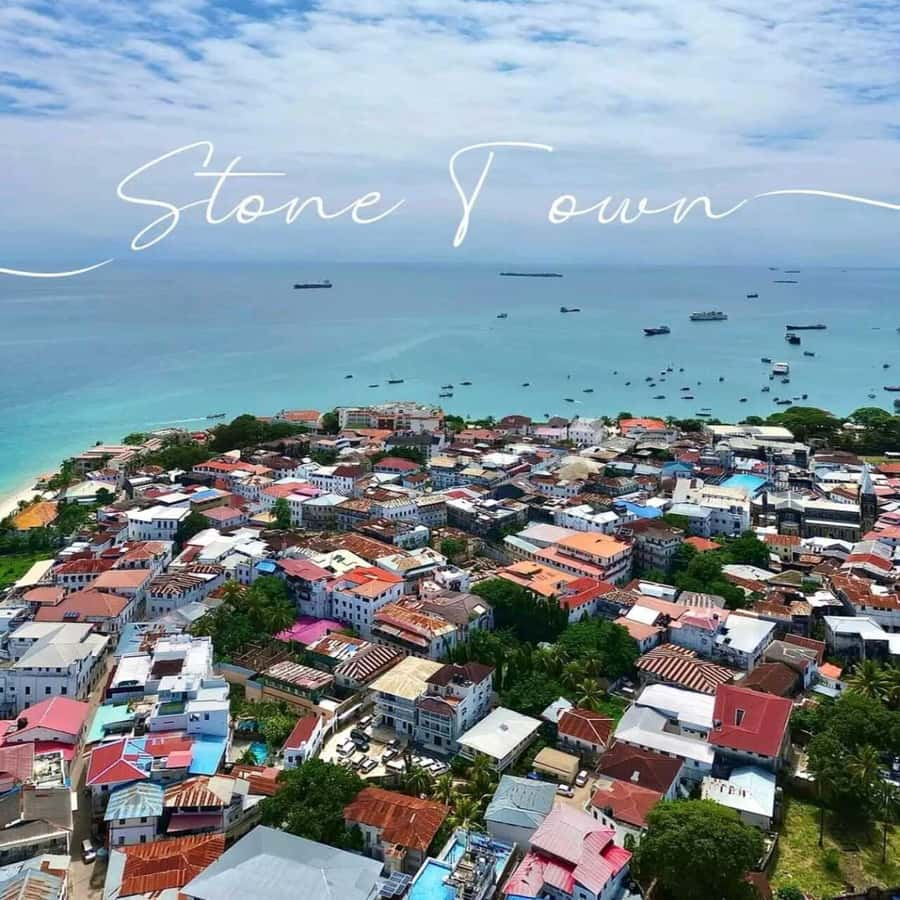
The tour begins at a site tied directly to the forced history of East Africa’s slave trade: the former slave market (now an Anglican Church). This is not a quick stop meant only for a landmark photo. The goal is to trace the history of the slave trade and connect it to well-known figures, including Dr. David Livingstone and other missionaries.
How to experience this part well: go in expecting it to feel serious. The benefit of a guided walkthrough is that you’ll understand why certain locations matter, and you won’t have to piece together the story alone from signs and fragments. Even if you’ve learned some history before, hearing it placed into the street-level geography of Stone Town makes it more tangible.
Also note the entry detail here. The former slave market entry ticket is not included and is listed at $10 per person. If you care about seeing the on-site exhibits, plan for that extra cost so you’re not stuck deciding on the spot.
Darajani Market: spices, seafood, and real Zanzibar food life
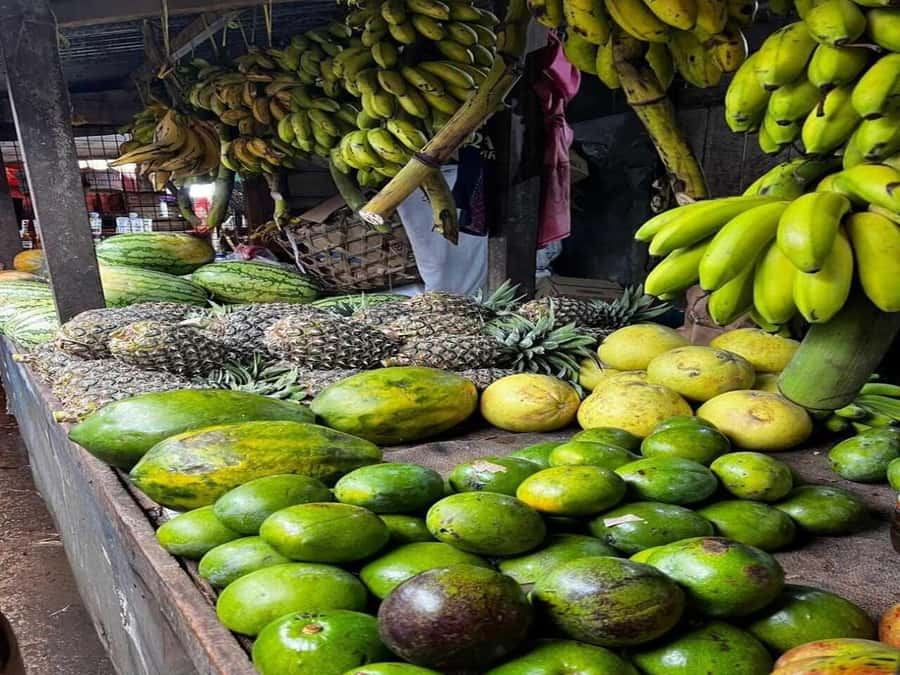
Next up is Darajani Market, described as a lively market for fruits, vegetables, fish, meat, and spices. This is where the tour shifts from history to daily life. And unlike many sightseeing spots where you just look, here you’ll have a chance to shop, sample, photograph, and admire the fresh catches and produce.
What makes Darajani special on a guided walk is that you get a sense of what’s local and what’s commonly used. The market is also the easiest place to practice small-scale shopping: spices, snacks, small souvenirs, and things you can actually use later rather than just carry home.
Bring cash for this part. It’s also the place where your camera can work harder than almost anywhere else because you’ll see color, stacks of goods, and the constant movement of people.
Tip: if you want to buy spice blends or sea-related snacks, don’t rush. Markets are where you’ll get the best deals when you compare options and ask questions first.
Coffee at Zanzibar Coffee House: a good reset between stops
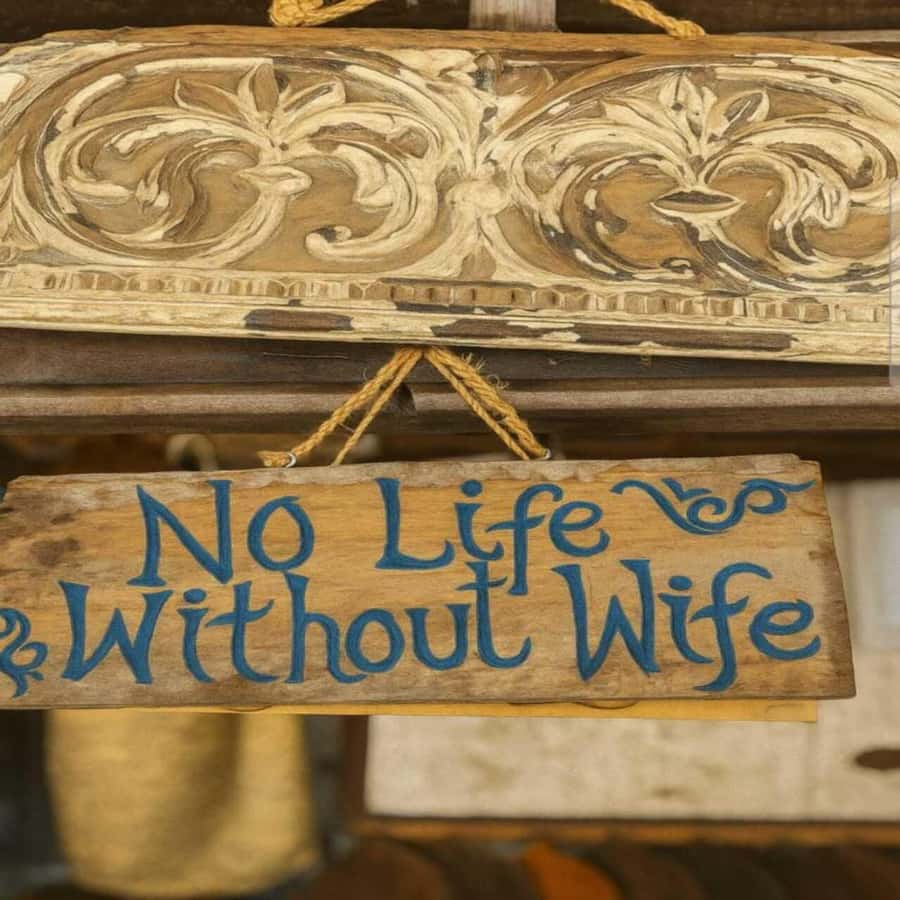
Between heavier and historical sites and the more formal landmark buildings, the tour includes a stop at the Zanzibar Coffee House. The idea is simple: you get a breather, then you move on with clearer focus.
This is also a practical moment. In Stone Town, the walking can add up, and it’s smart to take a pause before another stretch of alleys and photo stops. If you’re the type who likes to plan your next shots, a coffee stop helps you recharge your eyes too.





Sultan’s Palace area and the mood of the Sultanate
The route continues to the Sultan’s Palace, where you’ll learn about the Zanzibar Sultanate and explore the atmosphere inside the palace setting. Even without standing in a museum, you can often understand power and politics just by noticing scale, entry points, and how spaces are arranged—this is the part where architecture helps you read history in a physical way.
If you’re interested in the political side of Zanzibar—how power shaped culture and trade—this is a strong stop. It also gives you context for why Stone Town looks the way it does: not random beauty, but built influence from multiple connections over time.
Forodhani Gardens: where the evening energy starts (even on a walk)
You’ll also get to Forodhani Gardens, known for locals selling food and drinks like seafood, sugarcane juice, barbecues, and Zanzibari pizza. This stop is less about quiet observation and more about sensing what it feels like to live in Stone Town.
The value for you is twofold. First, you taste the local food culture even if you don’t buy everything. Second, you see how the town’s public spaces work—people gather, eat, talk, and relax in a way that’s hard to get from a bus tour.
If your goal is value, Forodhani is where you can decide what to spend on. You can eat lightly or just sample, then use your remaining time for browsing and photos.
House of Wonders (Bait el-Ajab): the tall landmark with mystery
One of the headline architectural stops is the House of Wonders (Bait el-Ajab), described as the tallest building in East Africa. The tour frames it as a ceremonial palace with a “mysterious” history.
This is the stop you’ll want to slow down for. Tall buildings in Stone Town tend to stand out because the surrounding streets and smaller structures change the way your eyes move. Even if you’re not a hardcore architecture fan, the House of Wonders helps you picture how ambitious parts of Zanzibar were during different periods.
One consideration: major buildings can be affected by renovations. If House of Wonders or the Old Fort route you were expecting is closed on your date, you’ll still walk the same general “Stone Town story,” but the day may feel like it has fewer dramatic indoor moments.
Old Arabic Fort and the “Portuguese/Arabic” layers you can spot on the ground
The walking route includes the Old Arabic Fort, described as a structure that served multiple roles over time, including a battle arena and even an early railway station. That range of use helps you understand that Stone Town wasn’t frozen in time. People repurposed spaces as Zanzibar’s needs changed.
The tour description also mentions the old Portuguese Fort. In practice, this kind of layered route matters because you don’t just see one culture’s influence—you see overlapping footprints. The doors, gates, and building corners you pass can reflect different eras and trade connections.
If you love urban history, pay attention to what changes street to street. That’s where the fort-related context makes sense.
Freddie Mercury stops: photo included, museum costs extra
Here’s where the tour gets fun. You’ll visit the area around Freddie Mercury’s childhood home for a photo stop, and you’ll hear his story. The tour information also notes that you’ll have the opportunity to take photos near the house where he was born.
This part is included, which makes it a good value if you’re a Queen fan or just curious about why Freddie shows up in Stone Town stories. The route adds emotional contrast too: you go from slave-trade context and royal palace history into the life of a global music icon who was shaped by his early environment.
The Freddie Mercury Museum is not included, with an entry price listed at about $8 per person. If you want the museum experience (instead of only the childhood-home photo stop), you’ll need to budget for it. Think of it like this: the walking portion gives you the “where and why,” while the museum gives you the deeper “what inside.”
Notre-Dame de Zanzibar: sculpted church time and the final alley loop
The tour finishes with the French Catholic Cathedral (Notre-Dame de Zanzibar). The description highlights it as a beautifully sculpted church in the heart of Stone Town, with a long history.
This is a smart closing stop because it pulls you back into the feel of Stone Town’s built environment. After markets and royal/legendary landmarks, the cathedral gives you one more clear example of foreign influence shaped into local reality.
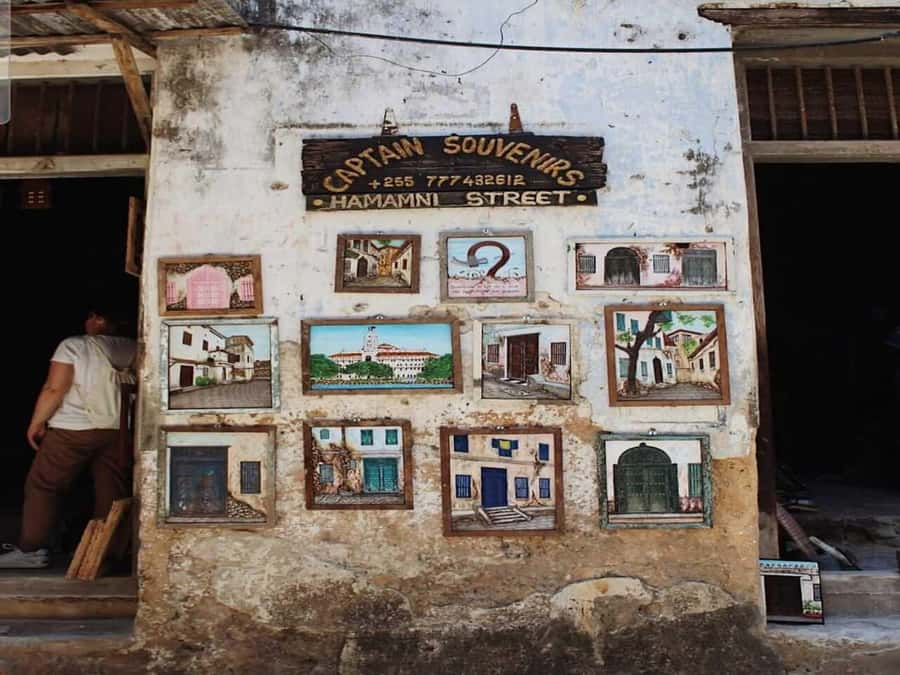
From there, you’ll continue through narrow streets, passing Zanzibar Gates and browsing souvenir shops and boutiques before you head back to your hotel pickup point.
If you like photos, this ending stretch is often where you notice the small details—doorways, arches, and the way gates frame the street view like moving picture borders.
Timing and walking pace: the 2h45 reality check
The tour is listed as 3 hours, with “about 2 hours and 45 minutes” noted for the actual time on the ground. That matters because Stone Town isn’t designed for fast pacing. Narrow streets slow you down, and markets slow you down more.
In the real world, a slower walk can actually be better. It gives you time to read signs, ask questions, and not feel like you’re sprinting between stops.
But it also means there’s less room for extra shopping stops beyond what the guide builds in. If you want to do heavier shopping, keep your “main buys” for Darajani Market and the souvenir lanes near the end.
Price and value: $19 is the base, tickets may add up
The base price is $19 per person and it includes a lot of the essentials:
- guided service
- bottled water
- convenient hotel pickup and drop-off
- a photo stop at Freddie Mercury’s childhood home
- an expert licensed local guide sharing Zanzibar’s stories
What’s not included are two key entry fees:
- former East Africa slave market site: $10 per person
- Freddie Mercury Museum: about $8 per person
So if you do both extra entries, you’re looking at roughly $37 total per person (base plus both tickets). Whether that still feels like a good deal depends on what you want from the museums.
If you mainly want the street-level guided narrative and photos, the $19 price can feel very reasonable. If you strongly want the indoor exhibits at both paid sites, budget the add-ons so you aren’t surprised mid-tour.
Also consider this: the tour includes many major landmarks that you can experience from the outside and within the walking context. That’s where the guiding value really shows—without a guide, Stone Town can feel like a beautiful maze. With one, it becomes a story you can follow.
Who should book this Stone Town walking tour
This tour fits best if you:
- want a walking route through Stone Town’s narrow streets with stops tied to real context
- like history but also want daily-life moments like Darajani Market
- care about Freddie Mercury enough to enjoy the childhood-home photo stop
- prefer a private group pace where you can ask questions
- appreciate a guide who can explain connections, not just point
It’s also a reasonable choice for families, since children 0–4 can join for free, and children 6–12 have a reduced price. If anyone in your group has altitude sickness, this tour is marked as not suitable (so pick a different style of activity).
And if you want a calm, slower day rather than a frantic “checklist,” this is a good match.
Should you book it?
I’d book this Stone Town walking tour if you want guided context you can feel under your feet. The price is attractive for what’s included—pickup, bottled water, a licensed guide, plus a Freddie Mercury photo stop—and the mix of slave-trade sites, markets, and iconic buildings keeps the day from becoming one-note.
But I’d think twice if you’re aiming for a tightly packed run through every major indoor attraction on a fixed timetable. Since entry tickets aren’t included for some stops and renovations can affect certain landmarks, your experience may lean more toward streets and exterior views depending on the day.
If you’re flexible, bring comfortable shoes, and plan for cash, this tour is a strong way to understand why Stone Town still feels alive.
FAQ
How long is the Stone Town Walking Tour?
It’s described as about 3 hours, with a note that the tour lasts approximately 2 hours and 45 minutes.
Where does the tour start?
The tour starts at Stone Town, with pickup offered from your hotel in Stone Town. You wait at your hotel reception.
Is this tour private or shared?
This is a private group tour.
What’s included in the price?
Included items are guiding service, bottled water during the tour, hotel pickup and drop-off in Stone Town, an expert licensed local guide, and a photo stop at Freddie Mercury’s childhood home.
What entry fees should I expect?
Entry/admission for the former East Africa slave market is listed at $10 per person, and entry for the Freddie Mercury Museum is listed at about $8 per person. These are not included.
Do I need cash?
Yes. You should bring cash for purchases and any paid entry stops during the tour.
What languages are the guides available in?
The live tour guide languages listed are French, English, German, Italian, and Swahili.
Are there age discounts or free entry for kids?
Children aged 0–4 can join for free. Children aged 6–12 have a reduced price.
What’s the cancellation policy?
Free cancellation is available up to 24 hours in advance for a full refund.