REVIEW · ZANZIBAR ARCHIPELAGO
Zanzibar: Spice Farm Tour with Traditional Cooking Class
Book on GetYourGuide →Operated by Zanturtle Explore Tours and Safaris · Bookable on GetYourGuide
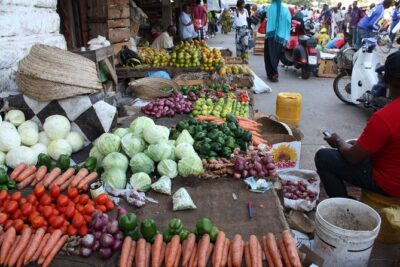
Spices have a pull in Zanzibar. This tour mixes a hands-on spice farm walk with a traditional cooking class. If you hate constant tip requests, plan ahead.
I also like the way the session pushes your senses. You’re encouraged to taste and smell spices as you learn why they matter in Zanzibari cooking. The one real knock is that the experience can feel more tourism-focused than working farmland, and facilities (like toilets) aren’t great.
You’ll still get a full, 5-hour food-centered outing: pickup from Stone Town or your hotel, a guided tour around Jambo Spice Farm Dole, harvesting, and then lunch with tropical fruit plus traditional music and dance.
In This Review
- Key highlights worth planning for
- Entering the Jambo Spice Farm Dole: what the walk feels like
- The spice lesson: why Zanzibar cooks with cinnamon, cloves, and tamarind
- Harvesting tropical fruit and garden ingredients: fun, but wear real shoes
- The cooking class: making a Swahili meal with traditional techniques
- Lunch with fruit, local snacks, and the full sensory payoff
- Price and timing: is $61 for 5 hours actually good value?
- Logistics you’ll feel: pickup, van ride, group type, and languages
- How to handle tip requests without spoiling the day
- What to pack so the farm doesn’t beat you
- Who should book this spice farm tour (and who might skip it)?
- Should you book the Zanzibar spice farm and Swahili cooking class?
- FAQ
- How long is the Zanzibar spice farm and cooking class?
- Where do pickups happen?
- How many languages are available for the guide?
- What does the tour include?
- What do I learn and cook?
- What should I bring?
- Is there free cancellation?
Key highlights worth planning for
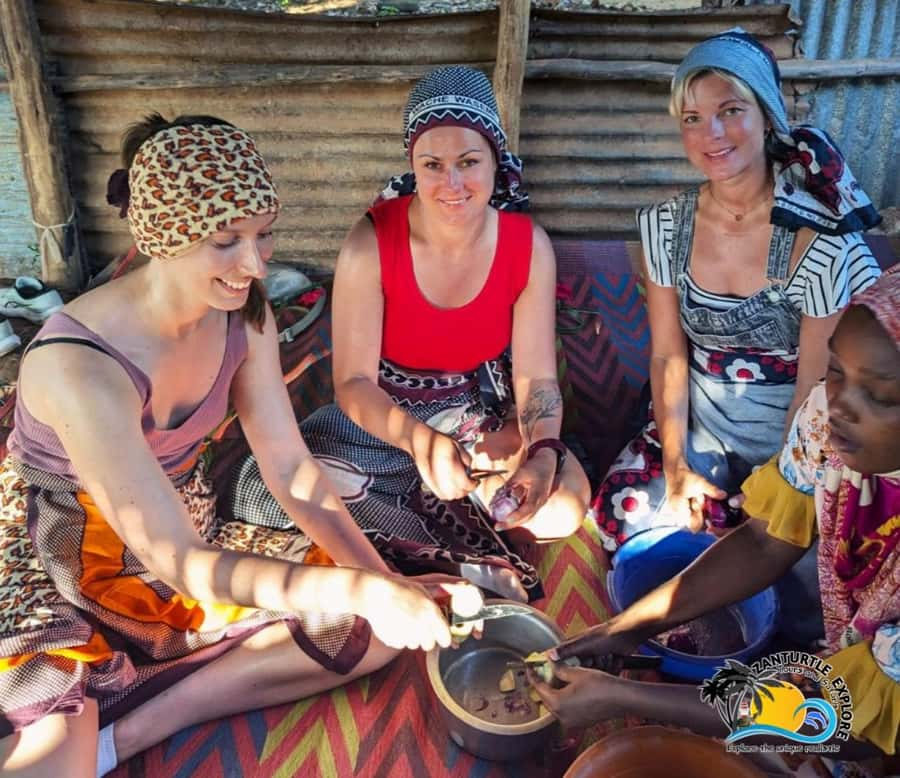
- Smell-and-taste spice education with cinnamon, vanilla, nutmeg, lemongrass, cloves, ylang-ylang, and more
- Harvest + cook: pick ingredients and then help prepare a Swahili meal with a local chef
- Tropical fruit sampling like mango, passion fruit, avocado, papaya, local grapefruits, bananas, and pineapple
- Old-style cooking gear and traditional techniques explained as you cook
- Hotel pickup and drop-off from Zanzibar or Stone Town, using a van with about 1 hour on each side
- Shared cultural extras such as local snacks, traditional music, and dance
Entering the Jambo Spice Farm Dole: what the walk feels like
The day starts by getting you out of the busy streets and into a spice-growing area in Unguja (South Region). Your pickup is flexible: you can be collected from Stone Town, or the provider can pick you up from any hotel in Zanzibar (meet in the lobby). Then you ride by van for about an hour before you reach the farm area.
Once you arrive at Jambo Spice Farm Dole, the tour begins with a walking route. This is not just a passive stroll. You’ll stop often, and the guide will show you plants and spices by name, explain uses, and get you to pay attention with your senses. You’re also guided through shopping opportunities tied to the farm (spices and fruit are typically part of what’s available), so it’s built as an all-in-one “experience stop,” not a quick look-and-leave.
One consideration: the farm can feel like a well-organized tourist route rather than a huge working operation. You may share paths with other groups, and you could feel like you’re moving from station to station. That doesn’t ruin the experience, but it does change the vibe—from wilderness-farming to guided presentation.
You can also read our reviews of more tours and experiences in Zanzibar Archipelago.



The spice lesson: why Zanzibar cooks with cinnamon, cloves, and tamarind
Spices are the whole point here, and you’ll get a structured explanation of how Zanzibari cuisine depends on them. You learn the origins of the spices and why they’re important locally—food first, then a side of traditional medicinal uses.
What you’ll likely encounter includes:
- Cinnamon, nutmeg, cloves, vanilla
- Lemongrass and ginger
- Cumin and pepper
- Tamarind and chili
- Ylang-ylang
- Plus other herbs and spices depending on what’s in season
The most useful part is that you’re not just told. You’re asked to taste and smell as the guide explains. That sensory learning helps you remember what belongs in sauces, stews, rice dishes, or curries.
Also, the teaching format matters. A few language options are available (Arabic, English, French, German, Italian, Polish, Russian, Spanish), and that’s important because spice talk can get detailed fast. If you’re not confident in English, it’s worth confirming language preference when you book.
Harvesting tropical fruit and garden ingredients: fun, but wear real shoes
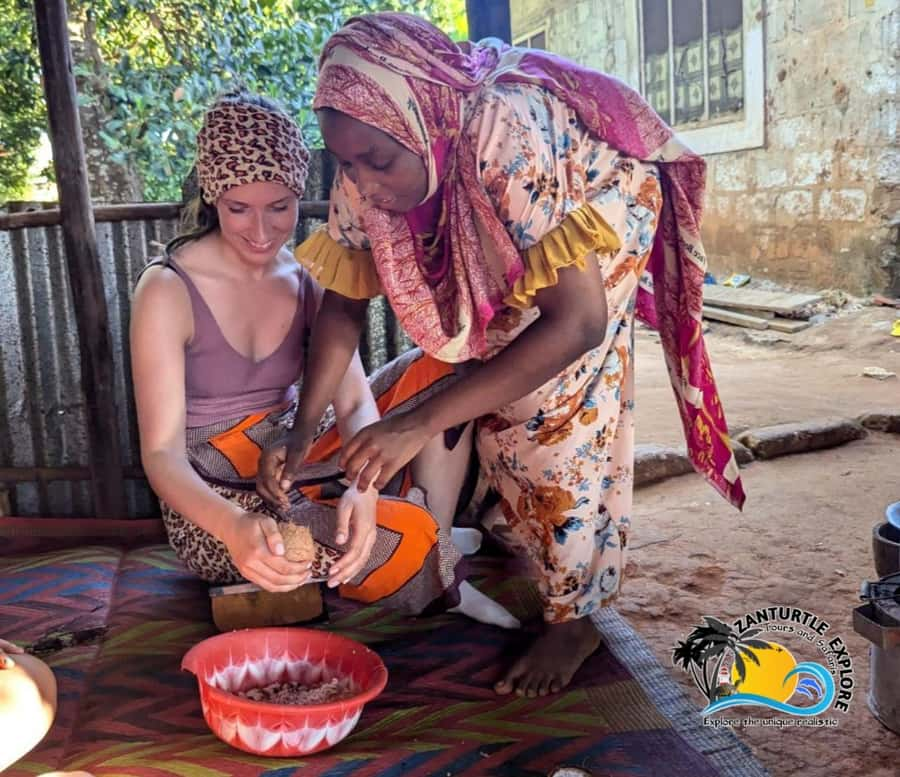
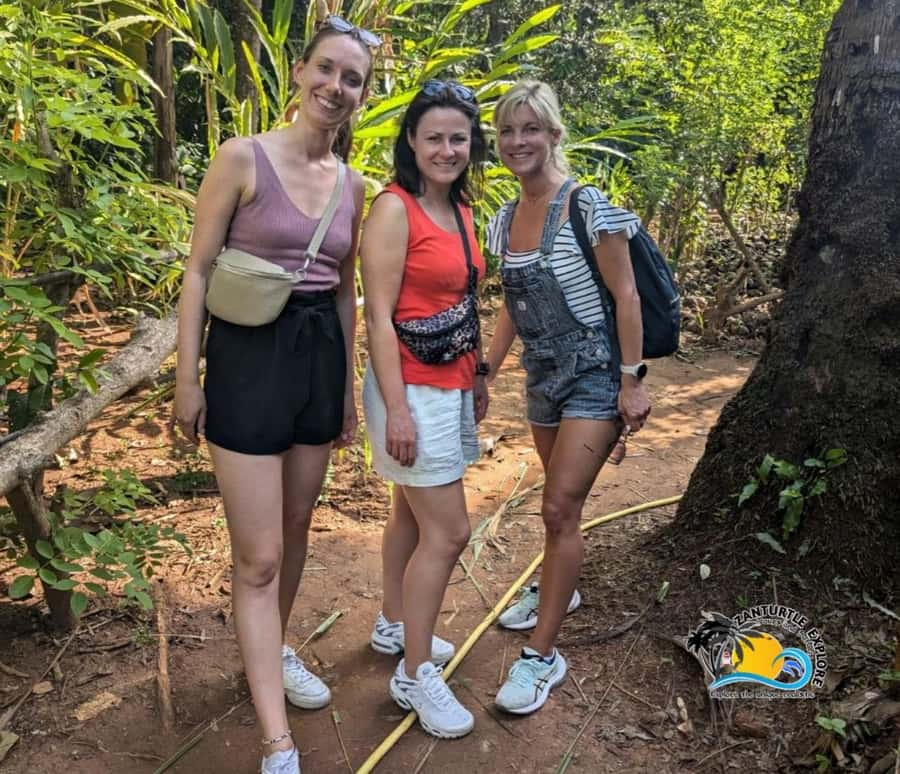
After the initial walk, you shift from watching plants to harvesting them. The plan is straightforward: you walk the farm, harvest some ingredients with your guide or culinary expert, and then move on to cooking.
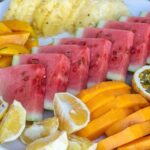
You’ll also sample tropical fruit—this is a real highlight if you’re the type who likes eating while you learn. Expect options such as:
- Mango
- Passion fruit
- Avocado
- Papaya
- Local grapefruits
- Bananas
- Pineapple
…and more depending on availability.
This part is one of the best ways to understand Zanzibar flavors. When you taste fruits on-site and then see how herbs and spices work beside them, the cuisine stops feeling mysterious. It becomes practical—sweet, fragrant, sour, and spicy in the same day.
The “bring comfy shoes” advice is not a throwaway line. You’ll walk on paths around the farm and potentially move around vegetation areas while harvesting. Plan for uneven ground, some sun, and plenty of time outdoors.
The cooking class: making a Swahili meal with traditional techniques
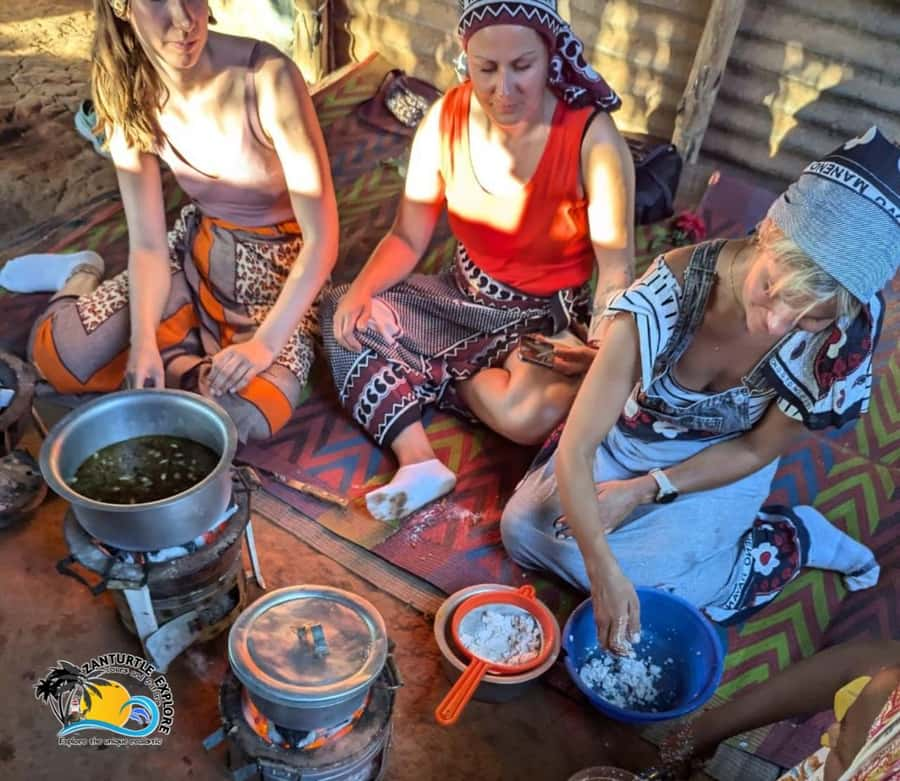
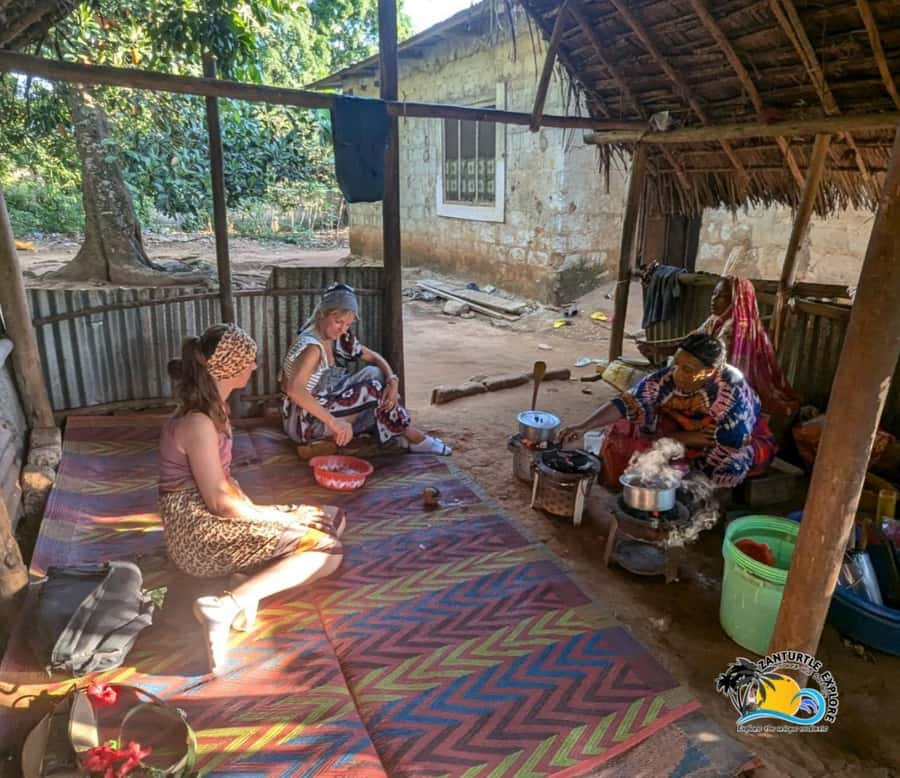
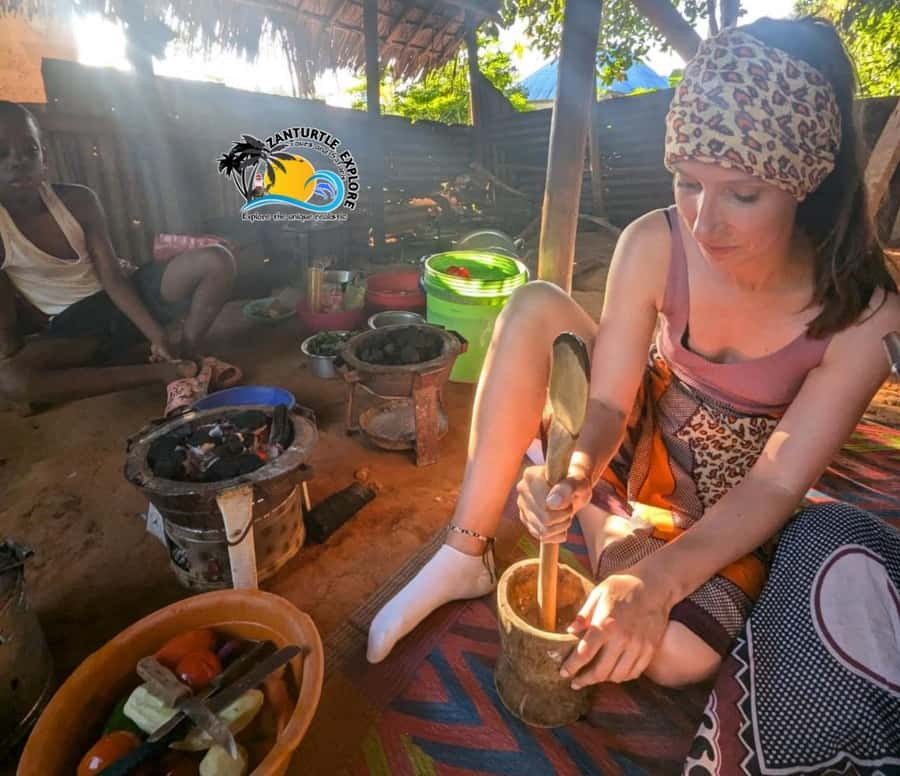
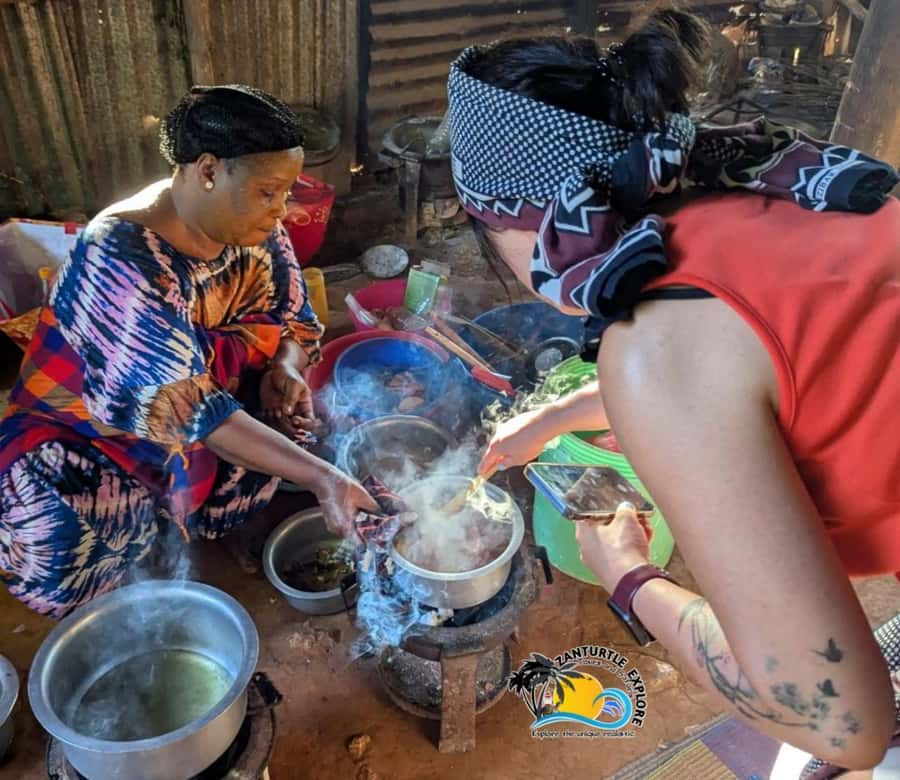
Cooking is where the day usually earns its keep. After harvesting, you head back to the class space to cook together with a local chef and equipment designed to reflect earlier coastal cooking styles. The apparatuses are described as replicated from bygone eras—so you’re not just following recipes; you’re seeing the tools and techniques that shape the taste.
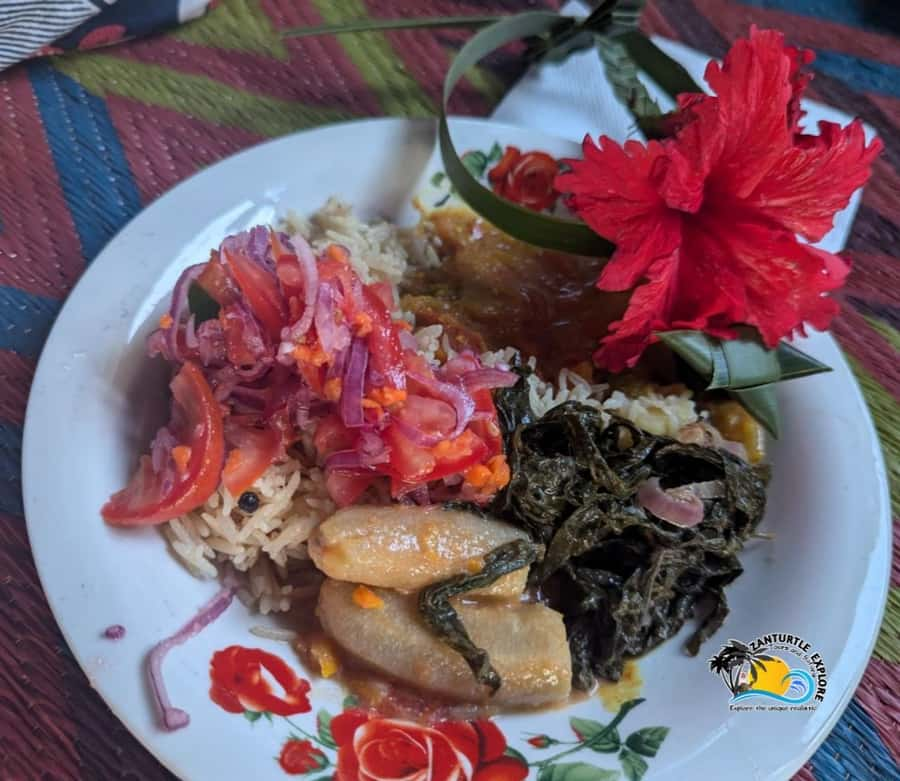
At this stage you’ll work with trained helpers and learn through a mix of explanation and hands-on tasks. The goal is a traditional Swahili meal, and you’ll eat lunch you helped prepare.
Here’s what to expect in a practical sense:
- You’ll likely watch preparation for parts of the meal first, then get involved.
- You’ll use traditional spice inputs you tasted earlier in the farm.
- You’ll move through the cooking steps together rather than just observing.
One detail that affects comfort: the class can feel more private and instructor-led than a highly social shared group cooking session. If you’re hoping for lots of back-and-forth conversation at the cutting board, you might get less of that. On the other hand, the cooking itself tends to be engaging and the food is usually the emotional high point of the day.
You may also enjoy traditional music and dance as part of the cultural portion. In at least one case, a guide named Aïcha was mentioned as the person who cooked, shared lunch, and offered explanations with energy and warmth.
Lunch with fruit, local snacks, and the full sensory payoff
You don’t just learn spices—you eat them. Lunch includes drinks and tropical fruit, and you’ll also have local snacks along the way.
This matters because spice education can be “classroom dry” if it never hits your plate. Here, the farm-to-food path is the point. When you taste cinnamon, vanilla, nutmeg, lemongrass, cloves, and ginger and then later eat a Swahili meal using that same flavor logic, it clicks.
Also, the day is designed to be a complete loop:
1) Walk and learn
2) Taste and smell
3) Harvest
4) Cook
5) Eat
That structure is a big part of why the tour is worth your time even if you’ve never cooked before.
A few more Zanzibar Archipelago tours and experiences worth a look

Price and timing: is $61 for 5 hours actually good value?
At $61 per person for about 5 hours, this sits in the “short excursion” category, not an all-day budget burner. The value comes from what’s wrapped into that price: hotel pickup and drop-off, farm tour, harvesting, cooking class equipment, lunch with fruit and drinks, and entrance/conservation fees.
The timing is also important. You’re looking at roughly 1 hour by van each way depending on where you start. That means you’ll spend a meaningful chunk of the day traveling, but the cooking and lunch time is long enough to feel like you did something substantial.
So who gets the best value?
- You’ll feel it most if you enjoy hands-on food experiences and want a guided explanation of spices.
- It feels less rewarding if you only want a quick photo stop or dislike structured tourist routes.
Also, plan your expectations about facilities. One traveler specifically flagged that the toilets were terrible, so if comfort matters, mentally budget for that possibility and bring what you can (simple items like tissues or wipes can be useful for comfort, though you’ll want to keep any disposal rules in mind on-site).
Logistics you’ll feel: pickup, van ride, group type, and languages
This is a private group, which changes the feel. You won’t be stuck with strangers dictating your pace, and you can often ask questions more directly (especially during the spice stops and cooking steps).
Pickup is a plus in Zanzibar, where timing can be tricky. Your provider can pick you up from any hotel in Zanzibar, meeting at the lobby. There’s also an option to start from Stone Town.
Language support is multi-lingual, which can turn this from a fun outing into real learning. If spice origins and uses are what you care about most, choose the language you’ll understand best:
Arabic, English, French, German, Italian, Polish, Russian, Spanish.
How to handle tip requests without spoiling the day
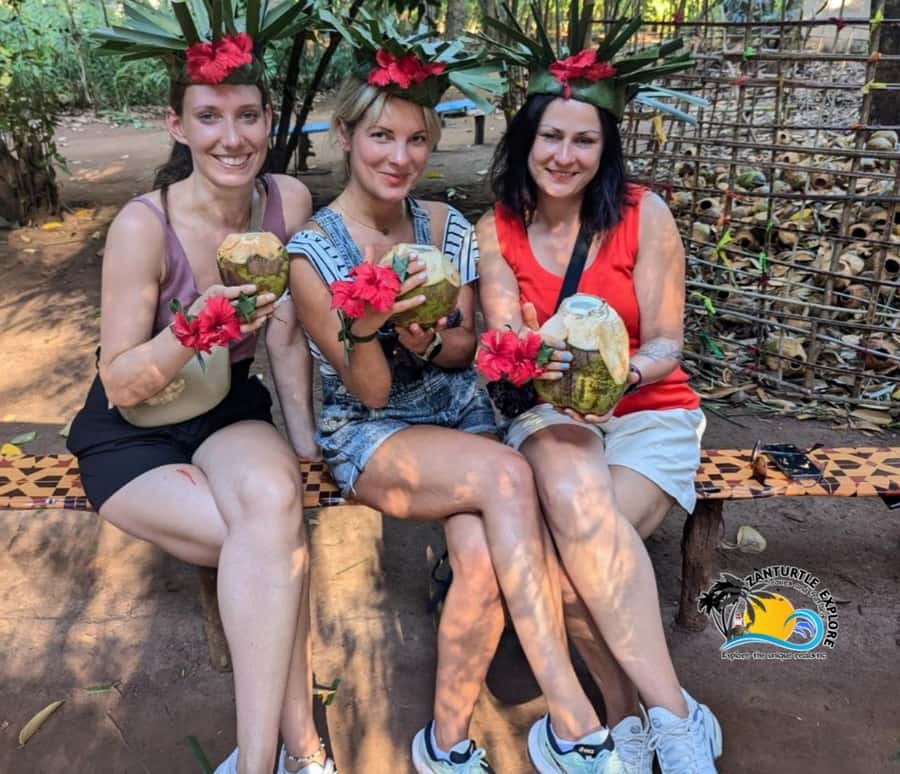
This tour can come with frequent tip prompts. Multiple parts of the day include small “offers” or requests that can feel like you’re expected to tip at each stop. That includes interactions around farm activities and cultural add-ons, and it can also involve people who hand you items like coconuts or assist with small crafts.
This is the one issue that can sour an otherwise good experience. Your best defense is not getting surprised.
Here are practical ways to manage it:
- Decide in advance on a tip budget you feel comfortable with, so every ask doesn’t become a mini negotiation.
- If you prefer to keep it simple, tip fewer people but still show appreciation for real work.
- One approach mentioned was tipping 1,000 shillings to a few people and keeping the total around 10,000 shillings rather than giving a larger amount in dollars repeatedly.
Your guide and helpers are working hard, and tips are part of the local economy—but you should still feel in control. If you hate this style of constant asking, this is the only reason you might want to pick a different kind of tour.
What to pack so the farm doesn’t beat you
For a 5-hour spice farm + cooking day, pack for sun, walking, and kitchen work.
Bring:
- Comfortable shoes
- Hat
- Camera
- Sunscreen
- Water
- Insect repellent
Also wear clothing that can handle warm weather and a bit of cooking mess. You’re encouraged to participate in harvesting and cooking, so comfortable, breathable layers beat your best outfit.
Who should book this spice farm tour (and who might skip it)?
Book this if you want:
- A guided spice tour with smell-and-taste learning
- A hands-on cooking experience that results in lunch
- A mix of culture and food in a single outing
- A day that’s likely to work well for families—one booking mentioned bringing a 3-year-old who enjoyed the farm and got involved with the women in the kitchen
Consider skipping or choosing another option if:
- You dislike tourist-style farm layouts and constant station stops
- You get irritated by frequent tip requests
- Toilet comfort is a dealbreaker for you
Should you book the Zanzibar spice farm and Swahili cooking class?
Yes, if food is your travel interest and you like practical learning. The best part is the full chain from spice identification to tasting and then cooking a Swahili meal you actually eat. The teaching is sensory, not just lecture, and the day includes fruit, lunch, and cultural extras like music and dance.
If your tolerance for tip requests is low, go in with a plan: set a budget, decide when you’ll tip, and don’t let every stop push you into surprise spending. Do that, and you’ll likely walk away with a head full of spice facts—and a stomach that got the final vote.
FAQ
How long is the Zanzibar spice farm and cooking class?
The experience runs for about 5 hours.
Where do pickups happen?
You can be picked up from Stone Town, or your provider can pick you up from any hotel in Zanzibar. You’ll meet in the hotel lobby or reception area.
How many languages are available for the guide?
The live guide supports Arabic, English, French, German, Italian, Polish, Russian, and Spanish.
What does the tour include?
It includes a trained guide, hotel pickup and drop-off, the spice farm tour with taste/smell/spice education, harvesting vegetables, a cooking class with equipment, lunch with drinks and tropical fruit, and traditional music and dance. Entrance and conservation fees are also included.
What do I learn and cook?
You learn about the history and importance of spices in Zanzibar cuisine, taste and smell many spices and herbs, harvest ingredients, and cook a traditional Swahili meal.
What should I bring?
Wear comfortable shoes and clothing for walking and cooking. Bring a hat, camera, sunscreen, water, and insect repellent.
Is there free cancellation?
Yes. You can cancel up to 24 hours in advance for a full refund.