REVIEW · ZANZIBAR
From Stone Town: Spice Tour of Zanzibar
Book on GetYourGuide →Operated by Babu Tours & Safaris · Bookable on GetYourGuide
Spices have a smell test for your senses. This short trip from Stone Town turns the idea of Zanzibar spice island into something you can actually see, smell, and sample. I especially like how the guide connects each plant to real uses, not just trivia.
I also love the ending: the coconut climber moment, with the traditional Jambo song and a freshly cut coconut. One drawback to plan for: there’s no food included, and you’ll likely want cash for tips and for buying spices at the farm shop.
In This Review
- Key highlights worth your time
- From Stone Town to a working spice farm (and why 2.5 hours works)
- The spice walk: cloves, nutmeg, vanilla, and the plants behind the name
- Fruit tastings: papaya, mango, jackfruit, and other island flavors
- The coconut climber moment (Jambo song and fresh coconut)
- The farm shop: buying spices, plus perfumes and soaps
- Price and what you actually get for $30
- Logistics that can make or break your day (small details, big impact)
- Pickup from Stone Town
- What to wear and bring
- What you can’t bring
- Languages
- Who should book this spice tour (and who might not love it)
- Should you book the Stone Town Spice Tour?
- FAQ
- How long is the Spice Tour of Zanzibar?
- Where does pickup happen?
- What is the meeting point or start area like?
- What’s included in the $30 price?
- Is food included on the tour?
- What spices and fruits will I see?
- Can I taste the spices and fruit?
- Do I need to bring anything?
- Are large bags or luggage allowed?
- Is the tour wheelchair accessible?
Key highlights worth your time
- Hands-on spice work: You can touch, smell, and (when possible) taste many spices and fruits right on the plantation.
- A plant-to-use lesson: The guide explains why Zanzibar became a spice hub and what each herb was used for.
- Neem and iodine tree stories: You’ll hear how neem leaves were used locally for malaria and indigestion, and how an iodine tree is still used for wound infections.
- Fruits beyond the basics: Papaya, mango, and jackfruit are on the route, plus tastings like guava and avocado show up depending on what’s in season.
- Coconut climber show: You’ll watch a climber cut a coconut, and the Jambo song is part of the fun.
- Shop for take-home flavor: The farm spice shop is where you can buy fresh spices, plus items like perfumes and soaps.
From Stone Town to a working spice farm (and why 2.5 hours works)
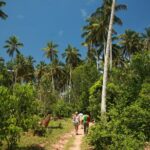
This is a straightforward, time-friendly tour. You’ll start with pickup from your Stone Town hotel (wait at the reception when they come for you), then head out to a small spice plantation in Unguja South. The total time out in the field is about 2.5 hours, which is perfect if you want the “spice island” feeling without losing half a day.
What I like about the format is that it stays focused. You’re not just walking past plants with a photo-op vibe. You get explanations as you go—what spices are, where they grow, how they’re harvested, and why people valued them long before modern supermarkets existed.
And because the farm shop is part of the finish, the tour ends the way good tours should: with something practical you can carry home.
You can also read our reviews of more tours and experiences in Zanzibar.



The spice walk: cloves, nutmeg, vanilla, and the plants behind the name
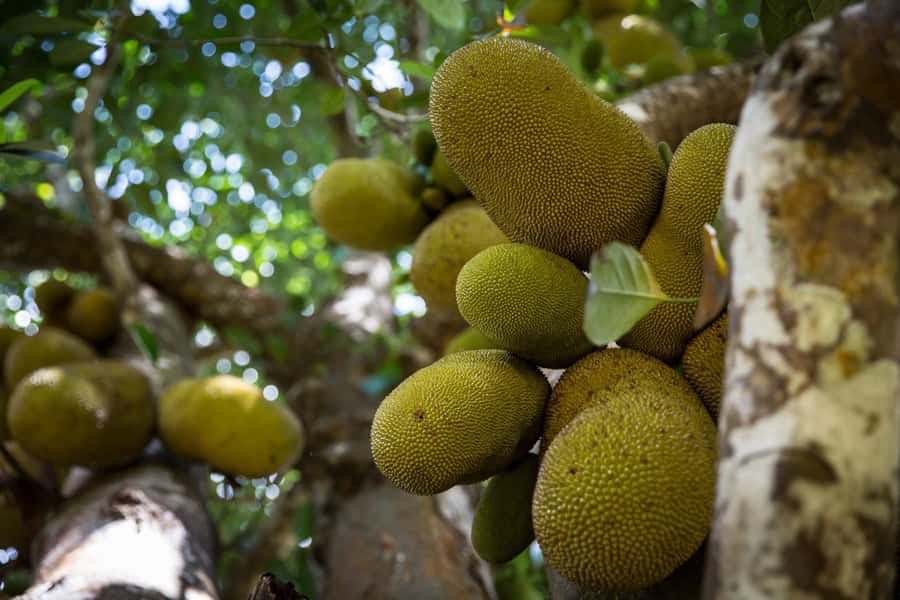
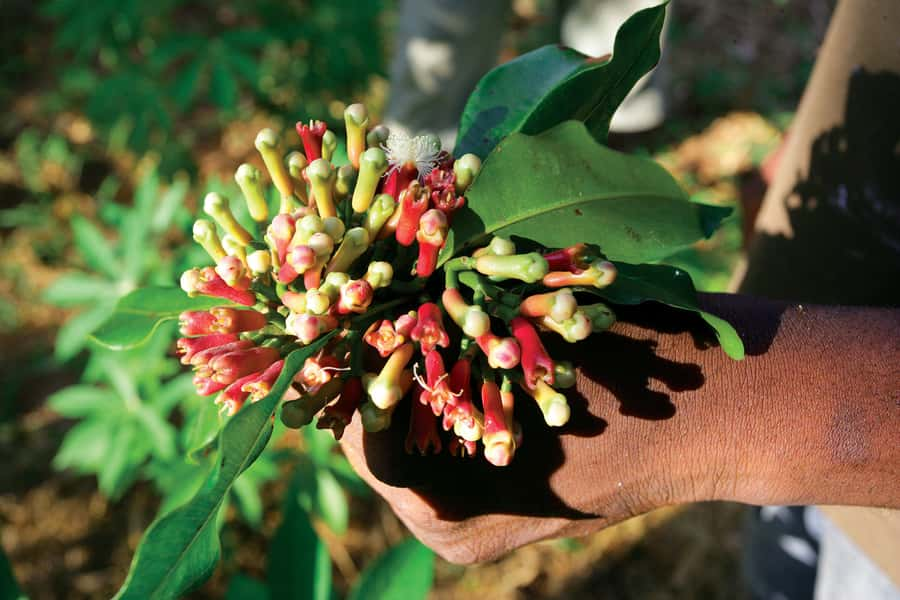
Zanzibar’s nickname comes from this very idea: spices aren’t abstract. They’re living plants, and they grow in specific conditions. On this tour, you’ll see a range of crops often associated with Zanzibar spice culture, including cloves, nutmeg, vanilla, cinnamon, curry, cardamom, and ginger, plus pepper and tamarind.
The best part isn’t that you recognize the names. It’s that the guide ties each plant to human use.
You’ll also hear stories about herbs and trees that were used in local traditional remedies. For example:
- Neem tree leaves were used locally as a cure for malaria and indigestion.
- The iodine tree is still used to help fight infections in wounds.
Even if you’re not planning to use plants medicinally yourself, these details give the tour context. You start to understand why spices mattered: not only for cooking, but for trade, healing, and everyday life.
Fruit tastings: papaya, mango, jackfruit, and other island flavors
A lot of spice tours focus only on the spices. Here, the plantation also gives you tropical fruit time—so you get a fuller sense of how Zanzibar agriculture fits together.
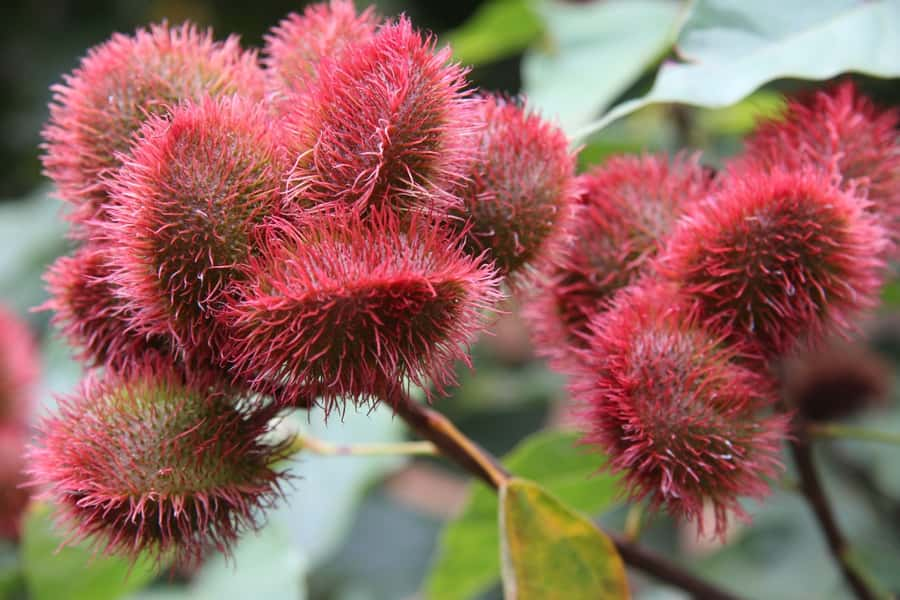
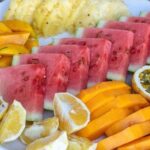
You can expect fruits like papaya, mango, and jackfruit. Some tours also include tastings like guava and avocado, depending on what’s available. The general point stays the same: you’re not just learning names, you’re tasting what the farm actually grows.
This is one of the easiest ways to enjoy Zanzibar without being stuck on a “lecture only” experience. The fruit part keeps things moving, and it makes the spice lesson stick better—because the plants are part of the same island ecosystem.
The coconut climber moment (Jambo song and fresh coconut)
If you only remember one part of this tour, make it the ending show.
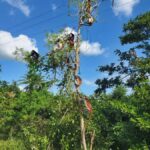
You’ll meet the coconut climber and watch him cut down a coconut, then drink the fresh coconut water. In multiple experiences, he’s also singing the traditional Jambo song while he works. It’s brief, but it adds real local flavor—part performance, part skill demonstration.
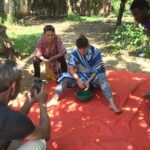
Some people also get fun roles during the celebration. One experience mentions being crowned King & Queen of Spice with handwoven crowns. Whether you get that exact moment depends on timing and group flow, but you should expect some light, human, celebratory energy at the end of the walk.
Plan for one practical thing: you may be expected to tip not just the guide, but also the assistant and the climber. I treat that as part of the cost of the experience, not an afterthought.
The farm shop: buying spices, plus perfumes and soaps
The tour finishes at the farm spice shop. This is where you turn your memories into something useful.
You’ll have a chance to buy fresh spices to take home for cooking. Based on real on-the-ground experience, you’ll also see other items for sale, like perfumes and soaps, along with spice products.
Here’s my practical advice: bring cash if you can. One clear note from experience is that cash helps for buying spices and for tipping.
Also remember that spices are part science, part sensory product. If you smell something you like, buy it then—don’t wait for later. Once you’re back in Stone Town, your senses won’t match the moment you’re standing in the farm shop with the air full of spice.





Price and what you actually get for $30
At $30 per person, this is a value-forward outing—especially because it includes:
- Entrance fee
- Guide
- All government taxes
What it doesn’t include is food. The no-food part matters because this is a 2.5-hour visit. If you’re heading out afterward, plan to eat before or after so you’re not hungry through the spice walk.
So is $30 “cheap”? It’s more like: you’re paying for a guided education plus a hands-on farm experience, not a bus ride plus a quick stop. When it clicks, the tour feels like paying for time with people who farm and explain, not just paying for access to plants.
If your goal is photos-only sightseeing, you might feel it’s too educational. If your goal is to bring home flavors and understand why Zanzibar became famous for spices, the price makes more sense fast.
Logistics that can make or break your day (small details, big impact)
This tour is simple, but a few details can cause stress if you ignore them.
Pickup from Stone Town
Pickup is available from any hotel within Stone Town. You wait at hotel reception for the collector. Communication is handled by the provider, and WhatsApp support showed up as a lifesaver when one hotel location wouldn’t pin correctly on the map.
If you’ve booked and your hotel address has trouble showing on the pin, message early. Keep your phone ready.
What to wear and bring
Bring comfortable shoes. The plantation setting likely involves uneven ground and walking. Closed-toe comfort beats sandals here.
What you can’t bring
No luggage or large bags. Keep it light so you’re not juggling storage while you walk and sample.
Languages
Your live guide can speak English, French, German, Spanish, or Italian. That’s helpful if you’re booking with friends who don’t want to rely on basic phrases.
Who should book this spice tour (and who might not love it)
This is a strong fit for:
- Food-minded travelers who want to understand where spices come from
- People who enjoy hands-on sensory activities like smelling and tasting
- Anyone short on time but still curious about Zanzibar beyond Stone Town streets
It may be less ideal for:
- People who have mobility challenges that make walking on a farm difficult. The activity info says it’s wheelchair accessible, but it also says it’s not suitable for people with mobility impairments. Because the walking is on plantation ground, I’d take the more cautious message seriously and contact the operator for a clear answer based on your needs.
If you hate guided tours or you want zero talking, this might feel like work. But if you like learning a bit while you explore, you’ll probably have a great time.
Should you book the Stone Town Spice Tour?
Book it if you want a short, value-priced way to connect Zanzibar’s spice reputation to the real plants that grow behind it. The combination of spice explanations, fruit tastings, and the coconut climber finale makes it more than a quick stop.
Skip it (or choose a different style) if you want food included, or if you dislike tipping culture tied to the climber/assistant moments, or if farm walking could be hard for you.
If you do book, do two things: wear comfortable shoes, and bring cash for spices and tips so the ending at the shop feels easy instead of rushed.
FAQ
How long is the Spice Tour of Zanzibar?
The tour lasts about 2.5 hours.
Where does pickup happen?
Pickup is available from any hotel within Stone Town. You should wait at the hotel reception to be collected.
What is the meeting point or start area like?
The information provided focuses on pickup from your Stone Town hotel, so you’ll start at your hotel rather than a fixed city meeting point.
What’s included in the $30 price?
The price includes the entrance fee, a live guide, and all government taxes.
Is food included on the tour?
No. Food is not included.
What spices and fruits will I see?
You can expect to see spices such as cloves, nutmeg, vanilla, cinnamon, cardamom, curry, ginger, pepper, and tamarind, plus fruits like papaya, mango, and jackfruit. Other fruits may be included depending on availability.
Can I taste the spices and fruit?
The tour includes fruit and spice tastings when possible, and you’ll also be able to touch, smell, and learn about the plants.
Do I need to bring anything?
Wear comfortable shoes. Also, cash is helpful for buying spices and for tipping based on practical experience shared with the tour.
Are large bags or luggage allowed?
No. Luggage or large bags are not allowed.
Is the tour wheelchair accessible?
It is marked as wheelchair accessible, but it’s also noted as not suitable for people with mobility impairments. If mobility is a concern, it’s worth checking details directly with the operator for your situation.