REVIEW · ZANZIBAR CITY
Stone Town Private Guided Walking Tour
Book on GetYourGuide →Operated by Hansver tours · Bookable on GetYourGuide
Stone Town tells stories on foot. This private 3-hour walk mixes pop history with the darker corners of Zanzibar’s past, with Hassan (often) guiding you between places like the Freddie Mercury Museum and the Old Fort. I love the calm pacing and the personal explanations about everyday life, and I love that bottled water is included so you can keep moving. One thing to consider: there’s no hotel pickup, so you’ll need to make your own way to the start point at Forodhani Gardens.
You’ll cover UNESCO sights at street level, with short walks of roughly 15–20 minutes between stops. The big value is that the tour links buildings to people, so you don’t just tick off landmarks, you understand why stops like Jaws Corner and the Slave Market Museum matter. Main caution: it’s not suitable for people with mobility impairments or wheelchair users, and children under 6 aren’t included.
In This Review
- Key things to know before you go
- A Private 3-Hour Walk Through UNESCO Stone Town
- Meeting at Forodhani Gardens: Where the Tour Really Starts
- Old Fort: The First Big Anchor in the Street Story
- House of Wonders: Why This Landmark Works on Foot
- Forodhani Gardens Again: A Break in the Route
- Freddie Mercury Museum: Celebrity, Yes. Also Context.
- Darajani Market: Where the City Feels Real
- Passing the Key Landmarks: Jaws Corner, Slave Market Museum, Palace Museum
- Price and Value: What $27 Buys You in Stone Town
- What to Bring (and the Rules That Keep It Smooth)
- Who This Tour Suits Best (and Who Should Skip It)
- Should You Book This Stone Town Private Guided Walking Tour?
- FAQ
- How long is the Stone Town Private Guided Walking Tour?
- Where do we meet the guide?
- Is hotel pickup and drop-off included?
- What’s included in the price?
- What major sights will we visit?
- Is the guide speaking English, and is it private?
- Can I take photos and is flash allowed inside museums?
- Is this tour suitable for young children or wheelchair users?
Key things to know before you go
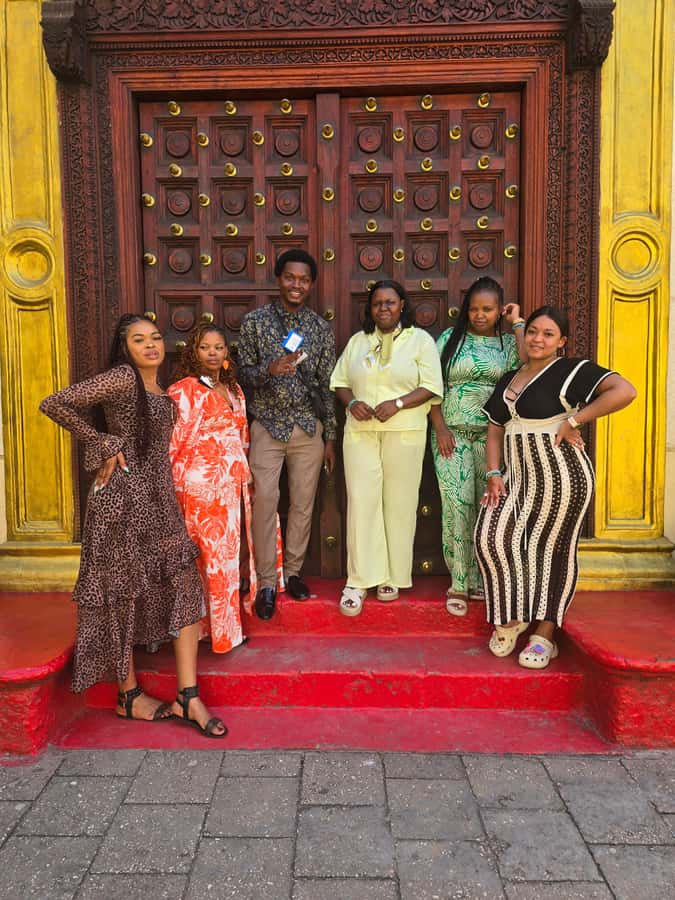
- Private, English-speaking guide who sets the pace and answers questions
- Freddie Mercury Museum with local context, not just celebrity trivia
- Forodhani Gardens start near the band stand, easy to find
- Short walking segments between major sights (about 3 hours total)
- Darajani Market time to see what daily Zanzibar life looks like
A Private 3-Hour Walk Through UNESCO Stone Town
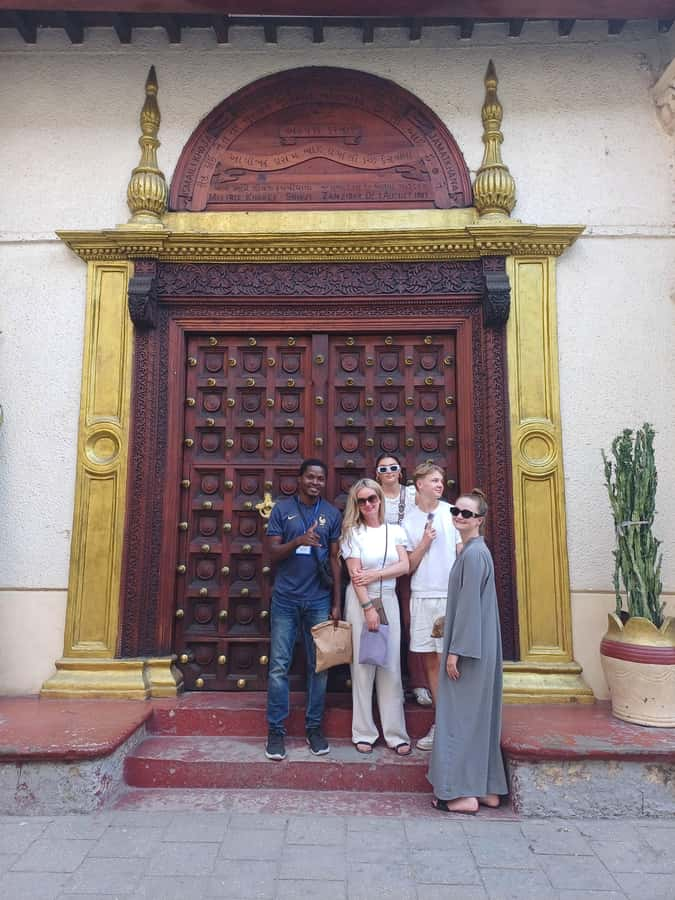
Stone Town is the kind of place where street corners feel like chapters. This tour works because it’s short enough to stay lively, yet structured enough that you don’t end up wandering in circles. You’ll move through key sights, with a guide who keeps the story going while you’re actually in the street—where the city’s history still feels present.
I like that it’s private. That means you can ask questions without the awkward pause while everyone catches up, and your guide can slow down if a building, a doorway, or a market scene pulls your attention. It also makes it easier to handle comfort needs like shade and water, which matters in Stone Town’s sun.
The focus stays on a handful of high-impact stops: Freddie Mercury Museum, Old Fort, House of Wonders, plus time near Darajani Market. You also pass other famous landmarks along the route, so the tour works even if you want a highlight reel rather than an all-day museum marathon.
You can also read our reviews of more walking tours in Zanzibar City



Meeting at Forodhani Gardens: Where the Tour Really Starts

Your guide meets you in Stone Town at the center of Forodhani Gardens, by the band stand. It’s a practical setup because you’re starting in a well-known public space rather than a random side street.
The one logistics point I’d plan for: hotel pickup and drop-off aren’t included. So if you’re staying outside easy walking/taxi distance, budget a little time and cost to reach the gardens. Also, since the whole experience is walking-based, being early helps you settle in before you start.
Once you’re there, the meeting is simple—your guide will be waiting. Then you’ll head out on the route that links the most important sights first, so you’re not spending your best energy later trying to cram everything in.
Old Fort: The First Big Anchor in the Street Story
The tour typically kicks off at the Old Fort. You get about 15 minutes here, which is enough for an overview and a first sense of scale. This stop is valuable because it sets the mood for the rest of Stone Town. Forts and forts-adjacent streets tend to explain how a trading city protected itself, controlled movement, and shaped daily life around the port.
You’re not looking at it like a distant monument. You’re walking through it as part of a connected route. That’s a key difference between a self-guided stroll and a guided walk: your guide helps you connect what you’re seeing now with what the city was doing in the past.
A small heads-up: the tour doesn’t linger long at any one site. If you’re hoping to spend half an hour or more in deep reading mode, you might feel the time pressure. Still, if you want a guided “see it, understand it, move on” plan, this length fits well.
House of Wonders: Why This Landmark Works on Foot
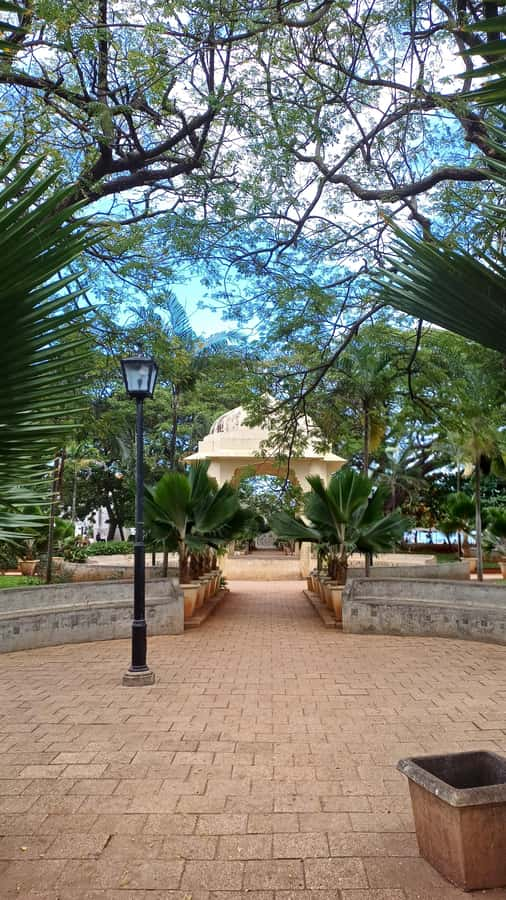
Next comes the House of Wonders, with around 20 minutes of walking time before you get there and time to explore. This is one of the sights people expect in Stone Town, and the guide’s job is to make it more than a recognizable name.
I like how this stop balances visual interest with story. The guide’s explanations help you see the building in context: what it represented and why it’s remembered in Stone Town. When a guide can connect the place to the wider city story, you get more from your time than simply looking at doors, walls, and courtyards.
Is it perfect for museum fans? If you want long, slow artifact-based sightseeing, the tour may feel short. But for most people, this is ideal: you get a guided orientation, then you keep moving while the city is still fresh and interesting.
Forodhani Gardens Again: A Break in the Route

You’ll pass by Forodhani during the walk, with around 15 minutes on this stretch. Even if you don’t linger to snack or browse, it’s a useful pause point. Forodhani gives you a change of rhythm—less museum mode, more street life and atmosphere.
This matters because Stone Town can feel dense. Short breaks keep the day from becoming one long blur of buildings. It also helps you reset if the sun is strong. You’ve got water included, so you can use the stop as a practical moment to hydrate and take a few photos.
If you’re the kind of traveler who likes to notice how a place works day to day, this part of the route helps you see Stone Town as a living city, not just an attraction list.
You can also read our reviews of more guided tours in Zanzibar City






Freddie Mercury Museum: Celebrity, Yes. Also Context.
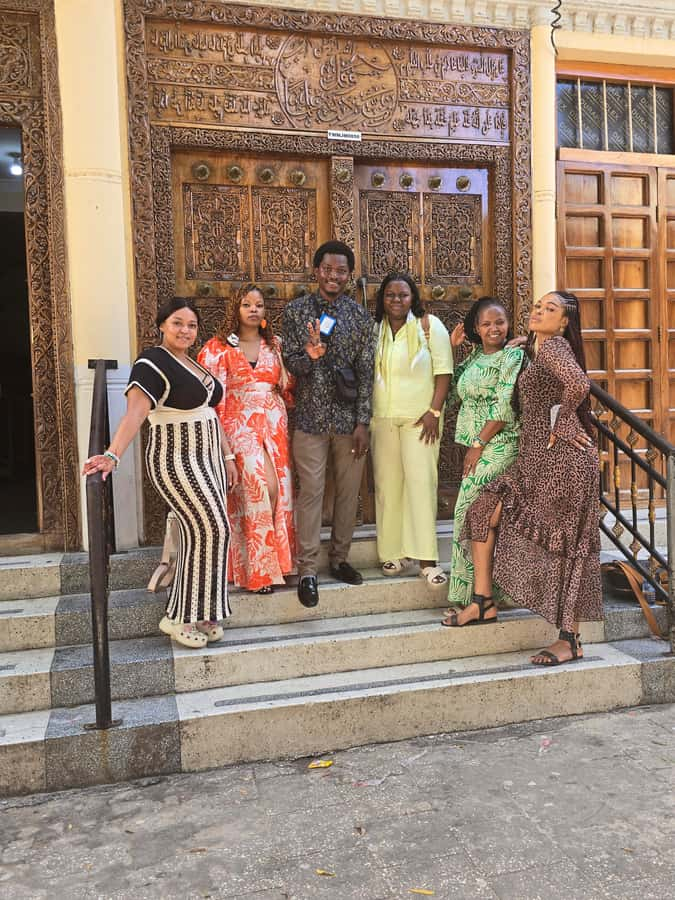
The Freddie Mercury Museum is one of the tour’s main reasons people book this walk, and you get about 15 minutes there. That’s a tight window for deep museum reading, but it’s enough to understand the key themes and connect the site to Stone Town’s identity.
I really like that the guide doesn’t treat it like a standalone pop-museum. The best versions of this experience connect Freddie Mercury to the city’s wider story. You come away with more than trivia—you get a sense of why this museum belongs inside Stone Town’s landscape of culture and memory.
Practical note: photography is allowed, but flash photography is not permitted inside museums. Also, the tour rules say eating, drinking, and smoking aren’t allowed inside museums. So if you want photos, plan for normal light and keep your camera ready without flash.
If you’re a super fan and want to read every label, you may wish you had more time. If you want an efficient guided overview that keeps the day moving, this stop fits the 3-hour design.
Darajani Market: Where the City Feels Real

Darajani Market is your best chance to see how people live and shop in Stone Town. You get around 15 minutes at the market, which is brief, but it’s enough to feel the energy and understand why a guided stop here matters.
The value isn’t just the sights. It’s the framing. With a guide, you’re more likely to notice what locals are doing and why certain stalls and street activities exist. You also get help navigating so you don’t feel pushed into the loudest edges or lost in confusing alleys.
A good travel habit here: keep your shopping list simple. Don’t try to compare everything in 15 minutes. Focus on one or two small items, take your time looking, and let your guide handle any helpful pointers.
If heat or crowding usually bothers you, this section can be intense. But it’s also the moment where Stone Town stops being a set of monuments and turns back into a daily city.
Passing the Key Landmarks: Jaws Corner, Slave Market Museum, Palace Museum

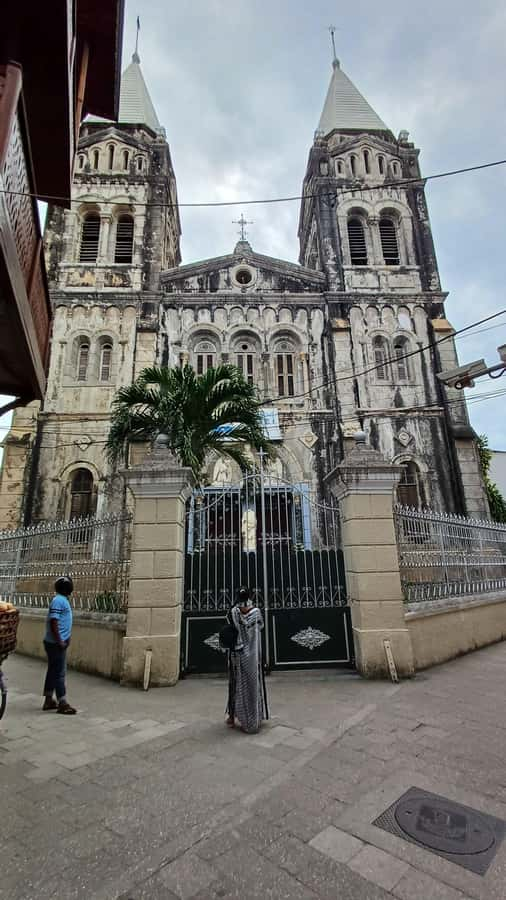
Between the major stops, you’ll also pass several landmarks that shape Stone Town’s story. The route includes viewpoints or sightlines around the Catholic Church, Jaws Corner, the Slaves Market Museum, the Old Dispenser, the Old Customer, and the Palace Museum.
Even when you’re only walking by, these are important because they give your guide room to connect themes. This is where a good guide makes the difference. A name on a sign is one thing. A guided explanation of what the place represents in the city’s long, complicated past is what makes it stick.
This is also where the tour’s adult tone really shows. Stone Town’s history includes the slave trade, and your guide is set up to explain it in a way that helps you understand the human weight behind the buildings and corners you see.
If you prefer only cheerful, modern sights and want to avoid heavy historical themes, this might feel like more than you planned. If you’re okay with learning, and you want a fuller picture of Stone Town, these passing stops are part of what makes the walk worth doing.
Price and Value: What $27 Buys You in Stone Town

At $27 per person for a private guided walking tour (around 3 hours), you’re paying for a few things that matter a lot in a city like Stone Town: time, context, and local navigation.
You get a professional guide, a private group format, and bottled water. The fact that water is included sounds small, but it helps you keep your pace instead of stopping to buy it every time you feel thirsty. You also get an English-speaking guide, which is a big deal when you want the story to land clearly.
Not included: hotel pickup/drop-off, meals and drinks, and personal expenses. That means you’ll still need to budget for your own food and any shopping. But the walking format keeps costs down compared with tours that add transportation or long ticketed entrances everywhere.
The private format is what pushes the value up. If you’re traveling as a couple or small group, it can feel like a flexible conversation walking through major sights, rather than a checklist handled at group speed.
What to Bring (and the Rules That Keep It Smooth)
You’ll want comfortable shoes. Stone Town walking is real walking—uneven surfaces, short turns, and quick transitions between streets. A hat and sunscreen help you enjoy the walk without fighting the sun. Bring a camera for the sights, and bring water even though bottled water is provided, just in case.
Rules to remember:
- No smoking
- Flash photography isn’t allowed inside museums
- No eating, drinking, or smoking inside museums
If you’re the type who likes photos, plan your museum shots without flash and save any extra eating for outside the museum areas. That keeps the experience smooth and avoids awkward interruptions with staff or signage.
One more small comfort tip: since the tour includes markets and multiple stops, keep your phone secured and your bag closed while you’re moving through crowded areas.
Who This Tour Suits Best (and Who Should Skip It)
This is a good match if you want:
- An adult-focused guided story of Stone Town and its history
- A private experience where you can ask questions
- A practical 3-hour format that doesn’t eat your whole day
It’s also a strong choice if you care about meaning. The guide’s explanations connect places like the Slave Market Museum and Jaws Corner to the city’s larger story, so you come away understanding what you saw.
It’s not a good fit if you:
- Need wheelchair access or have mobility impairments, since the walking route isn’t suitable
- Have kids under 6, since the tour isn’t appropriate for that age group
If you’re comfortable walking for a few hours and you enjoy learning while you move, you’ll likely love this style of tour.
Should You Book This Stone Town Private Guided Walking Tour?
I’d book it if you want a focused, story-led introduction to Stone Town without spending all day. The private guide format and the mixture of major landmarks plus a quick Darajani Market window make it feel efficient but not rushed for the average visitor.
It’s also a solid choice if you like guides who add personal, on-the-ground perspective. One highlight from the experience is how the guide handles explanations with humor and warmth while still covering heavier topics like the slave trade. That balance is hard to find in short tours.
Skip it if you need hotel pickup, wheelchair access, or extra time inside museums. This walk is built for movement and context, not for hours of independent browsing.
If your goal is to get your bearings fast in Stone Town and understand what you’re seeing, this is a good value way to do it.
FAQ
How long is the Stone Town Private Guided Walking Tour?
The tour lasts 3 hours.
Where do we meet the guide?
The meeting point is in Stone Town at the center of Forodhani Gardens, near the band stand.
Is hotel pickup and drop-off included?
No. Hotel pickup and drop-off are not included.
What’s included in the price?
The tour includes a professional guide, a private tour, and bottled water.
What major sights will we visit?
You’ll visit the Old Fort, the House of Wonders, the Freddie Mercury Museum, and Darajani Market. You’ll also pass by several landmarks such as Jaws Corner and the Slaves Market Museum.
Is the guide speaking English, and is it private?
Yes, the live tour guide is English, and it’s a private group.
Can I take photos and is flash allowed inside museums?
Photography is allowed, but flash photography isn’t permitted inside museums.
Is this tour suitable for young children or wheelchair users?
No. It’s not suitable for children under 6, and it’s not suitable for people with mobility impairments or wheelchair users.